Douro valley terraces
1344×768 · AVIF · CC BY 4.0
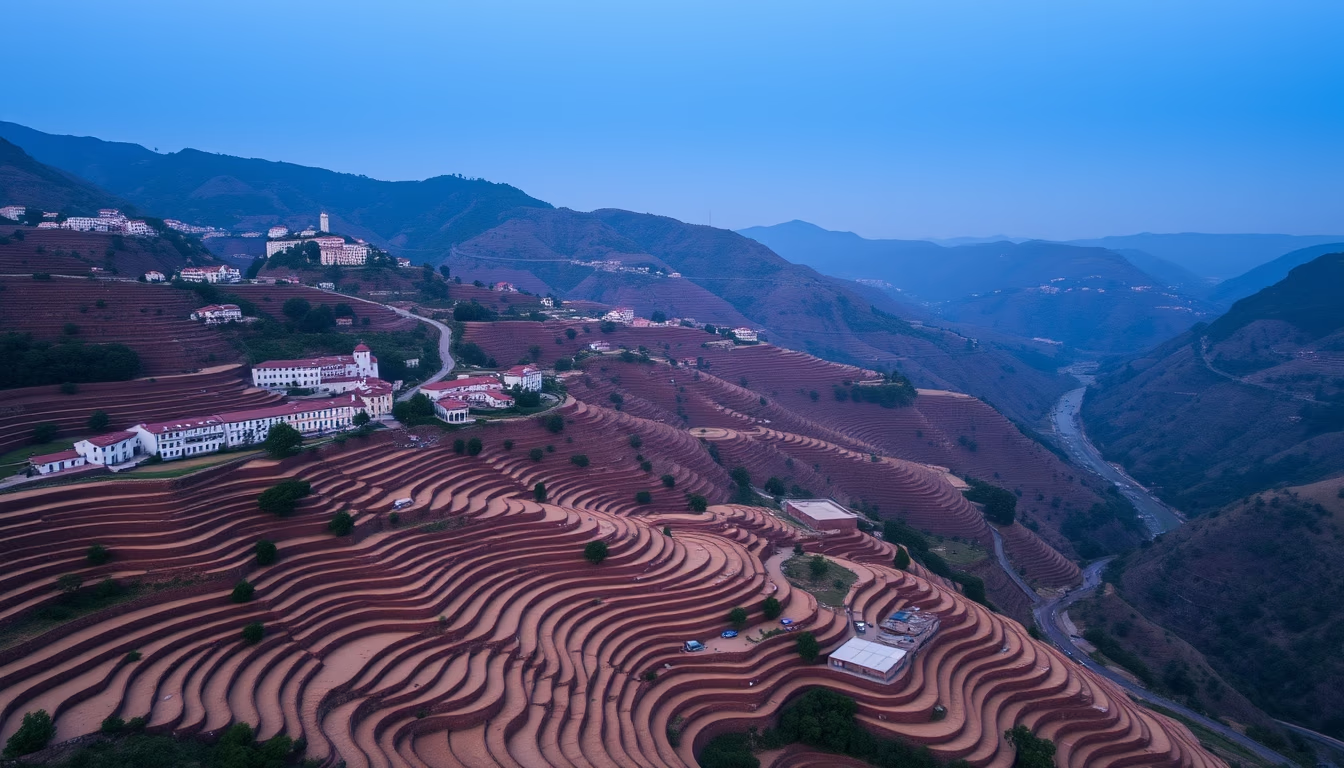
The terraces of the Douro Valley in Portugal are an iconic example of heroic viticulture on steep slopes, shaped over centuries to produce the world-famous Port wine.
About this subject
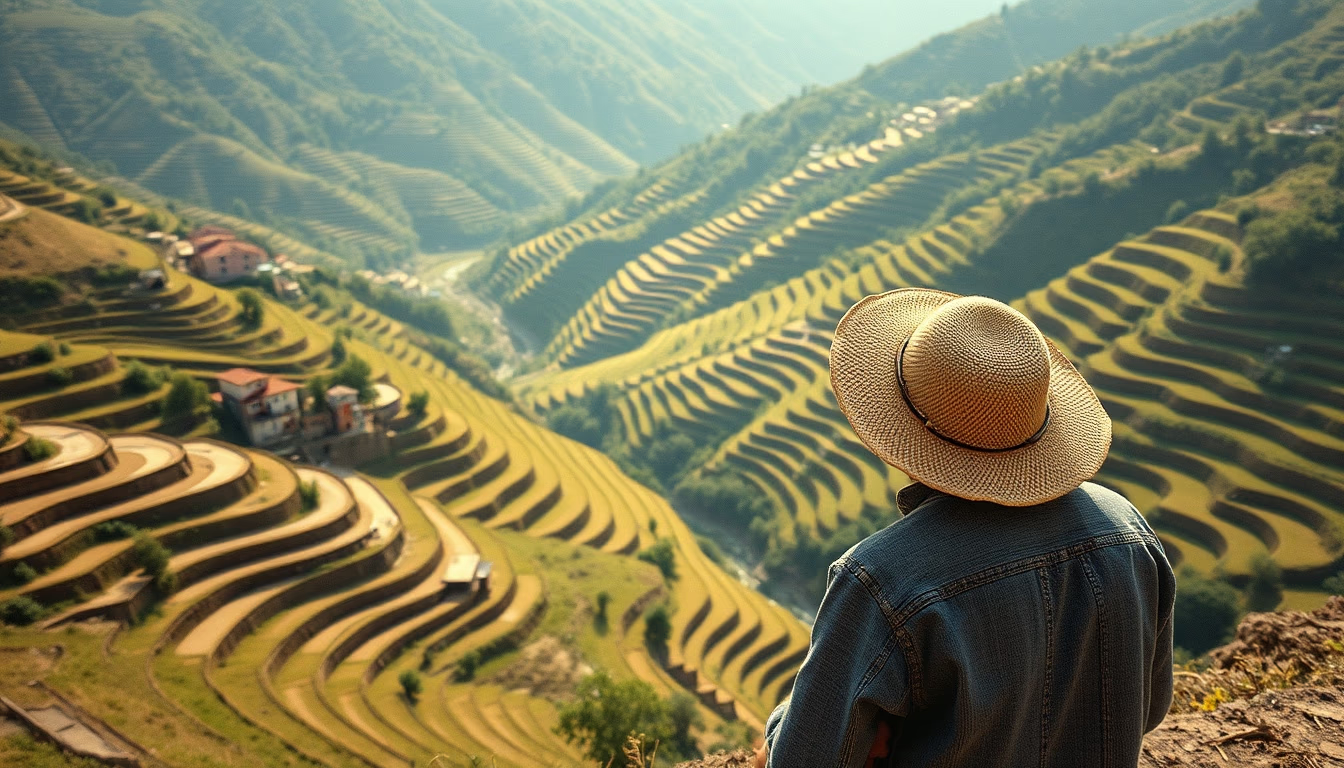
The Douro Valley, located in northern Portugal, is one of the oldest and most stunning wine regions in the world. Its terraces, carved into schist and granite along the Douro River, were built over generations to allow grape cultivation on slopes that often exceed 60 degrees. This technique, known as heroic viticulture, is essential for producing Port wine and high-quality dry red wines.
The Alto Douro Wine Region was declared a UNESCO World Heritage Site in 2001 precisely for its beauty and unique agricultural engineering. The terraces vary in style: the oldest, called socalcos, are narrow and hand-built, while newer designs like patamares and ao alto were adapted for mechanization. About 250,000 hectares are dedicated to viticulture, with prominence given to grape varieties such as Touriga Nacional, Touriga Franca, and Tinta Roriz.
Interestingly, the region's Mediterranean climate, with hot, dry summers and harsh winters, combined with the poor schist soil, forces vine roots to go deep in search of water and minerals, resulting in concentrated and complex grapes. Port wine production has been regulated by a Controlled Denomination of Origin since 1756, when the Marquis of Pombal demarcated the region, one of the first official appellations in the world.
Frequently Asked Questions
Why is the Douro Valley famous?
The Douro Valley is world-renowned for producing Port wine for over two thousand years. Its steep slopes with centuries-old terraces were declared a UNESCO World Heritage Site in 2001.
What are the main grape varieties grown in the Douro?
The most important varieties are Touriga Nacional, Touriga Franca, and Tinta Roriz. Over 100 grape varieties are authorized in the region, many adapted to the schist soil.
How are the Douro terraces built?
Historically, terraces (socalcos) were built by hand with dry stone walls. Today, techniques like patamares (wide terraces) and ao alto (vines planted along the slope) allow mechanization, though maintenance still requires significant manual labor.
Direct URL
https://pub-c7d6a6ea828543ac903a74a341ccb2e1.r2.dev/imagens/douro-valley-terraces-aerial-drone-shot-fresh7.avifHow to credit
Include a visible link back to UtilizAí. Copy one of the snippets below:
<a href="https://xn--utiliza-eza.com/en/midia/imagens/douro-valley-terraces-aerial-drone-shot-fresh7">Douro valley terraces</a> by <a href="https://xn--utiliza-eza.com">UtilizAí</a>, licensed under <a href="https://creativecommons.org/licenses/by/4.0/">CC BY 4.0</a>.
[Douro valley terraces](https://xn--utiliza-eza.com/en/midia/imagens/douro-valley-terraces-aerial-drone-shot-fresh7) by [UtilizAí](https://xn--utiliza-eza.com), CC BY 4.0
License: CC-BY-4.0