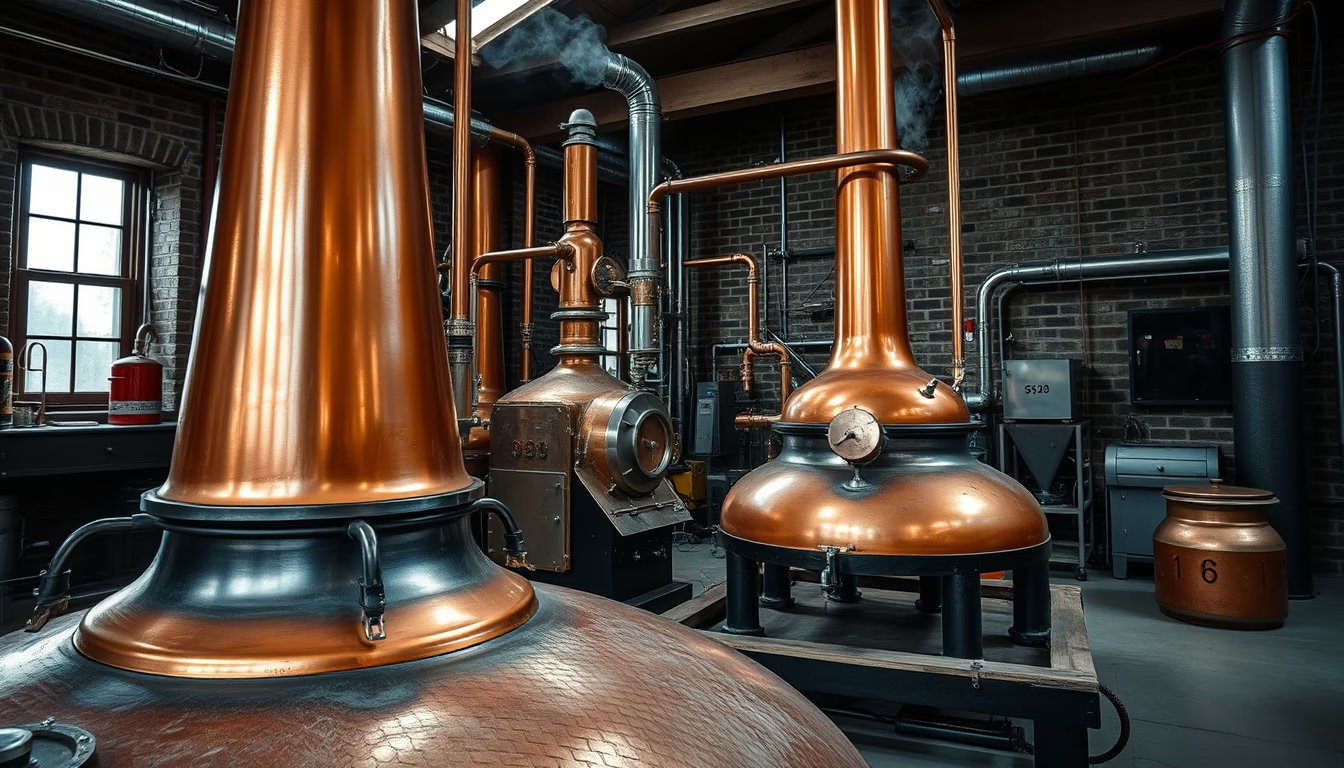
Distillery copper still
1344×768 · AVIF · CC BY 4.0
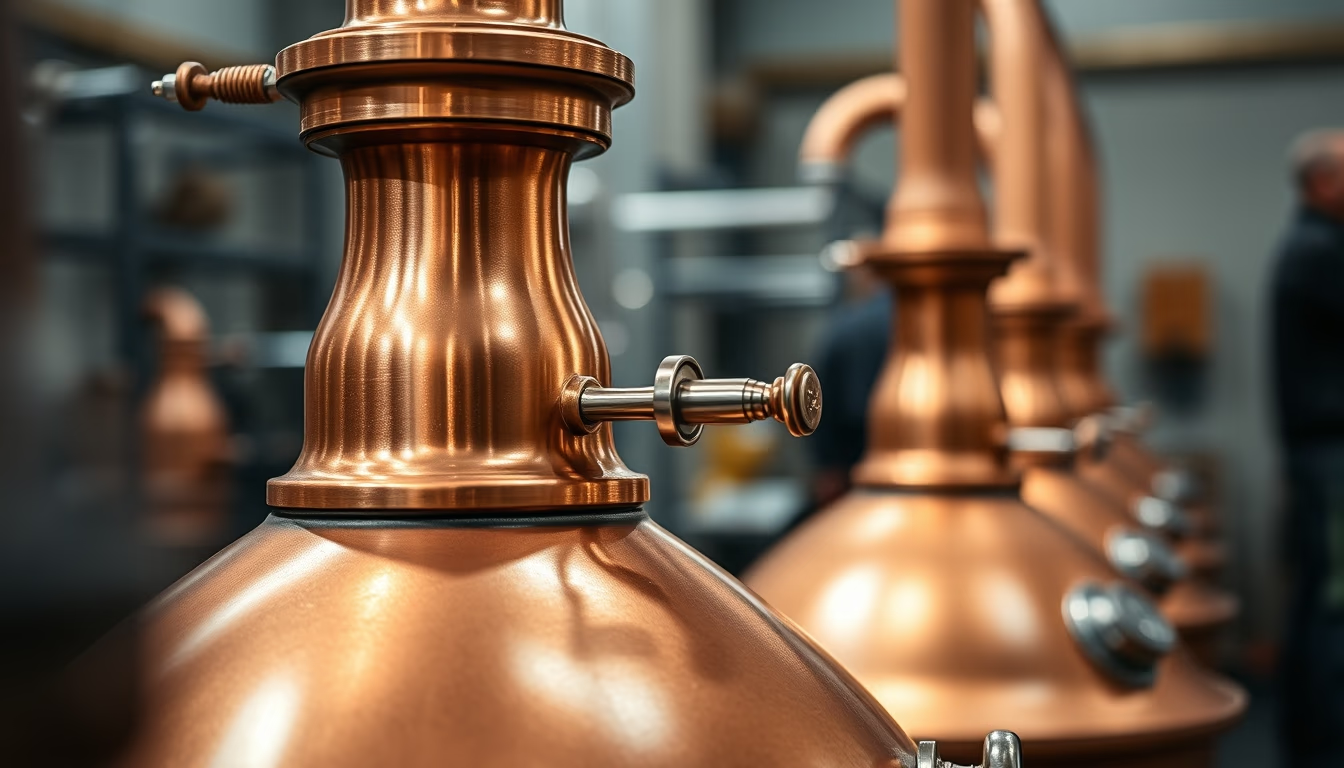
Alambique de cobre em close-up: a peça central da destilação artesanal de bebidas como uísque, rum e cachaça, que confere pureza e sabor.
Sobre o tema
O alambique de cobre é um equipamento tradicional utilizado na destilação de bebidas alcoólicas, como uísque, rum, cachaça e gin. Sua forma característica, com um corpo bojudo e um pescoço de cisne, foi aperfeiçoada ao longo dos séculos. O cobre é o material preferido porque reage quimicamente com compostos de enxofre presentes no mosto fermentado, removendo sabores indesejáveis e odores desagradáveis. Essa reação forma sulfato de cobre, que se deposita no interior do alambique e é periodicamente limpo. Além disso, o cobre é um excelente condutor de calor, permitindo um aquecimento uniforme e controle preciso da temperatura durante a destilação.
Historicamente, os alambiques de cobre surgiram por volta do século VIII na Pérsia, mas foram aperfeiçoados na Europa durante a Idade Média. Na Escócia, os alambiques de cobre são essenciais para a produção de uísque single malt, com destilarias como Glenfiddich e Macallan utilizando modelos centenários. Cada formato de alambique influencia o perfil sensorial da bebida: alambiques mais altos produzem destilados mais leves, enquanto os mais baixos retêm mais sabor. No Brasil, a cachaça artesanal é frequentemente destilada em alambiques de cobre, prática que preserva aromas frutados e reduz a acidez.
Em um close-up de um alambique de cobre, é possível observar a pátina esverdeada que se forma com o tempo, resultado da oxidação natural do metal. Essa camada protege o cobre e não compromete a qualidade da bebida. A manutenção do alambique envolve a limpeza com agentes ácidos, como suco de limão ou ácido cítrico, para remover resíduos incrustados. Apesar do surgimento de alambiques de aço inoxidável, muitos produtores artesanais e destilarias premium ainda preferem o cobre por sua capacidade de refinar o destilado e agregar complexidade aromática.
Curiosidade: o tamanho e a forma do alambique podem ser tão específicos que cada destilaria guarda segredo sobre as dimensões exatas, pois isso define o caráter único de seu produto. Na produção de conhaque, por exemplo, os alambiques de cobre são obrigatórios por lei na região de Cognac, França. Já no whisky irlandês, alguns alambiques possuem um terceiro compartimento chamado "purificador", que ajuda a separar ainda mais as impurezas.
Perguntas frequentes
Por que o cobre é usado em alambiques para destilação?
O cobre reage com compostos de enxofre presentes no mosto, removendo sabores e odores indesejáveis. Além disso, conduz calor uniformemente, permitindo controle preciso da temperatura e melhorando a qualidade do destilado.
Qual a diferença entre alambiques de cobre e de aço inoxidável?
Alambiques de cobre interagem quimicamente com o líquido, reduzindo enxofre e adicionando complexidade. Alambiques de aço inoxidável são mais neutros e duráveis, mas não oferecem a mesma purificação. Produtores artesanais geralmente preferem cobre.
Como se faz a manutenção de um alambique de cobre?
A manutenção envolve limpeza periódica com agentes ácidos (suco de limão ou ácido cítrico) para remover resíduos. A pátina verde protetora não precisa ser removida, apenas o acúmulo de sujeira que pode afetar o sabor.
URL direta
https://pub-c7d6a6ea828543ac903a74a341ccb2e1.r2.dev/imagens/distillery-copper-still-macro-closeup-p0.avifComo creditar
Inclua um link visível de volta pro UtilizAí. Copie um dos snippets abaixo:
<a href="https://xn--utiliza-eza.com/midia/imagens/distillery-copper-still-macro-closeup-p0">Distillery copper still</a> by <a href="https://xn--utiliza-eza.com">UtilizAí</a>, licensed under <a href="https://creativecommons.org/licenses/by/4.0/">CC BY 4.0</a>.
[Distillery copper still](https://xn--utiliza-eza.com/midia/imagens/distillery-copper-still-macro-closeup-p0) by [UtilizAí](https://xn--utiliza-eza.com), CC BY 4.0
Licença: CC-BY-4.0