Distillery copper still
1344×768 · AVIF · CC BY 4.0
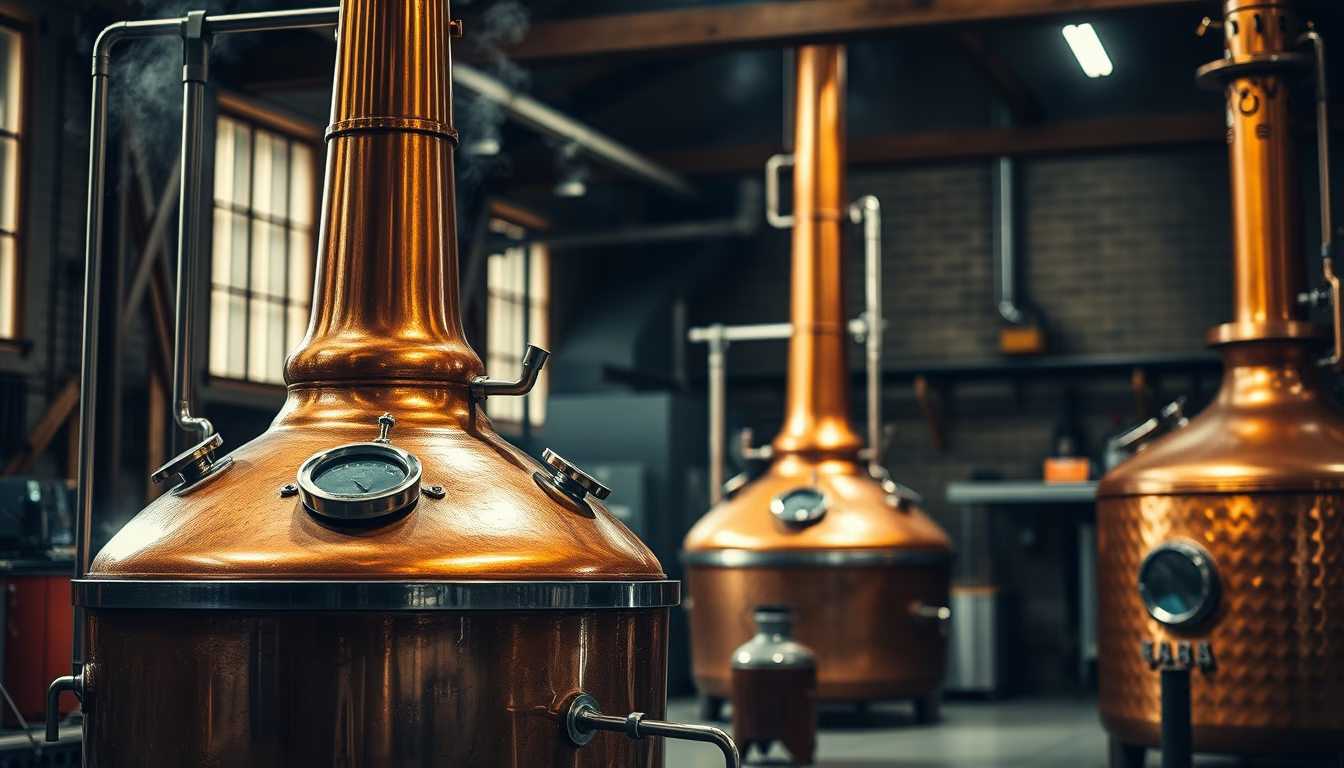
Copper stills are essential for distilling spirits like whiskey and rum, influencing flavor and purity.
About this subject
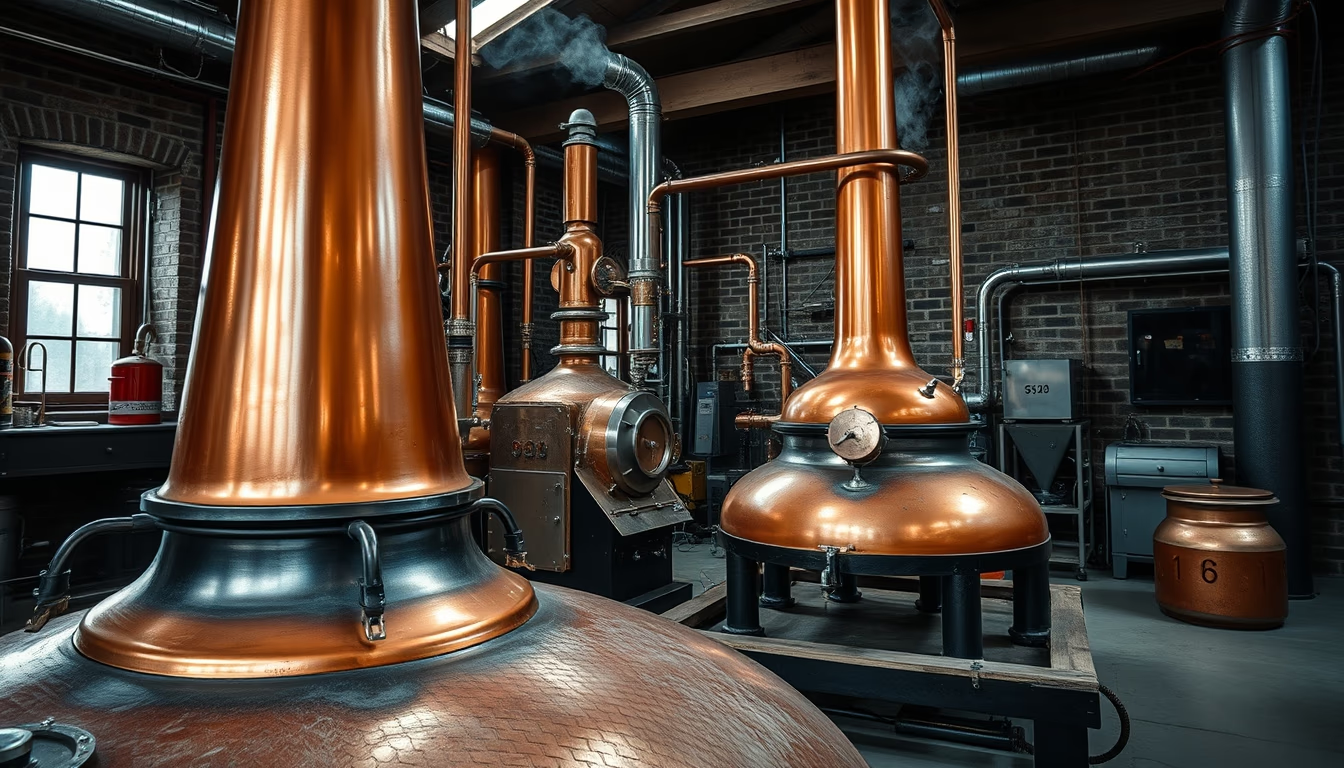
Copper stills play a central role in the production of distilled spirits, especially Scotch whiskies, bourbons, and artisanal rums. Copper has been the preferred material since the early days of distillation due to its excellent thermal conductivity, which allows even heating and precise temperature control. This characteristic is vital for separating desired compounds from unwanted ones during the distillation process.
Beyond thermal aspects, copper acts as a catalyst in chemical reactions that remove sulfurous compounds from the distillate. These compounds, originating from the fermentation of grains or sugarcane, can produce unpleasant flavors such as sulfur, rubber, or rotten eggs. As the vapor passes through the still, copper binds with sulfur, forming copper sulfide that remains in the equipment, resulting in a cleaner and more aromatic spirit.
Historically, copper stills have a characteristic onion or pear shape, known as pot stills, used for batch distillation. This shape allows natural reflux, where part of the vapor condenses and returns to the liquid, refining alcohol content and flavors. Traditional Scottish distilleries, such as those on Islay, maintain unique still designs that contribute to the sensory profile of each whisky.
In modern production, some distillers use continuous column stills made of stainless steel but still incorporate copper components, such as internal plates, to preserve the beneficial interaction with sulfur. The high cost and frequent maintenance of copper stills are offset by the superior quality of the distillate. For enthusiasts, a copper still is not just equipment but a symbol of tradition and mastery in the art of distillation.
Frequently Asked Questions
Why is copper used in stills?
Copper is used for its high thermal conductivity, allowing precise temperature control, and for its ability to remove sulfurous compounds, improving the flavor and aroma of the distillate.
What is the difference between a copper still and a stainless steel still?
Copper stills chemically interact with vapors, eliminating sulfur, while stainless steel is inert. Copper also conducts heat more evenly, influencing the spirit's sensory profile.
How does the shape of the still affect the flavor of whiskey?
The shape determines internal reflux: tall, narrow stills produce lighter spirits, while short, wide stills result in fuller, heavier flavors.
Direct URL
https://pub-c7d6a6ea828543ac903a74a341ccb2e1.r2.dev/imagens/distillery-copper-still-fine-art-photography-p2.avifHow to credit
Include a visible link back to UtilizAí. Copy one of the snippets below:
<a href="https://xn--utiliza-eza.com/en/midia/imagens/distillery-copper-still-fine-art-photography-p2">Distillery copper still</a> by <a href="https://xn--utiliza-eza.com">UtilizAí</a>, licensed under <a href="https://creativecommons.org/licenses/by/4.0/">CC BY 4.0</a>.
[Distillery copper still](https://xn--utiliza-eza.com/en/midia/imagens/distillery-copper-still-fine-art-photography-p2) by [UtilizAí](https://xn--utiliza-eza.com), CC BY 4.0
License: CC-BY-4.0