Dat tape recorder
1344×768 · AVIF · CC BY 4.0
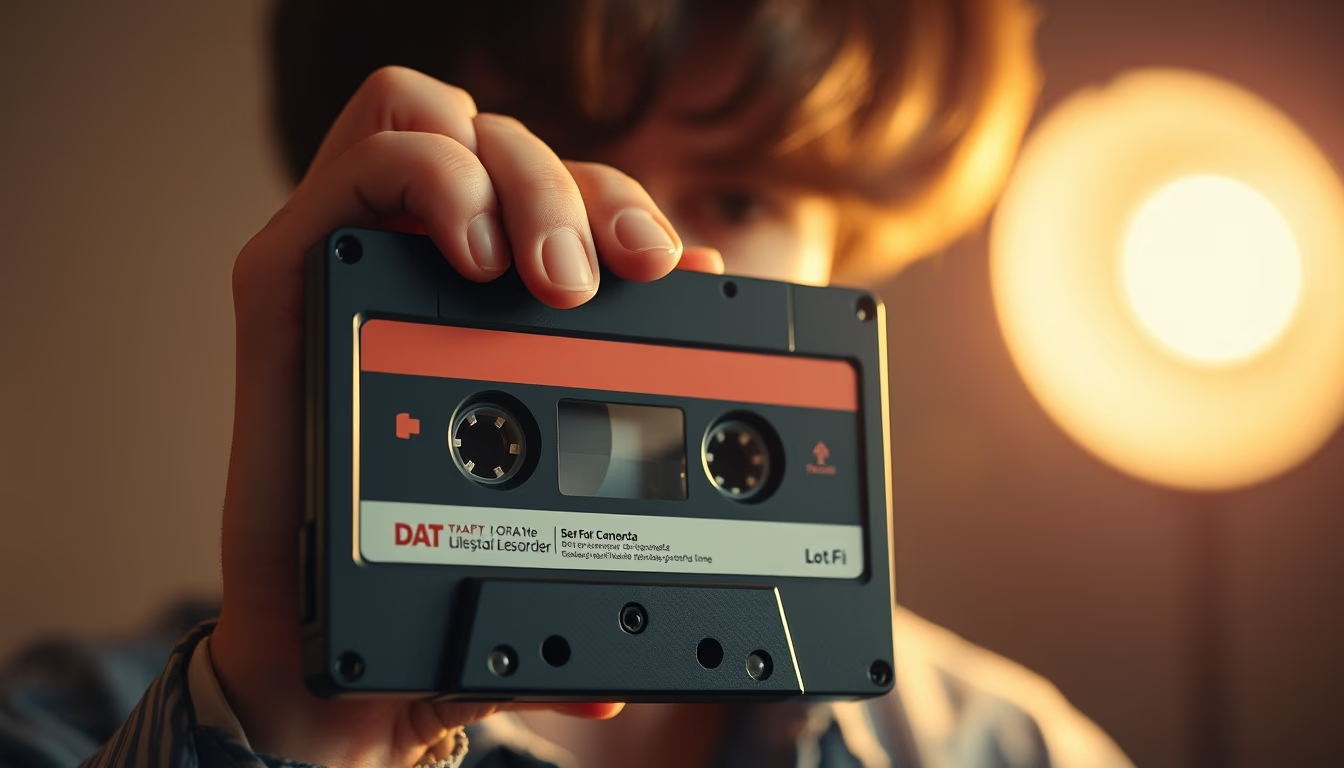
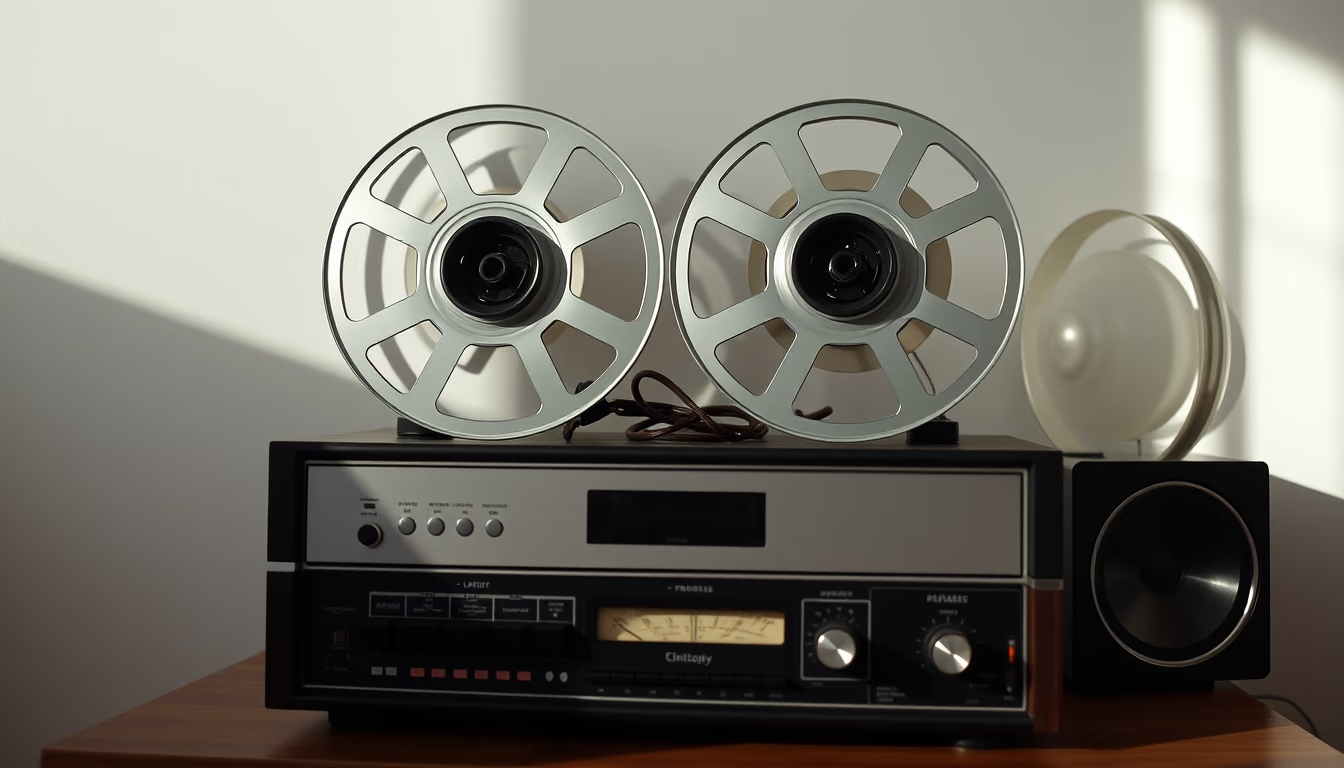
The DAT recorder was a milestone in portable digital recording, used by professionals and audiophiles in the 1990s, combining CD quality with a compact format.
About this subject
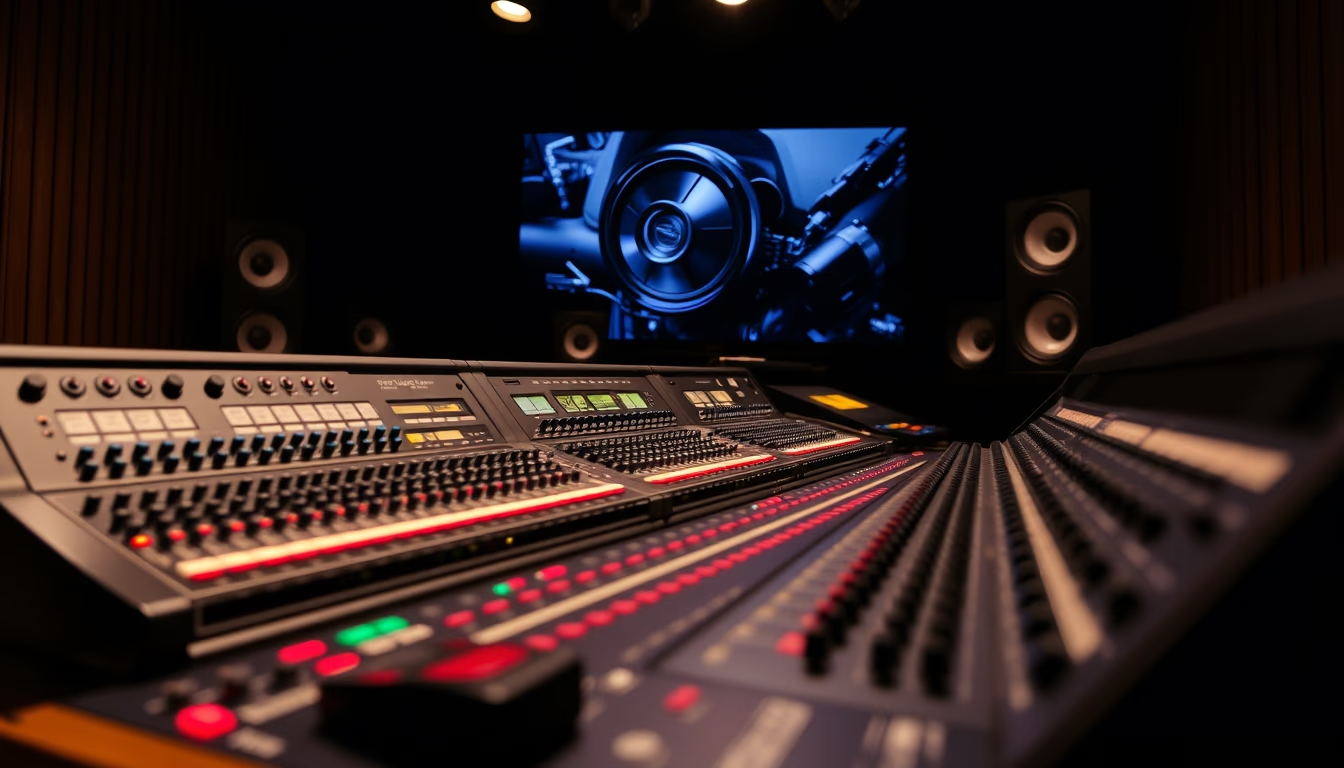
The DAT (Digital Audio Tape) format is a digital magnetic tape recording technology developed by Sony and introduced in 1987. Unlike analog cassette tapes, DAT used PCM (Pulse Code Modulation) to store audio digitally, offering quality equivalent to that of a CD. The format quickly became a standard in recording studios, radio and TV production, and among musicians who needed portable high-fidelity recording.
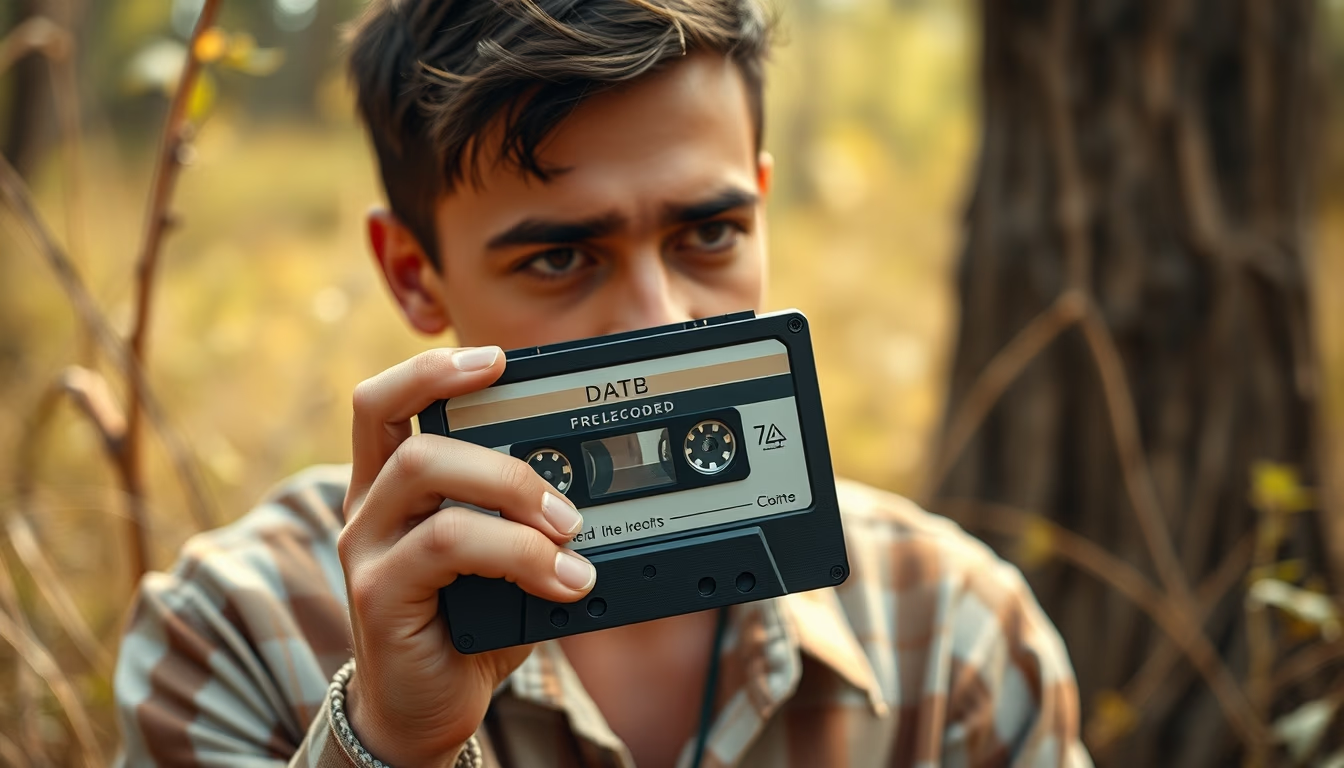
DAT recorders were compact and lightweight, allowing up to two hours of recording on tapes that fit in the palm of your hand. They were used for both mastering and live audio capture. The DAT tape was 3.81 mm wide (same as a standard cassette) but featured a high-coercivity metal particle layer, enabling much higher bit density. The helical scan head rotation, similar to that of VCRs, ensured high data transfer rates.
However, DAT faced challenges. It never gained widespread consumer adoption, partly due to high equipment costs and lobbying from the recording industry that feared perfect digital copies. The introduction of formats like MiniDisc and later hard drive and flash memory recording sealed DAT's fate. By the early 2000s, production ceased.
Today, DAT is remembered as an important transitional technology. Many historical recordings remain on DAT tapes, and preserving these archives is a challenge due to the obsolescence of playback mechanisms. Collectors and enthusiasts keep the memory of this format alive, which represented the pinnacle of digital magnetic recording before the era of lossless audio files.
Frequently Asked Questions
What is the difference between a DAT recorder and a common cassette tape recorder?
DAT records audio digitally (PCM), while cassette tape uses analog signal. DAT offers CD-quality sound, no hiss or degradation, and higher storage density.
Is DAT still used today?
Professional use of DAT has been replaced by hard drive, flash memory, or computer-based digital recorders. However, many DAT tapes still contain historical recordings and are preserved by archives and collectors.
Why did DAT not become popular among ordinary consumers?
Besides high cost, the recording industry lobbied to prevent consumers from making perfect digital copies, limiting adoption. The rise of MiniDisc and MP3 also contributed to its decline.
Direct URL
https://pub-c7d6a6ea828543ac903a74a341ccb2e1.r2.dev/imagens/dat-tape-recorder-lo-fi-disposable-camera-fresh2.avifHow to credit
Include a visible link back to UtilizAí. Copy one of the snippets below:
<a href="https://xn--utiliza-eza.com/en/midia/imagens/dat-tape-recorder-lo-fi-disposable-camera-fresh2">Dat tape recorder</a> by <a href="https://xn--utiliza-eza.com">UtilizAí</a>, licensed under <a href="https://creativecommons.org/licenses/by/4.0/">CC BY 4.0</a>.
[Dat tape recorder](https://xn--utiliza-eza.com/en/midia/imagens/dat-tape-recorder-lo-fi-disposable-camera-fresh2) by [UtilizAí](https://xn--utiliza-eza.com), CC BY 4.0
License: CC-BY-4.0