Dat tape recorder
1344×768 · AVIF · CC BY 4.0
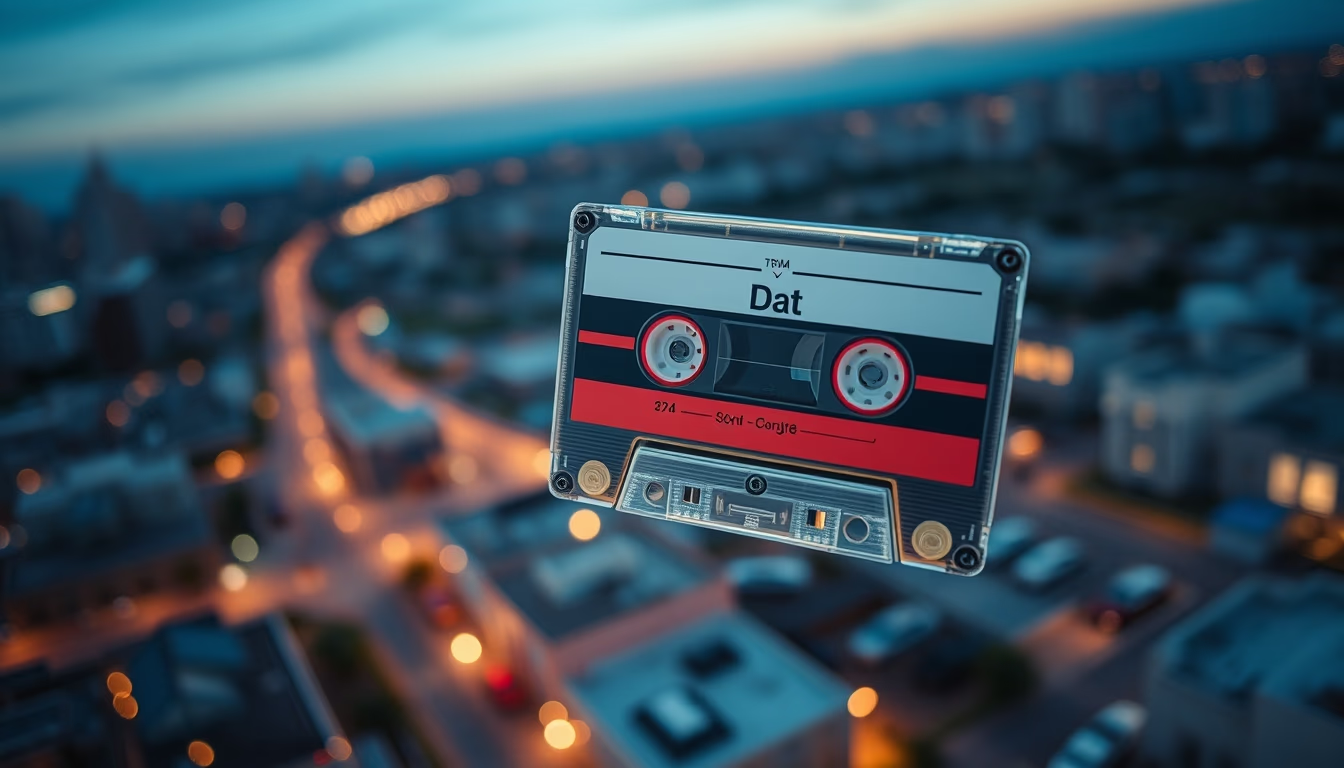
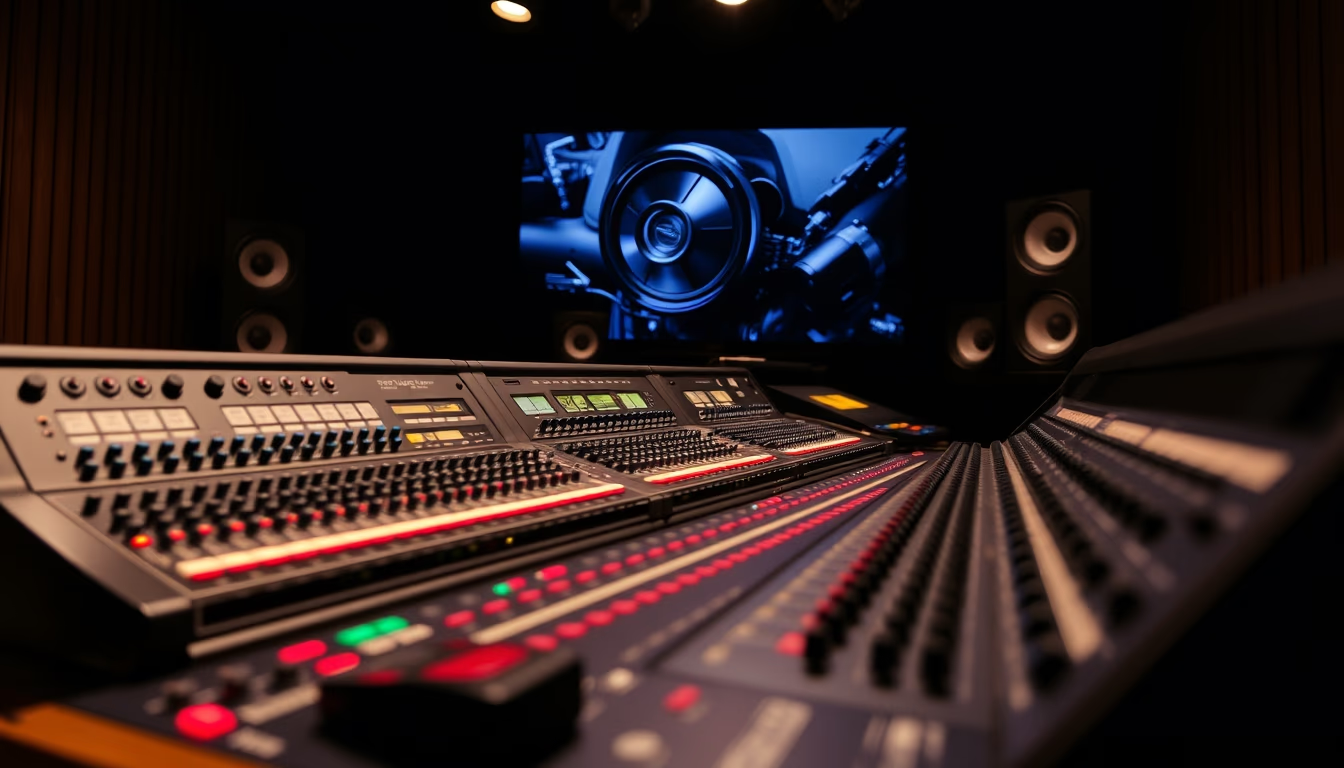
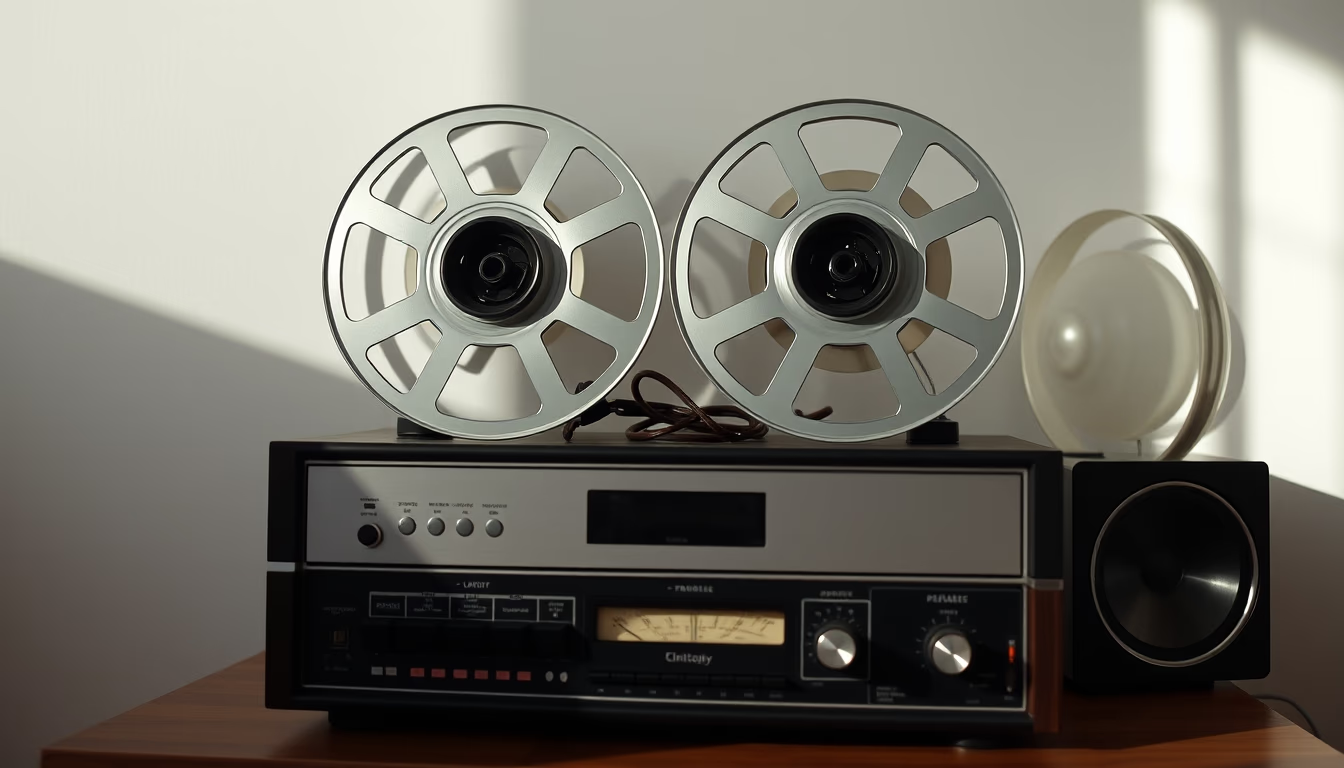
O gravador DAT revolucionou a gravação de áudio digital profissional nos anos 90, oferecendo qualidade superior em formato compacto.
Sobre o tema
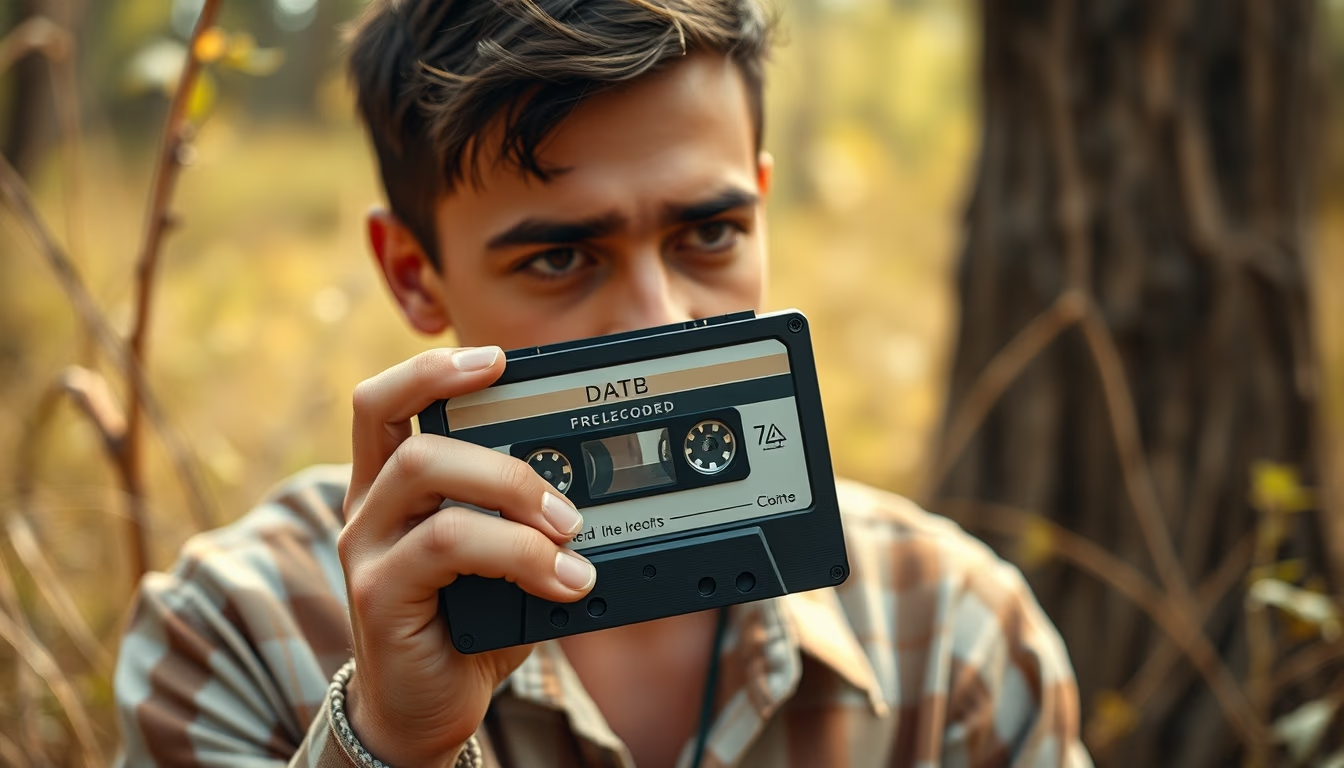
O DAT (Digital Audio Tape) foi introduzido em 1987 pela Sony e Philips como um formato de gravação digital. Utilizava uma técnica de varredura helicoidal semelhante aos videocassetes, armazenando áudio PCM de 16 bits e 44,1 kHz em uma fita cassete pequena. Tornou-se padrão em masterização profissional, gravação de campo e arquivamento por permitir cópias perfeitas e sem perdas. Diferentemente das fitas cassete analógicas, que se degradavam, e dos CD-Rs, que não eram regraváveis, o DAT oferecia gravação digital regravável com qualidade impecável.
Os gravadores DAT possuíam recursos como timestamping, TOC (table of contents) e entrada/saída S/PDIF. Eram amplamente utilizados em estúdios de gravação, rádio, TV e por músicos para capturar performances com alta fidelidade. A mídia DAT era compacta e fácil de armazenar, tornando-a popular para backups de sessões de áudio.
No entanto, o DAT enfrentou desafios. O SCMS (Serial Copy Management System) foi implementado para evitar cópias digitais sucessivas, o que irritou muitos usuários. Além disso, o surgimento de gravadores de disco rígido, gravadores de CD-R e, posteriormente, gravadores baseados em memória flash e cartões SD tornaram o DAT obsoleto. Por volta dos anos 2000, a produção de fitas DAT diminuiu drasticamente.
Apesar da obsolescência, o DAT ainda é relevante para a restauração de arquivos de áudio históricos. Museus, bibliotecas e arquivos de som possuem coleções significativas de fitas DAT que precisam ser digitalizadas com equipamentos especializados. Em alguns nichos, como gravação de música clássica e etnomusicologia, o DAT ainda é usado por sua robustez e qualidade.
Perguntas frequentes
Qual a diferença entre DAT e fita cassete comum?
A fita cassete comum é analógica e sofre degradação a cada reprodução, enquanto a DAT é digital, gravando áudio PCM bit a bit sem perda de qualidade ao longo do tempo.
Quanto tempo de gravação cabia em uma fita DAT?
Uma fita DAT padrão (120 minutos) podia gravar até 2 horas de áudio estéreo com qualidade de CD (16 bits/44,1 kHz).
O DAT ainda é usado hoje?
Sim, embora raramente em novos projetos. É utilizado principalmente para recuperar e digitalizar arquivos antigos de áudio, como em acervos de bibliotecas e estúdios.
URL direta
https://pub-c7d6a6ea828543ac903a74a341ccb2e1.r2.dev/imagens/dat-tape-recorder-aerial-drone-shot-fresh12.avifComo creditar
Inclua um link visível de volta pro UtilizAí. Copie um dos snippets abaixo:
<a href="https://xn--utiliza-eza.com/midia/imagens/dat-tape-recorder-aerial-drone-shot-fresh12">Dat tape recorder</a> by <a href="https://xn--utiliza-eza.com">UtilizAí</a>, licensed under <a href="https://creativecommons.org/licenses/by/4.0/">CC BY 4.0</a>.
[Dat tape recorder](https://xn--utiliza-eza.com/midia/imagens/dat-tape-recorder-aerial-drone-shot-fresh12) by [UtilizAí](https://xn--utiliza-eza.com), CC BY 4.0
Licença: CC-BY-4.0