Cyanobacteria filament
1344×768 · AVIF · CC BY 4.0
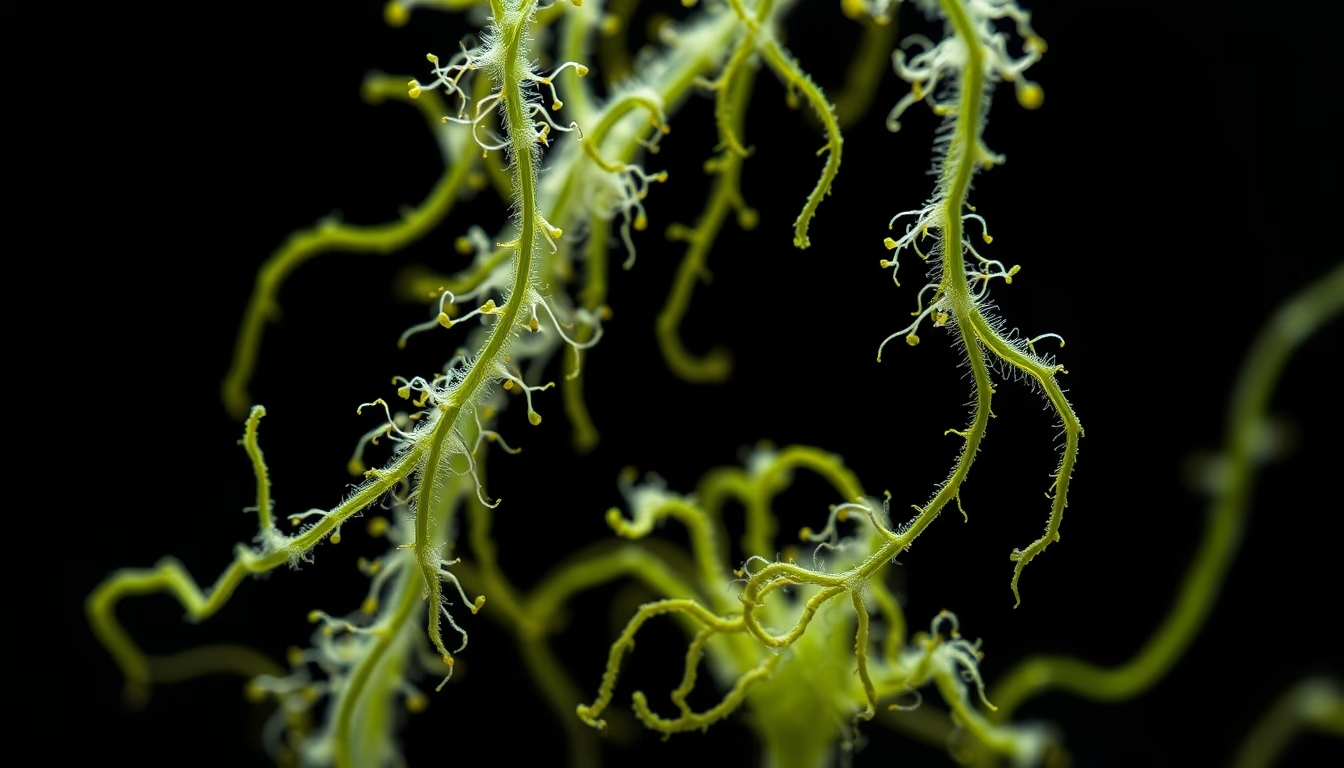
Filamentous cyanobacteria are photosynthetic microorganisms that form cellular chains, crucial for Earth's evolutionary history.
About this subject
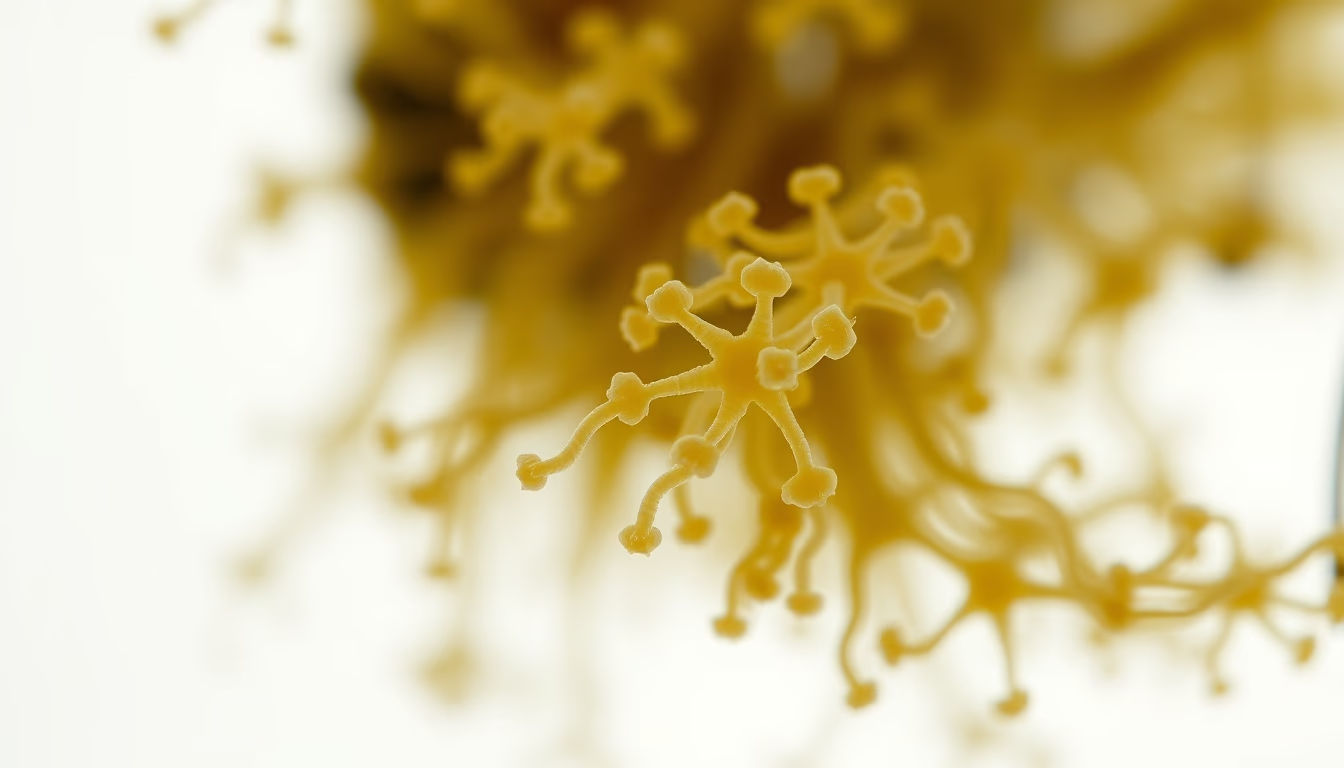
Cyanobacteria, also known as blue-green algae, are photosynthetic prokaryotes that have existed for about 3.5 billion years. Among their most common forms are filamentous cyanobacteria, which organize into long chains of cells called trichomes. These structures are typical of genera such as Anabaena, Nostoc, and Oscillatoria, found in aquatic environments, soil, and even symbioses with plants. Filamentation enhances light and nutrient capture efficiency and enables cell differentiation, such as heterocyst formation in some species.
Heterocysts are specialized cells for atmospheric nitrogen fixation, a vital process in ecosystems with low nitrogen availability. This ability makes filamentous cyanobacteria important for soil fertility and biogeochemical cycles. However, under eutrophic conditions, such as excess phosphorus in lakes and reservoirs, some species can proliferate and form harmful algal blooms. These events release toxins like microcystins, contaminating water and posing risks to human and animal health.
Historically, cyanobacteria were responsible for the Great Oxidation Event about 2.4 billion years ago, which transformed Earth's atmosphere. Today, they are studied for biotechnological applications, including biofuel production, biofertilizers, and dietary supplements (e.g., Spirulina, a non-toxic filamentous cyanobacterium). Microscopic observation of cyanobacterial filaments reveals fascinating morphological diversity, with variations in thickness, septation, and presence of mucilaginous sheaths.
Frequently Asked Questions
What are filamentous cyanobacteria?
They are photosynthetic bacteria that grow in chains of cells (trichomes). Examples include Anabaena and Spirulina, found in freshwater, seawater, and soil.
Are filamentous cyanobacteria dangerous?
Some species produce toxins (microcystins) that can contaminate drinking water during blooms. Others, like Spirulina, are safe and used as supplements.
What is the ecological importance of filamentous cyanobacteria?
They fix atmospheric nitrogen, contribute to soil fertility, and were crucial for oxygenating Earth's early atmosphere.
Direct URL
https://pub-c7d6a6ea828543ac903a74a341ccb2e1.r2.dev/imagens/cyanobacteria-filament-studio-still-life-fresh2.avifHow to credit
Include a visible link back to UtilizAí. Copy one of the snippets below:
<a href="https://xn--utiliza-eza.com/en/midia/imagens/cyanobacteria-filament-studio-still-life-fresh2">Cyanobacteria filament</a> by <a href="https://xn--utiliza-eza.com">UtilizAí</a>, licensed under <a href="https://creativecommons.org/licenses/by/4.0/">CC BY 4.0</a>.
[Cyanobacteria filament](https://xn--utiliza-eza.com/en/midia/imagens/cyanobacteria-filament-studio-still-life-fresh2) by [UtilizAí](https://xn--utiliza-eza.com), CC BY 4.0
License: CC-BY-4.0