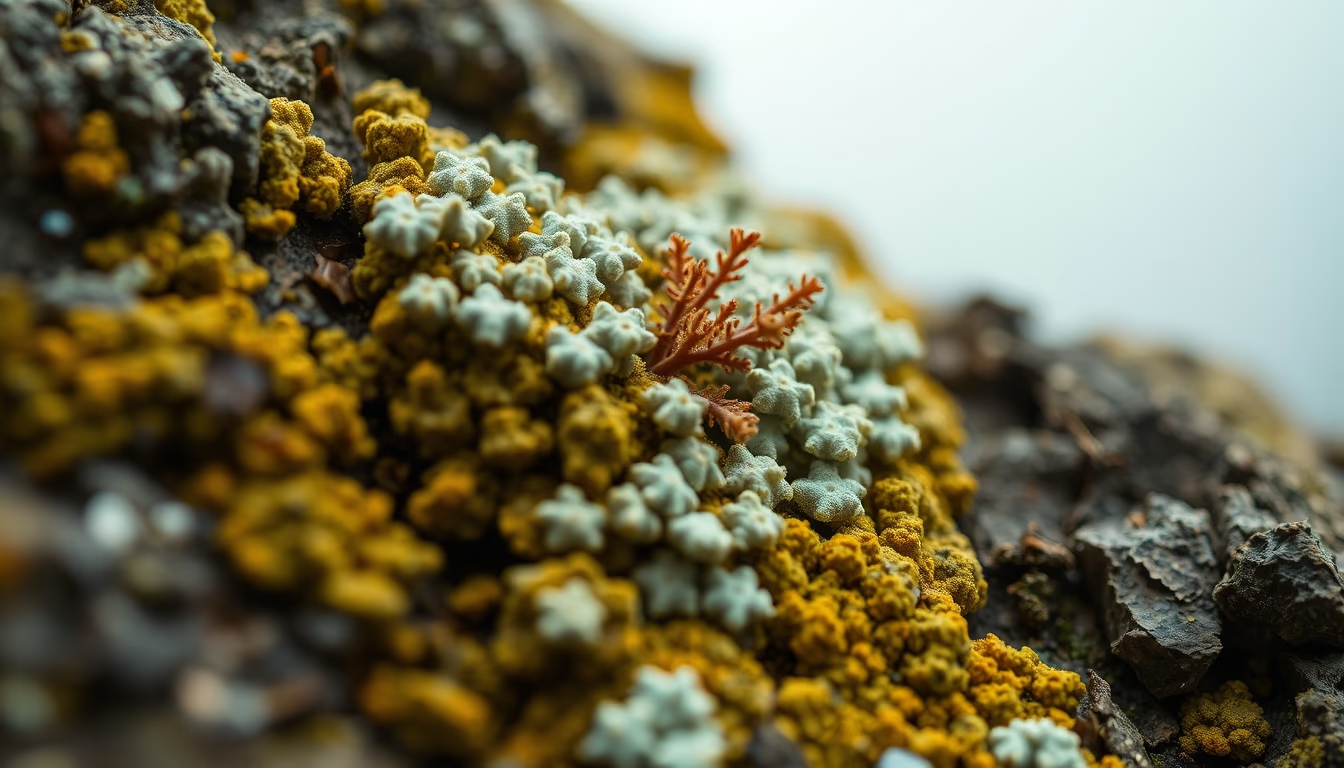
Cyanobacteria filament
1344×768 · AVIF · CC BY 4.0
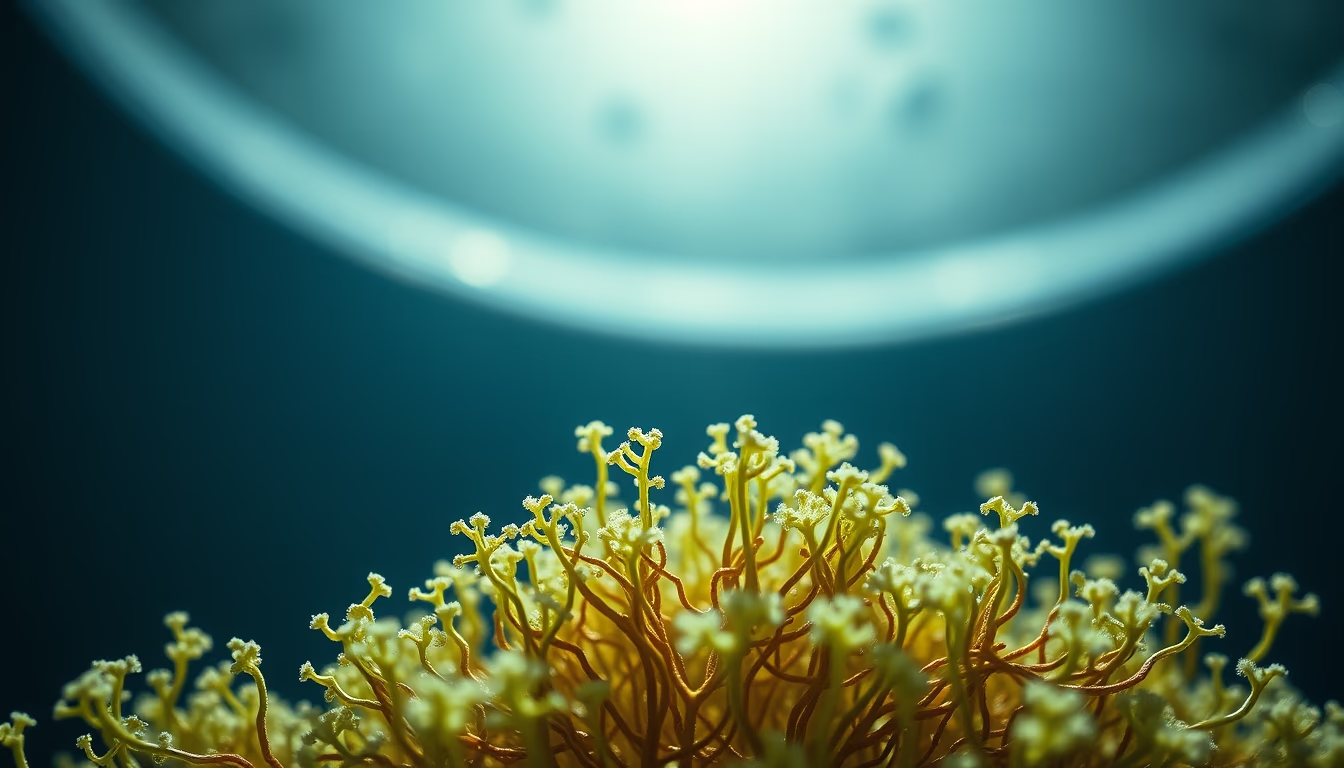
Filamentous cyanobacteria are ancient microorganisms capable of photosynthesis and nitrogen fixation, essential for aquatic and terrestrial ecosystems.
About this subject
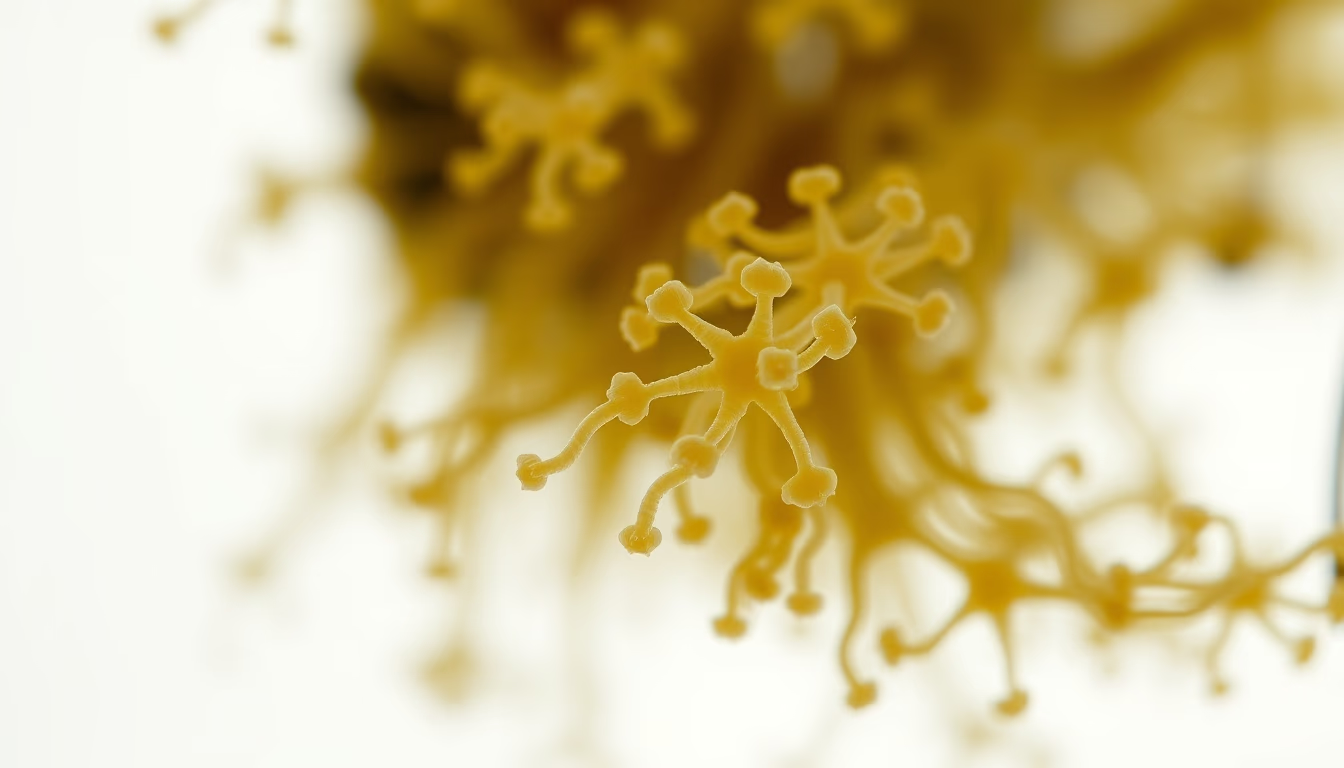
Filamentous cyanobacteria, also known as blue-green algae, are a group of Gram-negative bacteria that perform oxygenic photosynthesis. Their characteristic filamentous morphology, called trichomes, can be seen in colonies or individually. Common genera include Anabaena, Nostoc, and Oscillatoria, forming chains of cells connected by cell walls or mucilaginous sheaths.
These organisms are extremely ancient, with fossil records of stromatolites dating back 3.5 billion years. They were responsible for the Great Oxygenation Event that transformed Earth's early atmosphere. Today, they inhabit fresh and salt water, soil, rocks, and extreme environments such as hot springs and deserts. Many species possess heterocysts, specialized cells for atmospheric nitrogen fixation, giving them an ecological advantage in nitrogen-poor environments.
Filamentous cyanobacteria have great ecological and economic importance. They form the base of food webs in aquatic environments and contribute to soil fertility. However, under eutrophic conditions, they can overgrow and form harmful algal blooms. These blooms release toxins such as microcystins and saxitoxins, contaminating drinking water, causing fish kills, and posing risks to human and animal health. Monitoring and controlling these blooms are significant environmental challenges.
Furthermore, filamentous cyanobacteria are explored biotechnologically. They produce bioactive compounds with pharmaceutical potential, such as antiviral and anticancer agents. They are also used in biofuel production, biofertilizers, and as nutritional supplements (e.g., spirulina, a filamentous cyanobacterium of the genus Arthrospira). Studying their biodiversity and metabolism opens doors to sustainable applications.
Frequently Asked Questions
What are filamentous cyanobacteria?
They are photosynthetic bacteria that form chains of cells called trichomes. They are found in diverse environments, perform oxygenic photosynthesis, and some fix nitrogen.
Are filamentous cyanobacteria dangerous?
Some species produce potent toxins like microcystins, which can cause liver and neurological damage in animals and humans. Harmful cyanobacterial blooms contaminate water bodies and require monitoring.
What is the ecological importance of filamentous cyanobacteria?
They are primary producers in aquatic ecosystems, fix atmospheric nitrogen, and contribute to nutrient cycling. They are also used in biotechnology for biofuel production and bioactive compounds.
Direct URL
https://pub-c7d6a6ea828543ac903a74a341ccb2e1.r2.dev/imagens/cyanobacteria-filament-minimalist-composition-fresh13.avifHow to credit
Include a visible link back to UtilizAí. Copy one of the snippets below:
<a href="https://xn--utiliza-eza.com/en/midia/imagens/cyanobacteria-filament-minimalist-composition-fresh13">Cyanobacteria filament</a> by <a href="https://xn--utiliza-eza.com">UtilizAí</a>, licensed under <a href="https://creativecommons.org/licenses/by/4.0/">CC BY 4.0</a>.
[Cyanobacteria filament](https://xn--utiliza-eza.com/en/midia/imagens/cyanobacteria-filament-minimalist-composition-fresh13) by [UtilizAí](https://xn--utiliza-eza.com), CC BY 4.0
License: CC-BY-4.0