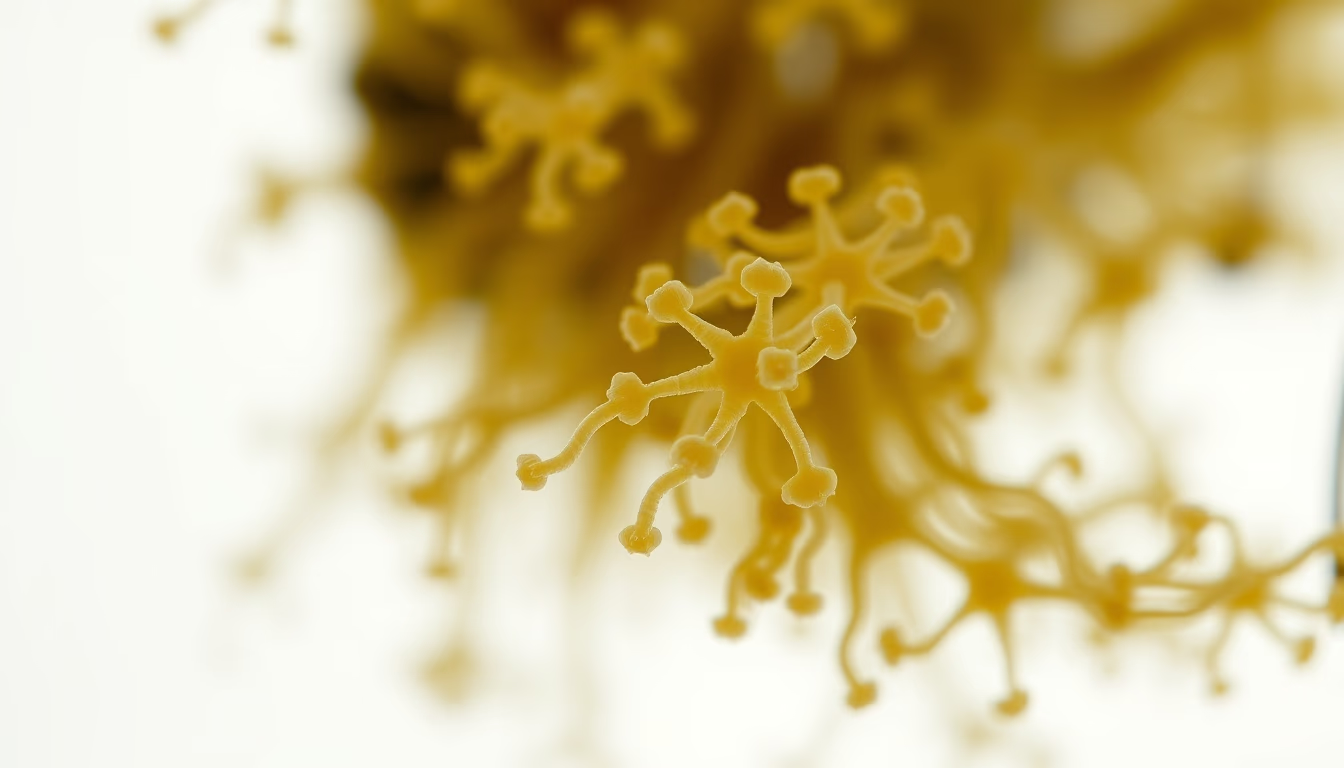
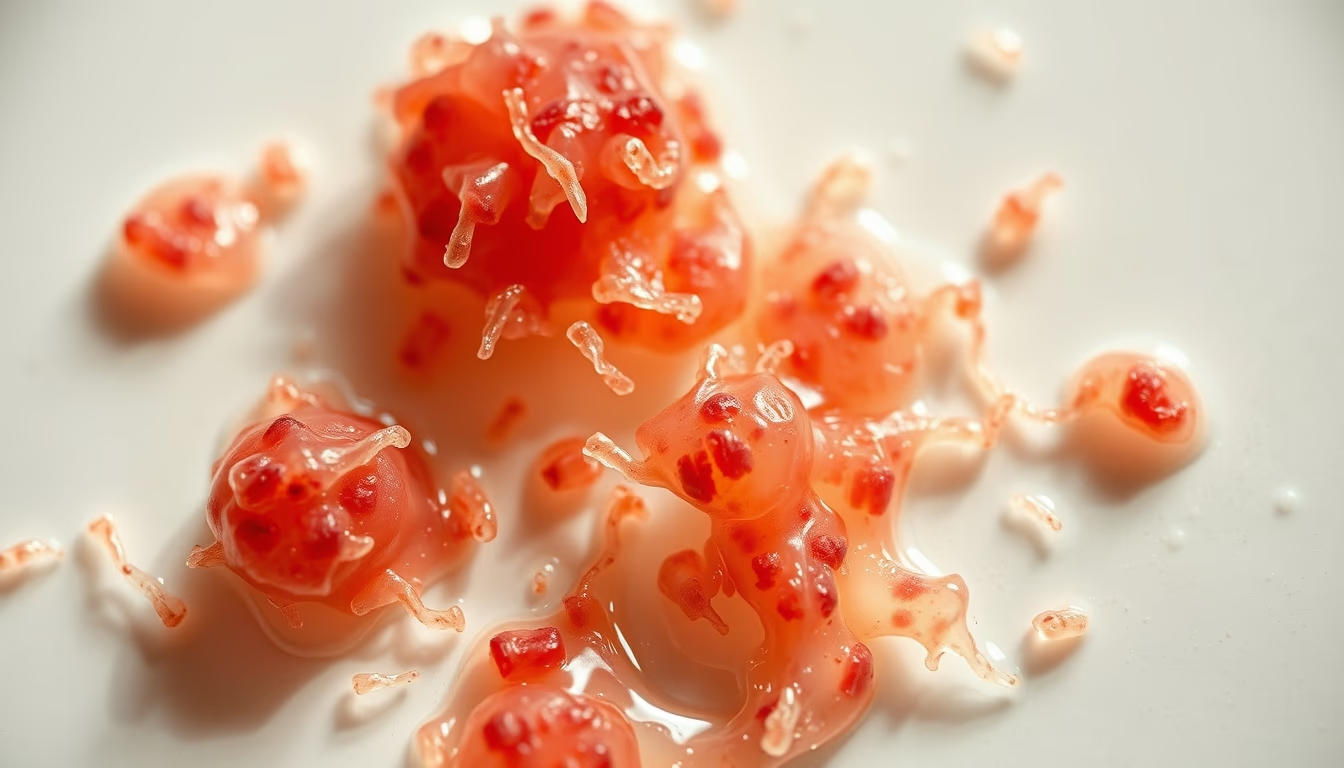
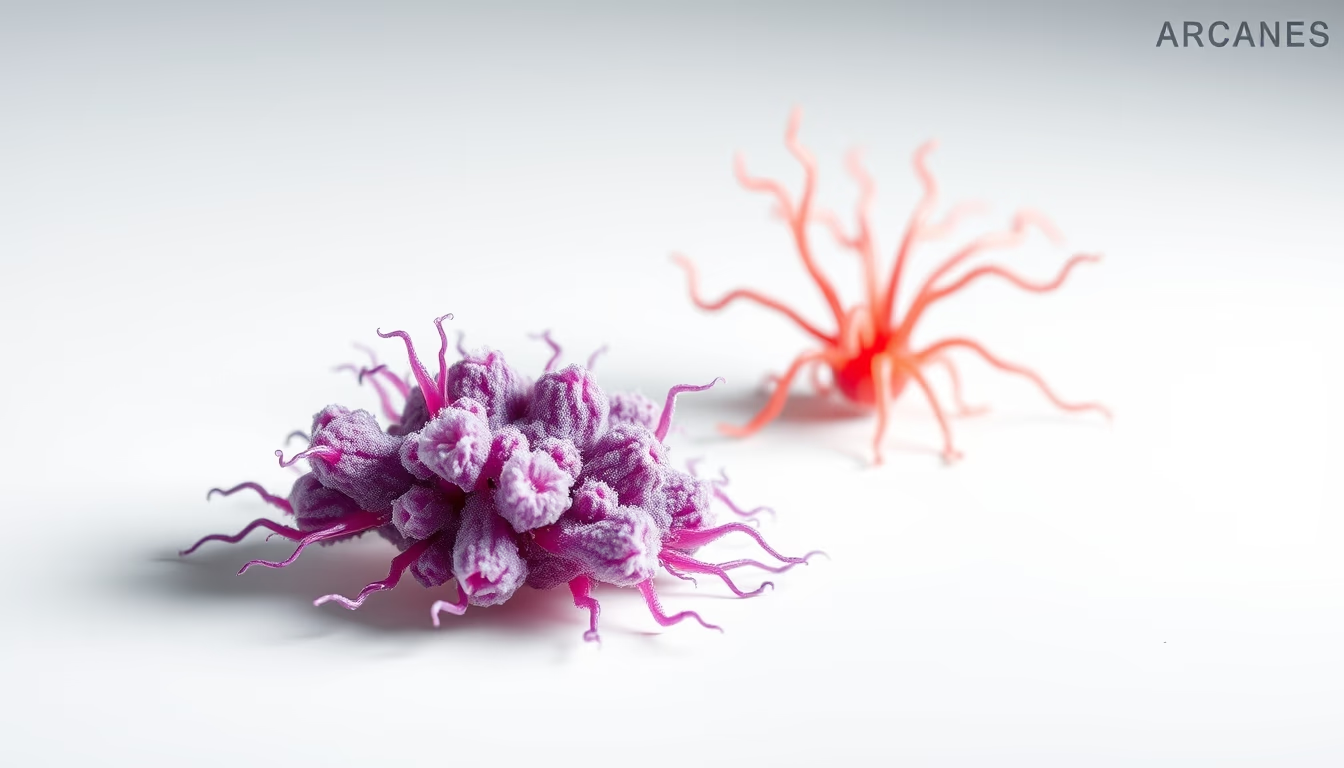
Cyanobacteria filament
1344×768 · AVIF · CC BY 4.0

Filamentous cyanobacteria are photosynthetic prokaryotes inhabiting aquatic and terrestrial environments, playing a key role in oxygen production and nitrogen fixation.
About this subject
Filamentous cyanobacteria are among the oldest organisms on Earth, with fossil records dating back 3.5 billion years. These prokaryotes perform oxygenic photosynthesis and were responsible for the Great Oxygenation Event that transformed the early atmosphere. Structurally, they form chains of cells (trichomes) surrounded by mucilaginous sheaths, and some develop specialized heterocysts for nitrogen fixation.
Common genera include Nostoc, Anabaena, and Oscillatoria. Nostoc forms gelatinous colonies in moist soils and can fix nitrogen in symbiosis with plants. Anabaena is frequent in aquatic ecosystems and may form toxic blooms in eutrophic waters. Oscillatoria exhibits characteristic oscillatory movement under the microscope.
Ecologically, these cyanobacteria contribute to primary productivity in lakes and oceans but can cause water quality problems when overabundant. Certain species produce potent toxins such as microcystins, affecting human and animal health. Economically, cyanobacteria are sources of dietary supplements like Spirulina (Arthrospira), rich in protein and nutrients.
In research, filamentous cyanobacteria serve as models for studying the evolution of photosynthesis, cell biology, and biotechnology, including biofuel production and bioactive compounds. Their ability to thrive in extreme environments, such as hot springs and deserts, makes them organisms of great astrobiological interest.
Frequently Asked Questions
What are filamentous cyanobacteria?
They are photosynthetic prokaryotes that grow in chains of cells called trichomes. They are found in various aquatic and terrestrial environments, and some fix atmospheric nitrogen.
Are filamentous cyanobacteria dangerous?
Some species produce toxins such as microcystins, which can contaminate drinking water and cause liver problems in humans and animals. Toxic blooms are monitored in reservoirs.
Why are filamentous cyanobacteria important?
They were crucial for the oxygenation of early Earth. Today, they participate in nutrient cycling, are used as food (Spirulina), and in research for biofuels and bioprospecting.
Direct URL
https://pub-c7d6a6ea828543ac903a74a341ccb2e1.r2.dev/imagens/cyanobacteria-filament-film-grain-authentic-fresh0.avifHow to credit
Include a visible link back to UtilizAí. Copy one of the snippets below:
<a href="https://xn--utiliza-eza.com/en/midia/imagens/cyanobacteria-filament-film-grain-authentic-fresh0">Cyanobacteria filament</a> by <a href="https://xn--utiliza-eza.com">UtilizAí</a>, licensed under <a href="https://creativecommons.org/licenses/by/4.0/">CC BY 4.0</a>.
[Cyanobacteria filament](https://xn--utiliza-eza.com/en/midia/imagens/cyanobacteria-filament-film-grain-authentic-fresh0) by [UtilizAí](https://xn--utiliza-eza.com), CC BY 4.0
License: CC-BY-4.0