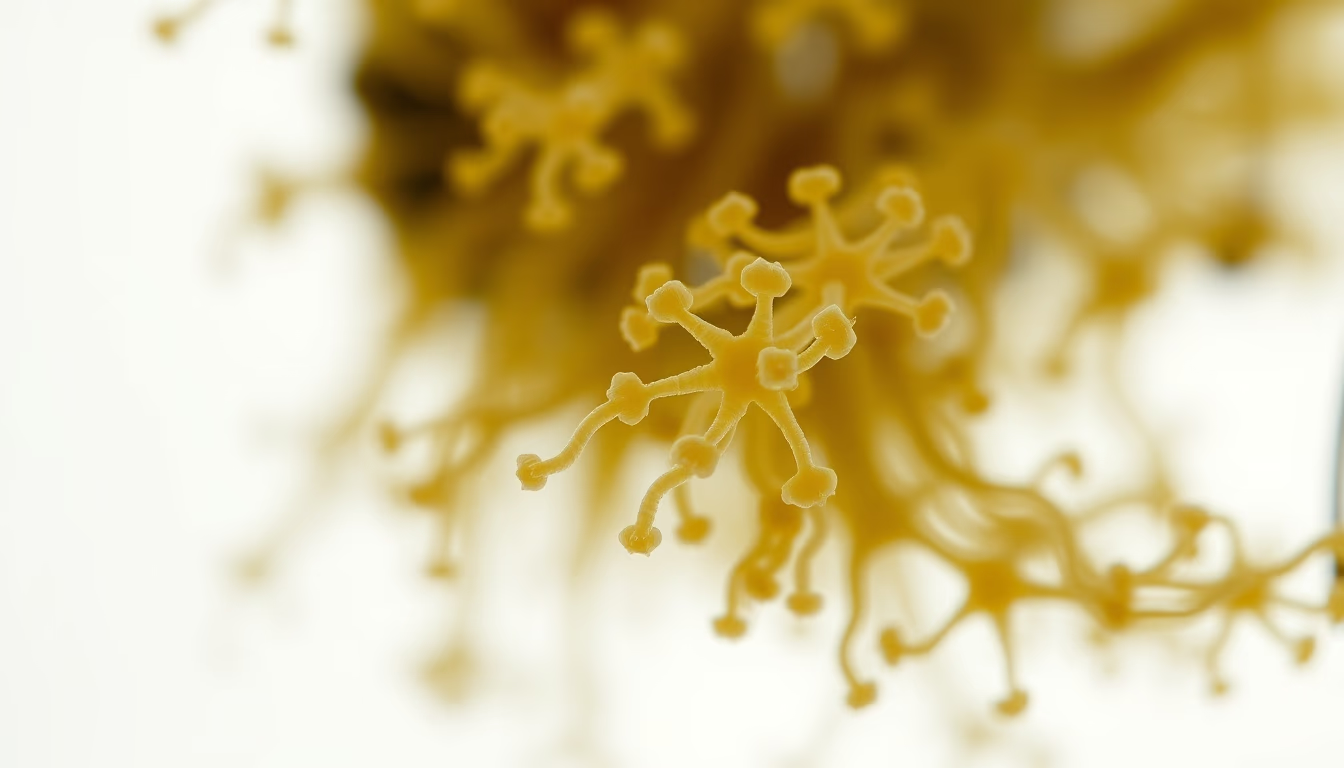
Cyanobacteria filament
1344×768 · AVIF · CC BY 4.0
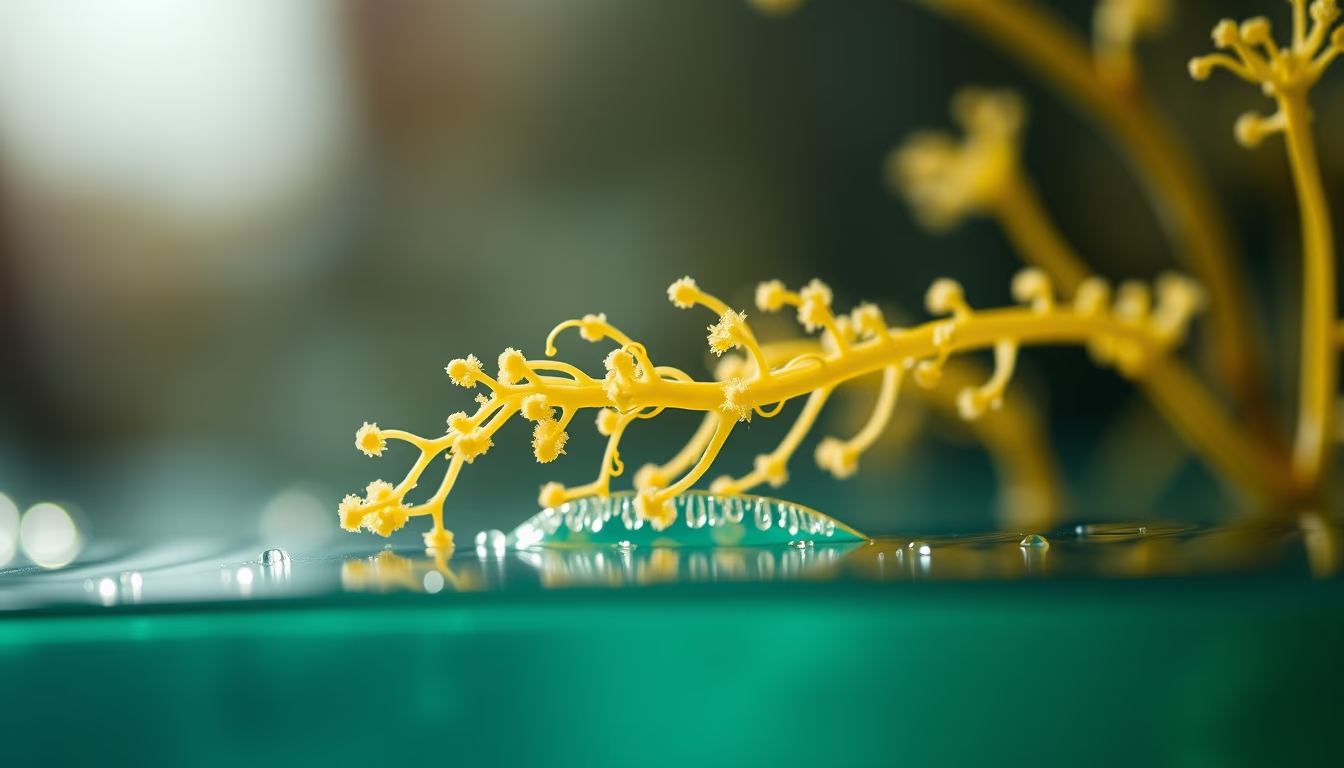
Filamentous cyanobacteria are photosynthetic prokaryotes forming cellular chains, found in aquatic and terrestrial environments, playing a crucial role in nitrogen fixation and oxygen production.
About this subject
Filamentous cyanobacteria, also known as blue-green algae, are photosynthetic prokaryotes that form chains called trichomes, which may be straight, coiled, or branched. These microorganisms are among the oldest on Earth, with fossil records dating back 3.5 billion years, and were responsible for the Great Oxidation Event approximately 2.4 billion years ago, which transformed the planet's atmosphere.
Many filamentous cyanobacteria possess specialized cells called heterocysts, where atmospheric nitrogen fixation occurs. This ability is vital for aquatic ecosystems, especially in lakes and oceans with low nitrogen availability. Common genera include Anabaena, Nostoc, and Oscillatoria. Anabaena is often studied for its symbiosis with water ferns like Azolla, used as a biofertilizer in rice paddies.
In Brazil, filamentous cyanobacteria are found in water bodies such as Lagoa dos Patos (RS) and the Amazon River, where they form blooms under eutrophic conditions. These blooms can produce dangerous toxins like microcystins, which contaminate drinking water and cause liver damage. Water quality monitoring is essential to prevent public health risks. Additionally, cyanobacteria are used in biotechnology for biofuel production, dietary supplements (like spirulina), and bioactive compounds.
Interestingly, some filamentous cyanobacteria exhibit gliding motility on solid surfaces by secreting mucilage. This mobility allows them to seek light and nutrients. Studies indicate that these organisms can survive extreme conditions, such as hot springs and polar regions, thanks to their metabolic versatility.
Frequently Asked Questions
What are heterocysts in filamentous cyanobacteria?
Heterocysts are specialized cells in filamentous cyanobacteria that perform atmospheric nitrogen fixation. They have thick walls protecting the nitrogenase enzyme from oxygen, enabling the conversion of N2 into ammonia.
Are filamentous cyanobacteria dangerous to health?
Some species produce toxins like microcystins and saxitoxins, which can contaminate drinking water and cause liver and neurological issues. Blooms in lakes and reservoirs require constant monitoring.
What is the economic importance of filamentous cyanobacteria?
They are used for dietary supplements (spirulina), biofertilizers (symbiosis with Azolla), biofuels, and bioactive compounds for pharmaceuticals. They also play a role in bioremediation of polluted environments.
Direct URL
https://pub-c7d6a6ea828543ac903a74a341ccb2e1.r2.dev/imagens/cyanobacteria-filament-documentary-photography-fresh8.avifHow to credit
Include a visible link back to UtilizAí. Copy one of the snippets below:
<a href="https://xn--utiliza-eza.com/en/midia/imagens/cyanobacteria-filament-documentary-photography-fresh8">Cyanobacteria filament</a> by <a href="https://xn--utiliza-eza.com">UtilizAí</a>, licensed under <a href="https://creativecommons.org/licenses/by/4.0/">CC BY 4.0</a>.
[Cyanobacteria filament](https://xn--utiliza-eza.com/en/midia/imagens/cyanobacteria-filament-documentary-photography-fresh8) by [UtilizAí](https://xn--utiliza-eza.com), CC BY 4.0
License: CC-BY-4.0