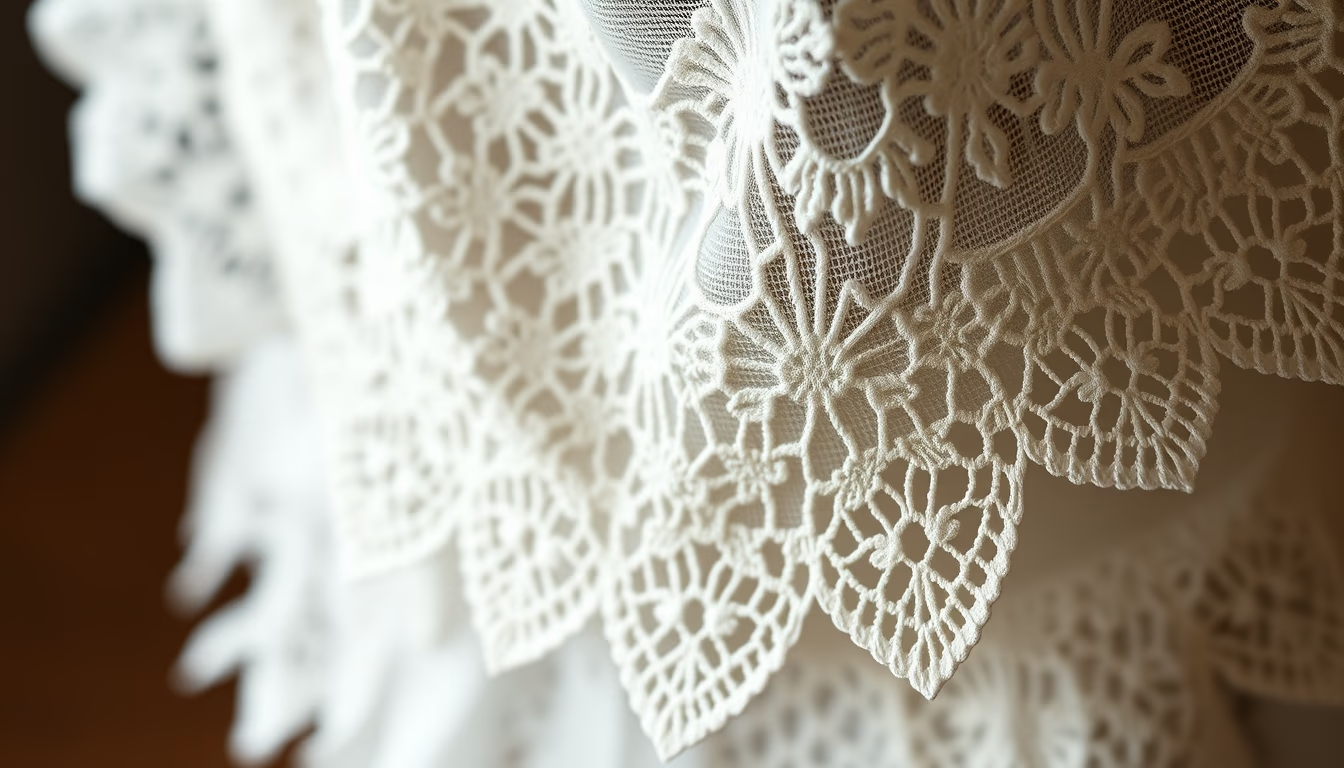
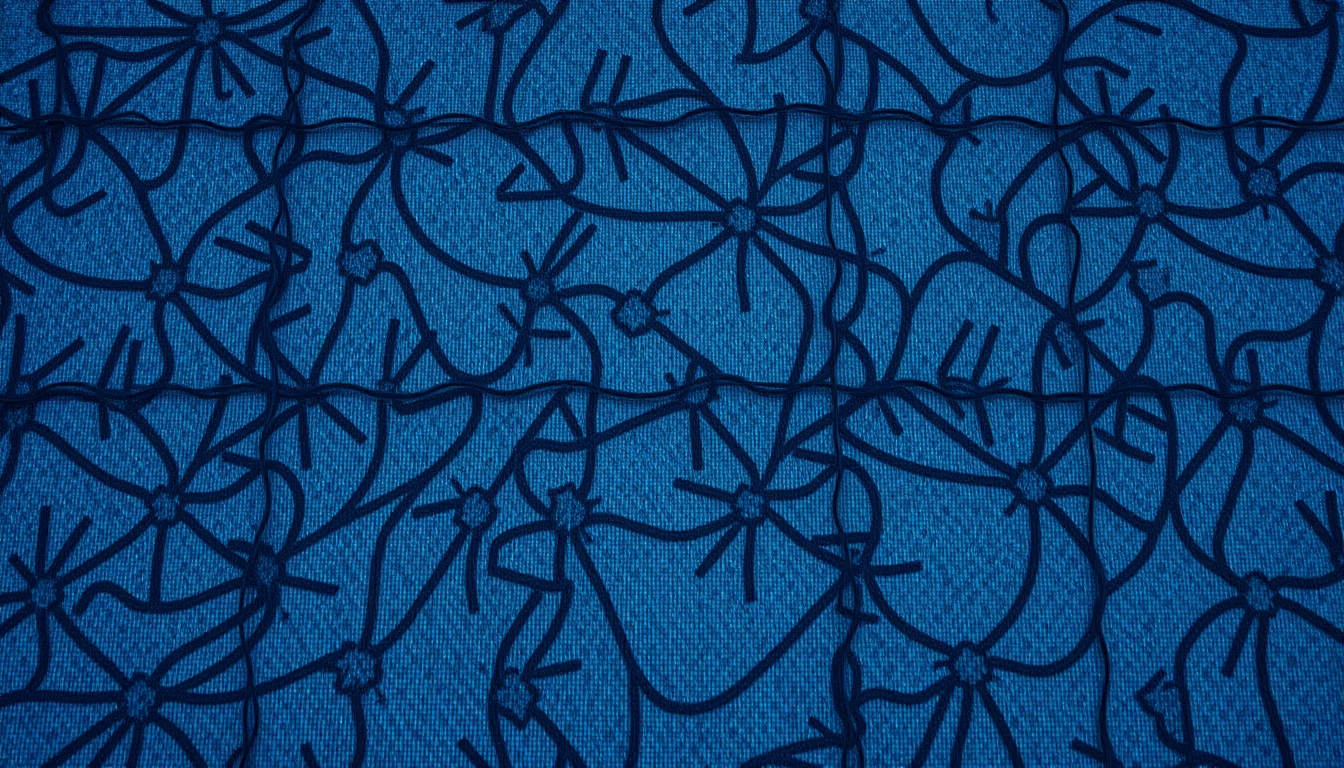
Crewel work wool
1344×768 · AVIF · CC BY 4.0
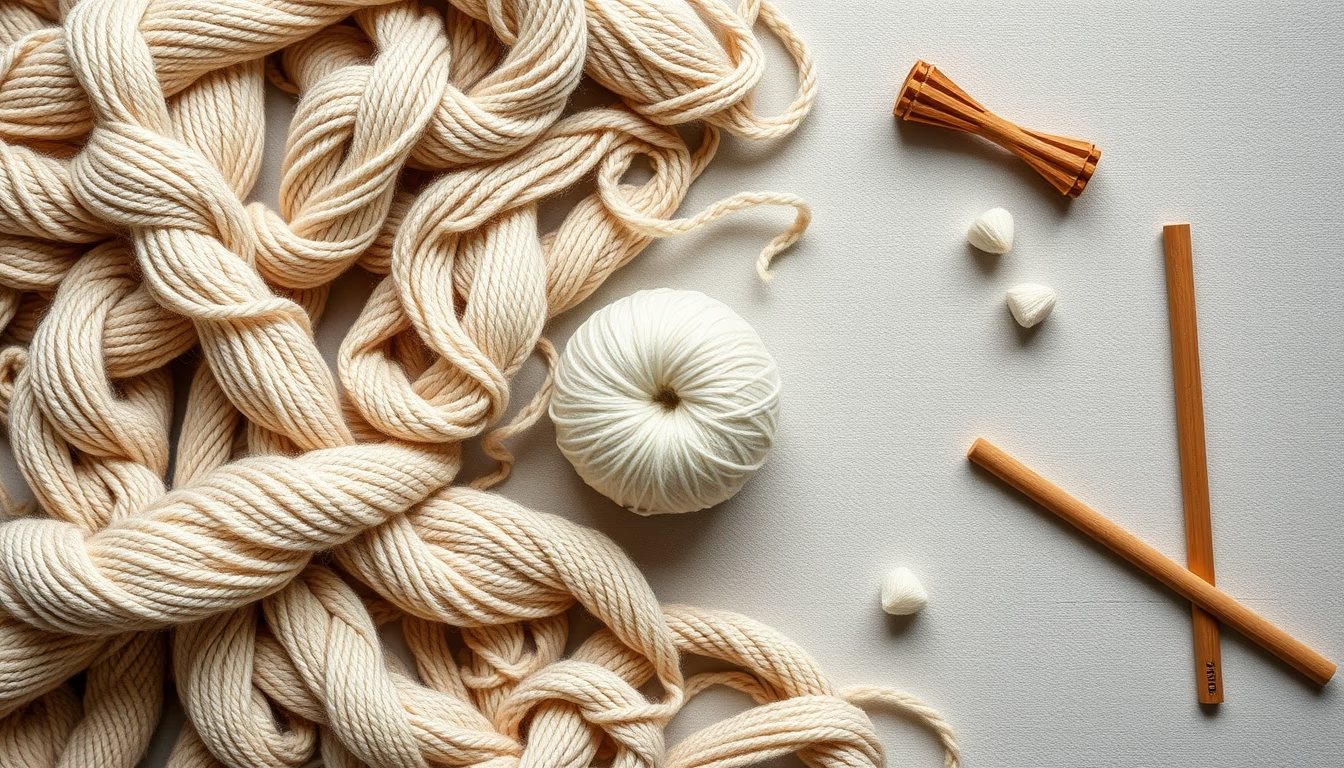
Crewel work, embroidery with twisted wool threads, stands out in English textile history since the 17th century, combining tradition and technique.
About this subject
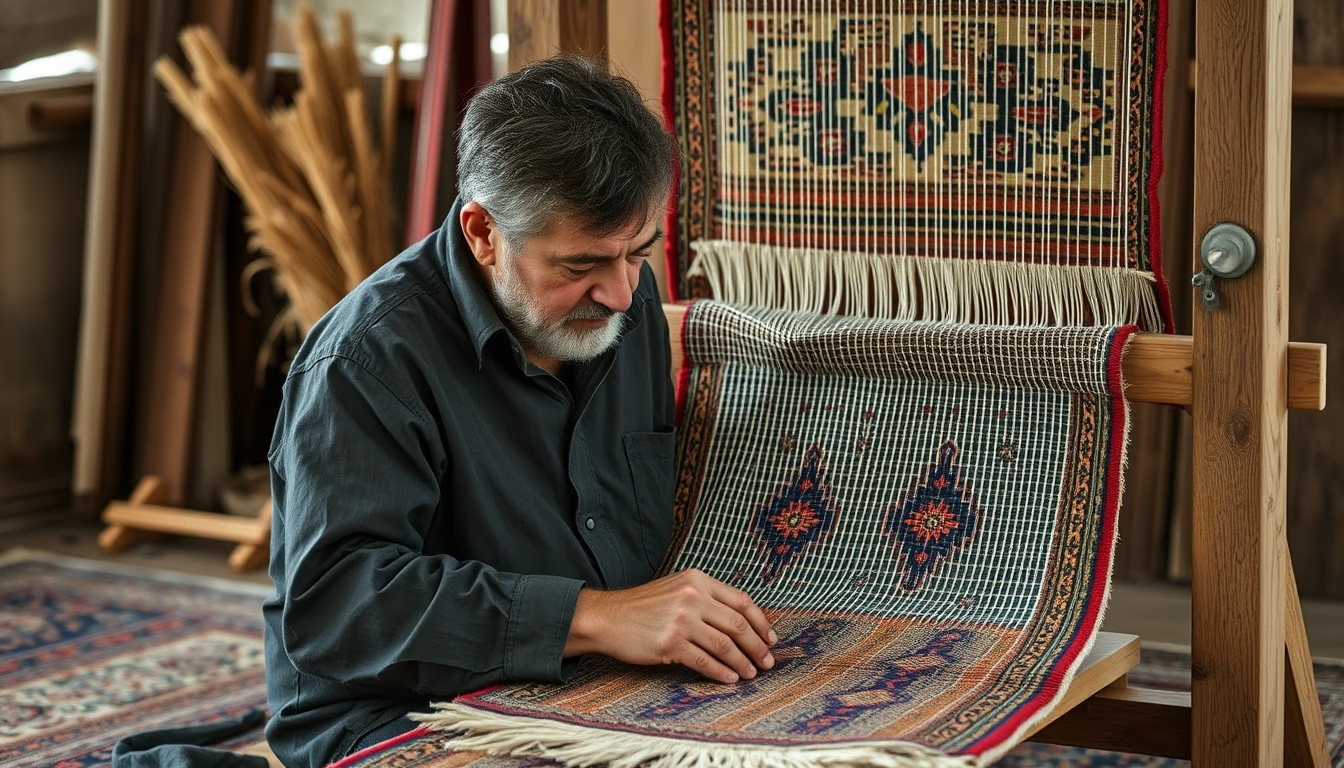
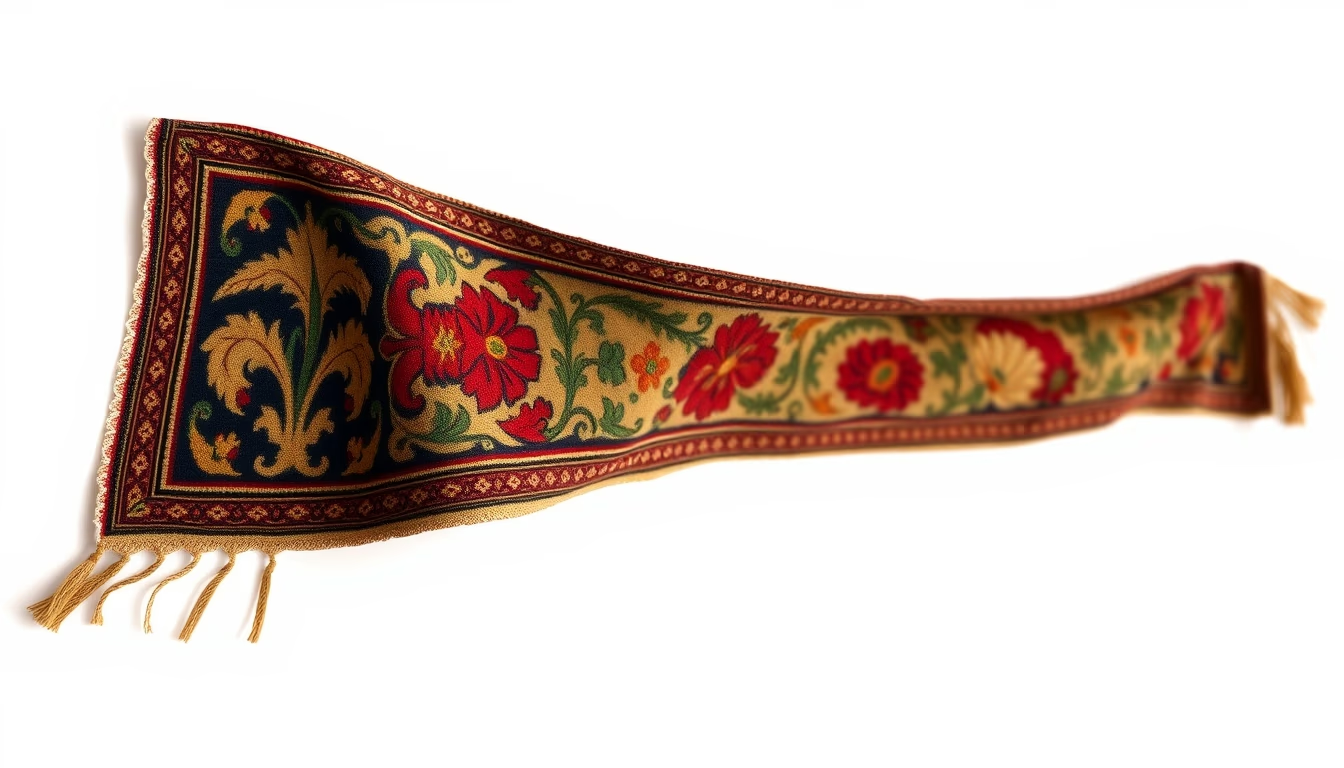
Crewel work is an embroidery technique using two-ply twisted wool threads on linen or cotton fabric. Originating in medieval England, it gained popularity in the 17th and 18th centuries for tapestries, clothing, and household items like curtains and cushions. Its hallmark is floral and arabesque motifs executed with stitches such as satin stitch, stem stitch, and chain stitch, creating texture and relief.
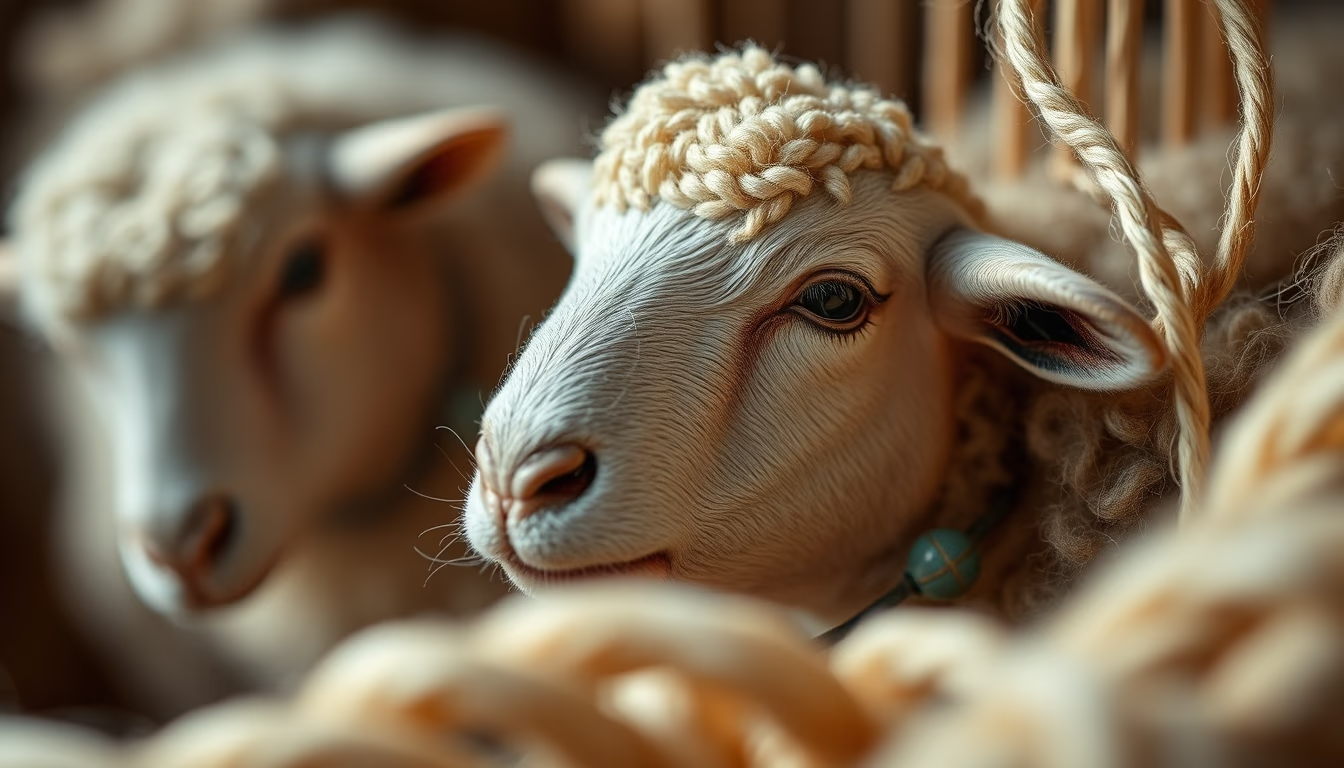
Crewel wool, sourced from sheep like Merino or Leicester, was dyed with natural pigments from plants such as madder (red), indigo (blue), and nettle (yellow). This vibrant palette of greens, blues, reds, and yellows distinguished crewel work from other embroidery. The term "crewel" derives from Old English "cleowen," meaning a ball of wool, highlighting the material's centrality.
Culturally, crewel work is deeply tied to English identity, exported to American colonies where it adapted local motifs. In the 19th century, it declined due to industrial production but revived in the 20th as valued craftsmanship. Today, enthusiasts worldwide preserve historical patterns by designers like William Morris of the Arts and Crafts movement.
Interestingly, the technique influenced Jacobean embroidery, which incorporates more ornate forms. While traditional crewel work uses wool, modern variations employ other threads. Crewel wool's thickness (typically 2/8 or 3/8) allows quick coverage and three-dimensional effects, making it ideal for decorative pieces and tapestries that withstand regular use.
Frequently Asked Questions
What is crewel work?
Crewel work is an embroidery technique using twisted wool threads (crewel wool) on linen or cotton fabric. Originating in 17th-18th century England, it features floral and arabesque motifs executed with textured stitches.
How is crewel wool different from other embroidery wools?
Crewel wool is typically 2-ply, thicker than common embroidery wool, allowing quick coverage and relief. It is often naturally dyed and has standard thicknesses of 2/8 or 3/8.
Where can I learn crewel work?
Online courses, specialized books, and craft stores sell kits with crewel wool and historical patterns. Organizations like the Embroiderers' Guild offer workshops and resources for beginners.
Direct URL
https://pub-c7d6a6ea828543ac903a74a341ccb2e1.r2.dev/imagens/crewel-work-wool-isometric-flat-lay-fresh10.avifHow to credit
Include a visible link back to UtilizAí. Copy one of the snippets below:
<a href="https://xn--utiliza-eza.com/en/midia/imagens/crewel-work-wool-isometric-flat-lay-fresh10">Crewel work wool</a> by <a href="https://xn--utiliza-eza.com">UtilizAí</a>, licensed under <a href="https://creativecommons.org/licenses/by/4.0/">CC BY 4.0</a>.
[Crewel work wool](https://xn--utiliza-eza.com/en/midia/imagens/crewel-work-wool-isometric-flat-lay-fresh10) by [UtilizAí](https://xn--utiliza-eza.com), CC BY 4.0
License: CC-BY-4.0