Coliseu de Roma interior
1344×768 · AVIF · CC BY 4.0
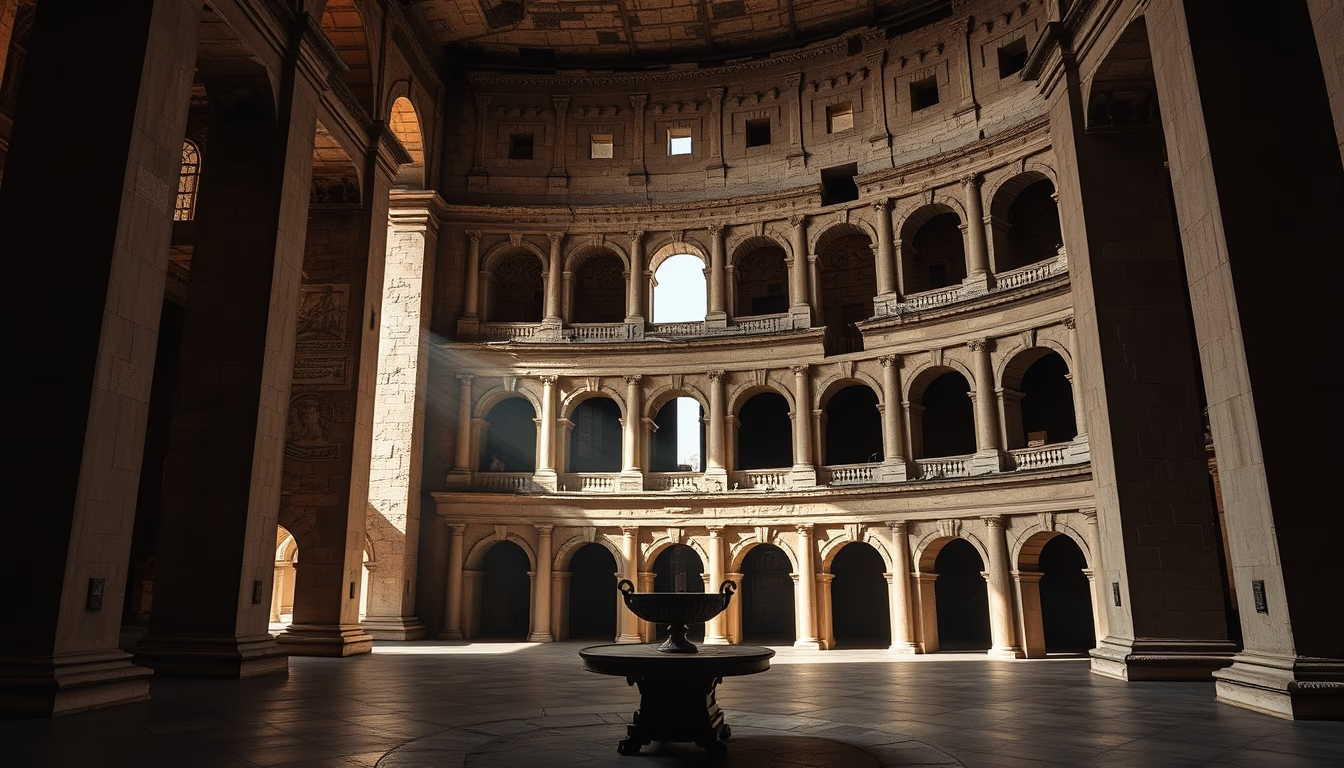
Explore a grandiosidade do interior do Coliseu de Roma, um anfiteatro que testemunhou séculos de história e entretenimento na Roma Antiga.
Sobre o tema
O Coliseu de Roma, também conhecido como Anfiteatro Flaviano, é um dos monumentos mais emblemáticos do mundo antigo. Inaugurado em 80 d.C., sua estrutura de concreto e pedra podia acomodar entre 50.000 e 80.000 espectadores, distribuídos em quatro níveis de arquibancadas. O interior revela um complexo sistema de corredores (vomitoria) e rampas que permitiam circulação eficiente da multidão. No centro, a arena era originalmente coberta por um piso de madeira sobre um hipogeu subterrâneo, onde gladiadores e animais aguardavam antes dos espetáculos. Esse subsolo, descoberto em escavações recentes, exibe uma rede de túneis e câmaras que impressiona visitantes até hoje.
A arquitetura do Coliseu reflete a engenharia romana em seu auge. O hipogeu, com cerca de 7 metros de profundidade, possuía elevadores e rampas para içar animais e cenários até a arena. As batalhas de gladiadores e as caçadas de feras (venationes) eram os principais entretenimentos, mas o local também sediou simulações de batalhas navais (naumachiae), inundando a arena. Com o tempo, o Coliseu sofreu danos por terremotos e saques, e parte de seu mármore foi reutilizada em construções posteriores, como a Basílica de São Pedro. Apesar disso, sua estrutura permanece como um testemunho da Roma imperial.
Atualmente, o interior passa por constantes restaurações. Uma das mais recentes, concluída em 2018, renovou o hipogeu para visitação pública, permitindo que turistas caminhem pelos mesmos corredores por onde gladiadores pisaram. Além disso, o monumento recebe iluminação noturna e abriga exposições temporárias sobre a história romana. Visitar o Coliseu é mergulhar em um passado de poder, violência e espetáculo, onde cada pedra conta uma história.
Curiosamente, o Coliseu deu nome a um hospital e a um estádio nos Estados Unidos, evidenciando sua influência cultural. Sua forma elíptica (com 188 metros de comprimento e 156 de largura) foi copiada em inúmeros estádios modernos. O interior, com suas ruínas bem preservadas, continua a inspirar arquitetos e historiadores, sendo um dos sítios arqueológicos mais visitados do mundo, com cerca de 7 milhões de visitantes por ano.
Perguntas frequentes
Qual era a capacidade de público do Coliseu?
O Coliseu podia abrigar entre 50.000 e 80.000 espectadores, sentados em arquibancadas de mármore divididas por classes sociais.
O que acontece hoje no interior do Coliseu?
Além de visitas turísticas, o Coliseu sedia exposições culturais e eventos noturnos. O hipogeu foi restaurado e está aberto ao público desde 2018.
O Coliseu foi usado para batalhas navais?
Sim, nos primeiros anos após sua inauguração, o Coliseu era inundado para simular batalhas navais, chamadas naumachiae, antes de o hipogeu ser construído para abrigar animais e gladiadores.
URL direta
https://pub-c7d6a6ea828543ac903a74a341ccb2e1.r2.dev/imagens/colosseum-rome-interior-studio-still-life-p5.avifComo creditar
Inclua um link visível de volta pro UtilizAí. Copie um dos snippets abaixo:
<a href="https://xn--utiliza-eza.com/midia/imagens/colosseum-rome-interior-studio-still-life-p5">Coliseu de Roma interior</a> by <a href="https://xn--utiliza-eza.com">UtilizAí</a>, licensed under <a href="https://creativecommons.org/licenses/by/4.0/">CC BY 4.0</a>.
[Coliseu de Roma interior](https://xn--utiliza-eza.com/midia/imagens/colosseum-rome-interior-studio-still-life-p5) by [UtilizAí](https://xn--utiliza-eza.com), CC BY 4.0
Licença: CC-BY-4.0