Colosseum rome interior
1344×768 · AVIF · CC BY 4.0
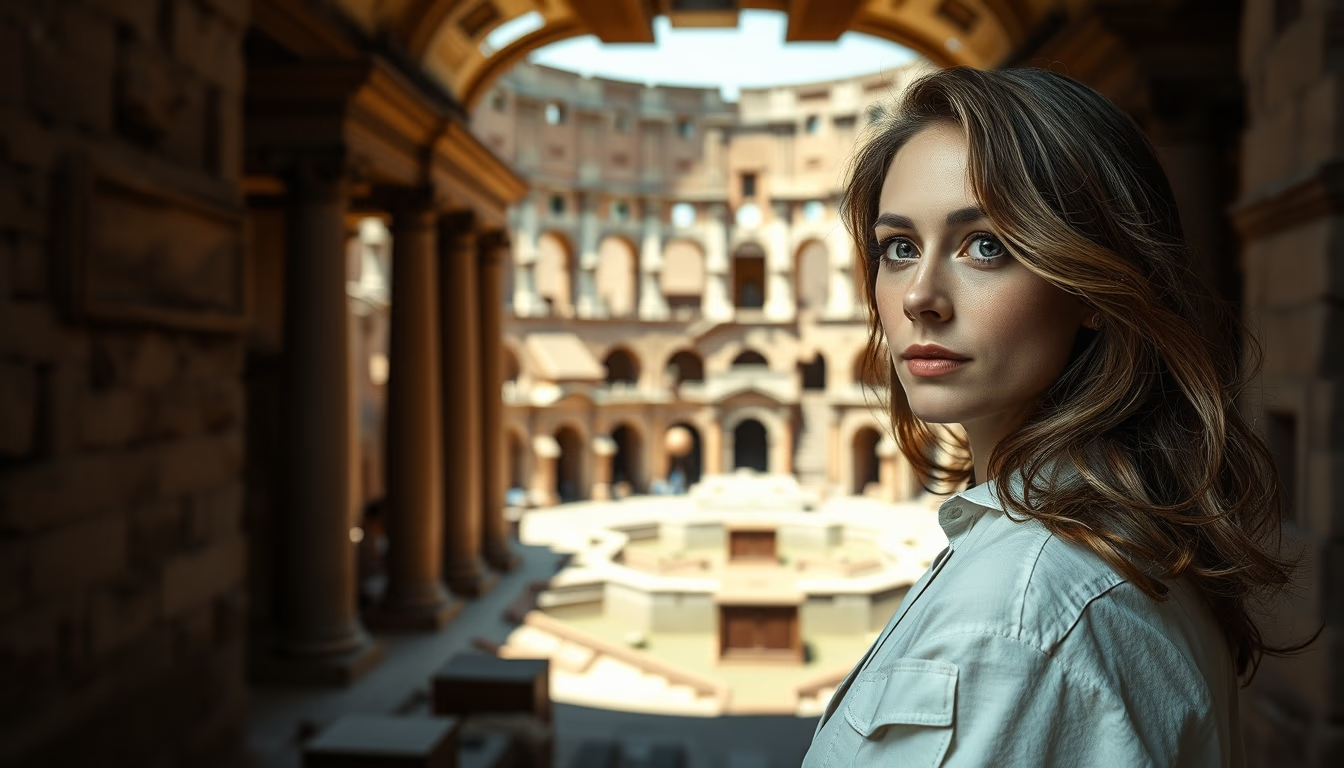
Explore the interior of the Colosseum in Rome, the largest amphitheater of Ancient Rome, stage for gladiators and public spectacles.
About this subject
The Colosseum in Rome, also known as the Flavian Amphitheatre, was built between 70 and 80 AD under emperors Vespasian and Titus. Located in the city center, it is the largest amphitheatre ever built in the Roman Empire, with an estimated capacity between 50,000 and 80,000 spectators. Its elliptical structure measures 189 meters in length, 156 meters in width, and 48 meters in height, comprised of four tiers of seating. The interior reveals a complex system of underground tunnels and chambers called the hypogeum, where gladiators and animals were kept before spectacles. The arena floor was covered with sand to absorb blood, and a retractable awning (velarium) protected the audience from the sun. For centuries, the Colosseum hosted gladiatorial combats, wild animal hunts, and public executions. After the fall of the Roman Empire, the building was abandoned and suffered looting, earthquakes, and reuse as a quarry. In the 18th century, Pope Benedict XIV consecrated the site as a memorial of Christian martyrs, initiating its preservation. Today, the Colosseum is one of the most visited monuments in the world and a symbol of Imperial Rome. Interestingly, the name 'Colosseum' derives from the colossal statue of Nero that once stood nearby. The restored interior allows visitors to walk through the seating tiers and the hypogeum, imagining the grandeur of the events that took place there.
Frequently Asked Questions
How many people could the Colosseum hold?
The Colosseum held approximately 50,000 to 80,000 spectators, distributed across four tiers of seating according to social class.
What happened in the underground area of the Colosseum?
The underground area, called the hypogeum, contained cells for gladiators, cages for animals, and elevator mechanisms that lifted participants to the arena during shows.
Why is the Colosseum called the Colosseum?
The name derives from the Colossus of Nero, a colossal statue of the emperor that once stood nearby. It was originally called the Flavian Amphitheatre.
Direct URL
https://pub-c7d6a6ea828543ac903a74a341ccb2e1.r2.dev/imagens/colosseum-rome-interior-studio-editorial-portrait-p12.avifHow to credit
Include a visible link back to UtilizAí. Copy one of the snippets below:
<a href="https://xn--utiliza-eza.com/en/midia/imagens/colosseum-rome-interior-studio-editorial-portrait-p12">Colosseum rome interior</a> by <a href="https://xn--utiliza-eza.com">UtilizAí</a>, licensed under <a href="https://creativecommons.org/licenses/by/4.0/">CC BY 4.0</a>.
[Colosseum rome interior](https://xn--utiliza-eza.com/en/midia/imagens/colosseum-rome-interior-studio-editorial-portrait-p12) by [UtilizAí](https://xn--utiliza-eza.com), CC BY 4.0
License: CC-BY-4.0