Coffee grinder antique
1344×768 · AVIF · CC BY 4.0
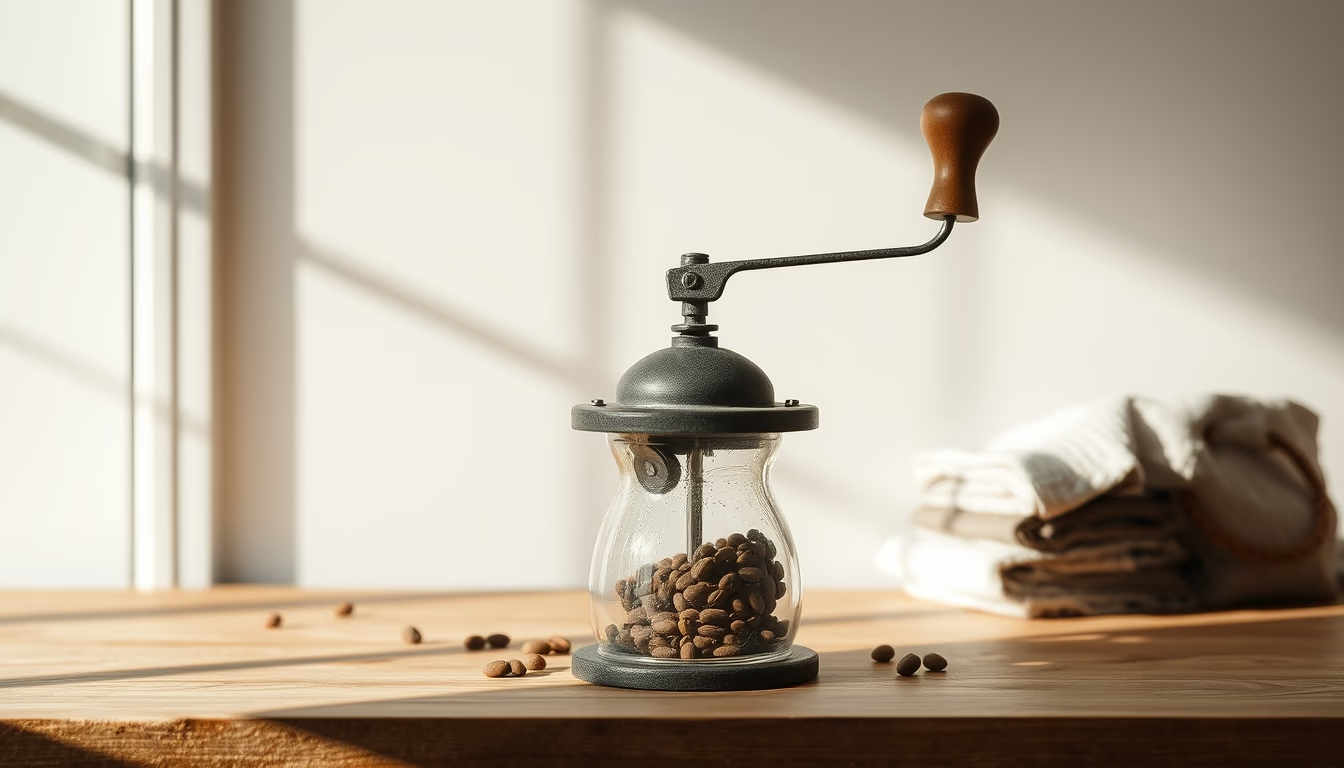
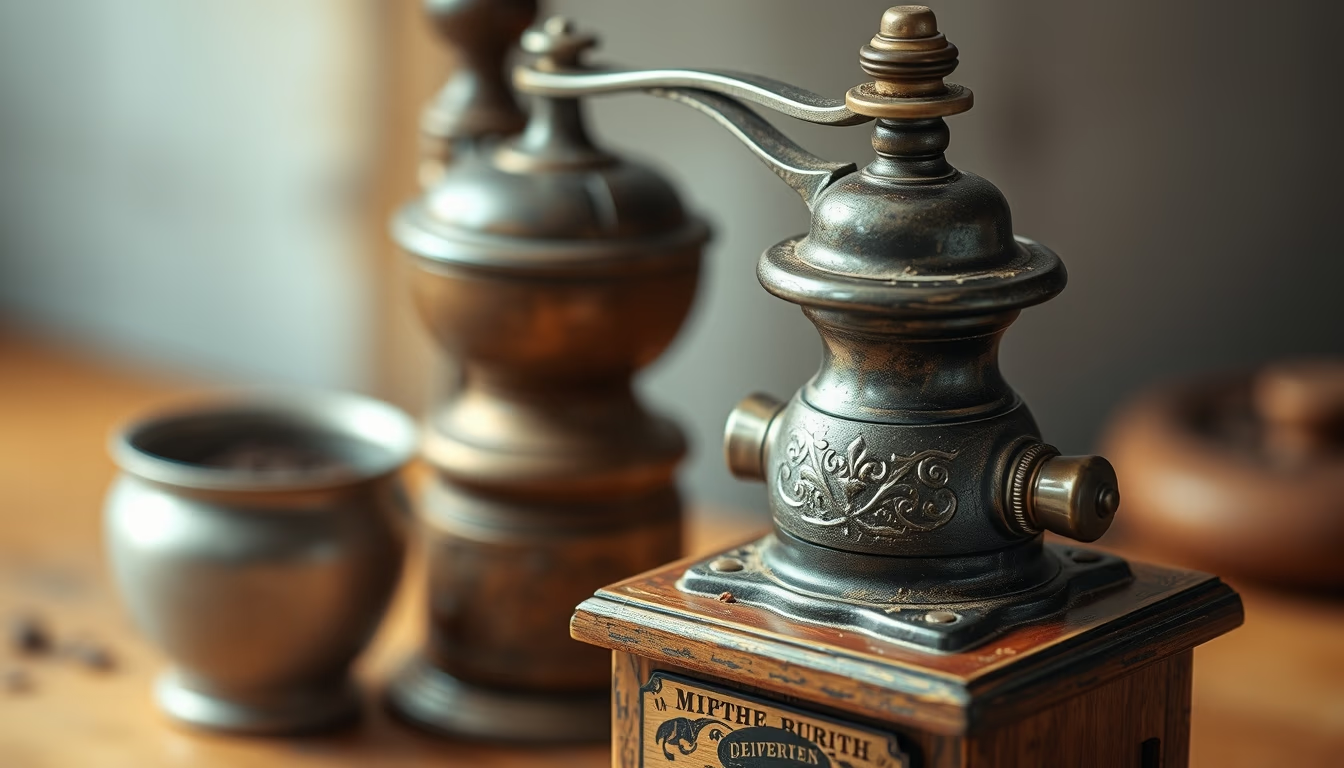
Antique coffee grinders blend functionality and design, becoming collectible pieces that tell the history of coffee consumption.
About this subject
Antique coffee grinders are witnesses to the evolution of coffee preparation over centuries. The first manual grinders appeared in the Middle East in the 17th century, inspired by Turkish methods of grinding beans with a mortar and pestle. In the 19th century, the Industrial Revolution spurred mass production, with companies like Peugeot (which manufactured grinders before producing automobiles) and Zassenhaus in Germany creating iconic models. These devices varied in form: box grinders, wall-mounted, drawer grinders, each with gear mechanisms and blades requiring manual effort.
The cultural significance of antique grinders goes beyond function. They were often displayed as decorative pieces in kitchens and living rooms, with finishes in wood, cast iron, and brass. The minimalist design of some models, such as those in Bauhaus or Art Deco style, reflects the pursuit of simplicity and efficiency. Today, these objects are valued by collectors and specialty coffee enthusiasts who seek to replicate the slow ritual of hand grinding.
Remarkably, many antique grinders still work perfectly if restored. Grind size adjustment was done via screws or nuts, and the durability of metal parts ensures they can be used again with maintenance. The 'minimalist composition' trend in the accompanying image reflects an appreciation for simple, timeless forms, a hallmark of certain early 20th-century grinders. Coffee, as a global commodity, finds in these grinders a link to the pre-industrial past.
Frequently Asked Questions
What is the difference between an antique and a modern coffee grinder?
Antique grinders are manual, made of materials like cast iron and wood, requiring physical effort to grind. Modern ones can be electric and have blades or conical burrs that offer greater precision in grind size.
How can I identify an original antique grinder?
Look for brands like Peugeot, Zassenhaus, or Enterprise Manfg. Co. Check for casting marks, original screws, and wood quality. Restored grinders may have replaced parts but can still be authentic.
Can antique grinders still be used to grind coffee?
Yes, many work after restoration. The conical or disc burr mechanism can be adjusted for different grind sizes, from fine to coarse. However, metal parts need cleaning and lubrication to avoid residue or rust.
Direct URL
https://pub-c7d6a6ea828543ac903a74a341ccb2e1.r2.dev/imagens/coffee-grinder-antique-minimalist-composition-p1.avifHow to credit
Include a visible link back to UtilizAí. Copy one of the snippets below:
<a href="https://xn--utiliza-eza.com/en/midia/imagens/coffee-grinder-antique-minimalist-composition-p1">Coffee grinder antique</a> by <a href="https://xn--utiliza-eza.com">UtilizAí</a>, licensed under <a href="https://creativecommons.org/licenses/by/4.0/">CC BY 4.0</a>.
[Coffee grinder antique](https://xn--utiliza-eza.com/en/midia/imagens/coffee-grinder-antique-minimalist-composition-p1) by [UtilizAí](https://xn--utiliza-eza.com), CC BY 4.0
License: CC-BY-4.0