Coffee beans roasting
1344×768 · AVIF · CC BY 4.0
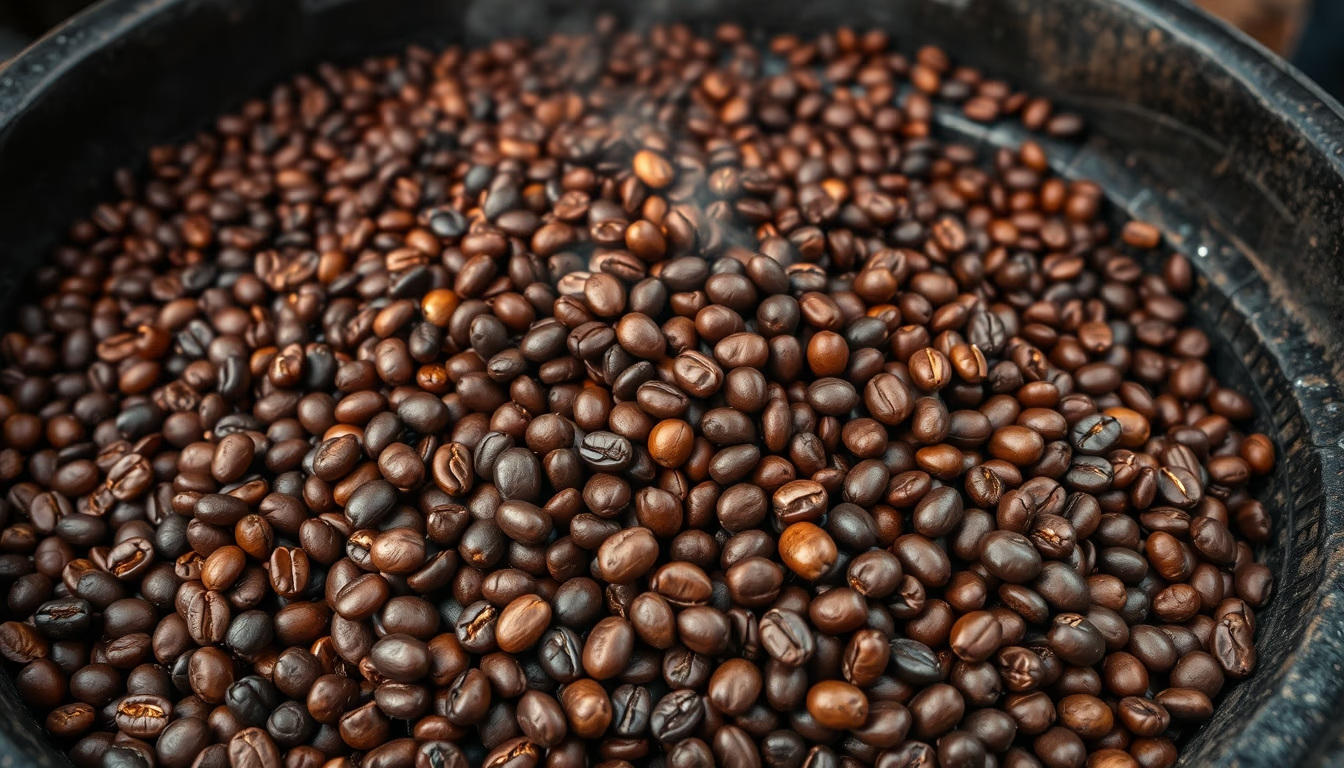
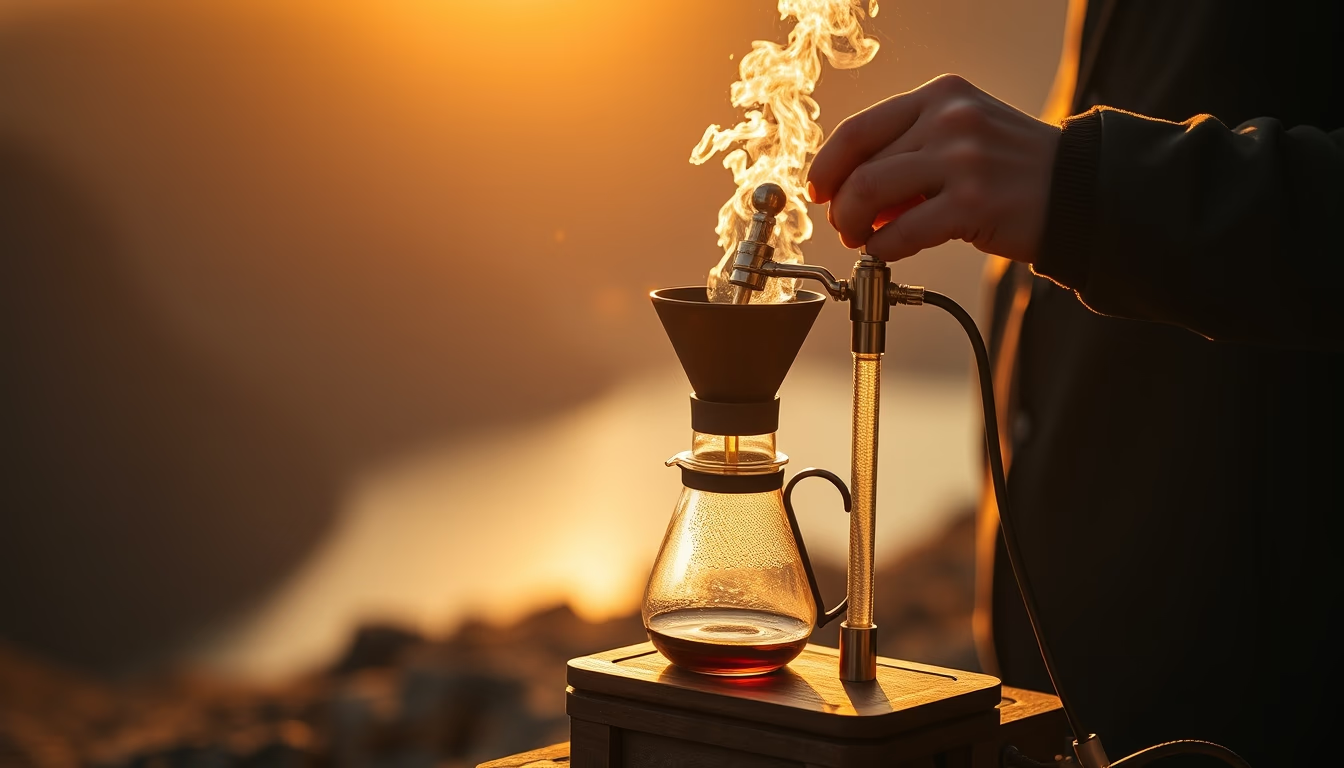
Coffee bean roasting is a thermal process that transforms green beans into aromatic coffee, defining flavor, body, and acidity.
About this subject
Coffee bean roasting is a crucial step in coffee production. Green beans, hard and odorless, are heated to temperatures between 180°C and 240°C in rotating drums or fluidized beds. During the process, complex chemical reactions occur: the Maillard reaction creates flavor and color compounds, and caramelization of sugars adds sweetness. Roasting also releases essential oils and forms carbon dioxide, which contributes to freshness.
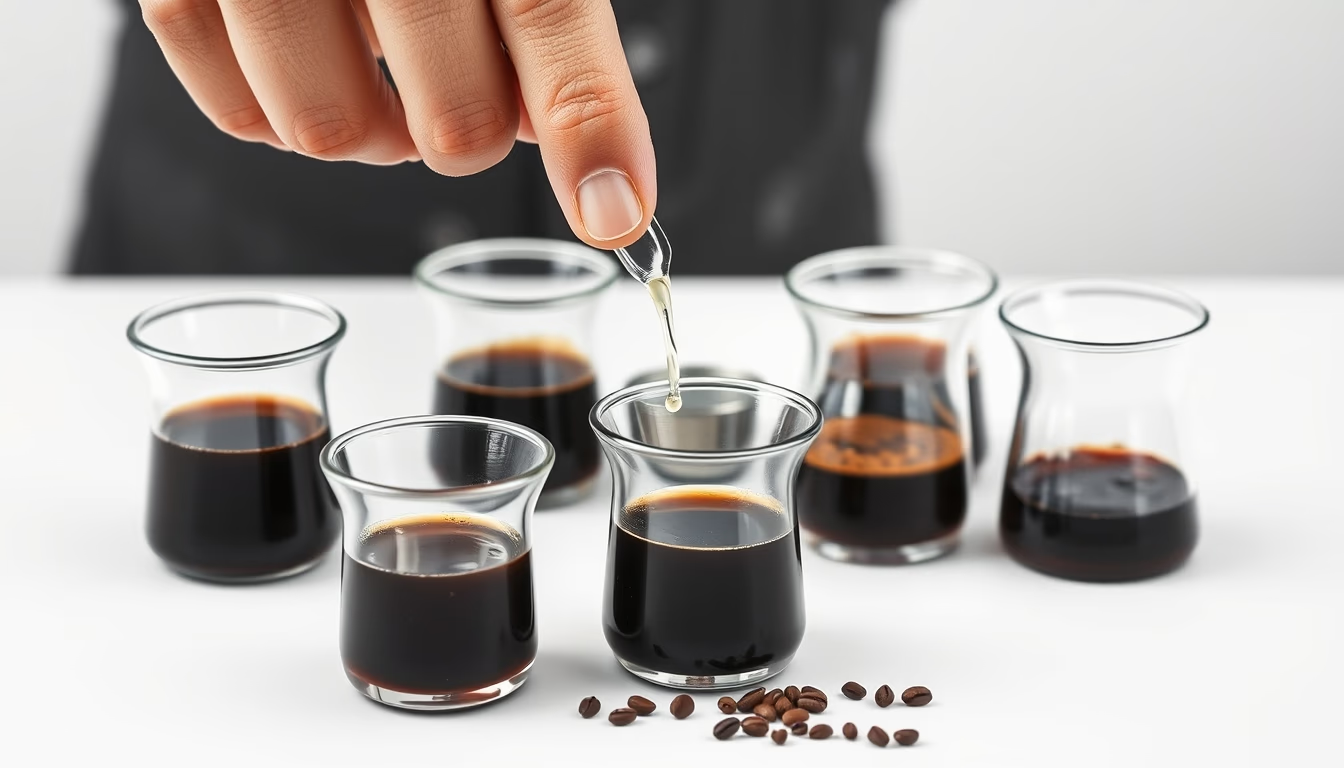
Different roast profiles directly influence the beverage's characteristics. Light roast preserves acidity and original bean flavors, common in specialty coffees. Medium roast balances acidity and sweetness, with medium body and caramel notes. Dark roast produces oily beans with intense, bitter flavors, typical for traditional espressos.
Roasting has historical origins in Ethiopia and spread through the Arab world and Europe. In Brazil, the world's largest coffee producer, medium roast predominates, but regional variations exist. Precise temperature and time control are crucial: poor roasting can result in burned or underdeveloped beans.
Interesting fact: the first crack occurs around 196°C when internal pressure breaks the beans. The second crack, more subtle, signals dark roasts. Artisan roasters emphasize specific profiles for each origin, enhancing floral, fruity, or chocolatey notes.
Frequently Asked Questions
What is the difference between light, medium, and dark roasts?
Light roast preserves acidity and original flavors, medium roast balances acidity and sweetness, and dark roast results in intense, bitter flavors with oily beans.
Why do beans crack during roasting?
The first crack occurs around 196°C when internal pressure breaks the beans, releasing steam and gases. The second crack indicates darker roasts.
Does roasting affect caffeine content?
Roasting does not significantly change caffeine content. The perceived difference is due to volume: dark roasted beans are less dense, but caffeine per dry weight is similar.
Direct URL
https://pub-c7d6a6ea828543ac903a74a341ccb2e1.r2.dev/imagens/coffee-beans-roasting-national-geographic-style-p2.avifHow to credit
Include a visible link back to UtilizAí. Copy one of the snippets below:
<a href="https://xn--utiliza-eza.com/en/midia/imagens/coffee-beans-roasting-national-geographic-style-p2">Coffee beans roasting</a> by <a href="https://xn--utiliza-eza.com">UtilizAí</a>, licensed under <a href="https://creativecommons.org/licenses/by/4.0/">CC BY 4.0</a>.
[Coffee beans roasting](https://xn--utiliza-eza.com/en/midia/imagens/coffee-beans-roasting-national-geographic-style-p2) by [UtilizAí](https://xn--utiliza-eza.com), CC BY 4.0
License: CC-BY-4.0