Coffee beans roasting
1344×768 · AVIF · CC BY 4.0
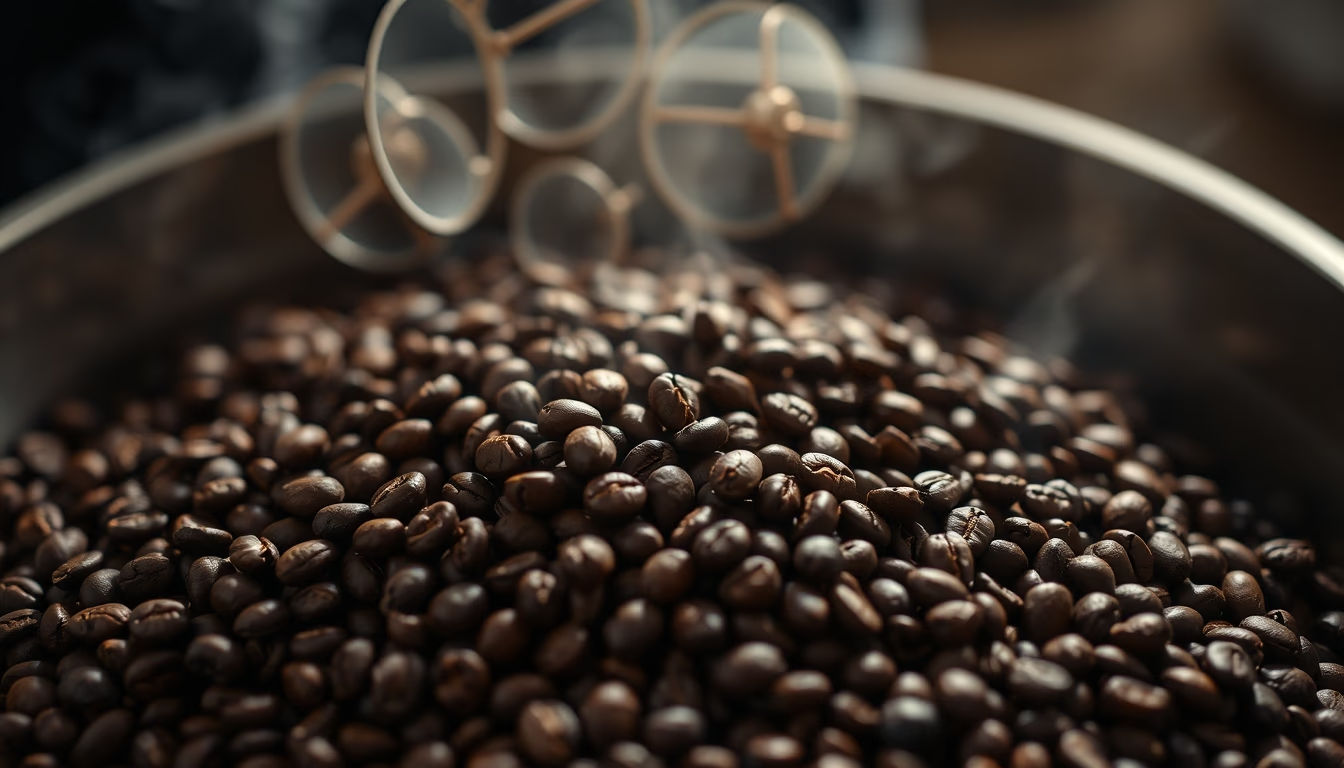
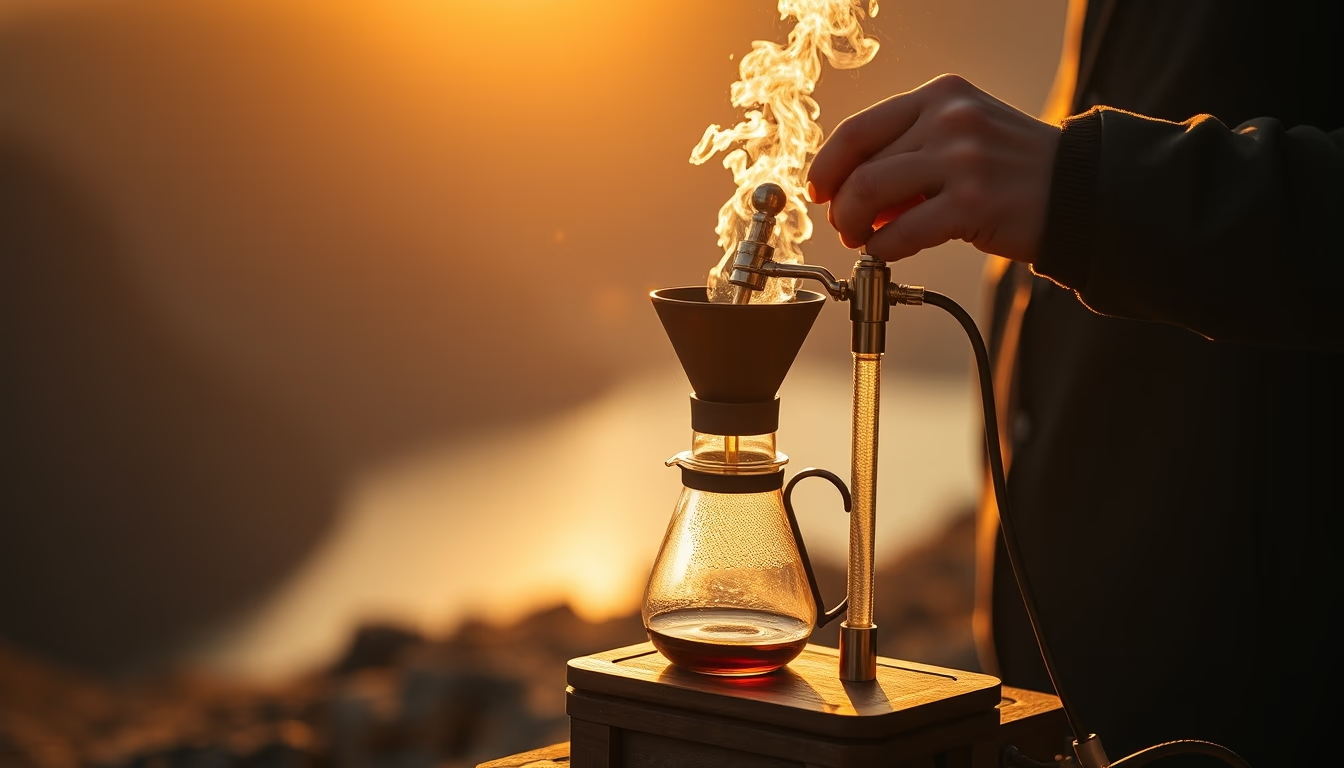
The coffee bean roasting process transforms flavor and aroma, essential for beverage quality.
About this subject
Coffee bean roasting is a critical step in the production chain, where heat applied to green beans triggers complex chemical reactions, such as pyrolysis and caramelization. This process defines the beverage's sensory profile, resulting in notes ranging from fruity and acidic in light roasts to bitter and full-bodied in dark roasts. In Brazil, the world's largest producer and exporter of coffee, artisanal roasting stands out in specialty coffee shops, especially in cities like São Paulo and Belo Horizonte, where baristas experiment with temperature curves to extract the best from each variety, such as arabica and robusta. Medium roast, the most popular in the country, balances acidity and sweetness, pleasing diverse palates. Historically, home roasting was common in the early 20th century, when families roasted beans in wood stoves. Today, modern machines allow precise control, but the master roaster's sense of smell is still crucial to determine the exact point. A curiosity: the color of beans after roasting is measured by the Agtron scale, used internationally to standardize batches. Additionally, the release of carbon dioxide during roasting influences freshness: freshly roasted coffees need to rest for a few days before optimal consumption.
Frequently Asked Questions
What is the difference between light, medium, and dark roasts?
Light roast preserves acidity and floral or fruity notes, common in specialty coffees. Medium roast balances acidity and sweetness, preferred in Brazil. Dark roast emphasizes bitterness and body, used in traditional espressos.
How long does it take to roast coffee?
A typical commercial roast lasts 8 to 15 minutes, depending on the method and batch size. Artisanal roasts can take longer, between 12 and 20 minutes, for greater control.
Can freshly roasted coffee be consumed immediately?
No. It is ideal to wait 2 to 7 days after roasting, as the coffee releases carbon dioxide and needs to rest to stabilize flavor. This period is called degassing.
Direct URL
https://pub-c7d6a6ea828543ac903a74a341ccb2e1.r2.dev/imagens/coffee-beans-roasting-high-fashion-editorial-p3.avifHow to credit
Include a visible link back to UtilizAí. Copy one of the snippets below:
<a href="https://xn--utiliza-eza.com/en/midia/imagens/coffee-beans-roasting-high-fashion-editorial-p3">Coffee beans roasting</a> by <a href="https://xn--utiliza-eza.com">UtilizAí</a>, licensed under <a href="https://creativecommons.org/licenses/by/4.0/">CC BY 4.0</a>.
[Coffee beans roasting](https://xn--utiliza-eza.com/en/midia/imagens/coffee-beans-roasting-high-fashion-editorial-p3) by [UtilizAí](https://xn--utiliza-eza.com), CC BY 4.0
License: CC-BY-4.0