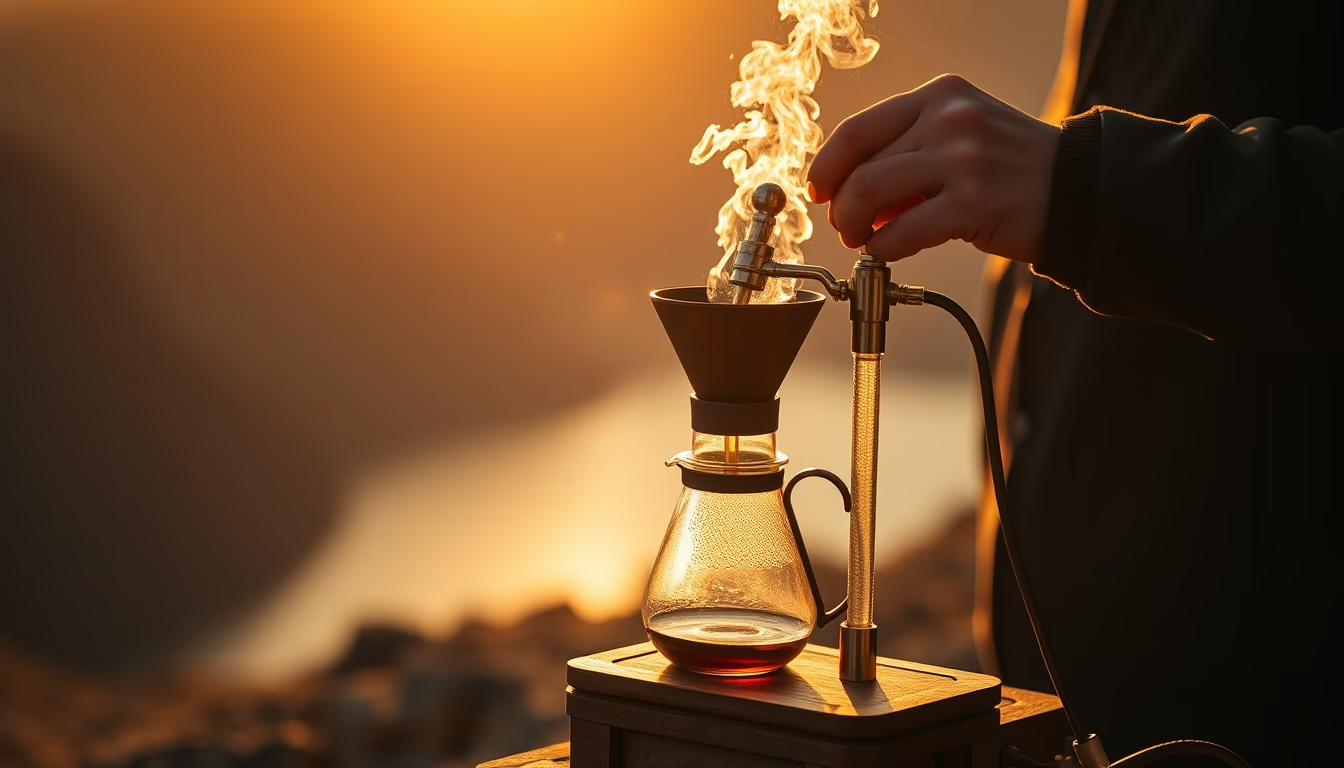
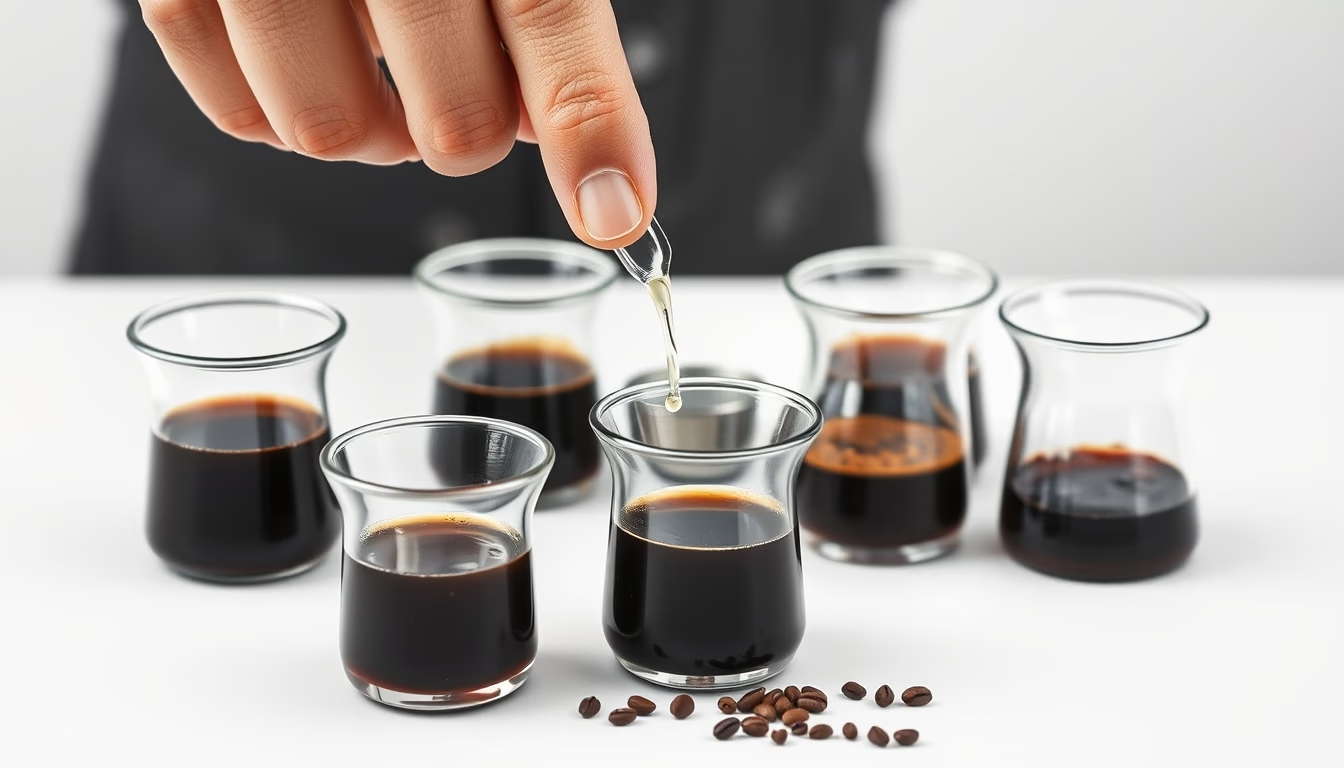
Coffee beans roasting
1344×768 · AVIF · CC BY 4.0
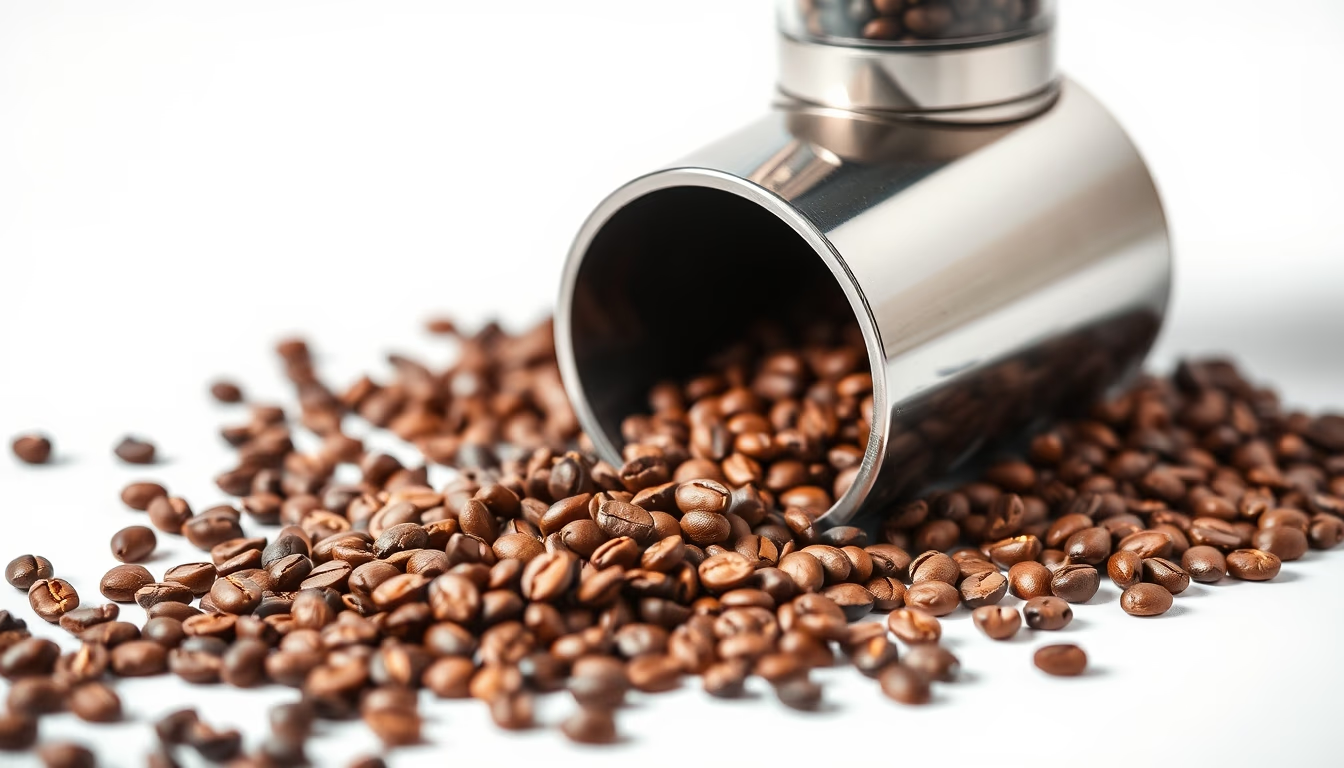
The roasting process of coffee beans transforms flavor and aroma, essential for beverage quality.
About this subject
Coffee bean roasting is a crucial step in the production chain, responsible for developing the aromatic and flavor compounds that define each cup. During roasting, green beans, which have a grassy aroma and astringent taste, are heated at temperatures between 180°C and 240°C for 8 to 20 minutes. The heat triggers complex chemical reactions, mainly the Maillard reaction, which produces hundreds of volatile compounds, and pyrolysis, which breaks down sugars and acids.
There are three main roast profiles: light, medium, and dark. Light roast, typically done until the first crack, preserves more acidity and fruity flavors, common in single-origin specialty coffees. Medium roast, between first and second crack, balances acidity and sweetness, ideal for blends. Dark roast, after second crack, yields oily beans with a bitter, full-bodied taste, typical of Italian-style coffees. Each profile affects solubility and caffeine content: lighter roasts retain slightly more caffeine, while dark roasts reduce acidity and increase bitterness.
The art of roasting requires precise control of temperature and time, plus rapid cooling to stop cooking. Equipment like drum roasters and fluid-bed roasters allow fine adjustments. In recent years, the specialty coffee movement favors lighter roasts to highlight terroir and varietal characteristics. In Brazil, the world's largest coffee producer, industrial roasting still dominates, but artisanal micro-roasteries are growing, offering customized profiles. A curiosity: the audible crack during roasting is caused by the release of internal steam and gases, serving as a roast level indicator.
Frequently Asked Questions
What is the difference between light and dark roast?
Light roast is stopped early, preserving acidity, fruity flavors, and slightly more caffeine. Dark roast goes past the second crack, yielding oily beans, bitter taste, less acidity, and fuller body.
Why do coffee beans crack during roasting?
The crack happens when internal steam and gas pressure breaks the bean's cellular structure. The first crack marks the start of medium roast; the second crack indicates dark roast.
How does roasting affect caffeine content?
Lighter roasts retain slightly more caffeine due to less mass loss. Dark roasts lose a small amount from pyrolysis, but the difference is minor, around 5 to 10%.
Direct URL
https://pub-c7d6a6ea828543ac903a74a341ccb2e1.r2.dev/imagens/coffee-beans-roasting-commercial-product-photography-p0.avifHow to credit
Include a visible link back to UtilizAí. Copy one of the snippets below:
<a href="https://xn--utiliza-eza.com/en/midia/imagens/coffee-beans-roasting-commercial-product-photography-p0">Coffee beans roasting</a> by <a href="https://xn--utiliza-eza.com">UtilizAí</a>, licensed under <a href="https://creativecommons.org/licenses/by/4.0/">CC BY 4.0</a>.
[Coffee beans roasting](https://xn--utiliza-eza.com/en/midia/imagens/coffee-beans-roasting-commercial-product-photography-p0) by [UtilizAí](https://xn--utiliza-eza.com), CC BY 4.0
License: CC-BY-4.0