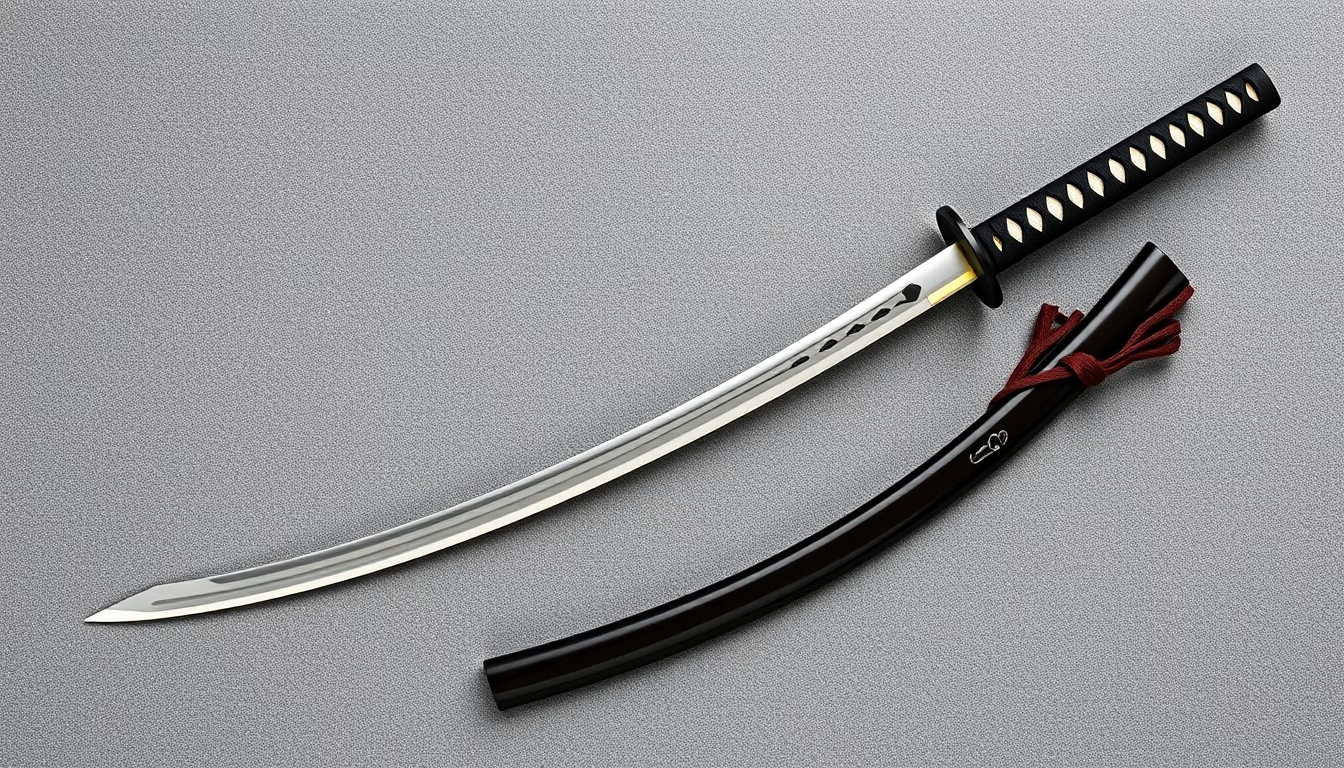
Claymore scottish
1344×768 · AVIF · CC BY 4.0
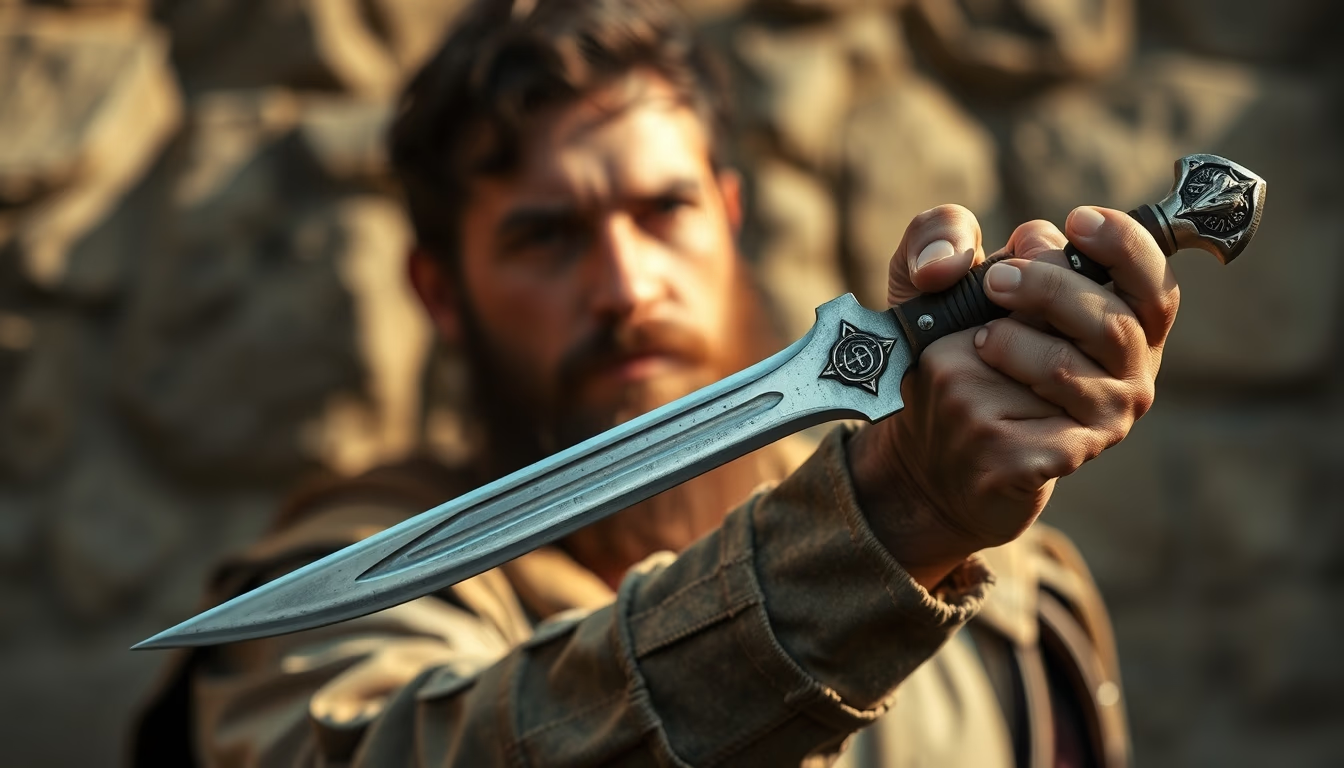
The Scottish claymore, a two-handed sword wielded by Highlanders, symbolizes strength and tradition in medieval Scottish battles.
About this subject
The claymore is a two-handed sword originating from the Scottish Highlands, renowned for its imposing design and combat effectiveness. The name comes from Scottish Gaelic claidheamh mòr, meaning 'great sword'. Featuring a broad, straight blade typically 100 to 140 centimeters long and a long hilt requiring both hands, the claymore was favored by Highland warriors from the 14th to 17th centuries. Its guard, often shaped like a forward-leaning cross, protected the hands and could trap an opponent's blade in a twisting maneuver.
Historically, the claymore played a key role in the Scottish Wars of Independence, notably at the Battle of Bannockburn (1314), where William Wallace and Robert the Bruce led armies armed with this weapon. Unlike contemporary European swords, the claymore was lighter than it appeared, weighing about 2 to 3 kilograms, allowing quick, powerful strikes. It was used in infantry charges to break enemy lines, and its blade could cut through light armor or unhorse riders.
With the rise of firearms in the 17th century, the claymore declined in battlefield use but endured as a Scottish cultural symbol. Today, historical replicas are common in ceremonies, festivals, and collections. The blade was forged from carbon steel, often decorated with runes or clan symbols. A notable fact is that its use involved wide circular swings to maximize inertia, requiring extensive training. The claymore continues to inspire films and fantasy works, such as the swords wielded by characters like William Wallace in Braveheart.
Frequently Asked Questions
What was the typical size of a claymore?
A claymore typically measured between 100 and 140 centimeters in total length, with a blade about 90 to 110 centimeters and weighing 2 to 3 kilograms.
How was the claymore used in battle?
It was wielded with both hands for wide, powerful strikes, ideal for breaking enemy formations or cutting light armor. The inclined guard allowed trapping and twisting the opponent's blade.
Why is the claymore so iconic in Scottish culture?
Beyond its military effectiveness, the claymore symbolizes the resistance and identity of the Highland clans, frequently portrayed in films and as an emblem of freedom.
Direct URL
https://pub-c7d6a6ea828543ac903a74a341ccb2e1.r2.dev/imagens/claymore-scottish-film-grain-authentic-fresh11.avifHow to credit
Include a visible link back to UtilizAí. Copy one of the snippets below:
<a href="https://xn--utiliza-eza.com/en/midia/imagens/claymore-scottish-film-grain-authentic-fresh11">Claymore scottish</a> by <a href="https://xn--utiliza-eza.com">UtilizAí</a>, licensed under <a href="https://creativecommons.org/licenses/by/4.0/">CC BY 4.0</a>.
[Claymore scottish](https://xn--utiliza-eza.com/en/midia/imagens/claymore-scottish-film-grain-authentic-fresh11) by [UtilizAí](https://xn--utiliza-eza.com), CC BY 4.0
License: CC-BY-4.0