Cherry blossom tea garden
1344×768 · AVIF · CC BY 4.0
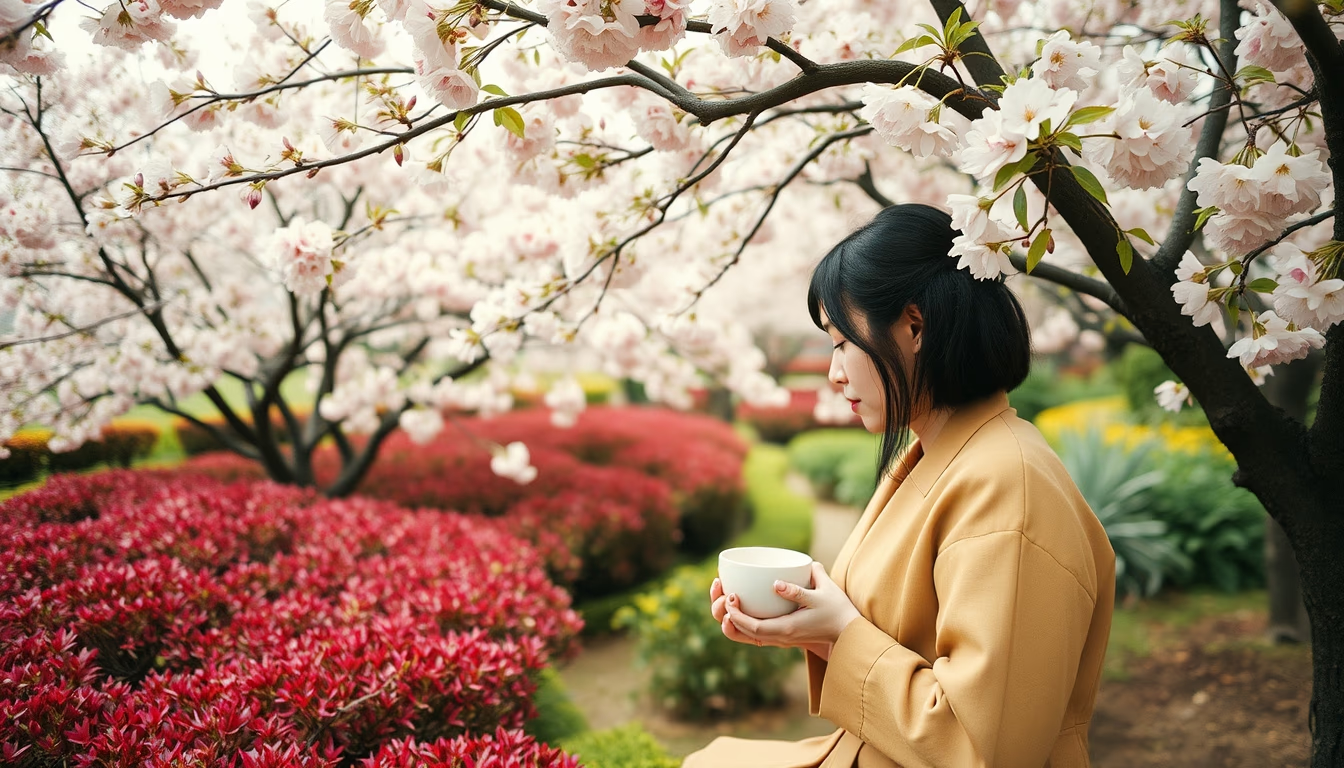
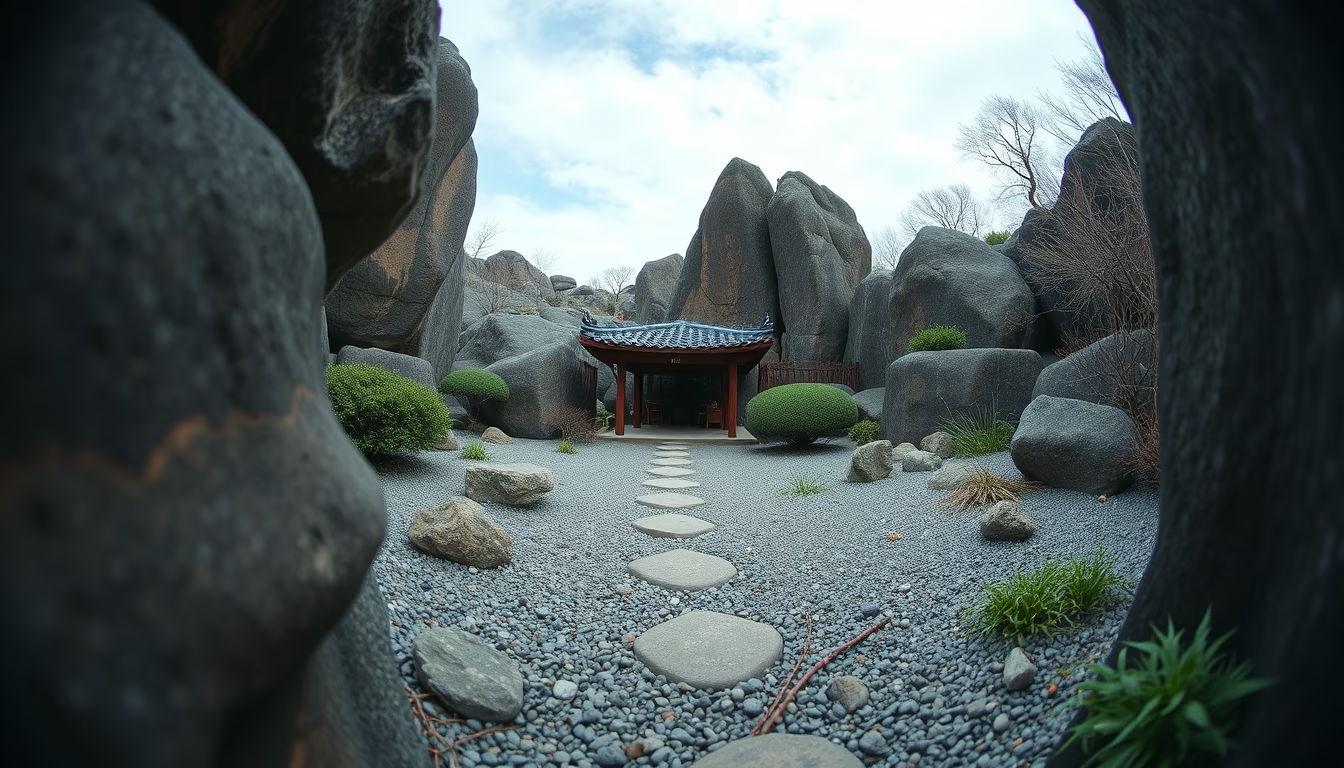
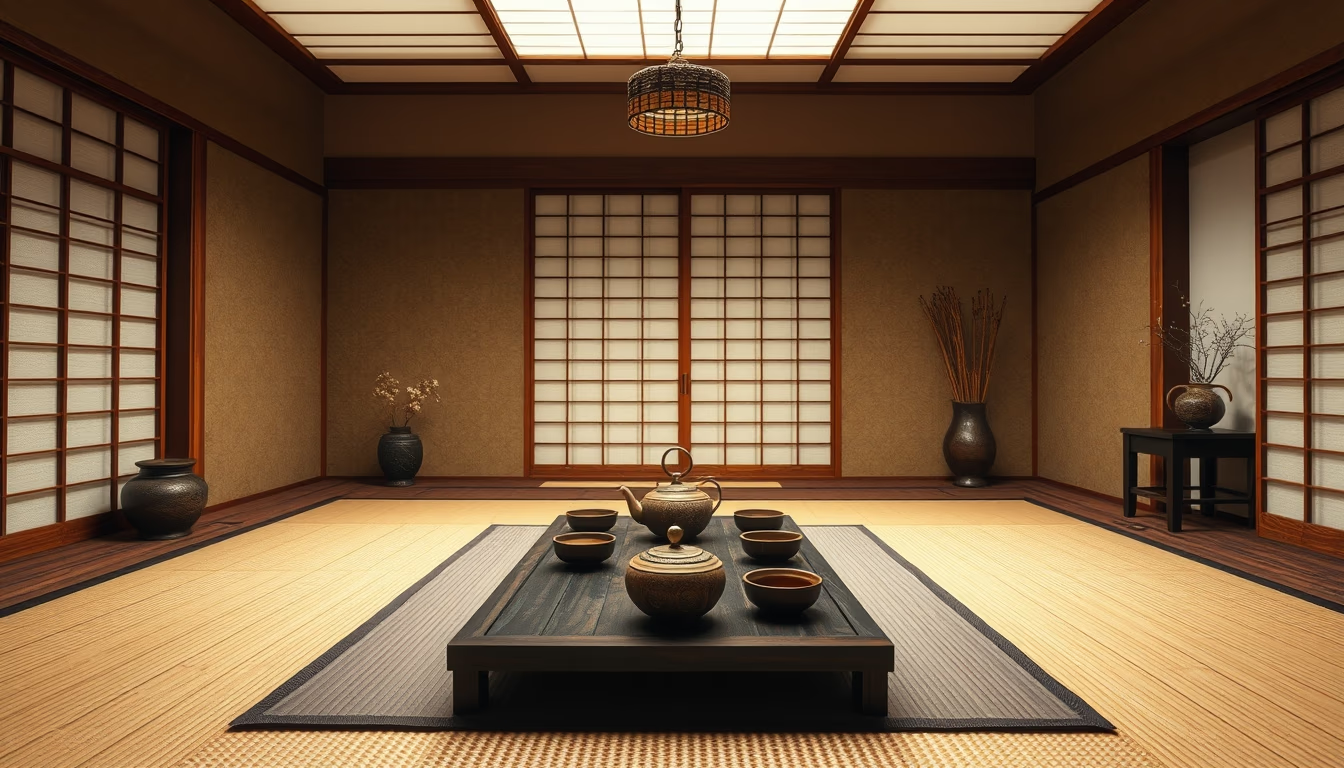
A tea garden with cherry blossoms combines two Japanese traditions: tea ceremony and cherry blossom viewing.
About this subject
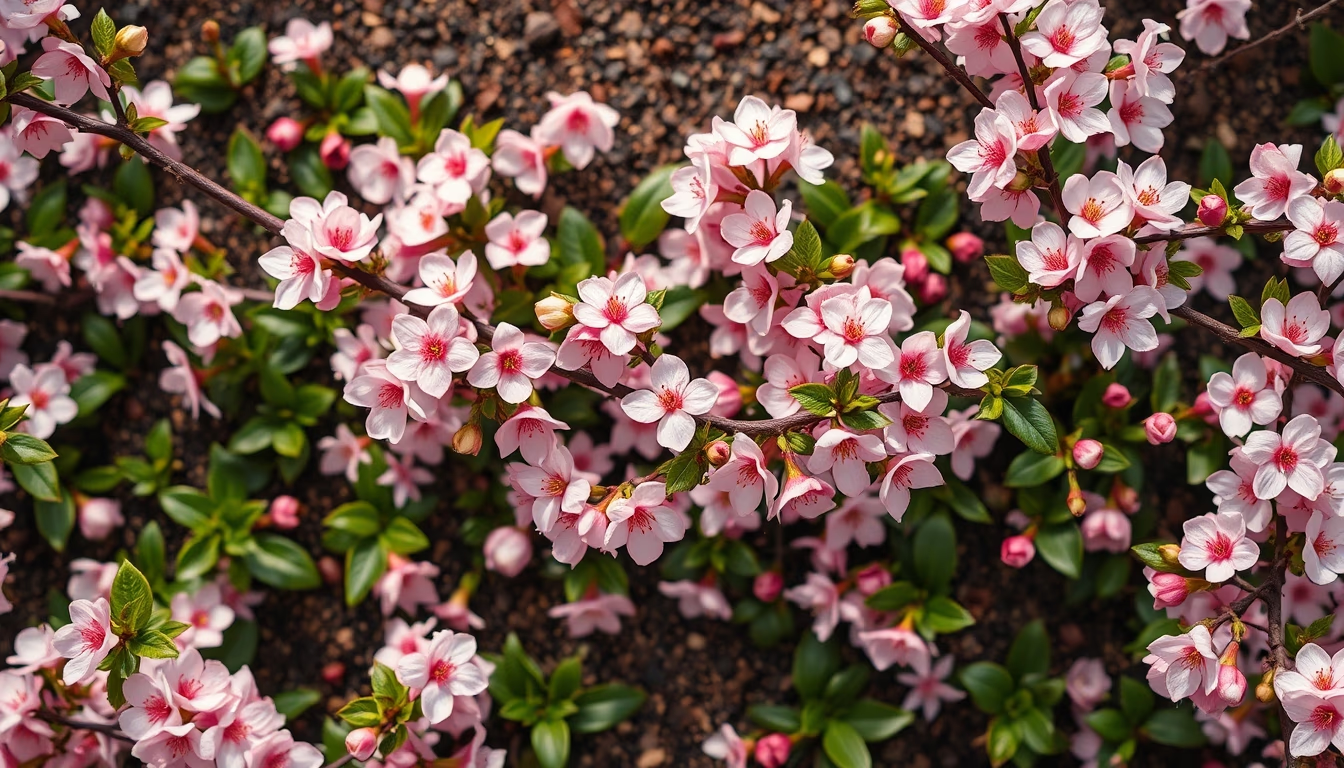
Japanese tea gardens, known as roji, are designed to prepare visitors for the tea ceremony. The presence of cherry blossoms (sakura) in these gardens adds a seasonal element of deep cultural significance. Cherry blossoms bloom between March and April, a period when Japanese people practice hanami (flower viewing). A tea garden with cherry blossoms offers a setting where the austere simplicity of roji meets the ephemeral pink petals.
Historically, tea was introduced to Japan by Buddhist monks in the 9th century, and the tea ceremony (chanoyu) was formalized by Sen no Rikyu in the 16th century. Roji reflect the wabi-sabi aesthetic, valuing imperfection and transience. The cherry tree, which blooms for only one or two weeks, symbolizes exactly this impermanence. Therefore, incorporating cherry trees into a tea garden is not merely decorative: it is a philosophical layer that invites reflection on the fleeting nature of life.
Botanically, the most common variety in Japanese gardens is Somei Yoshino, with nearly white five-petal blossoms. However, other cultivars like Shidarezakura (weeping cherry) are also used in roji. The trees are carefully pruned to avoid obstructing the view of the tea pavilion. In some historic gardens, such as Kenrokuen in Kanazawa, there are century-old cherry trees that have witnessed centuries of ceremonies.
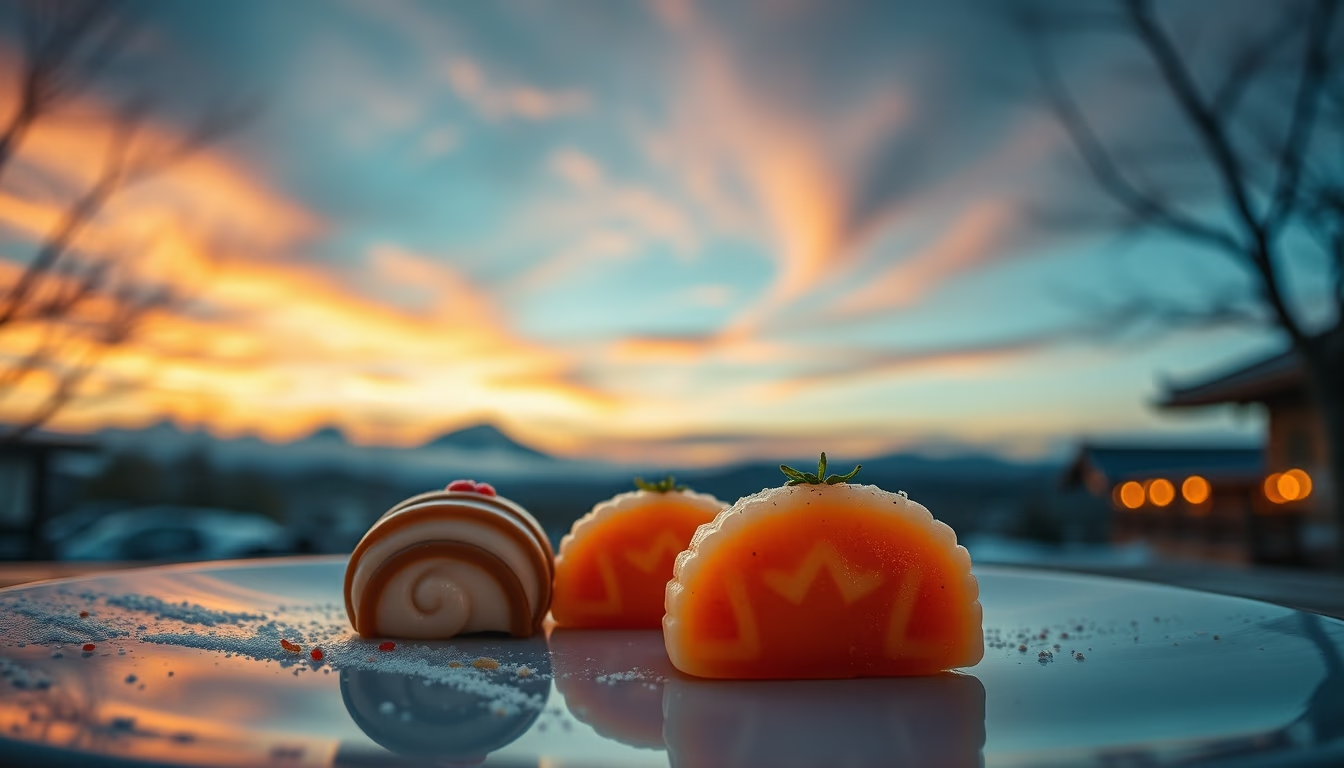
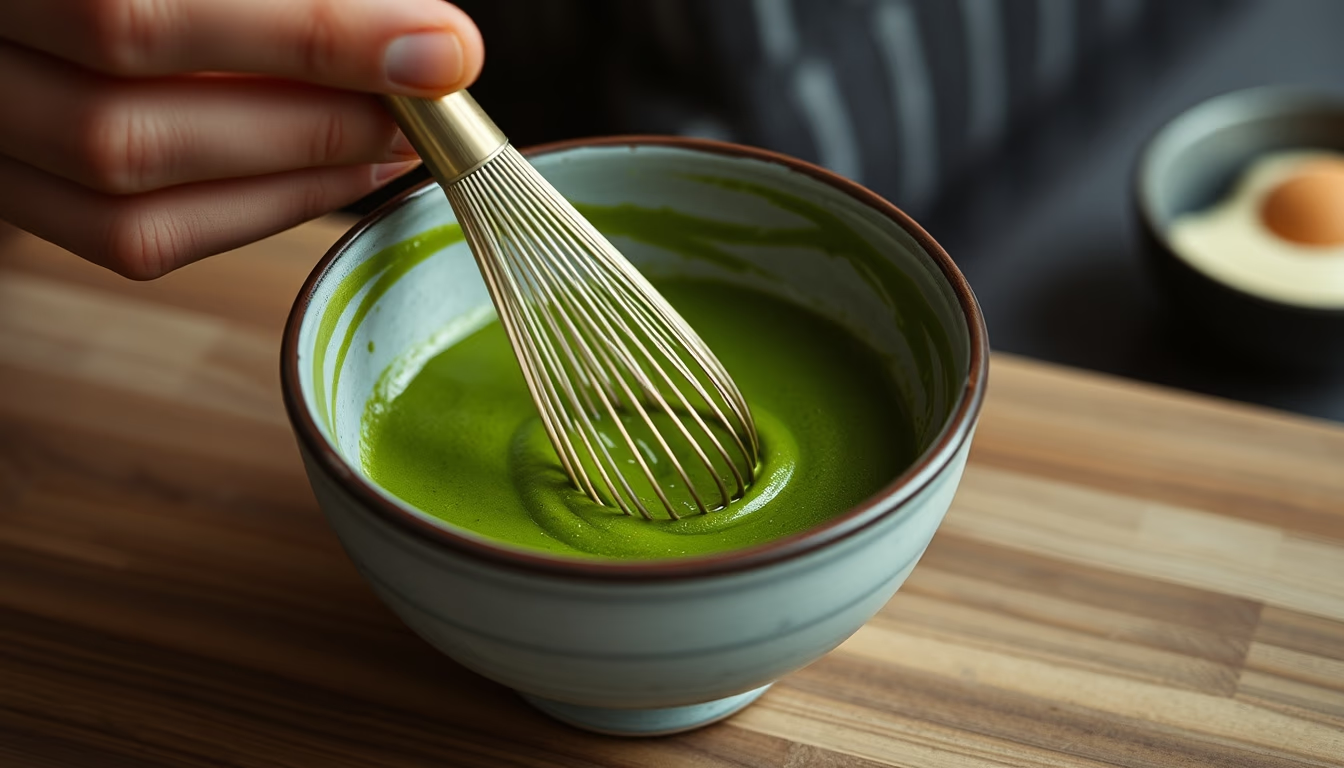
The experience of drinking tea under cherry blossoms is called hanami-chakai (cherry blossom tea party). During these events, hosts serve matcha (powdered green tea) and wagashi (Japanese sweets) while guests appreciate the falling petals. The combination of flavors and visuals aims to awaken all senses. Today, this tradition is recreated in parks and temples, attracting both locals and tourists.
Frequently Asked Questions
What is a cherry blossom tea garden?
It is a roji (Japanese tea garden) that incorporates cherry blossom trees (sakura), combining the elements of the tea ceremony with seasonal flower appreciation typical of hanami.
Why are cherry blossoms important in Japanese culture?
Cherry blossoms symbolize the ephemerality of life, celebrated during hanami. Their brief bloom (1-2 weeks) evokes the concept of transience valued in Buddhism and wabi-sabi aesthetics.
What is hanami-chakai?
It is a tea party held under blooming cherry blossoms. Guests drink matcha and eat wagashi while admiring falling petals, a sensory experience combining taste and sight.
Direct URL
https://pub-c7d6a6ea828543ac903a74a341ccb2e1.r2.dev/imagens/cherry-blossom-tea-garden-lo-fi-disposable-camera-fresh15.avifHow to credit
Include a visible link back to UtilizAí. Copy one of the snippets below:
<a href="https://xn--utiliza-eza.com/en/midia/imagens/cherry-blossom-tea-garden-lo-fi-disposable-camera-fresh15">Cherry blossom tea garden</a> by <a href="https://xn--utiliza-eza.com">UtilizAí</a>, licensed under <a href="https://creativecommons.org/licenses/by/4.0/">CC BY 4.0</a>.
[Cherry blossom tea garden](https://xn--utiliza-eza.com/en/midia/imagens/cherry-blossom-tea-garden-lo-fi-disposable-camera-fresh15) by [UtilizAí](https://xn--utiliza-eza.com), CC BY 4.0
License: CC-BY-4.0