Champagne cellar reims
1344×768 · AVIF · CC BY 4.0
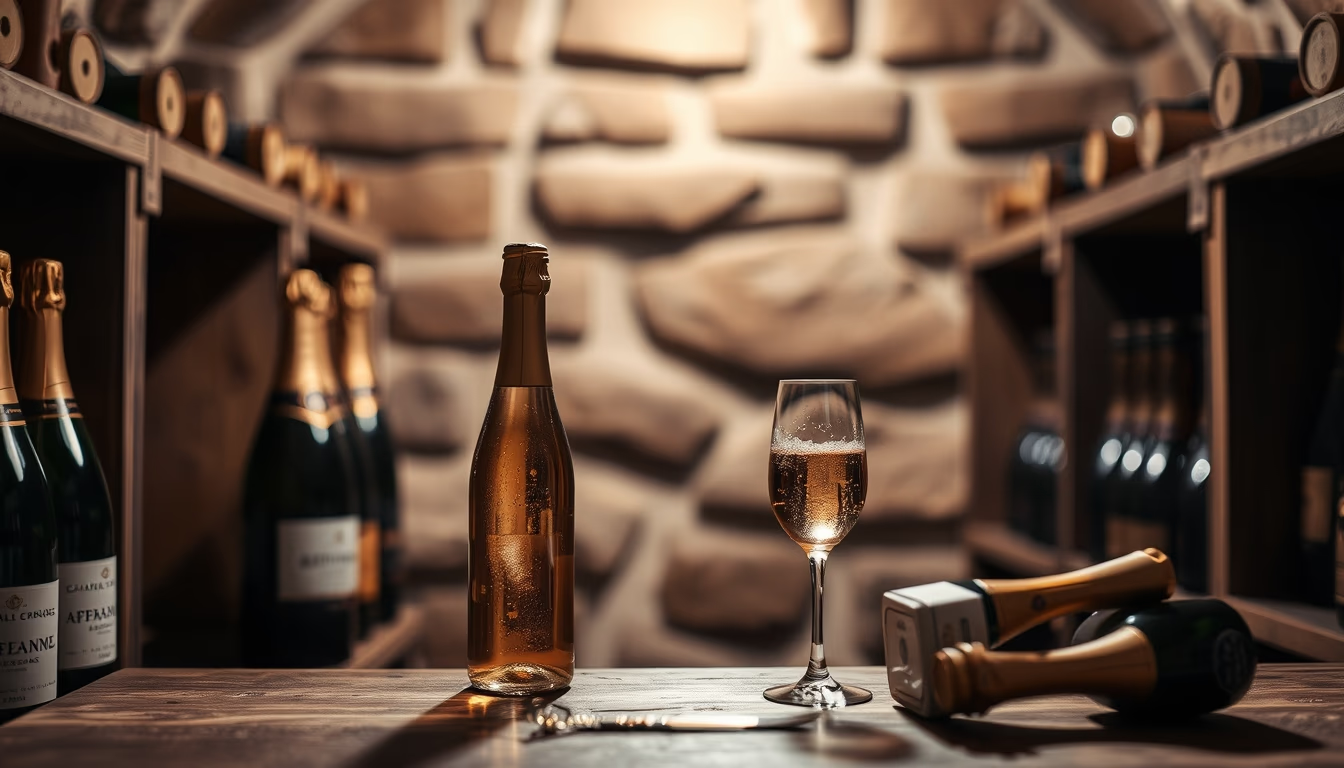
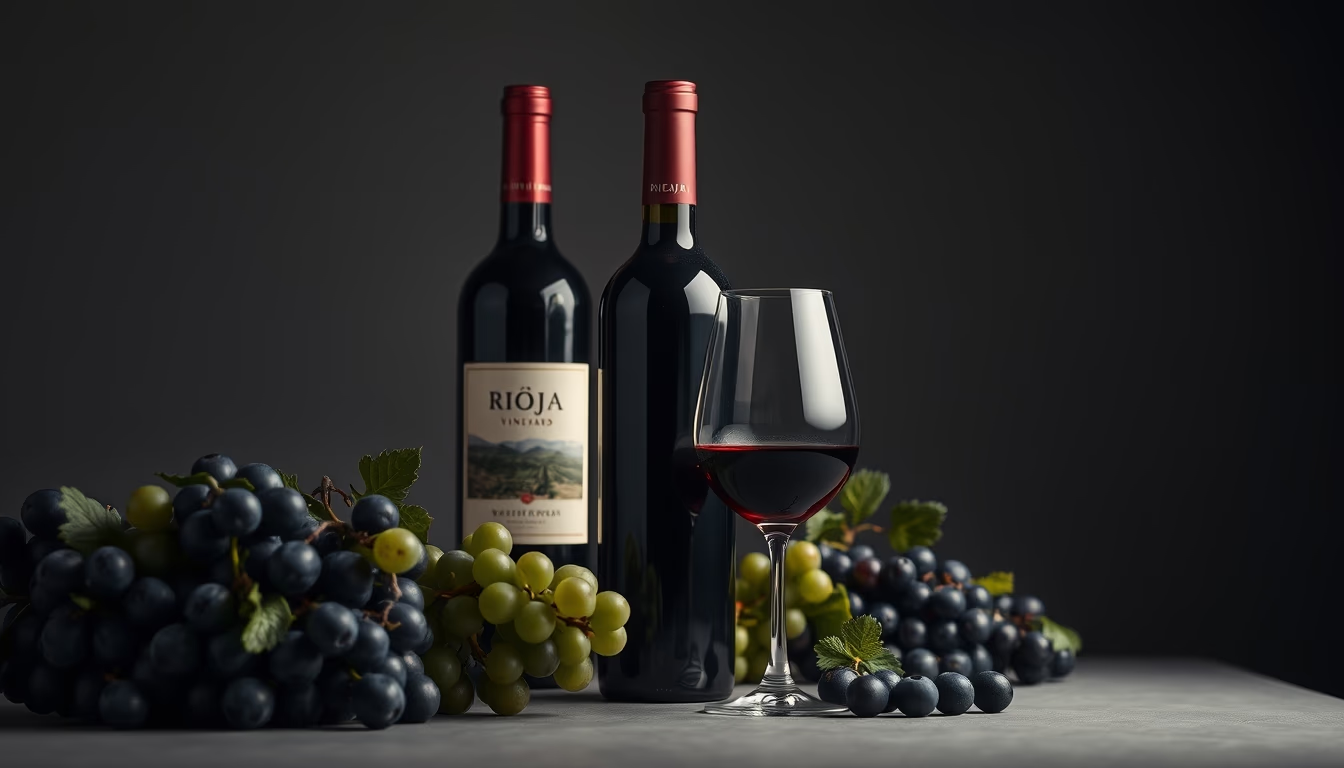
The champagne cellars in Reims, carved into limestone, hold centuries of history and millions of bottles under ideal aging conditions.
About this subject
The champagne cellars in the city of Reims, France, are true underground cathedrals. Carved from ancient chalk quarries dating back to Roman times, they extend for over 250 kilometers beneath the city. This network of tunnels, known as crayères, maintains a constant temperature of 10 to 12°C and high humidity, perfect conditions for aging champagne. Major houses like Veuve Clicquot, Taittinger, and Ruinart use these cellars to store bottles during secondary fermentation and maturation.
Reims is historically the heart of the Champagne region. It was here that champagne as we know it was developed, thanks to monks like Dom Pérignon who perfected production techniques in the 17th century. The Reims cellars are a world heritage site, with some classified as Historic Monuments. The chalk, rich in micronutrients, also contributes to the characteristic minerality of the region's wines. Many cellars are open to visitors, offering a deep dive into the history and traditional methods of champagne making.
Beyond enological value, the cellars hold geological and architectural significance. During both world wars, they served as safe shelters for the population. The permeable chalk soil helps drain excess water, preventing flooding and maintaining tunnel stability. The Champagne region has approximately 34,000 hectares of vineyards, about 90% dedicated to champagne production. Every year, billions of bubbles are generated within these cellars, which produce over 300 million bottles annually.
Frequently Asked Questions
Why are the champagne cellars in Reims so deep?
They were originally quarried for chalk used in Roman construction. The depth ensures stable temperature and humidity for champagne aging.
What is the ideal temperature of champagne cellars?
The temperature stays between 10 and 12°C year-round, perfect for slow fermentation and bottle maturation.
Can tourists visit the Reims cellars?
Yes, several houses like Taittinger, Veuve Clicquot, and Ruinart offer guided tours showcasing history and production process.
Direct URL
https://pub-c7d6a6ea828543ac903a74a341ccb2e1.r2.dev/imagens/champagne-cellar-reims-studio-still-life-fresh2.avifHow to credit
Include a visible link back to UtilizAí. Copy one of the snippets below:
<a href="https://xn--utiliza-eza.com/en/midia/imagens/champagne-cellar-reims-studio-still-life-fresh2">Champagne cellar reims</a> by <a href="https://xn--utiliza-eza.com">UtilizAí</a>, licensed under <a href="https://creativecommons.org/licenses/by/4.0/">CC BY 4.0</a>.
[Champagne cellar reims](https://xn--utiliza-eza.com/en/midia/imagens/champagne-cellar-reims-studio-still-life-fresh2) by [UtilizAí](https://xn--utiliza-eza.com), CC BY 4.0
License: CC-BY-4.0