Champagne celebration
1344×768 · AVIF · CC BY 4.0

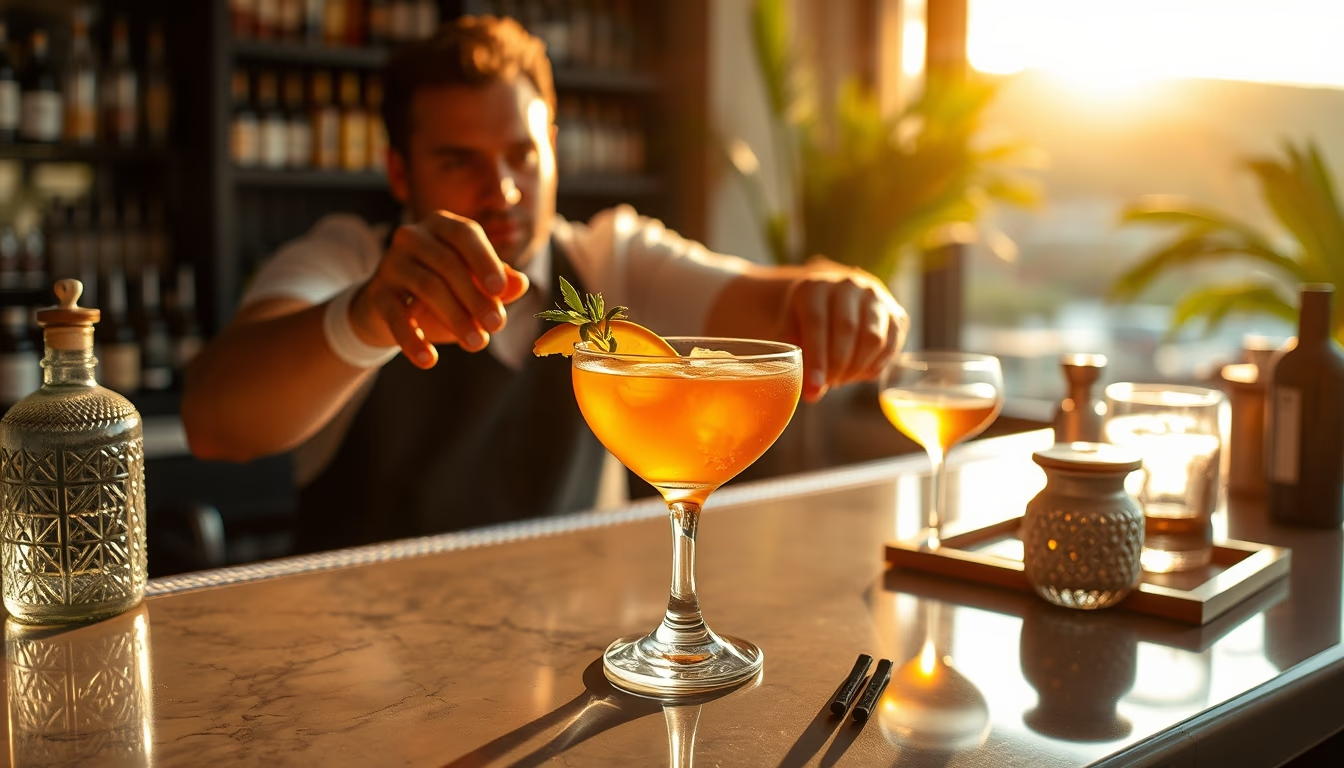
O champanhe é o símbolo universal de celebração, desde festas íntimas até grandes eventos como o Réveillon e casamentos.
Sobre o tema
O champanhe, produzido exclusivamente na região de Champagne, na França, é um espumante que se tornou sinônimo de comemoração ao redor do mundo. Sua origem remonta ao século XVII, quando monges beneditinos, como Dom Pérignon, aperfeiçoaram técnicas de segunda fermentação na garrafa, criando as borbulhas características. A denominação de origem controlada (AOC) protege o nome "Champagne", garantindo que apenas vinhos da região e produzidos conforme regras específicas possam utilizá-lo.
A tradição de abrir uma garrafa de champanhe em momentos especiais está enraizada em diversas culturas. No Réveillon, a meia-noite é marcada pelo estouro da rolha e o brinde com taças, simbolizando renovação e prosperidade. Em casamentos, o champanhe é servido para celebrar a união, e a taça empilhada em forma de pirâmide é uma imagem clássica. Eventos esportivos, como o pódio da Fórmula 1, também imortalizaram o gesto de agitar e borrifar champanhe entre os vencedores.
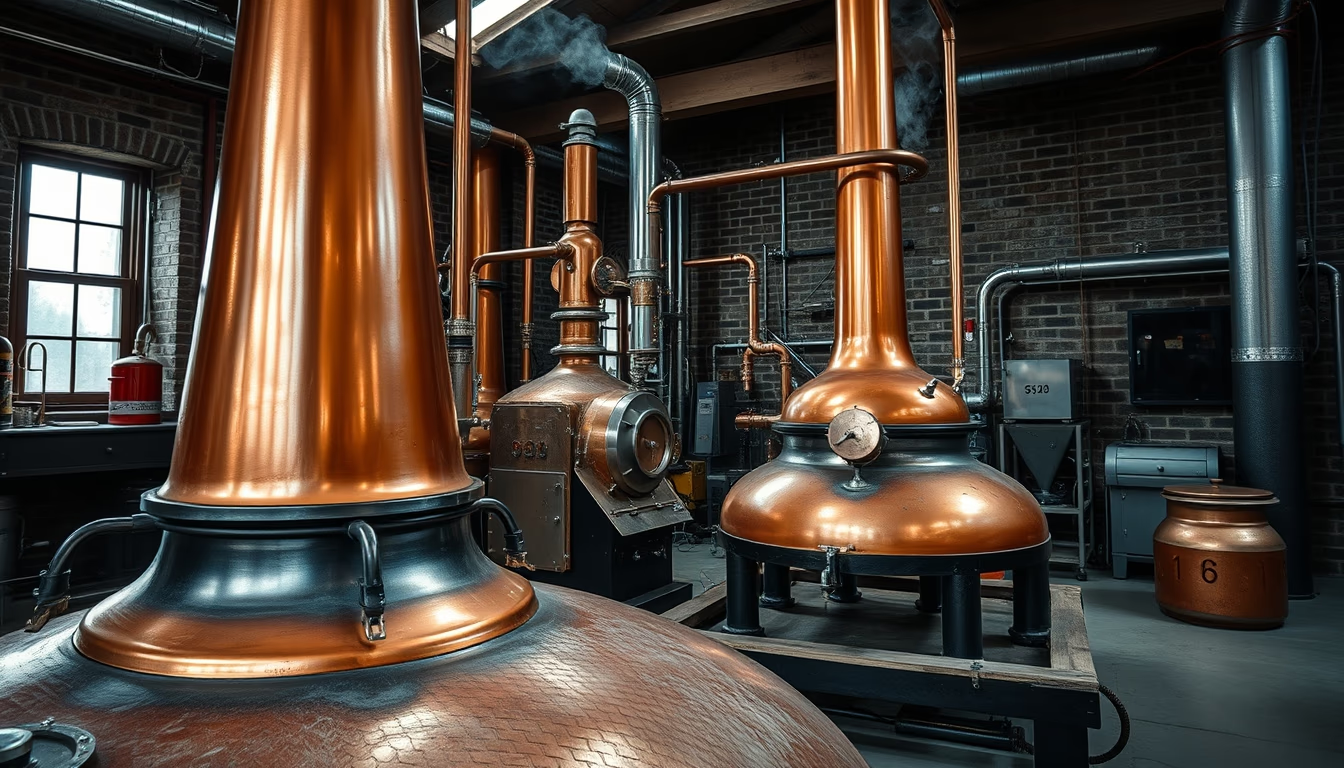
Do ponto de vista técnico, o champanhe passa por um processo chamado méthode traditionnelle, que inclui a fermentação em garrafa, remuage (giro para concentrar os sedimentos) e dégorgement (remoção das impurezas). Os estilos variam de brut (seco) a demi-sec (doce), com os não-vintage sendo os mais comuns. A pressão interna de uma garrafa de champanhe é cerca de 6 atmosferas, o triplo da de um pneu de carro, o que explica o barulho e a força ao abrir.
Curiosamente, a produção de champanhe enfrenta desafios com as mudanças climáticas, que alteram o perfil dos uvas Pinot Noir, Chardonnay e Meunier. Em 2026, tendências apontam para um aumento no consumo de champanhes de baixa dosagem (low dosage) e orgânicos, refletindo a busca por sustentabilidade. O champanhe continua a ser um ícone de luxo e festividade, com uma história rica que combina ciência, cultura e celebração.
Perguntas frequentes
Qual é a diferença entre champanhe e espumante?
Champanhe é um tipo de espumante, mas nem todo espumante é champanhe. O champanhe é produzido exclusivamente na região de Champagne, França, seguindo a méthode traditionnelle. Outros espumantes, como Prosecco e Cava, vêm de regiões diferentes e usam métodos distintos.
Por que o champanhe é tão associado a celebrações?
A associação remonta ao século XVIII, quando a nobreza francesa adotou o champanhe como bebida de festa. Suas borbulhas, a pressão que faz a rolha voar e o sabor refinado tornaram-no símbolo de alegria e luxo. Eventos como o Réveillon e vitórias esportivas reforçaram essa imagem.
Como armazenar e servir champanhe corretamente?
O champanhe deve ser armazenado em local fresco, escuro e deitado para manter a rolha úmida. Sirva entre 6°C e 8°C, em taças flute ou tulipa para preservar as borbulhas. Ao abrir, gire a garrafa e não a rolha, segurando a rolha com a mão para evitar que voe.
URL direta
https://pub-c7d6a6ea828543ac903a74a341ccb2e1.r2.dev/imagens/champagne-celebration-magazine-editorial-p2.avifComo creditar
Inclua um link visível de volta pro UtilizAí. Copie um dos snippets abaixo:
<a href="https://xn--utiliza-eza.com/midia/imagens/champagne-celebration-magazine-editorial-p2">Champagne celebration</a> by <a href="https://xn--utiliza-eza.com">UtilizAí</a>, licensed under <a href="https://creativecommons.org/licenses/by/4.0/">CC BY 4.0</a>.
[Champagne celebration](https://xn--utiliza-eza.com/midia/imagens/champagne-celebration-magazine-editorial-p2) by [UtilizAí](https://xn--utiliza-eza.com), CC BY 4.0
Licença: CC-BY-4.0