Cassette tape collection retro
1344×768 · AVIF · CC BY 4.0
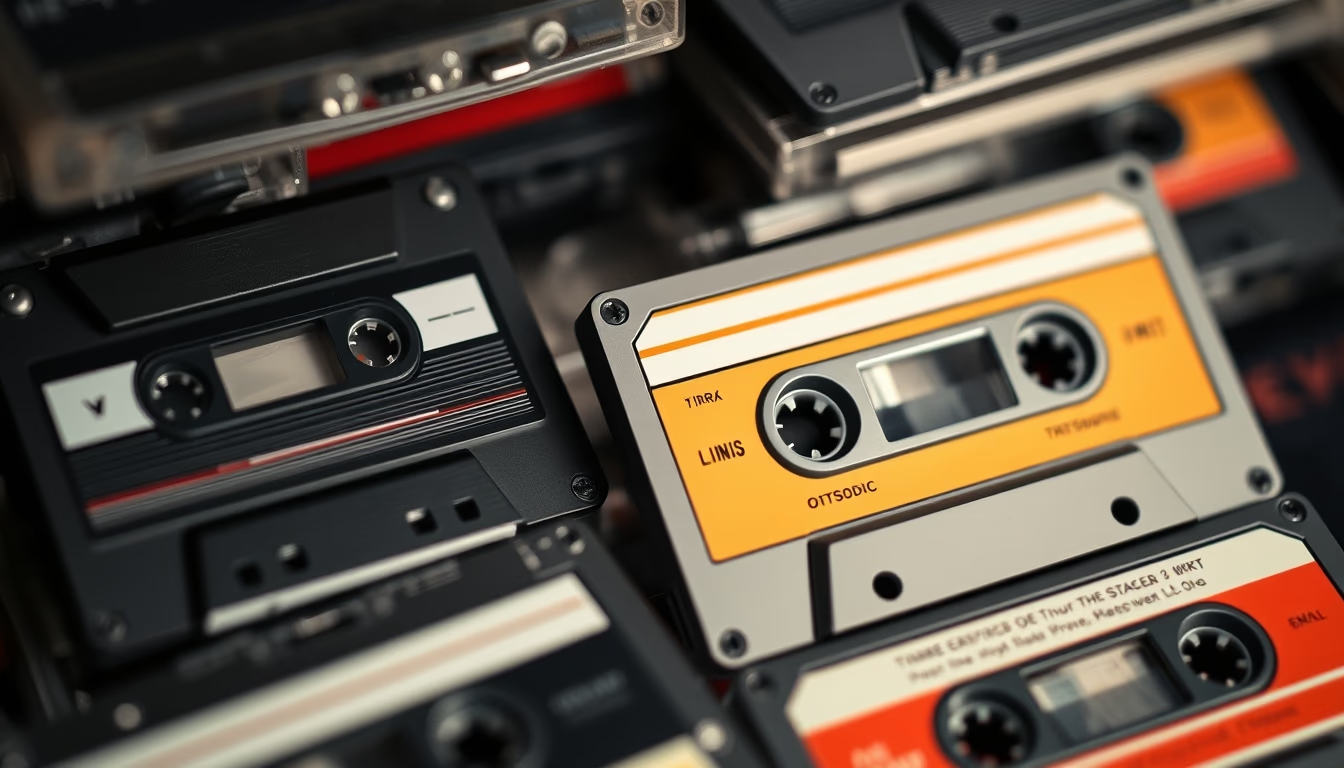
Cassette tapes, icons of the 80s and 90s, have regained relevance among nostalgic collectors and audiophiles.
About this subject
The Compact Cassette, introduced by Philips in 1963, quickly became the premier portable music medium. Unlike vinyl, it allowed home recording and playback in compact devices. Its peak spanned the 1980s and 1990s, when it dominated stores and kiosks. The cassette consisted of magnetic tape inside a plastic shell, which passed over read/write heads in the tape player. This technology democratized music, enabling anyone to create their own compilations (the famous mixtapes). Mixtapes became symbols of affection, creativity, and personal identity, often used to declare love or friendship.
In the 2010s, the format experienced a revival driven by the lo-fi movement and nostalgia from Generations Y and Z. Independent labels like Burger Records and Polyvinyl began releasing albums on cassette, valuing limited editions and vibrant colors. Global sales of blank and pre-recorded tapes rose year after year, according to the Recording Industry Association of America (RIAA). The analog sound of tape, with its natural compression and background noise, appeals to purists seeking a less polished listening experience than digital. The format also influenced genres like vaporwave and synthwave, which incorporate retro aesthetics.
Notably, Sony's first Walkman, launched in 1979, was designed for cassettes, revolutionizing personal music consumption. Technically, there are three main tape types: Type I (ferric), Type II (chrome), and Type IV (metal), each with distinct frequency response and dynamic range. Proper storage requires avoiding heat, humidity, and strong magnetic fields, plus storing tapes vertically to prevent deformation.
Frequently Asked Questions
What is a cassette tape?
It's an analog audio medium consisting of magnetic tape inside a plastic shell, invented by Philips in 1963. It allows portable recording and playback.
Why have cassette tapes become popular again?
The revival is driven by nostalgia, the lo-fi aesthetic, and limited edition releases from independent labels. It appeals to collectors and audiophiles seeking a different sound from digital.
How should cassette tapes be stored?
Store them vertically in a cool, dry place. Avoid strong magnetic fields (e.g., speakers) and rewind tapes periodically to prevent warping.
Direct URL
https://pub-c7d6a6ea828543ac903a74a341ccb2e1.r2.dev/imagens/cassette-tape-collection-retro-macro-closeup-p2.avifHow to credit
Include a visible link back to UtilizAí. Copy one of the snippets below:
<a href="https://xn--utiliza-eza.com/en/midia/imagens/cassette-tape-collection-retro-macro-closeup-p2">Cassette tape collection retro</a> by <a href="https://xn--utiliza-eza.com">UtilizAí</a>, licensed under <a href="https://creativecommons.org/licenses/by/4.0/">CC BY 4.0</a>.
[Cassette tape collection retro](https://xn--utiliza-eza.com/en/midia/imagens/cassette-tape-collection-retro-macro-closeup-p2) by [UtilizAí](https://xn--utiliza-eza.com), CC BY 4.0
License: CC-BY-4.0