Cassette tape collection retro
1344×768 · AVIF · CC BY 4.0
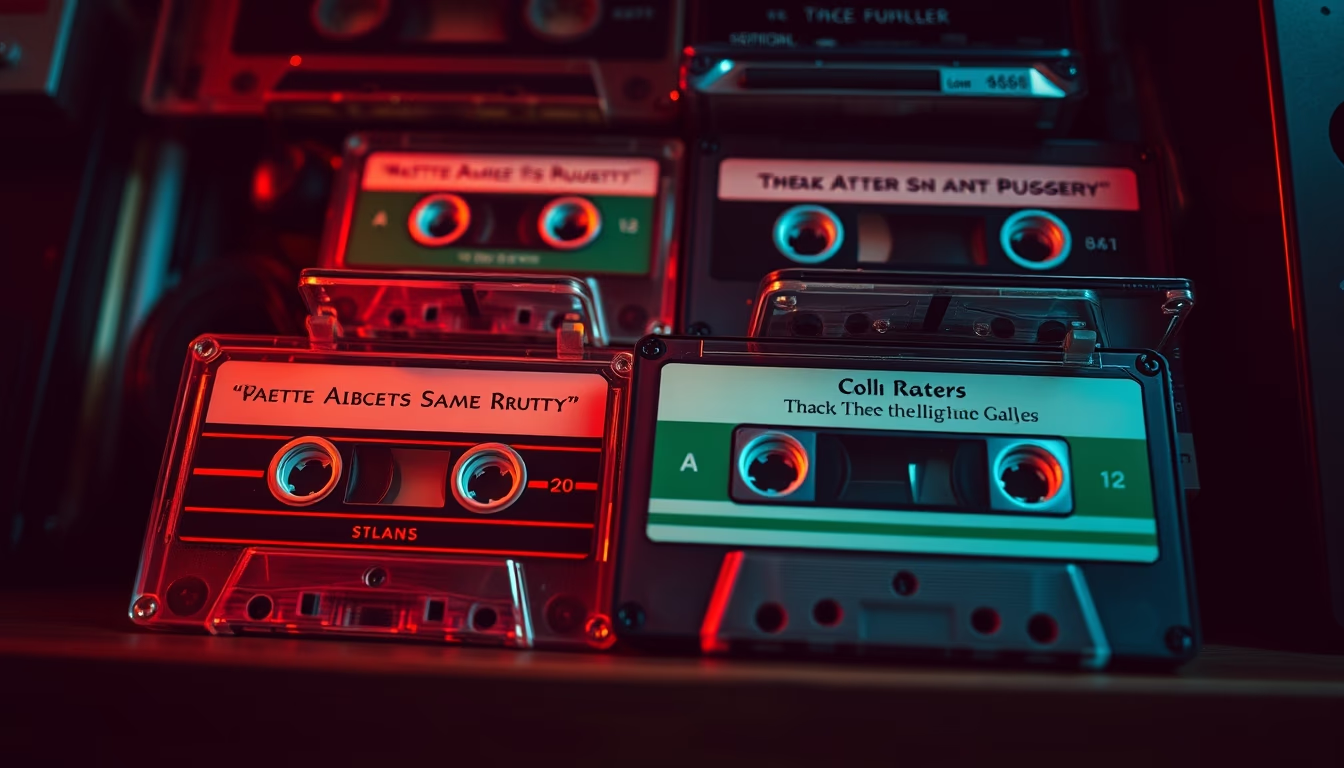
Cassette tape collections represent a significant chapter in music history, with the analog format experiencing a nostalgic resurgence among audiophiles.
About this subject
The compact cassette was introduced by Philips in 1963, transforming music consumption by enabling portability and home recording. During the 1970s, 1980s, and 1990s, it became the primary medium for music albums, demo tapes, and personalized mixtapes. Industry sales reached billions of units annually, with artists like Michael Jackson, Madonna, and the Beatles dominating shelves.
The decline began with the rise of the CD in the 1990s, but cassettes never fully disappeared. In the 2010s, a revival fueled by collectors and independent labels brought back small-scale production. The unique sonic texture, characterized by compression and background hiss, became valued as a vintage aesthetic. Contemporary musicians such as Tame Impala and Mac DeMarco have released limited-edition cassettes.
A cassette tape collection can range from mainstream hits to rare underground recordings. Preservation is key: tapes exposed to heat or magnetic fields lose quality. Collectors seek original editions, intact covers, and sometimes sealed copies. In Brazil, cassettes were popular until the mid-2000s, with artists like Tim Maia and Legião Urbana having their albums widely distributed in this format.
Today, cassettes are a niche item, with high prices for rare titles. The online secondhand market, especially on eBay and Discogs, sees thousands of monthly transactions. Beyond music, these tapes carry sentimental value, evoking an era when creating a mixtape was a form of personal expression and affection.
Frequently Asked Questions
Why are cassette tapes making a comeback?
The revival is driven by nostalgia, vintage aesthetics, and the characteristic analog sound. Independent labels and artists use the format for limited editions, attracting collectors and fans of physical music.
How can you preserve a cassette tape for decades?
Store tapes vertically in a cool, dry place away from direct sunlight and magnetic fields (like speakers). Avoid temperatures above 86°F (30°C). Periodically rewinding the tape helps prevent deformation.
Is the sound quality of cassette inferior to CD?
Technically, cassettes have lower frequency response and more background hiss. However, many listeners enjoy this warm, compressed sound, finding it more pleasant than the sterile digital clarity.
Direct URL
https://pub-c7d6a6ea828543ac903a74a341ccb2e1.r2.dev/imagens/cassette-tape-collection-retro-fine-art-photography-p4.avifHow to credit
Include a visible link back to UtilizAí. Copy one of the snippets below:
<a href="https://xn--utiliza-eza.com/en/midia/imagens/cassette-tape-collection-retro-fine-art-photography-p4">Cassette tape collection retro</a> by <a href="https://xn--utiliza-eza.com">UtilizAí</a>, licensed under <a href="https://creativecommons.org/licenses/by/4.0/">CC BY 4.0</a>.
[Cassette tape collection retro](https://xn--utiliza-eza.com/en/midia/imagens/cassette-tape-collection-retro-fine-art-photography-p4) by [UtilizAí](https://xn--utiliza-eza.com), CC BY 4.0
License: CC-BY-4.0