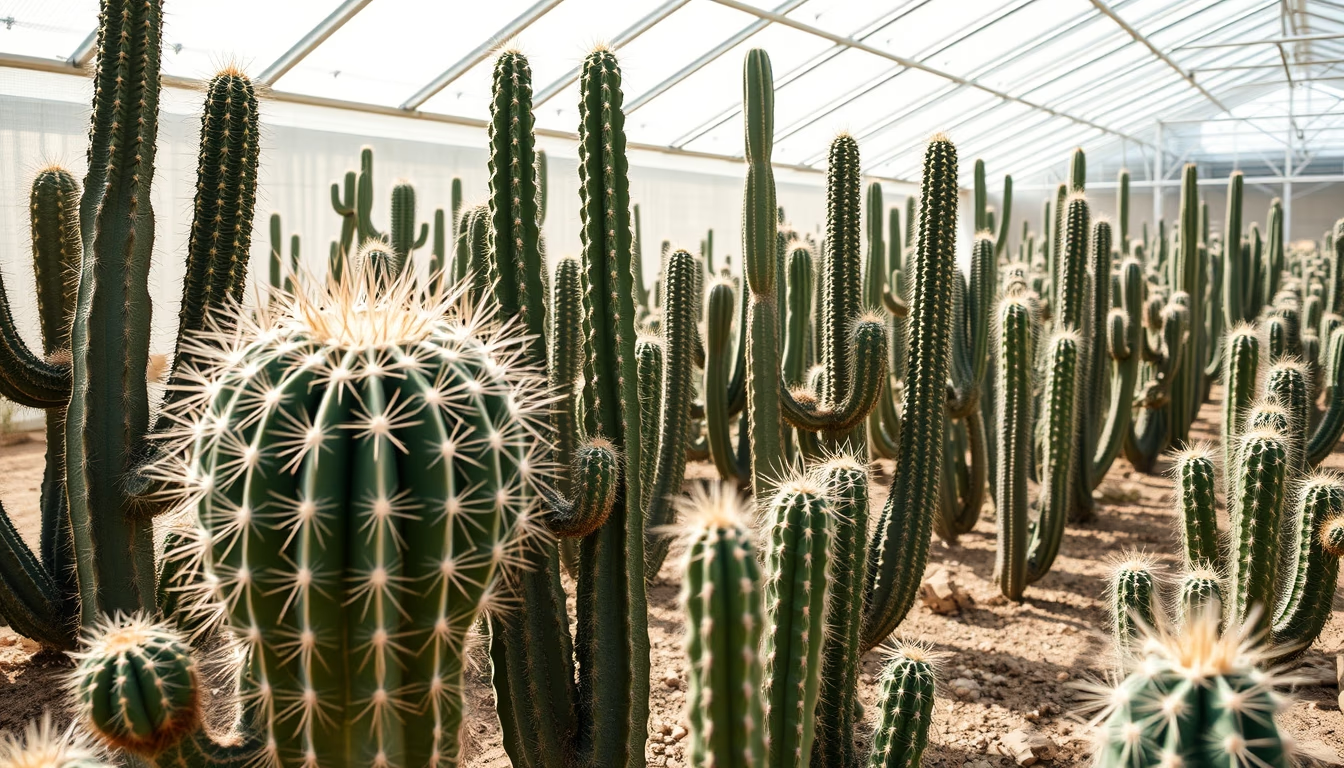
Cactus greenhouse desert
1344×768 · AVIF · CC BY 4.0
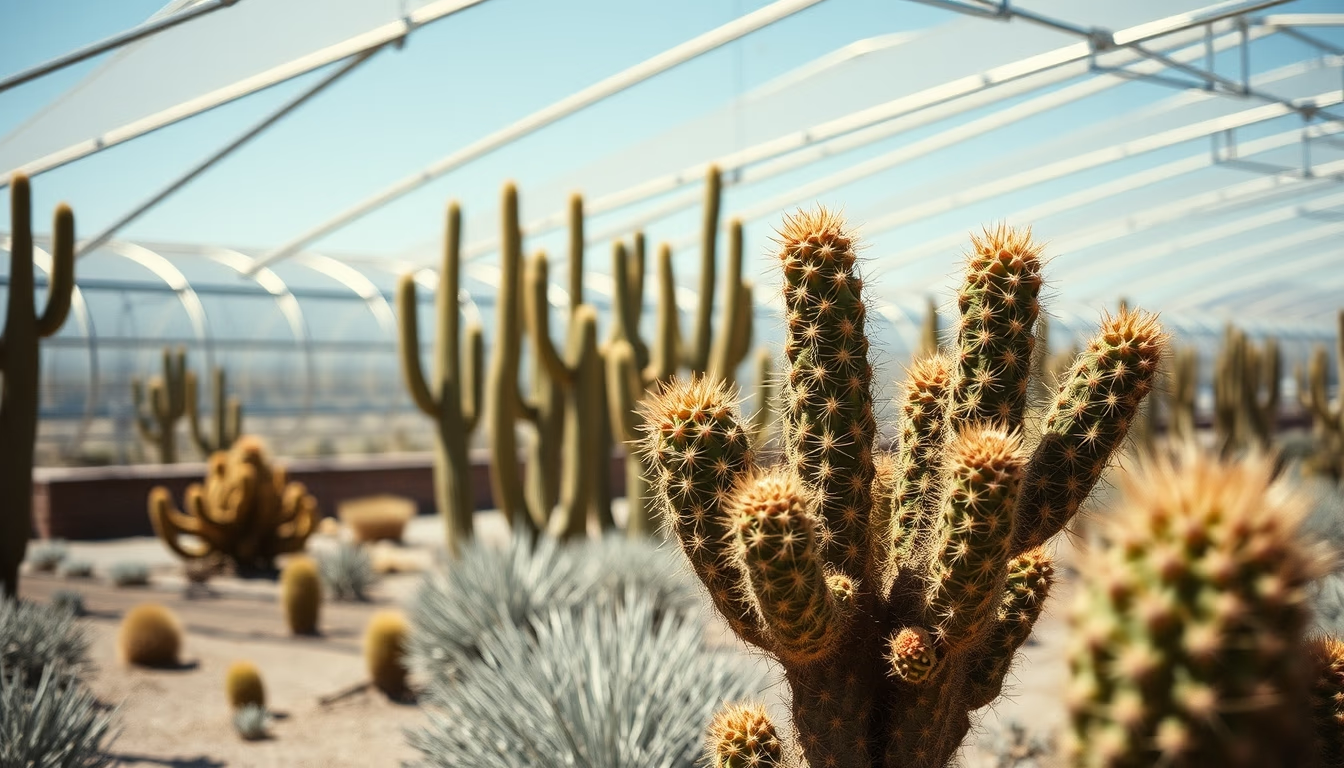
Cactus greenhouses in desert regions combine controlled agriculture with plants adapted to aridity, such as cacti from the Cactaceae family.
About this subject
Cactus greenhouses are specialized structures that allow controlled cultivation of these plants in desert or semi-arid environments. Cacti, belonging to the Cactaceae family, have unique physiological traits to survive low humidity: succulent stems for water storage, spines to reduce transpiration, and CAM (Crassulacean Acid Metabolism) photosynthesis that optimizes water use. In a desert greenhouse, temperature, light, and irrigation can be adjusted to mimic or improve natural conditions, extending the growing season and protecting plants from frost or excessive heat.
Such greenhouses are common in regions like the southwestern United States (Arizona, New Mexico), Mexico, and parts of Brazil, such as the Caatinga. In Brazil, cactus cultivation in greenhouses has grown due to interest in exotic ornamental plants and the production of food crops like the spineless cactus (Opuntia) and the xique-xique (Pilosocereus). For example, Opuntia is used in human food (nopal, cactus salad) and animal feed, especially in the Northeast, where prolonged drought makes pasture scarce. Desert greenhouses also serve scientific research on plant adaptation and conservation of species threatened by predatory collection.
An interesting aspect is the use of technologies such as drip irrigation and shade screens to prevent sunburn. Unlike greenhouses for tropical crops, cactus greenhouses require very well-drained soil, typically mixtures of sand, pumice, and low organic matter. Some desert greenhouses are designed to harvest rainwater or condense nighttime humidity, reducing water consumption. This makes them models of sustainable agriculture in arid regions.
The Cactaceae family comprises about 2,000 species, many endemic to the Americas. Cacti have cultural and economic importance: from the ancient Aztecs and Mayans, who used them in rituals and as medicine, to the modern cosmetics and dye industries. The cochineal insect (Dactylopius coccus), a parasite of Opuntia cacti, is the source of carmine dye, used in foods and cosmetics. In desert greenhouses, integrated pest management is crucial to control cochineals without harming the plants.
Frequently Asked Questions
Why grow cacti in a greenhouse in the desert if they are already adapted?
The greenhouse provides protection from extreme weather events like frost or dust storms and allows precise control of irrigation and temperature, optimizing growth and production of seedlings or fruits. It also prevents predatory collection of native species.
What are the main cactus species grown in greenhouses in Brazil?
The spineless cactus (Opuntia ficus-indica), xique-xique (Pilosocereus gounellei), and mandacaru (Cereus jamacaru) stand out. These are used for animal and human food, as well as ornamental purposes.
How is irrigation done in a desert cactus greenhouse?
Drip irrigation is typically used to avoid waterlogging. The substrate is highly draining (sand, gravel, perlite) and watering frequency varies by season, being less frequent in winter.
Direct URL
https://pub-c7d6a6ea828543ac903a74a341ccb2e1.r2.dev/imagens/cactus-greenhouse-desert-film-grain-authentic-fresh5.avifHow to credit
Include a visible link back to UtilizAí. Copy one of the snippets below:
<a href="https://xn--utiliza-eza.com/en/midia/imagens/cactus-greenhouse-desert-film-grain-authentic-fresh5">Cactus greenhouse desert</a> by <a href="https://xn--utiliza-eza.com">UtilizAí</a>, licensed under <a href="https://creativecommons.org/licenses/by/4.0/">CC BY 4.0</a>.
[Cactus greenhouse desert](https://xn--utiliza-eza.com/en/midia/imagens/cactus-greenhouse-desert-film-grain-authentic-fresh5) by [UtilizAí](https://xn--utiliza-eza.com), CC BY 4.0
License: CC-BY-4.0