Cabana beach overwater
1344×768 · AVIF · CC BY 4.0
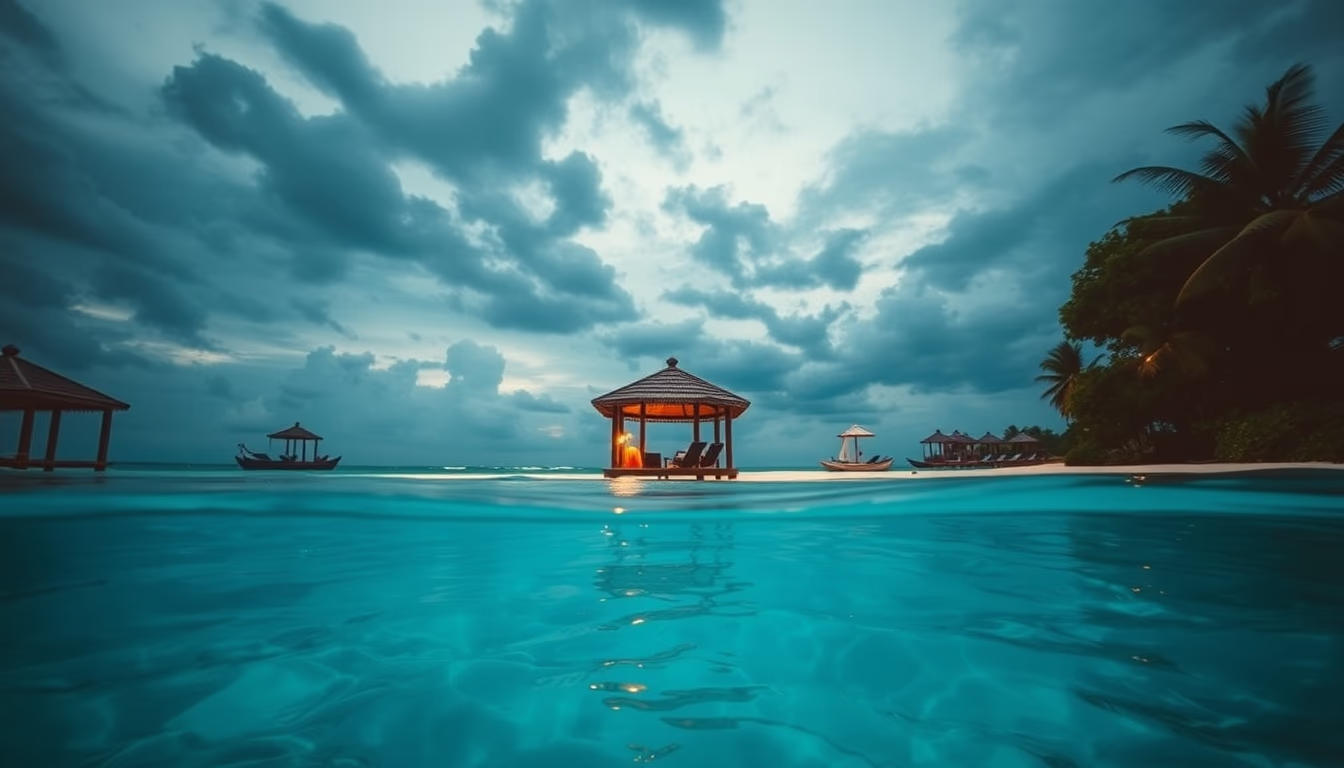
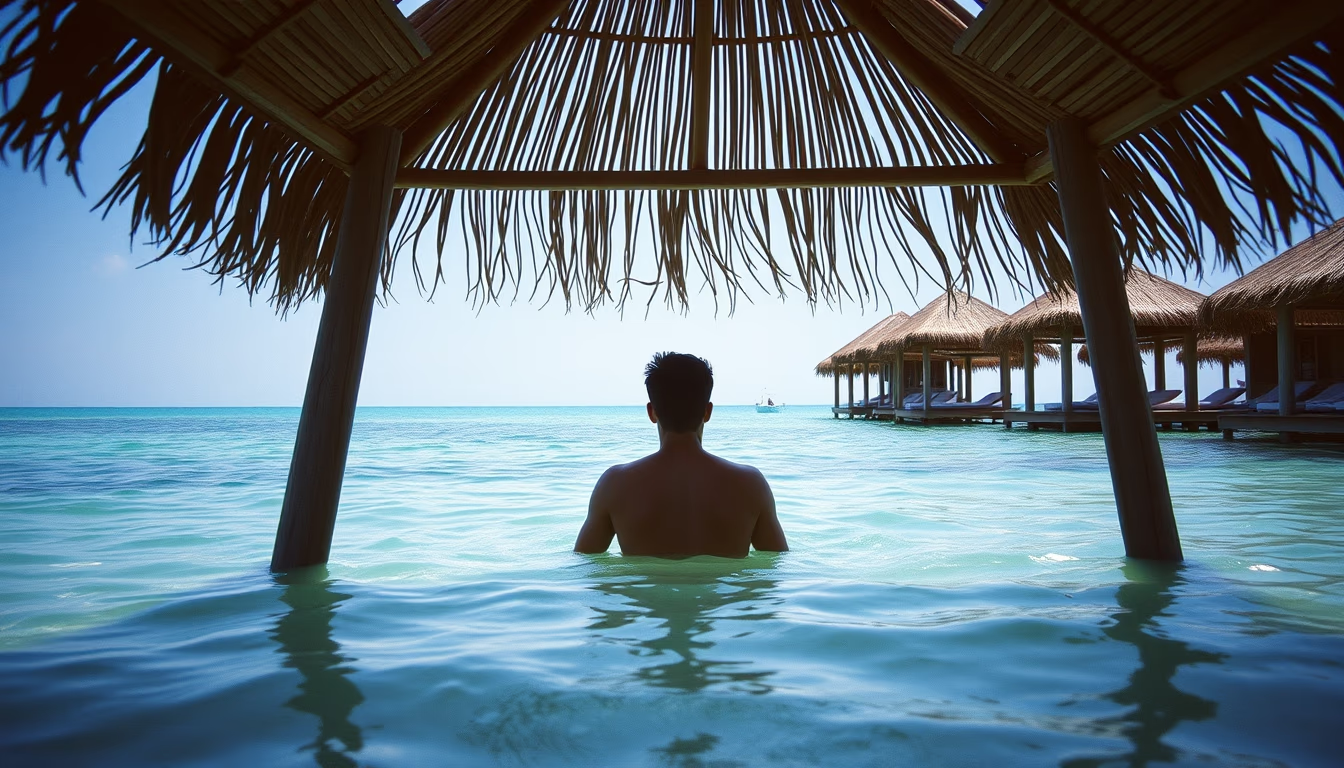
Overwater cabanas on tropical beaches offer exclusive refuge with panoramic sea views and soothing sounds of waves.
About this subject
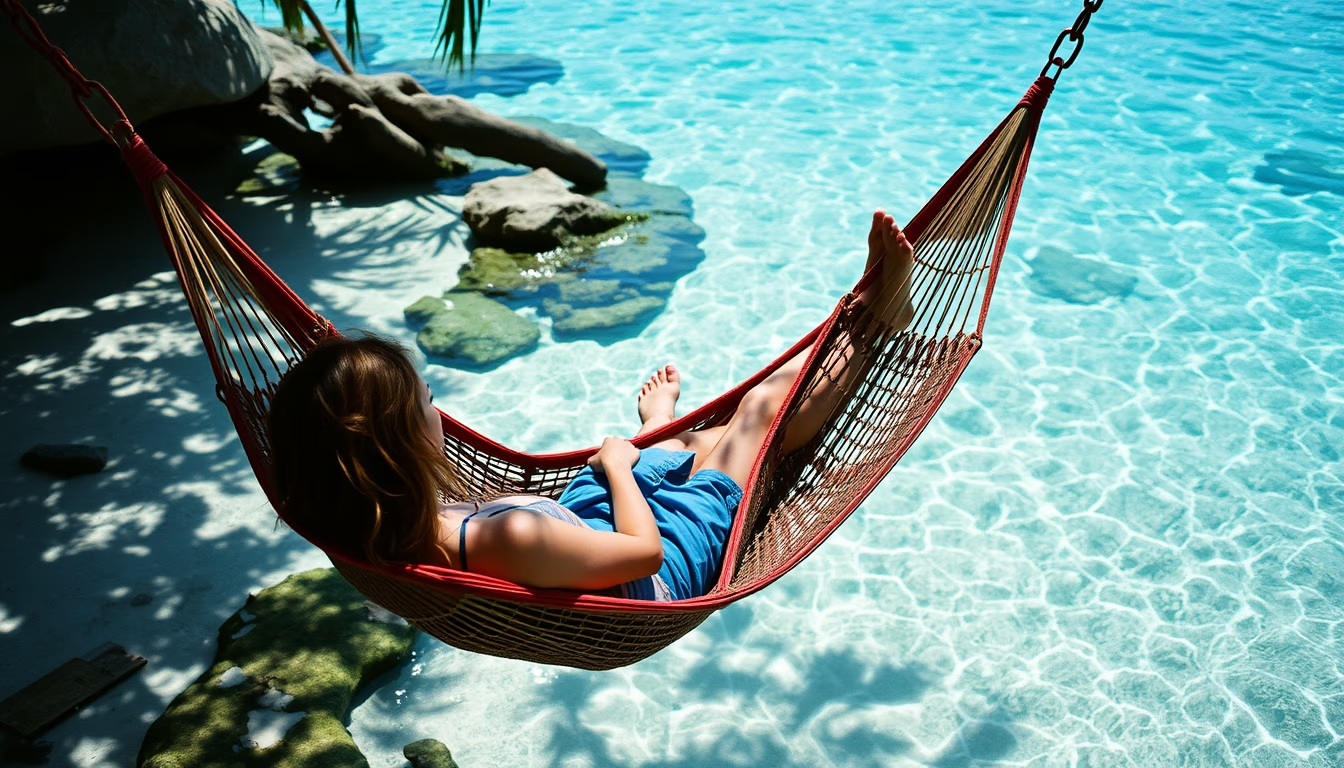
Overwater cabanas are popular structures in resorts and paradise beaches worldwide, notably in destinations like the Maldives, Thailand, the Caribbean, and Brazil (e.g., Fernando de Noronha or the northeastern coast). These constructions, typically made of wood and thatch, combine rustic design with modern comfort, allowing guests to enjoy the unique experience of being literally over the sea. Often equipped with lounges, hammocks, and direct water access, these cabanas have become icons of sustainable luxury and ecotourism.
The origin of this concept traces back to traditional bungalows in Southeast Asia, adapted for high-end tourism. In Brazil, similar structures can be found in beachside inns, such as at Praia do Espelho (BA) or Jericoacoara (CE). They symbolize the quest for disconnection and intimate contact with nature, frequently photographed at sunrise or sunset when light enhances the colors of the sea and sky.
Beyond aesthetic appeal, these cabanas play a role in coastal conservation by promoting low-impact tourism and valuing natural areas. Many hotels adopt eco-friendly practices, such as solar power and recyclable materials, to minimize environmental footprint. The image of an overwater cabana evokes tranquility, privacy, and a direct connection to the marine ecosystem.
Frequently Asked Questions
What are overwater cabanas?
They are structures built over the sea or lakes, typically in resorts, made of materials like wood and thatch, offering accommodation or lounge areas with direct water views.
Where can I find overwater cabanas in Brazil?
In Brazil, overwater cabanas are more common in tourist destinations such as Fernando de Noronha, Praia do Espelho (Bahia), and Jericoacoara (Ceará), often integrated into charming inns or hotels.
What is the environmental impact of these cabanas?
When well designed, they can have low impact, using sustainable materials and renewable energy. However, construction in sensitive areas requires licensing and conservation practices to avoid harming marine ecosystems.
Direct URL
https://pub-c7d6a6ea828543ac903a74a341ccb2e1.r2.dev/imagens/cabana-beach-overwater-fine-art-photography-fresh11.avifHow to credit
Include a visible link back to UtilizAí. Copy one of the snippets below:
<a href="https://xn--utiliza-eza.com/en/midia/imagens/cabana-beach-overwater-fine-art-photography-fresh11">Cabana beach overwater</a> by <a href="https://xn--utiliza-eza.com">UtilizAí</a>, licensed under <a href="https://creativecommons.org/licenses/by/4.0/">CC BY 4.0</a>.
[Cabana beach overwater](https://xn--utiliza-eza.com/en/midia/imagens/cabana-beach-overwater-fine-art-photography-fresh11) by [UtilizAí](https://xn--utiliza-eza.com), CC BY 4.0
License: CC-BY-4.0