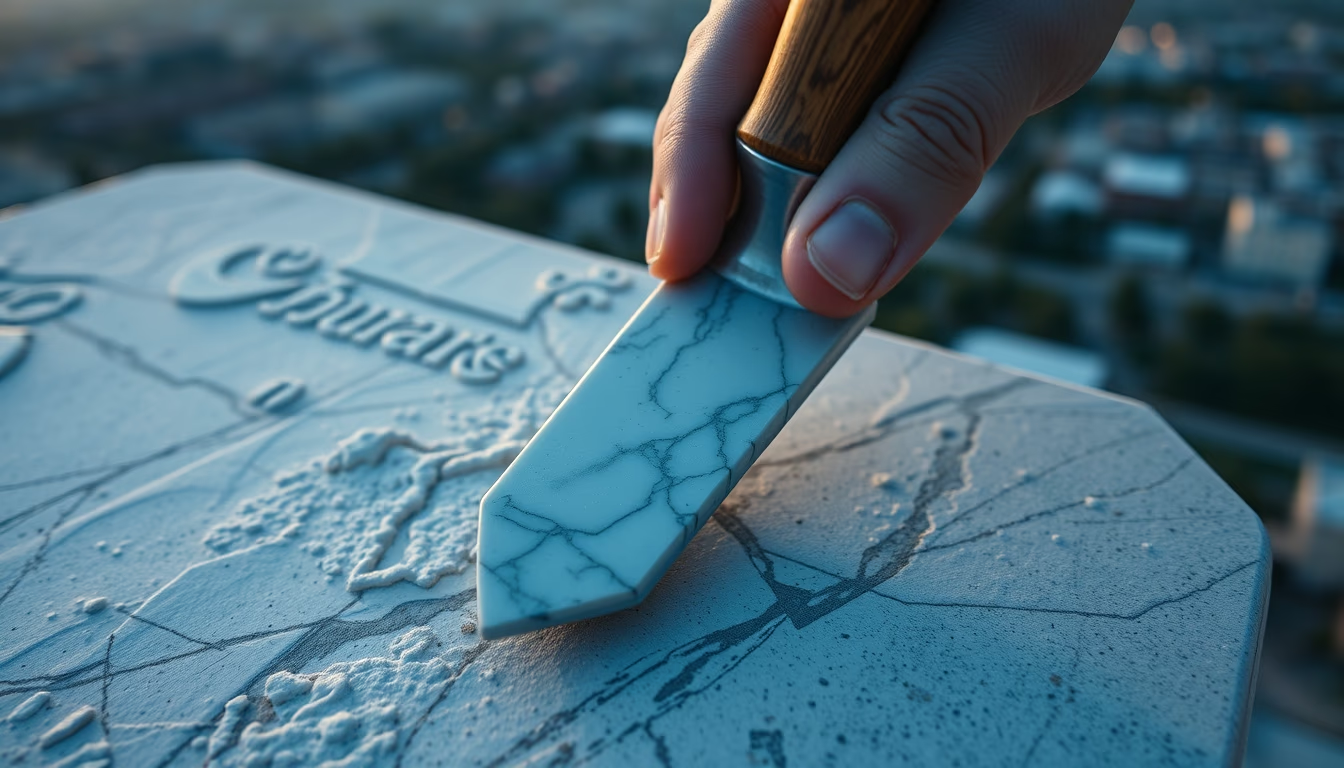
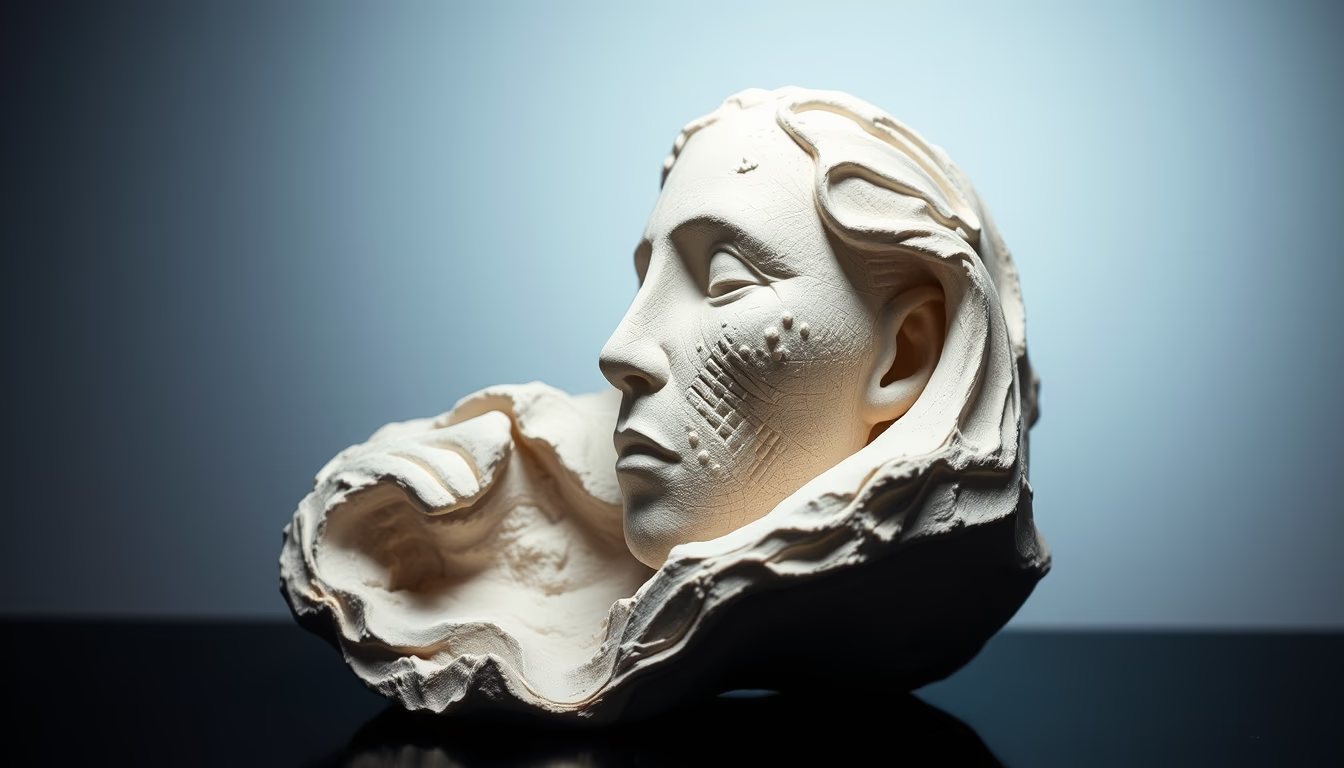
Bronze foundry pour
1344×768 · AVIF · CC BY 4.0
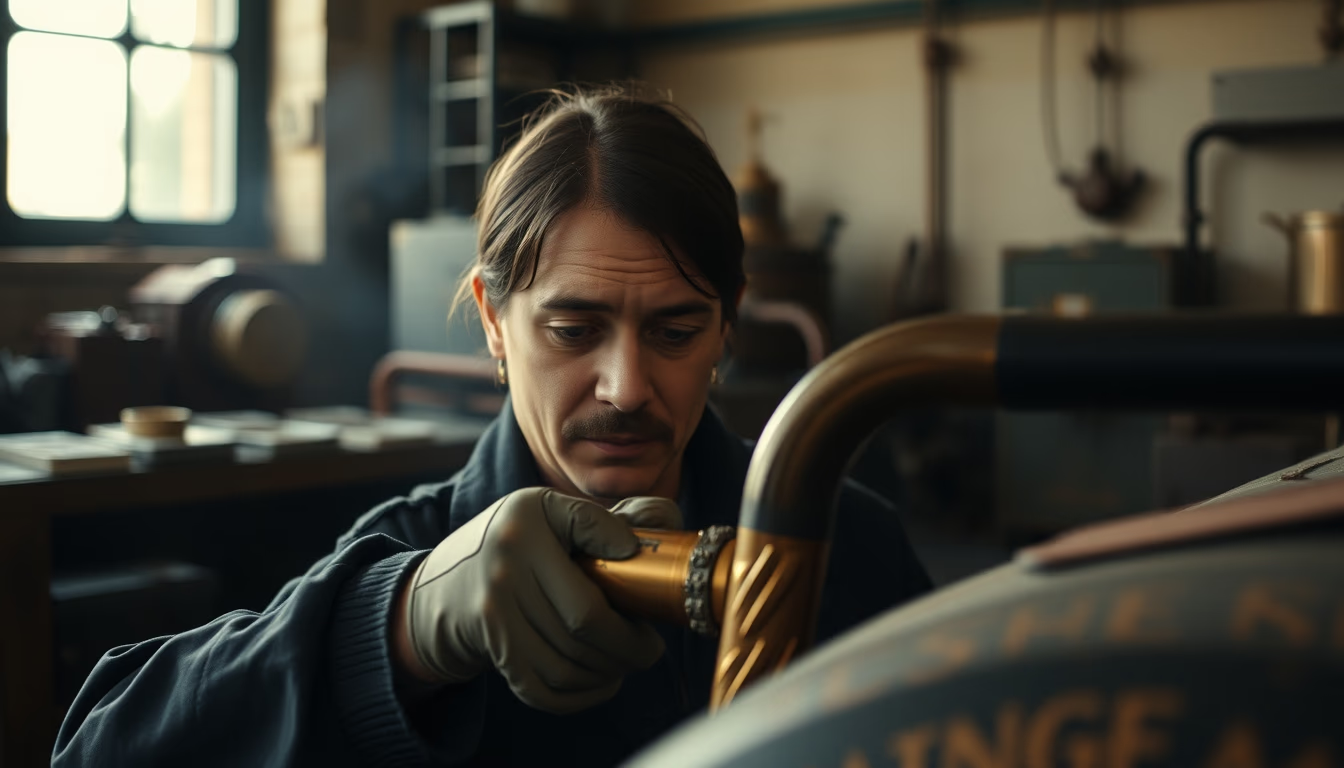
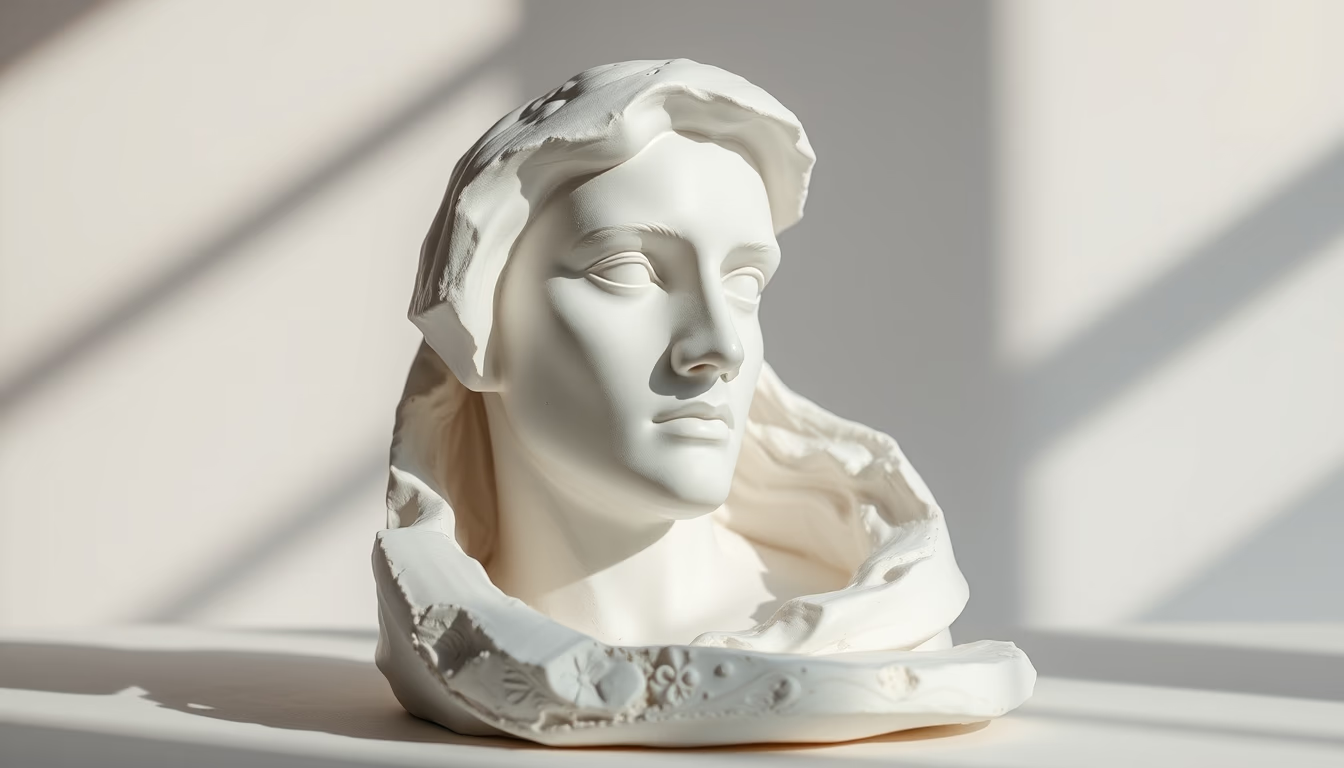
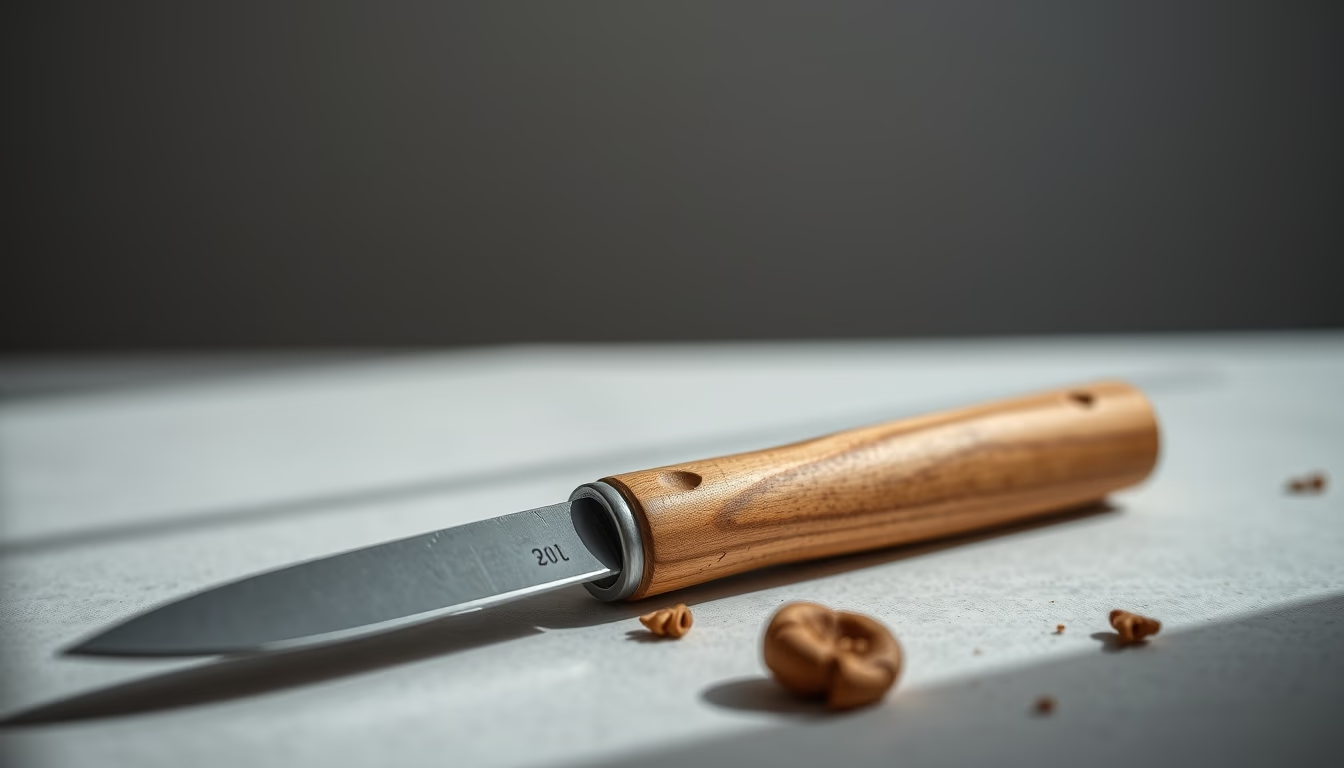
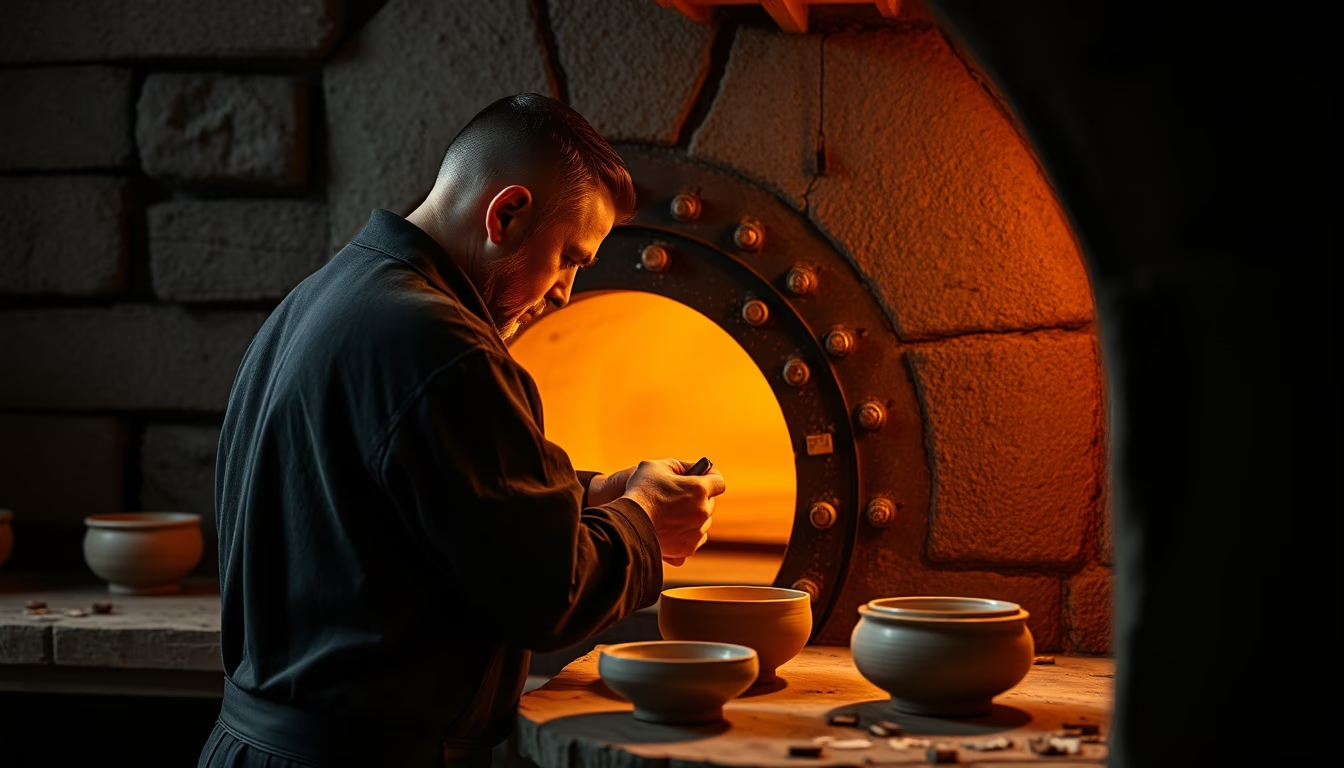
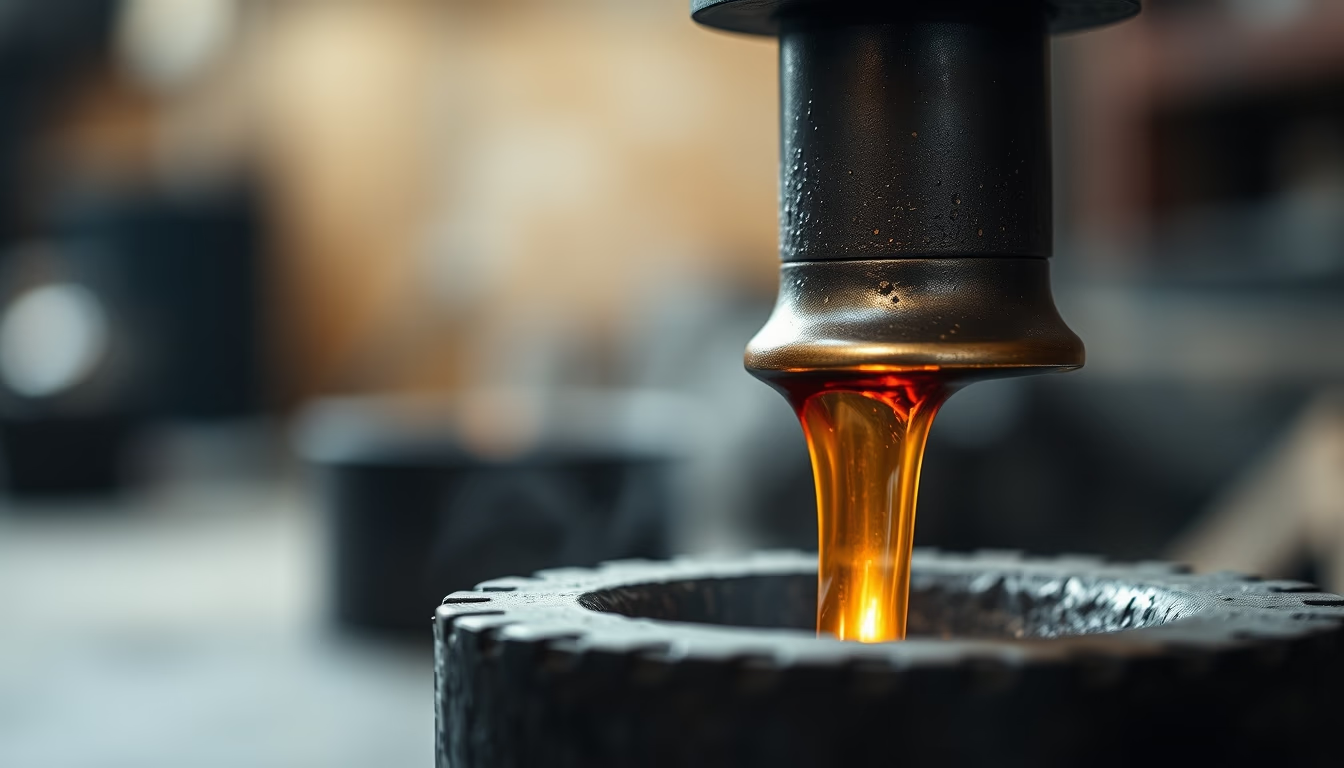
Bronze foundry pouring is an ancient process that transforms molten metal into sculptures and objects, blending art and technique.
About this subject
Bronze foundry pouring is a technique dating back over 4,000 years, with notable examples from the Bronze Age. The process begins with creating a mold, often from sand or lost wax, which is heated to receive the molten metal. Bronze, an alloy of copper and tin, reaches temperatures between 1,000°C and 1,200°C to be melted. In modern foundries, metal is heated in graphite or clay crucibles and poured manually or using precision equipment.
The lost-wax method, used since ancient Greece, allows fine details: a wax model is coated with clay, heated to melt out the wax, and then filled with bronze. Famous sculptures like Donatello's 'David' or Rodin's 'The Thinker' were created this way. In Brazil, the process is used by artists like Aleijadinho and in contemporary works from foundries in São Paulo and Minas Gerais.
Safety is crucial: molten bronze can cause severe burns, and operators wear protective gear like leather aprons and face shields. Controlled cooling prevents defects such as porosity or cracks, which could ruin the piece. Each pour is a critical moment, as the metal solidifies quickly, requiring precision.
Interestingly, bronze is also used for bells, statues, and musical instruments due to its durability and resonance. Recycling bronze scrap is common, reducing environmental impact. The pouring technique continues to evolve, with new processes like vacuum casting to minimize imperfections.
Frequently Asked Questions
What temperature is needed to melt bronze?
Bronze melts between 1,000°C and 1,200°C, depending on the alloy composition (copper and tin).
What is the lost-wax technique?
Lost-wax is a casting method where a wax model is coated with clay, heated to remove the wax, and the resulting mold is filled with molten bronze. It allows intricate details.
What are the main risks in bronze pouring?
The biggest risk is severe burns from molten metal. There is also danger from toxic fumes and explosions if moisture is present in the mold. Protective gear is essential.
Direct URL
https://pub-c7d6a6ea828543ac903a74a341ccb2e1.r2.dev/imagens/bronze-foundry-pour-film-grain-authentic-fresh6.avifHow to credit
Include a visible link back to UtilizAí. Copy one of the snippets below:
<a href="https://xn--utiliza-eza.com/en/midia/imagens/bronze-foundry-pour-film-grain-authentic-fresh6">Bronze foundry pour</a> by <a href="https://xn--utiliza-eza.com">UtilizAí</a>, licensed under <a href="https://creativecommons.org/licenses/by/4.0/">CC BY 4.0</a>.
[Bronze foundry pour](https://xn--utiliza-eza.com/en/midia/imagens/bronze-foundry-pour-film-grain-authentic-fresh6) by [UtilizAí](https://xn--utiliza-eza.com), CC BY 4.0
License: CC-BY-4.0