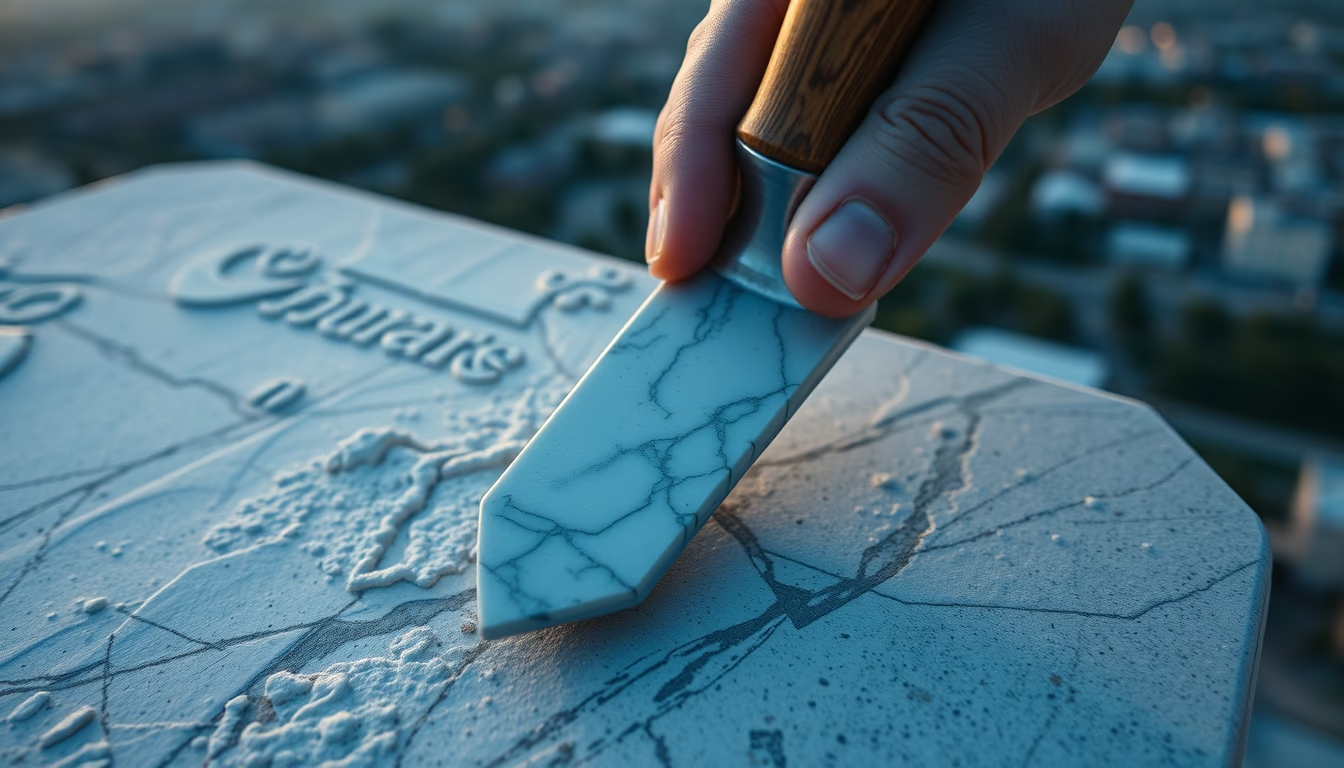
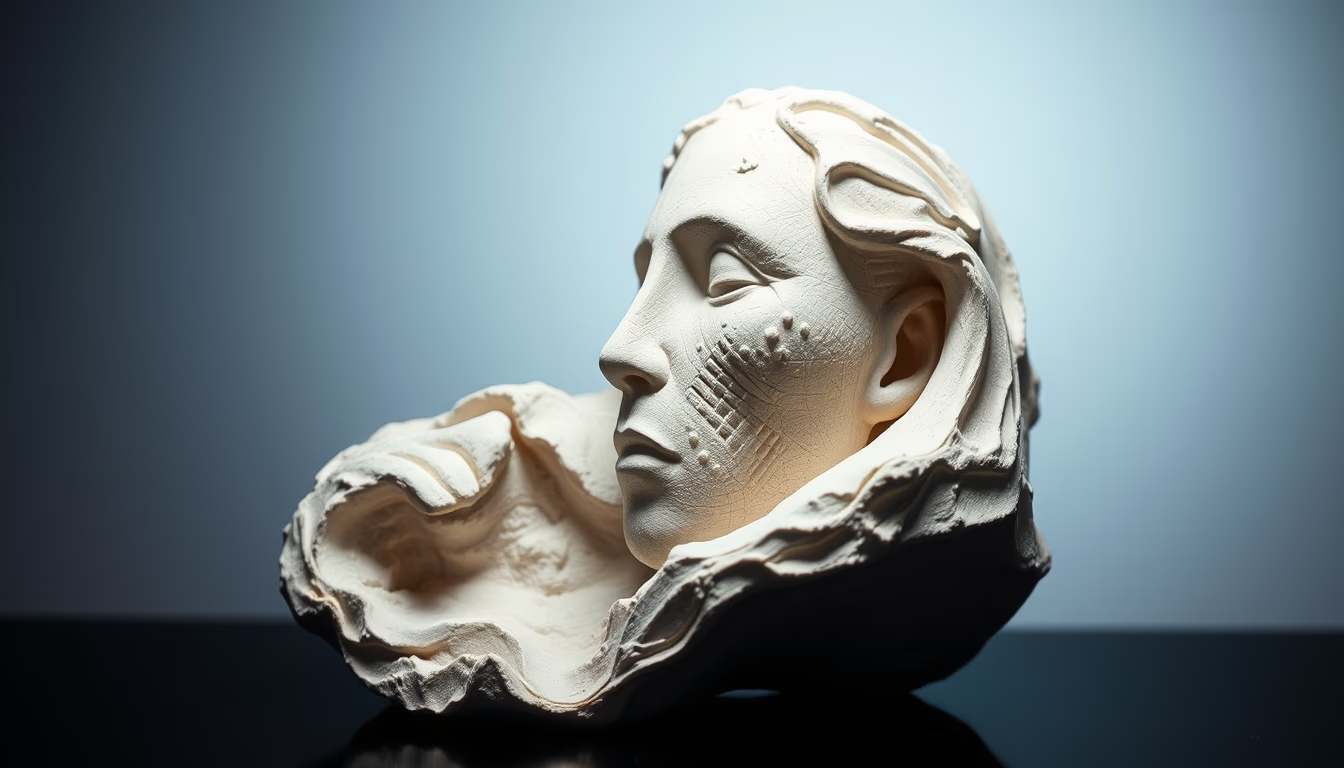
Bronze foundry pour
1344×768 · AVIF · CC BY 4.0
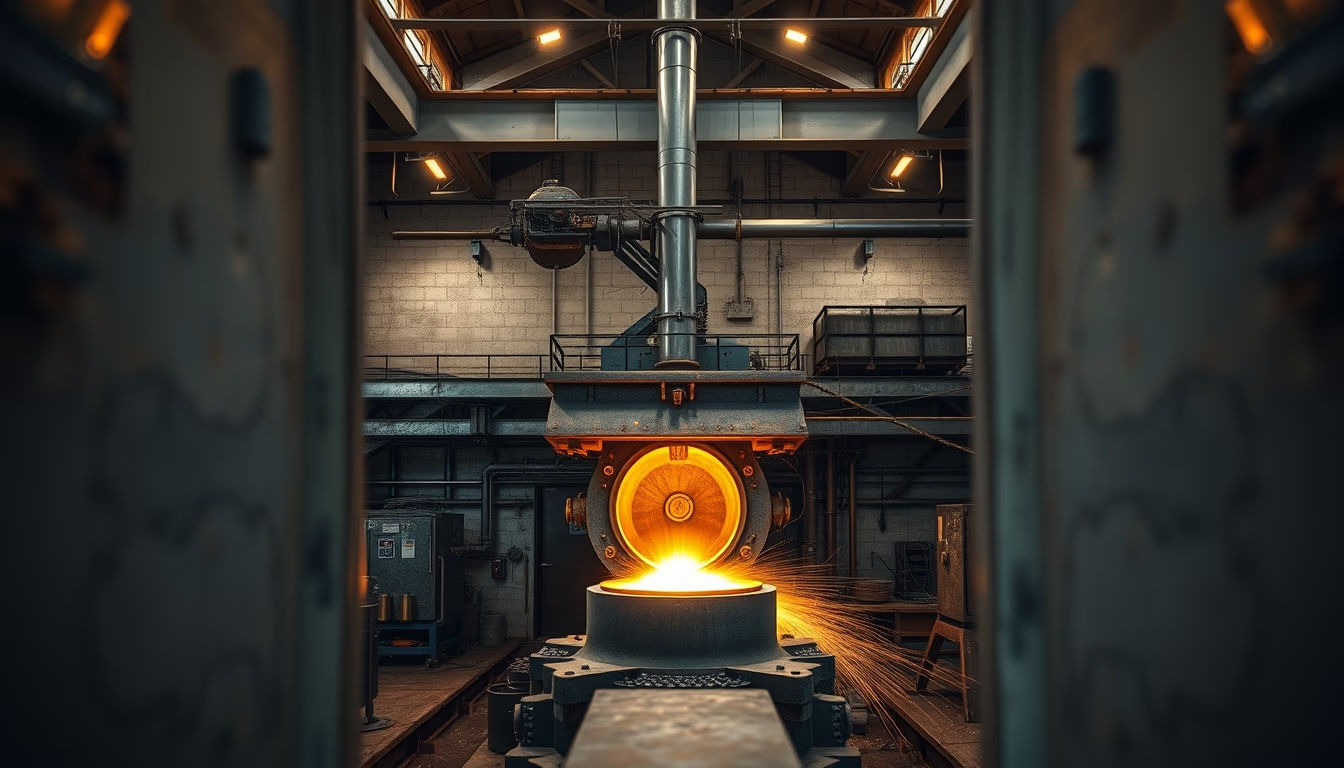
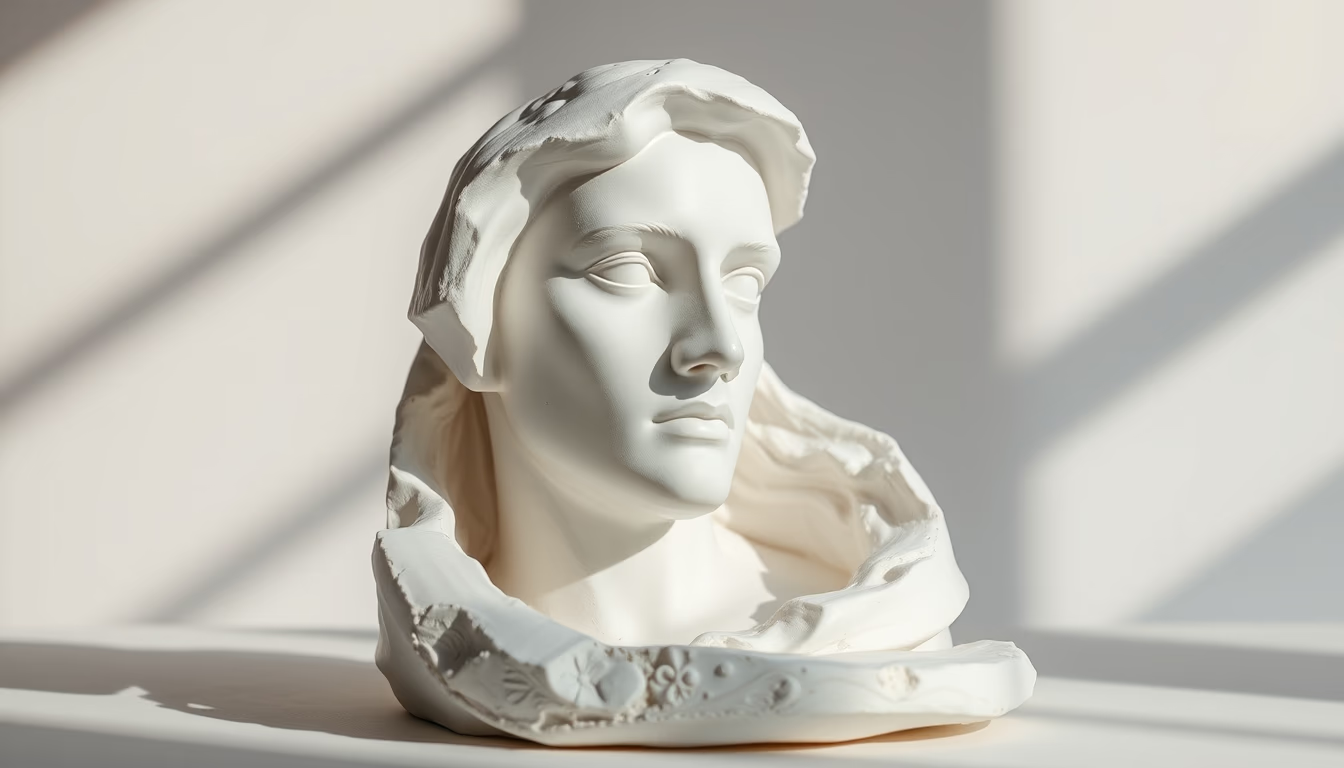
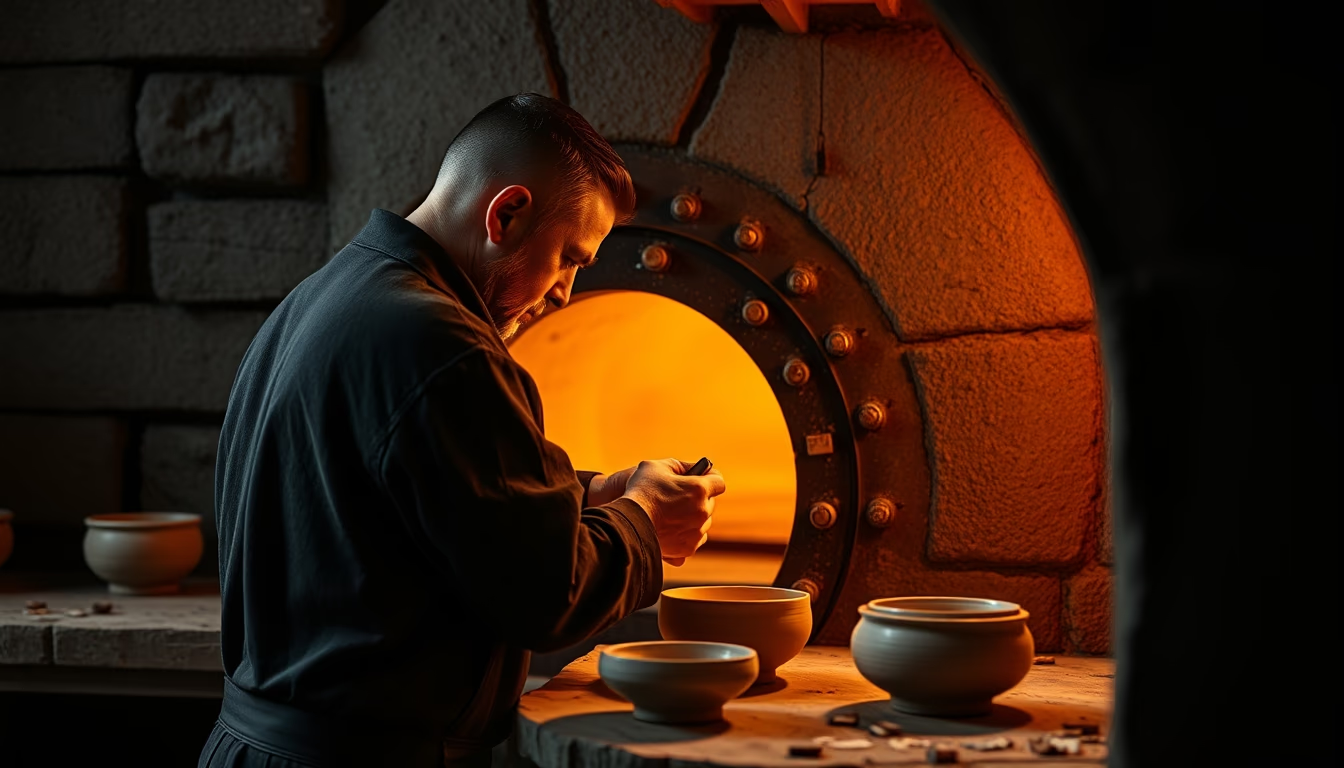
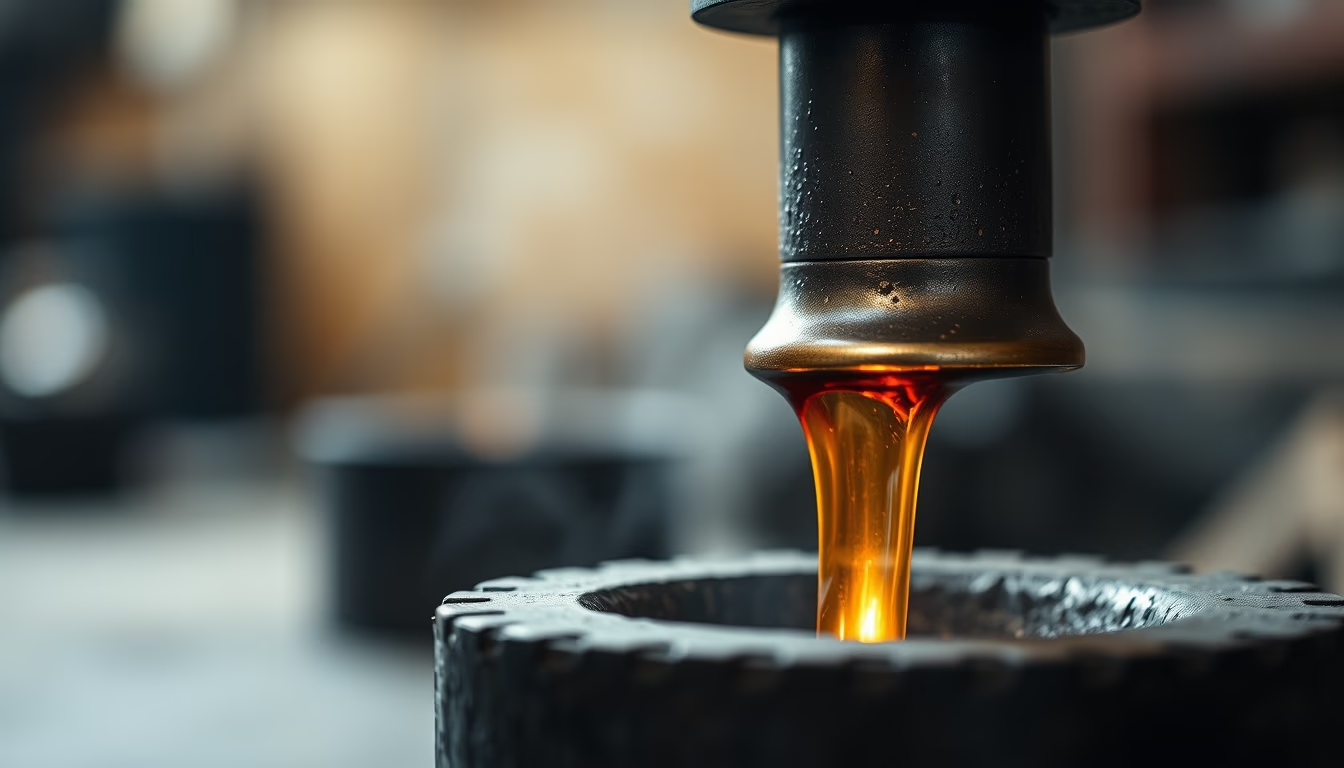
The bronze foundry pour is the critical stage where molten metal is poured into molds, creating sculptures and industrial components.
About this subject
Bronze pouring, also known as gravity casting or direct pouring, is an ancient technique dating back to the Bronze Age, around 4,000 years ago. In this process, bronze (an alloy of copper and tin) is heated in crucibles to temperatures between 1,000°C and 1,200°C until liquid. The molten metal is then carefully poured into preheated molds, typically made of sand or lost wax, to avoid thermal shock and ensure complete filling of cavities.
Precision during pouring is crucial for final piece quality. Experienced foundry workers control the speed and flow to prevent air bubbles or slag inclusions. Modern techniques incorporate temperature sensors and automated pouring systems, but many artisanal foundries still rely on manual skill. Cooling can take hours or days depending on piece size, followed by mold removal, fettling, and finishing.
In Brazil, artistic bronze casting has a strong tradition, especially in states like Minas Gerais and São Paulo, where studios produce works from Aleijadinho sculptures to contemporary art. Bronze alloy composition varies: statues use higher copper content for malleability, while mechanical components may add lead or zinc for strength. Interestingly, historic bells were made from high-grade bronze because the metal vibrates harmoniously.
Environmentally, bronze founding is energy-intensive, but the material is 100% recyclable. Recycling bronze scrap reduces ore consumption and lowers CO₂ emissions. Large foundries follow strict safety regulations for handling high temperatures and metal fumes, including exhaust systems and personal protective equipment.
Frequently Asked Questions
What is the ideal temperature for melting bronze?
Bronze melts between 1,000°C and 1,200°C, depending on the alloy composition. Alloys with higher tin content have a lower melting point.
What are the most common bronze casting methods?
The main methods are lost-wax casting (for complex artistic pieces) and sand casting (for larger or simpler parts). Both involve pouring molten metal into molds.
Can cast bronze be recycled?
Yes, bronze is 100% recyclable. Bronze scrap is remelted to create new products, conserving natural resources and energy.
Direct URL
https://pub-c7d6a6ea828543ac903a74a341ccb2e1.r2.dev/imagens/bronze-foundry-pour-architectural-photography-fresh5.avifHow to credit
Include a visible link back to UtilizAí. Copy one of the snippets below:
<a href="https://xn--utiliza-eza.com/en/midia/imagens/bronze-foundry-pour-architectural-photography-fresh5">Bronze foundry pour</a> by <a href="https://xn--utiliza-eza.com">UtilizAí</a>, licensed under <a href="https://creativecommons.org/licenses/by/4.0/">CC BY 4.0</a>.
[Bronze foundry pour](https://xn--utiliza-eza.com/en/midia/imagens/bronze-foundry-pour-architectural-photography-fresh5) by [UtilizAí](https://xn--utiliza-eza.com), CC BY 4.0
License: CC-BY-4.0