Bordeaux chateau vineyards
1344×768 · AVIF · CC BY 4.0
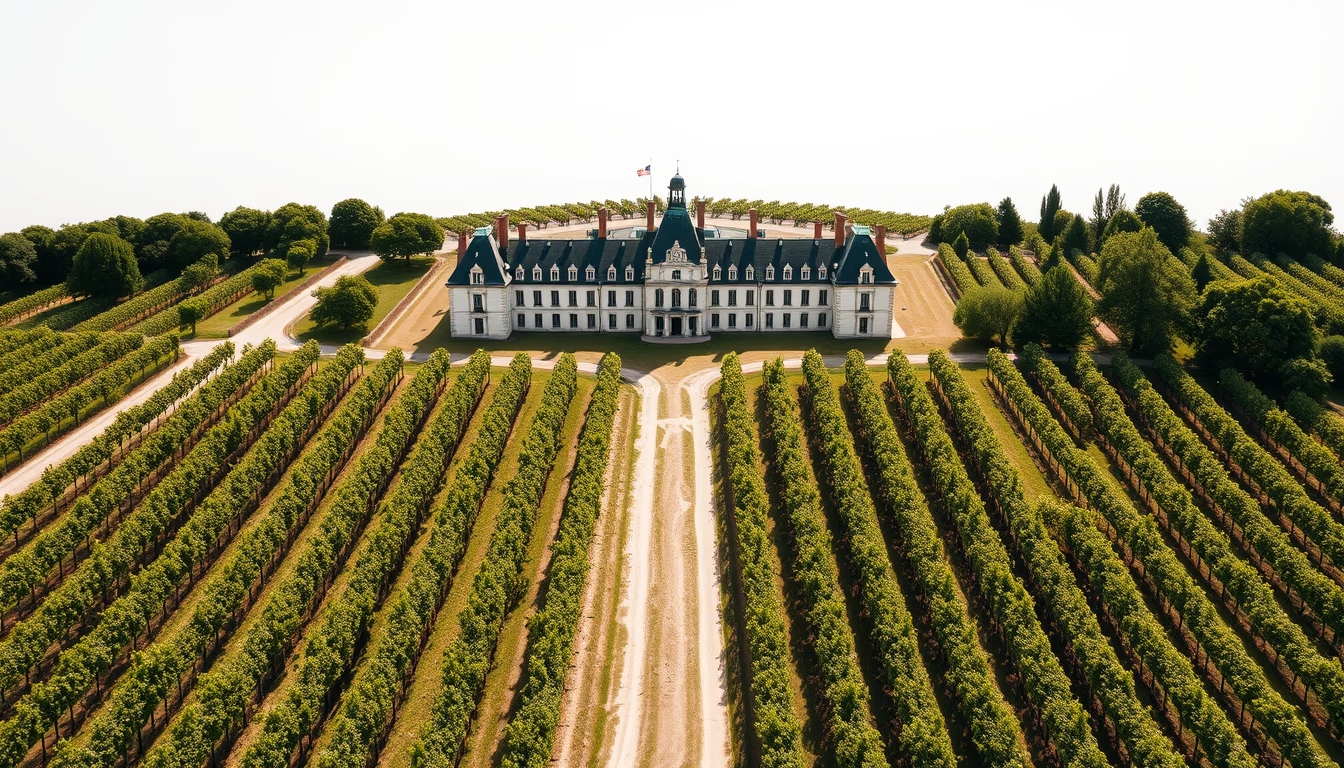
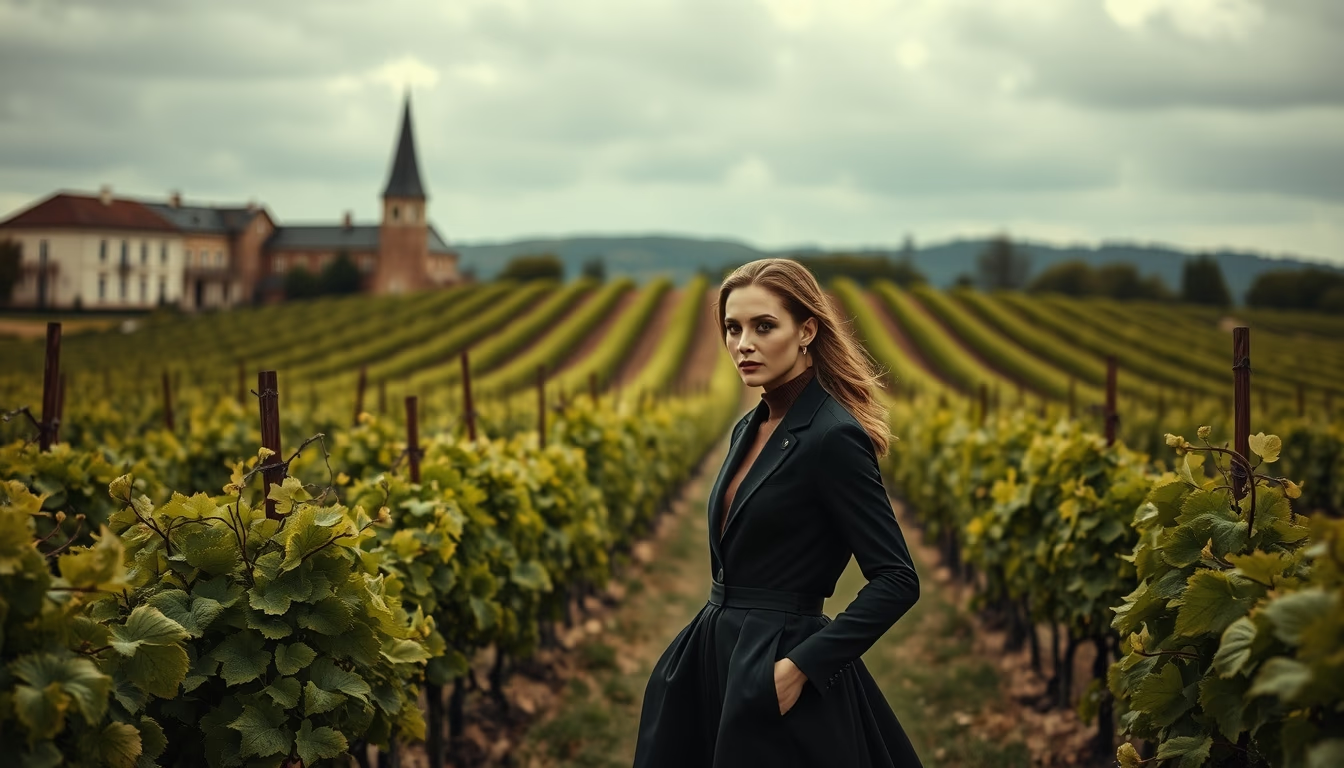
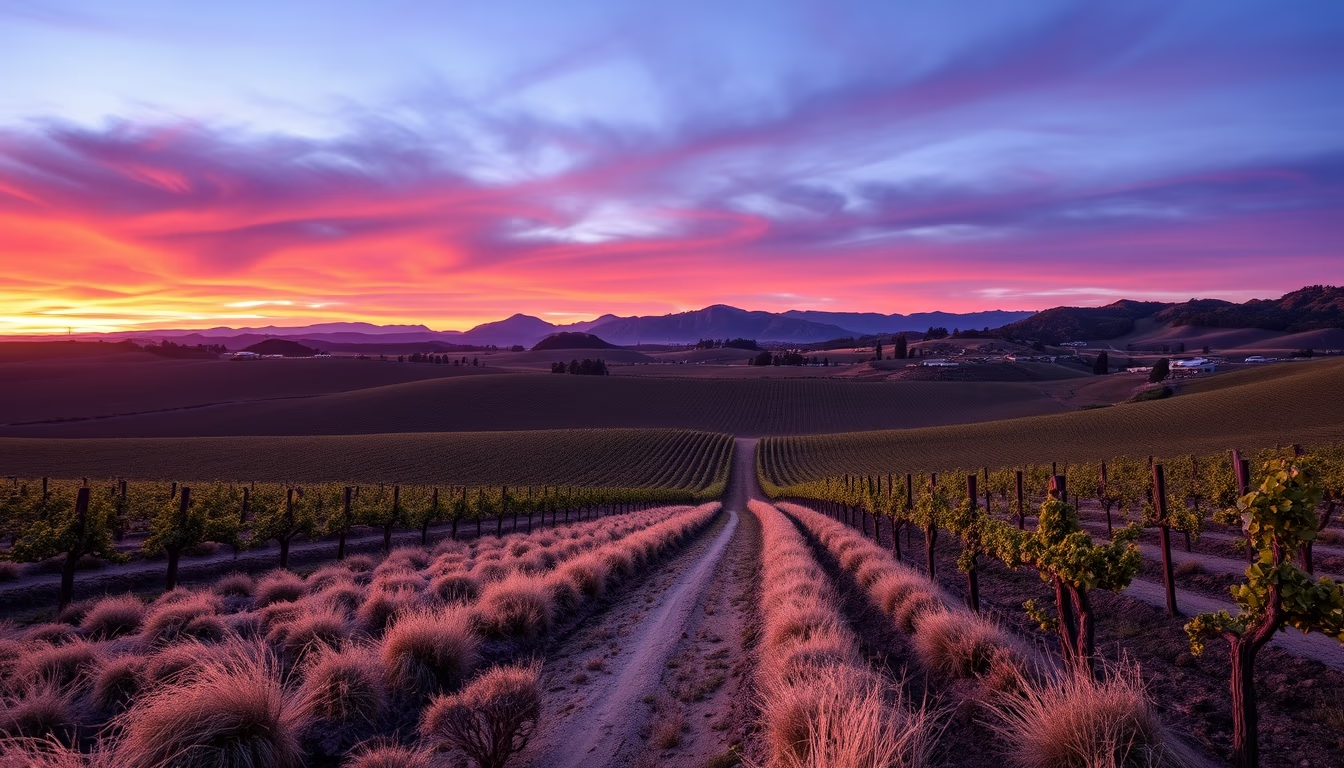
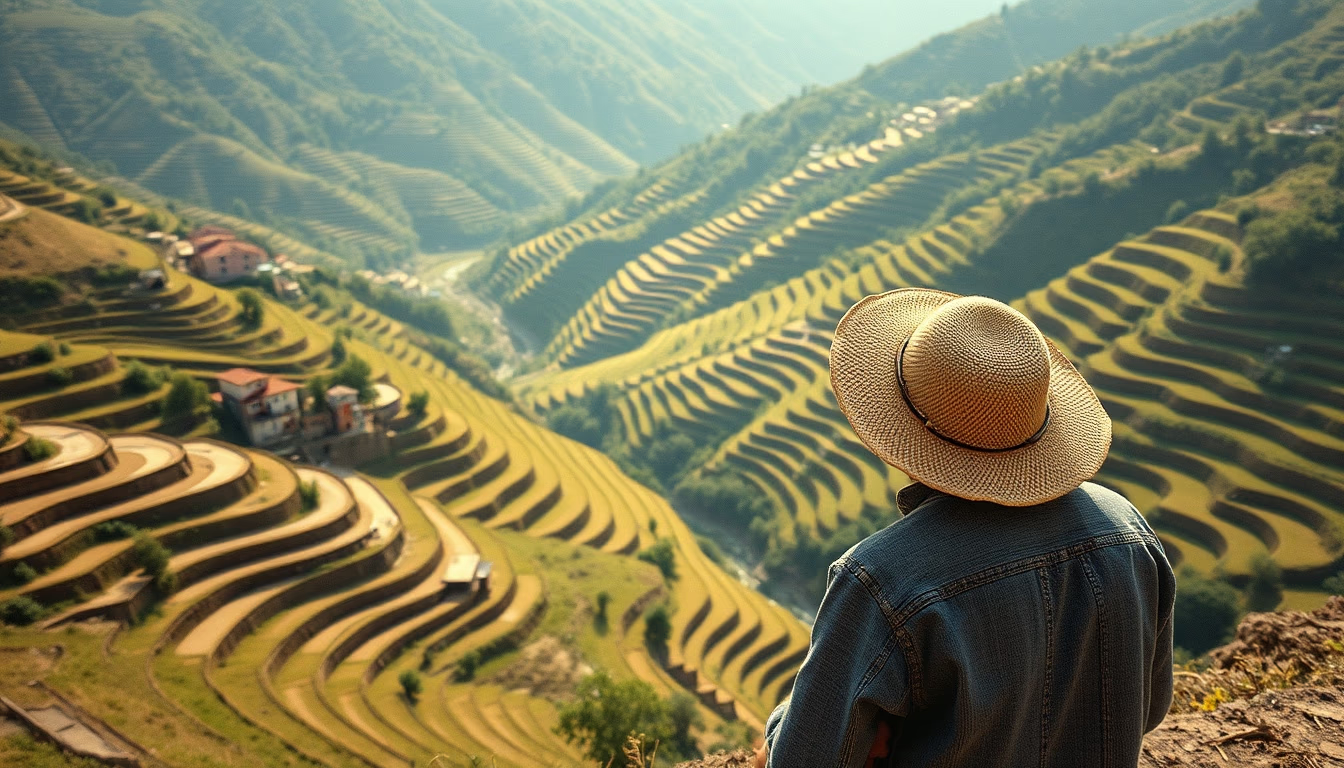
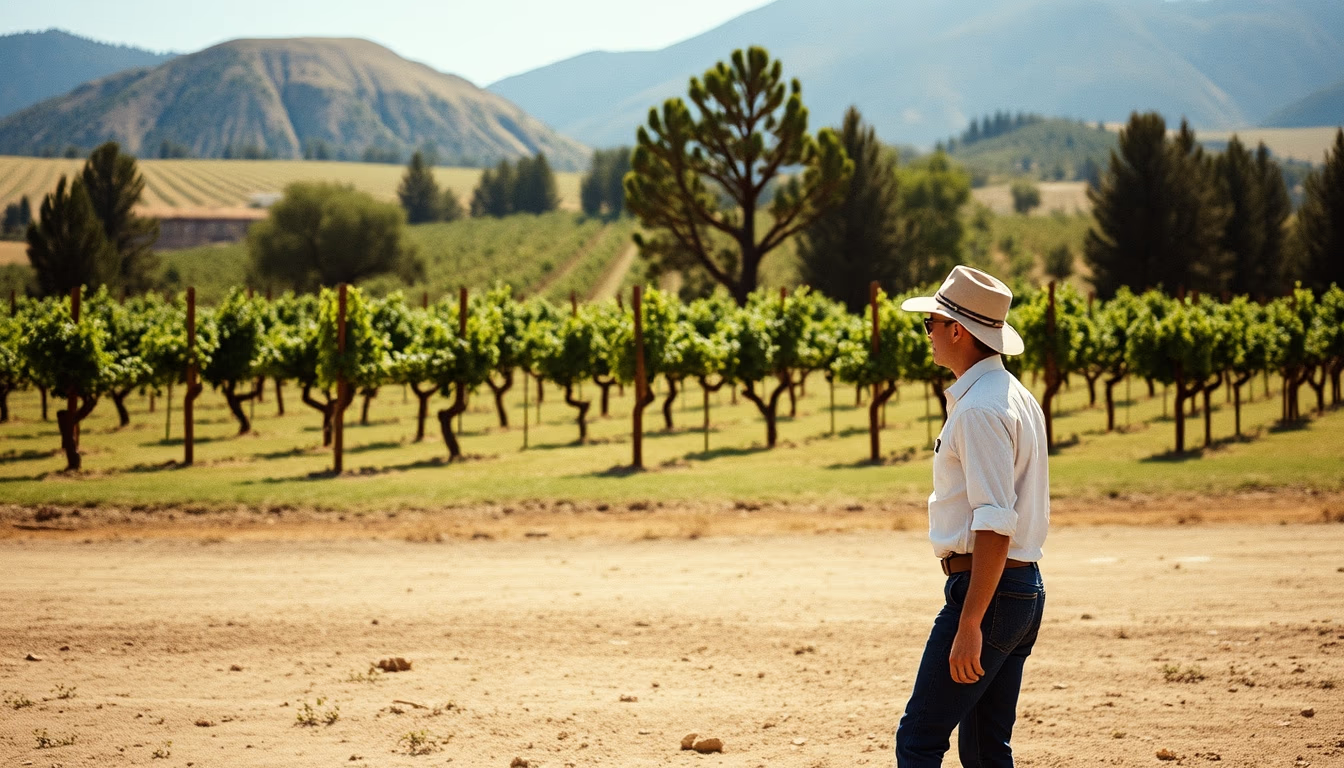
The vineyards of Bordeaux châteaux form one of the world's most renowned wine regions, with centuries of tradition and strict classification systems.
About this subject
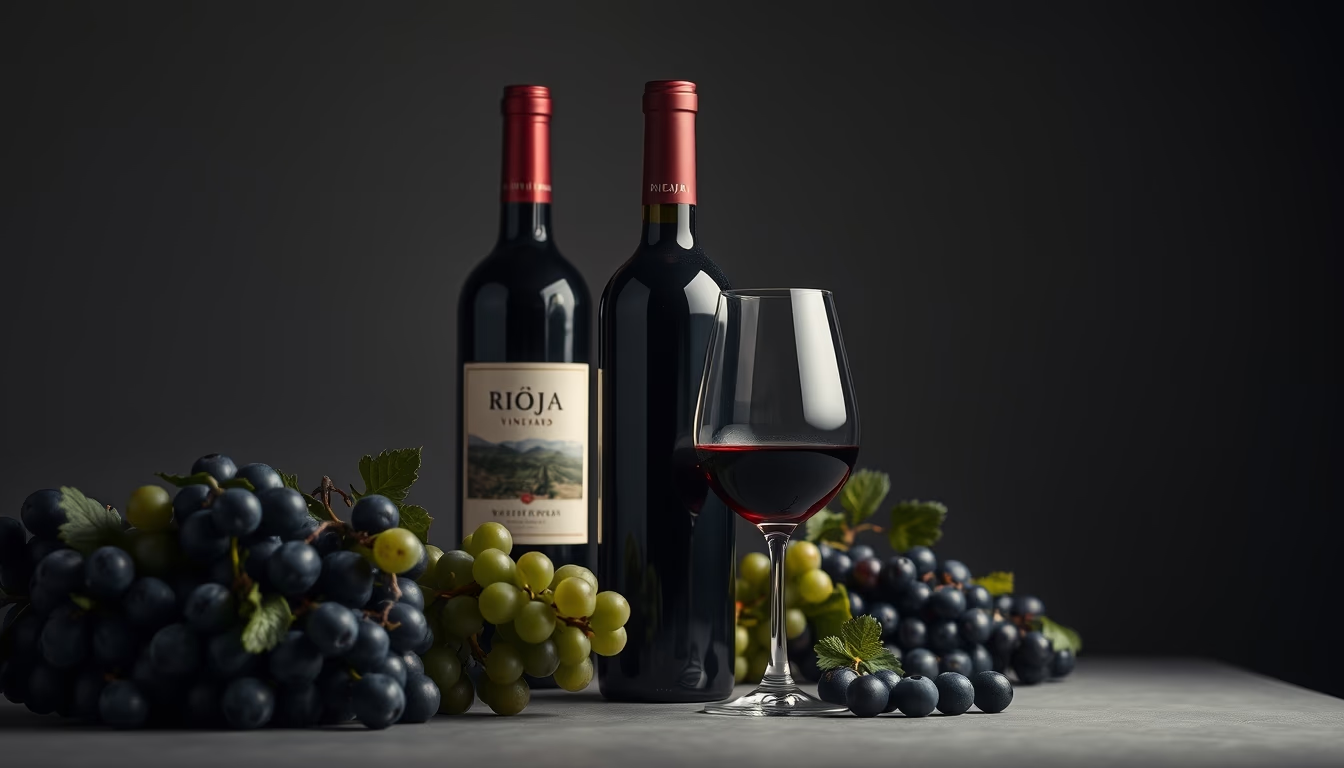
The Bordeaux wine region in southwestern France is globally celebrated for its high-quality red wines made from grapes such as Cabernet Sauvignon, Merlot, and Cabernet Franc. The area is divided into sub-regions like Médoc, Graves, Saint-Émilion, and Pomerol, each with distinct soil and climate characteristics. Châteaux, historic estates that grow and bottle their own wines, form the heart of the local wine culture. Many of these castles date from the 18th and 19th centuries and feature grand architecture surrounded by meticulously maintained vineyards.
The Bordeaux classification system, established in 1855 for the Universal Exhibition in Paris, ranked the châteaux of Médoc and Sauternes into five levels known as Crus Classés. Though controversial, this system still serves as a prestige guide. Other classifications, such as the Grands Crus Classés of Saint-Émilion and the Graves classification, complete the landscape. The region also produces sweet white wines like Sauternes and dry white wines, especially in Pessac-Léognan.
The tradition of aging in oak barrels is a hallmark of Bordeaux wines. The wines are typically blends of different grape varieties, following recipes that vary by château. Terroir, the combination of soil, climate, and viticultural practices, is key to the wines' identity. Soils are predominantly gravel, clay, and limestone, providing excellent drainage and complexity to the wines.
Interestingly, Bordeaux wines have been referred to as "claret" in England since the Middle Ages, a term that persists for light red wines from the region. The city of Bordeaux, a major historical port, was crucial for wine trade, especially with Britain. Today, the region produces around 700 million bottles per year, making it the largest controlled appellation in France.
Frequently Asked Questions
What is the difference between a château and a generic Bordeaux wine?
A château is an estate that grows, bottles, and sells its own wine from its grapes, ensuring traceability and quality. Generic wines (like Bordeaux AOC) are blends from different producers, usually more affordable but without the same terroir identity.
What does the 1855 classification mean and why is it important?
The 1855 classification was an official ranking of the best Bordeaux châteaux for the Universal Exhibition in Paris. It divided wines into five levels (Premier Cru to Cinquième Cru) and still serves as a prestige benchmark, influencing prices and reputation.
What are the main grape varieties used in Bordeaux red wines?
The main red grapes are Cabernet Sauvignon, Merlot, Cabernet Franc, Petit Verdot, and Malbec. Merlot dominates the Right Bank (Saint-Émilion, Pomerol), while Cabernet Sauvignon is more common on the Left Bank (Médoc, Graves).
Direct URL
https://pub-c7d6a6ea828543ac903a74a341ccb2e1.r2.dev/imagens/bordeaux-chateau-vineyards-isometric-flat-lay-fresh3.avifHow to credit
Include a visible link back to UtilizAí. Copy one of the snippets below:
<a href="https://xn--utiliza-eza.com/en/midia/imagens/bordeaux-chateau-vineyards-isometric-flat-lay-fresh3">Bordeaux chateau vineyards</a> by <a href="https://xn--utiliza-eza.com">UtilizAí</a>, licensed under <a href="https://creativecommons.org/licenses/by/4.0/">CC BY 4.0</a>.
[Bordeaux chateau vineyards](https://xn--utiliza-eza.com/en/midia/imagens/bordeaux-chateau-vineyards-isometric-flat-lay-fresh3) by [UtilizAí](https://xn--utiliza-eza.com), CC BY 4.0
License: CC-BY-4.0