Bonsai rock landscape
1344×768 · AVIF · CC BY 4.0
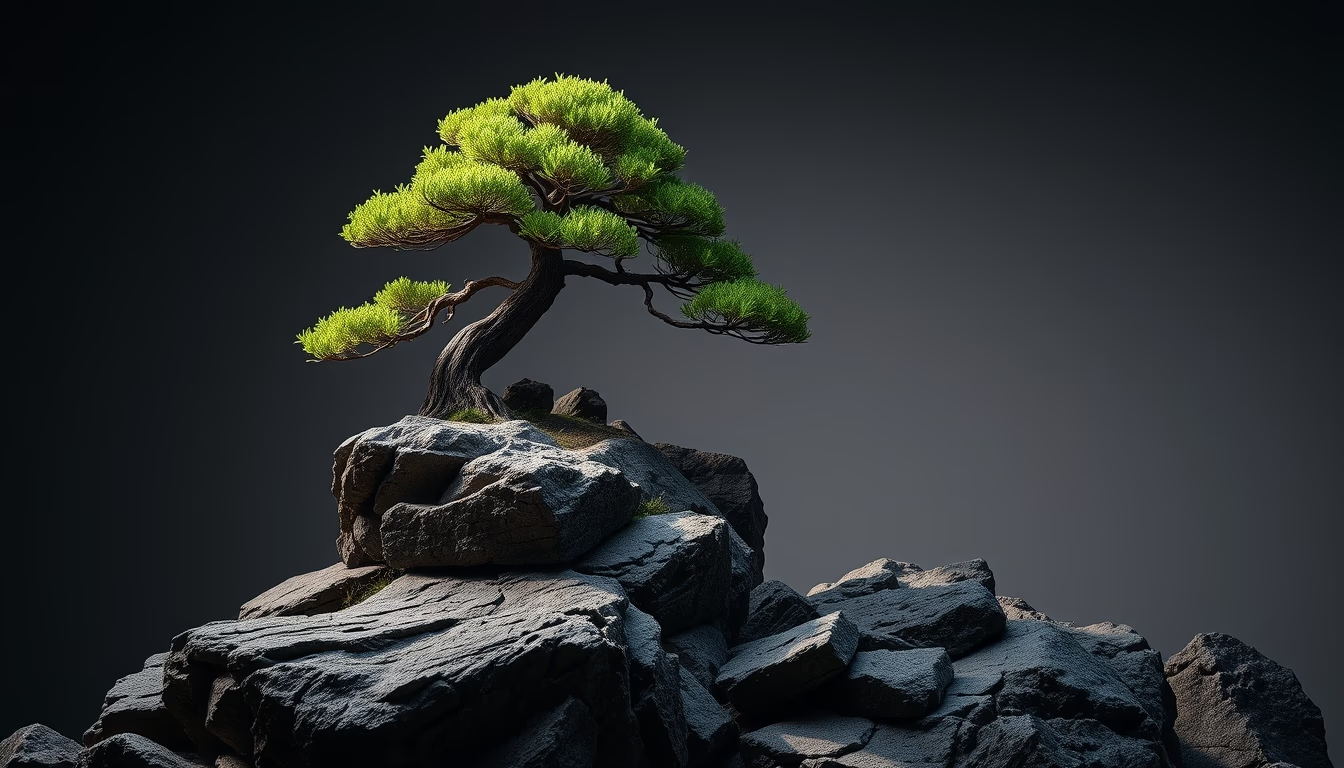
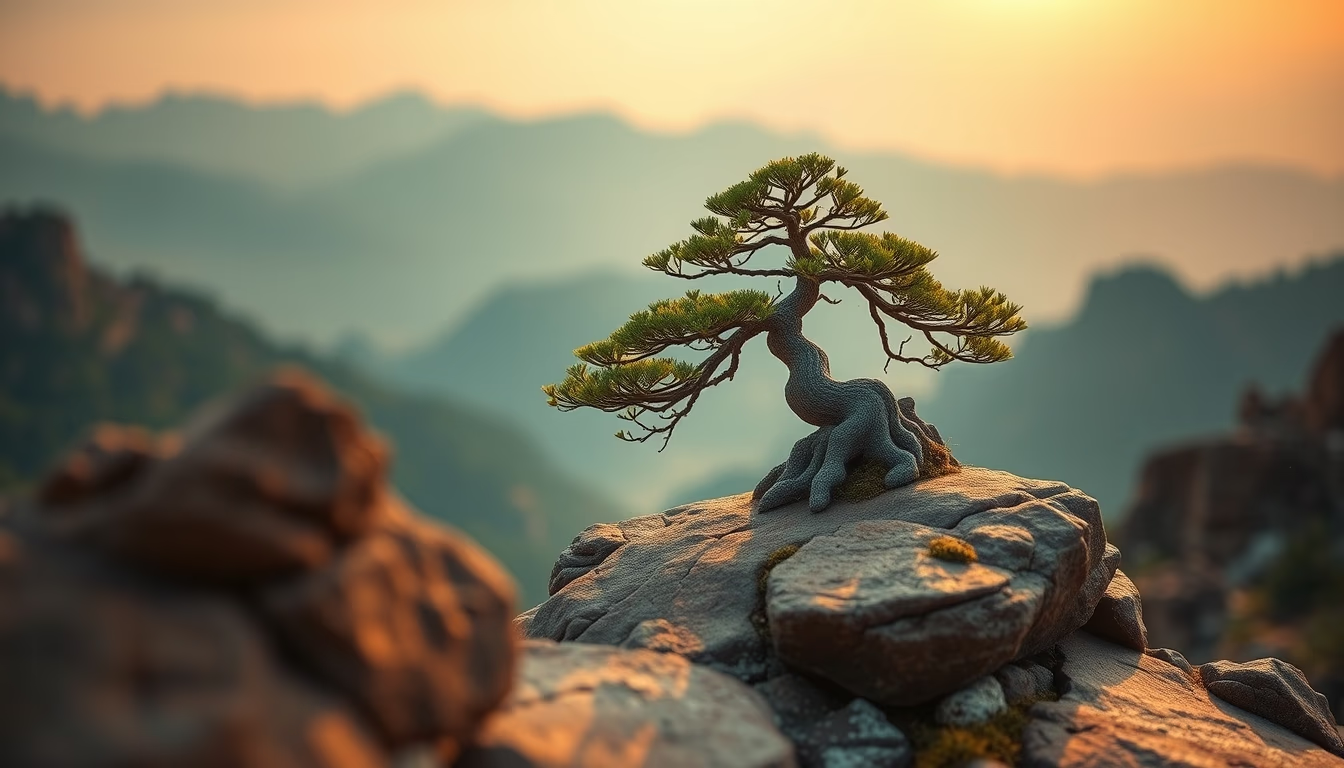
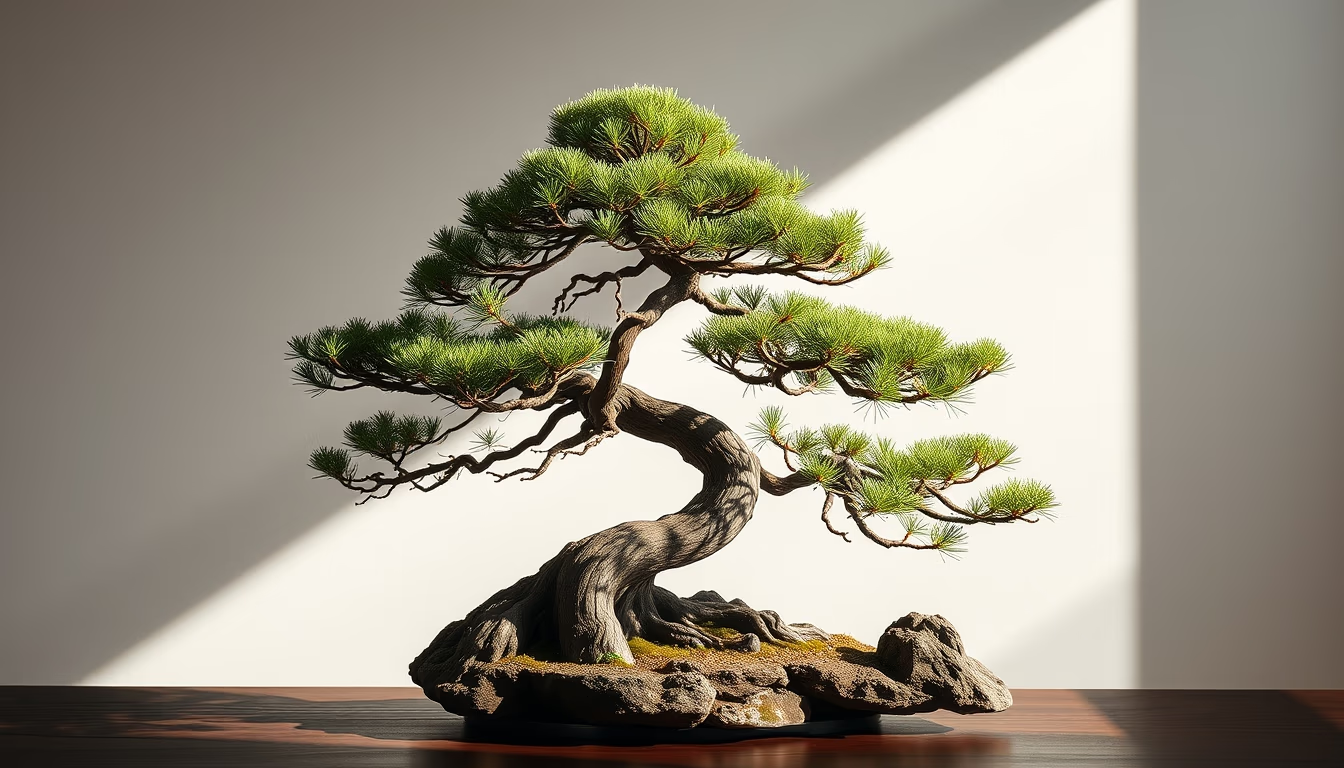
Bonsai with rock and miniature landscape, known as Saikei or Seki-joju, combines ancient Japanese cultivation techniques and naturalistic aesthetics.
About this subject
Saikei, also known as tray landscape, is a bonsai variant that recreates natural scenes in miniature. Unlike traditional bonsai focused on a single tree, Saikei incorporates rocks, moss, and small plants to depict mountains, forests, or lakes. It originated in Japan in the 20th century, popularized by master Toshio Kawamoto, who systematized the techniques from 1960 onward. The practice requires balance among elements: the rock serves as a visual and physical anchor, while the tree, often a pine or juniper, molds over it.
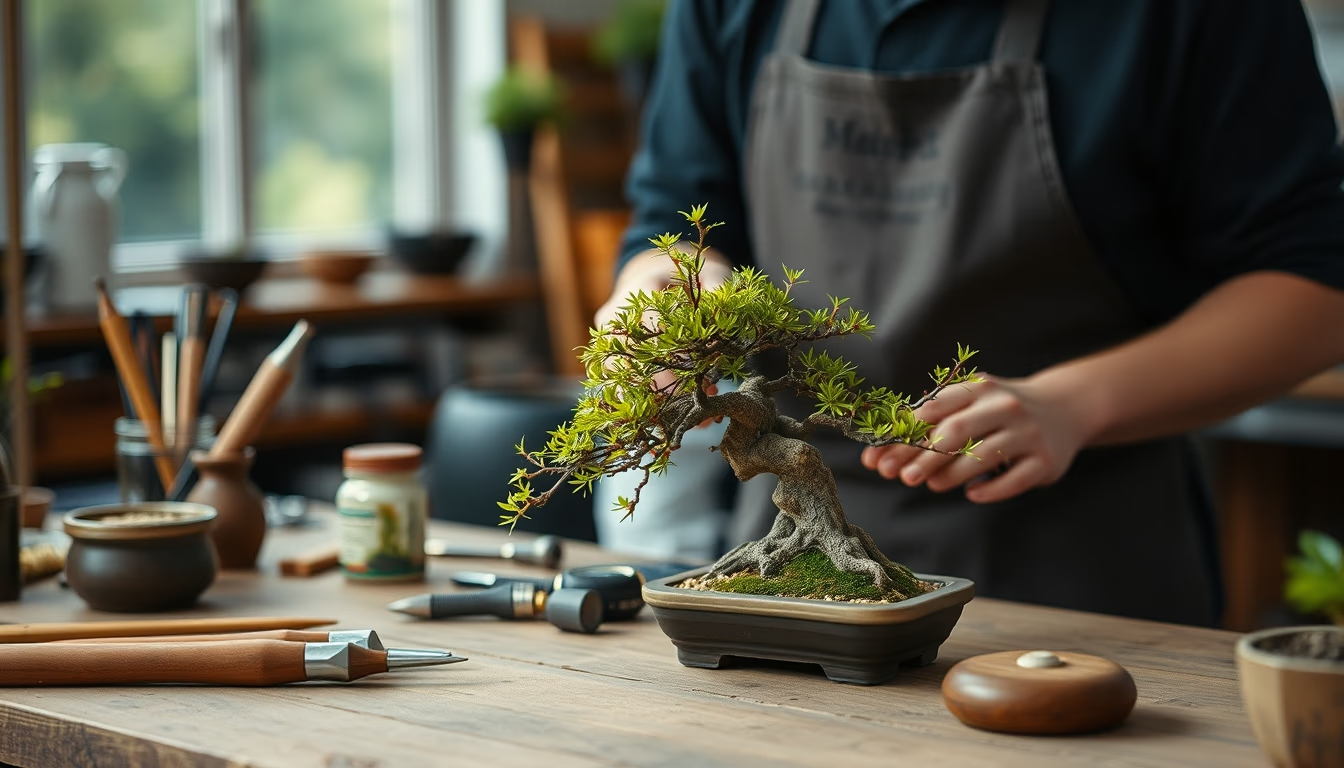
Rock selection is crucial: irregular shapes, textures reminiscent of aged mountains, and colors harmonizing with vegetation are sought. The Seki-joju technique (root over rock) involves fixing tree roots into crevices, covered with moss to simulate soil. Ishi-tsuki (clinging-to-rock) deepens roots into cavities. The process takes years: roots must be guided and pruned, and the canopy wired to create natural forms. Maintenance includes frequent watering as the rock heats faster than soil, and controlled fertilization.
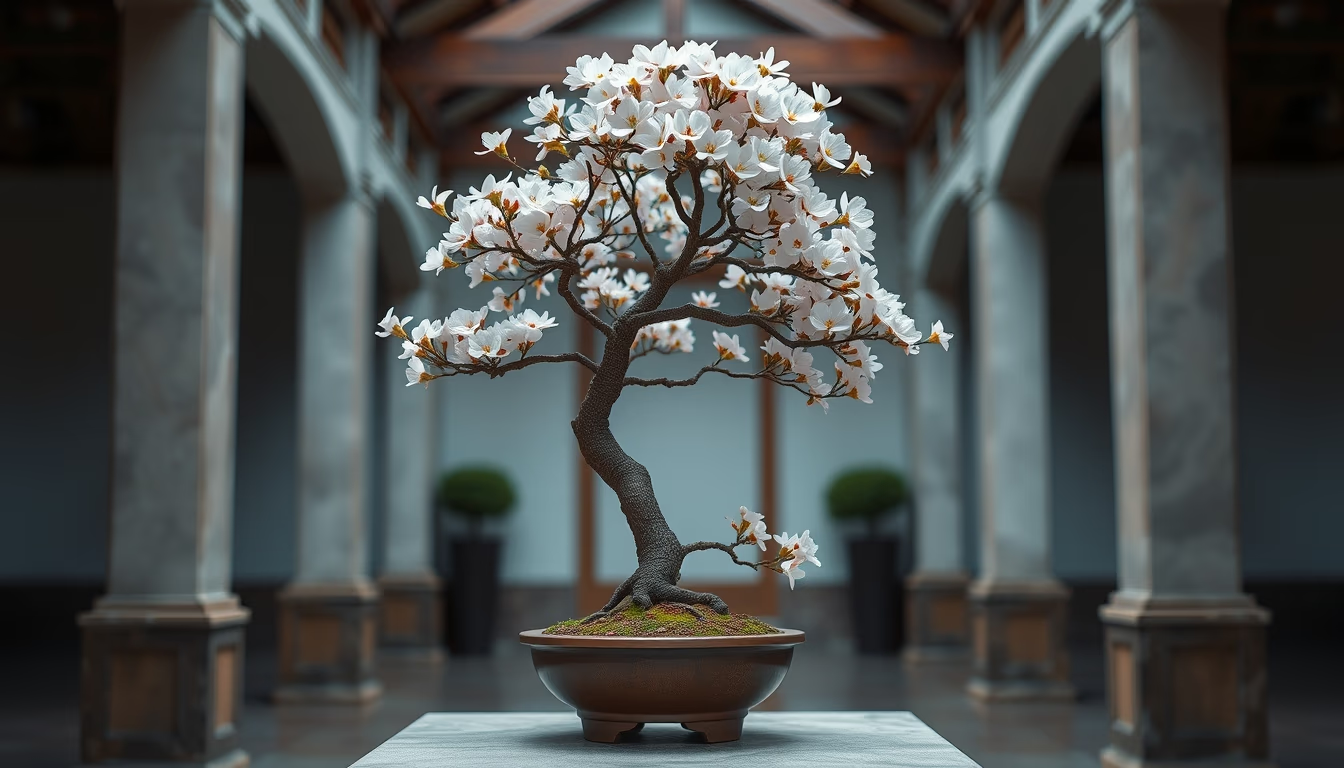
Culturally, Saikei reflects the Japanese concept of wabi-sabi, valuing imperfection and transience. Miniature landscapes are appreciated in exhibitions and competitions, such as those organized by the Bonsai Association of Brazil. Common species include Japanese maple, juniper, and azalea, adapted to local climates. A curiosity: Saikei allows more creativity than traditional bonsai, as the artist can compose different elements, such as river stones, sand, and even small statues, without being constrained to a single specimen.
The popularization of Saikei in the West occurred in the 1970s and 1980s, driven by books and courses. Today, Brazilian enthusiasts develop techniques with native species, such as pitanga and jabuticaba, adapting the art to the national ecosystem. The result is a practice combining botany, design, and patience, creating microcosms that invite contemplation.
Frequently Asked Questions
What is Saikei and how does it differ from traditional bonsai?
Saikei is the art of creating miniature landscapes in trays, using rocks, moss, and multiple plants. Unlike traditional bonsai, which focuses on a single tree, Saikei represents a complete natural scene, such as mountains or forests.
What tree species are most commonly used in rock bonsai landscapes?
Common species include black pine, Chinese juniper, Japanese maple, and azalea. In Brazil, pitanga and jabuticaba trees are also used, adapted to the tropical climate.
How long does it take for a rock bonsai to become established?
The process usually takes 3 to 5 years for roots to properly attach to the rock. The final appearance depends on ongoing care with pruning and wiring.
Direct URL
https://pub-c7d6a6ea828543ac903a74a341ccb2e1.r2.dev/imagens/bonsai-rock-landscape-rembrandt-lighting-dramatic-shadows-fresh4.avifHow to credit
Include a visible link back to UtilizAí. Copy one of the snippets below:
<a href="https://xn--utiliza-eza.com/en/midia/imagens/bonsai-rock-landscape-rembrandt-lighting-dramatic-shadows-fresh4">Bonsai rock landscape</a> by <a href="https://xn--utiliza-eza.com">UtilizAí</a>, licensed under <a href="https://creativecommons.org/licenses/by/4.0/">CC BY 4.0</a>.
[Bonsai rock landscape](https://xn--utiliza-eza.com/en/midia/imagens/bonsai-rock-landscape-rembrandt-lighting-dramatic-shadows-fresh4) by [UtilizAí](https://xn--utiliza-eza.com), CC BY 4.0
License: CC-BY-4.0