Bonsai rock landscape
1344×768 · AVIF · CC BY 4.0
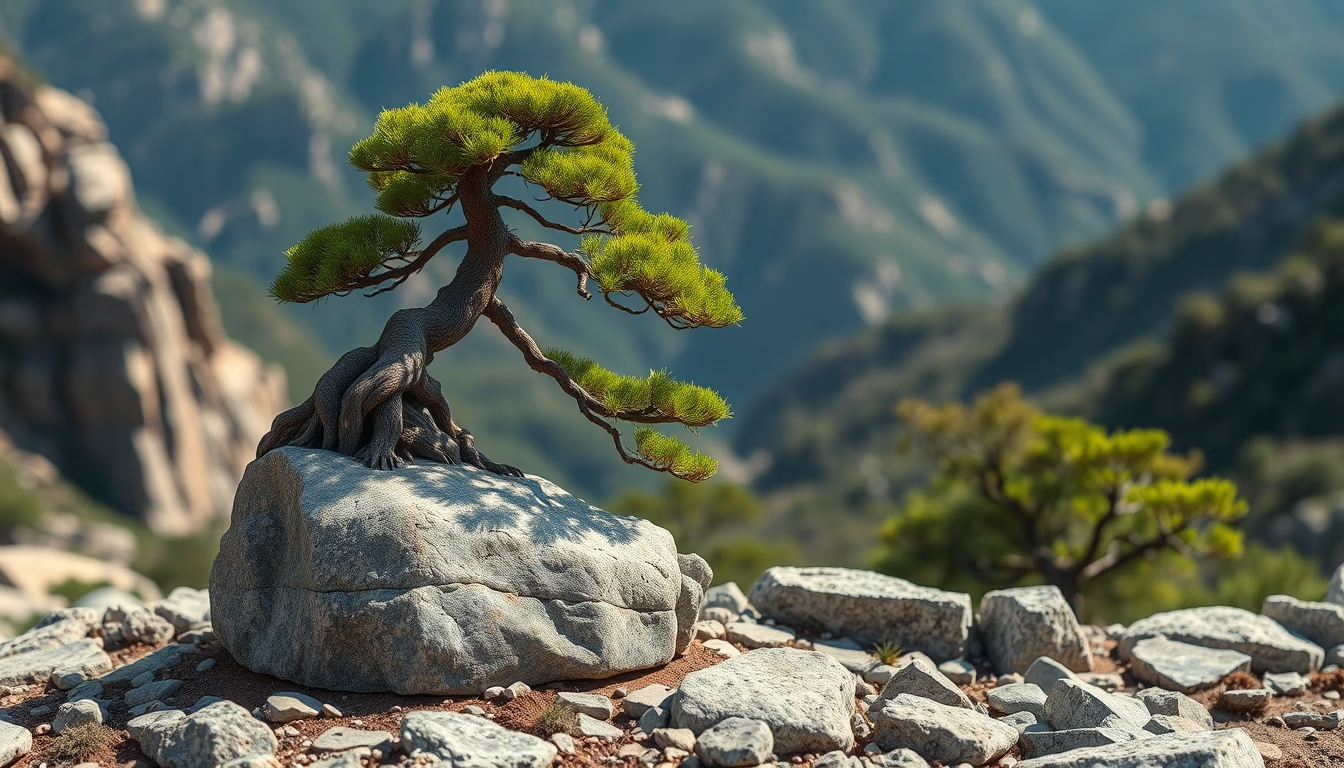
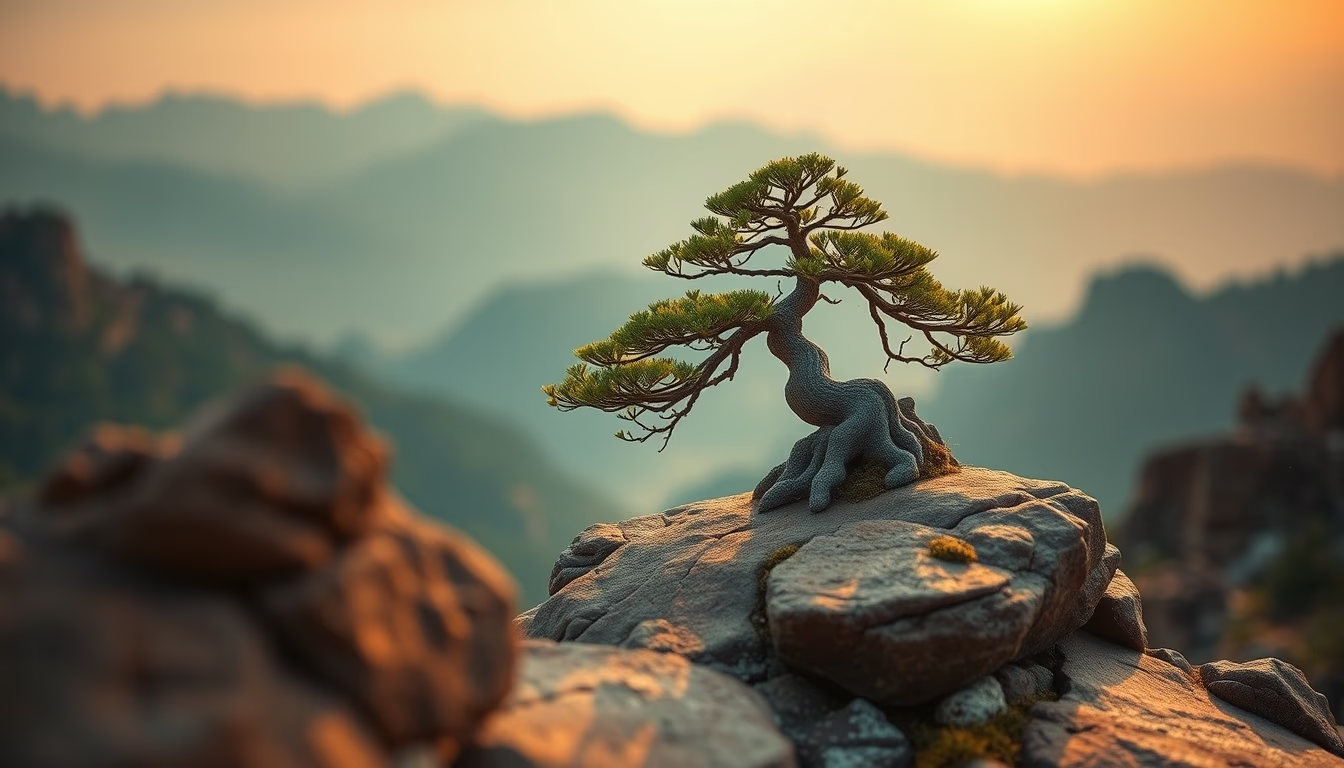
Bonsai rock landscape is an ancient technique that recreates natural miniatures by combining trees and stones, originating in China and refined in Japan.
About this subject
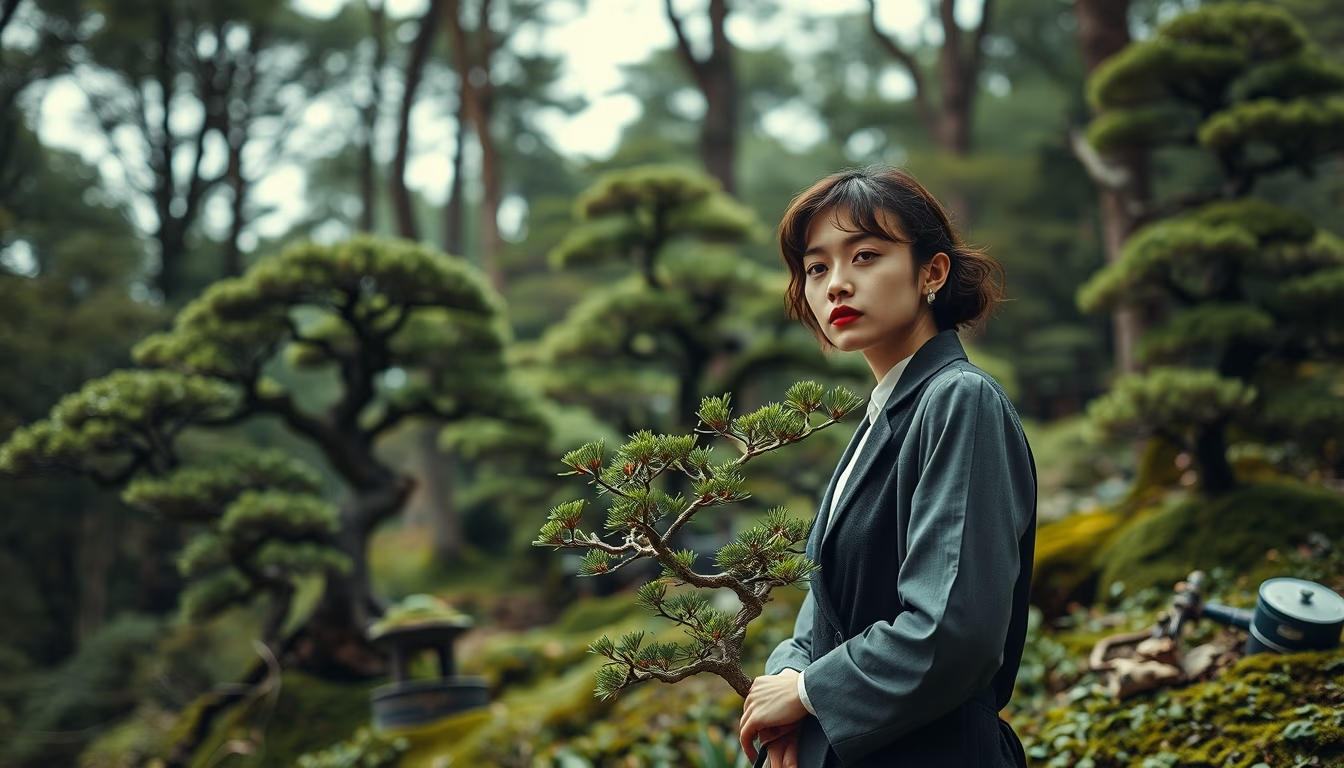
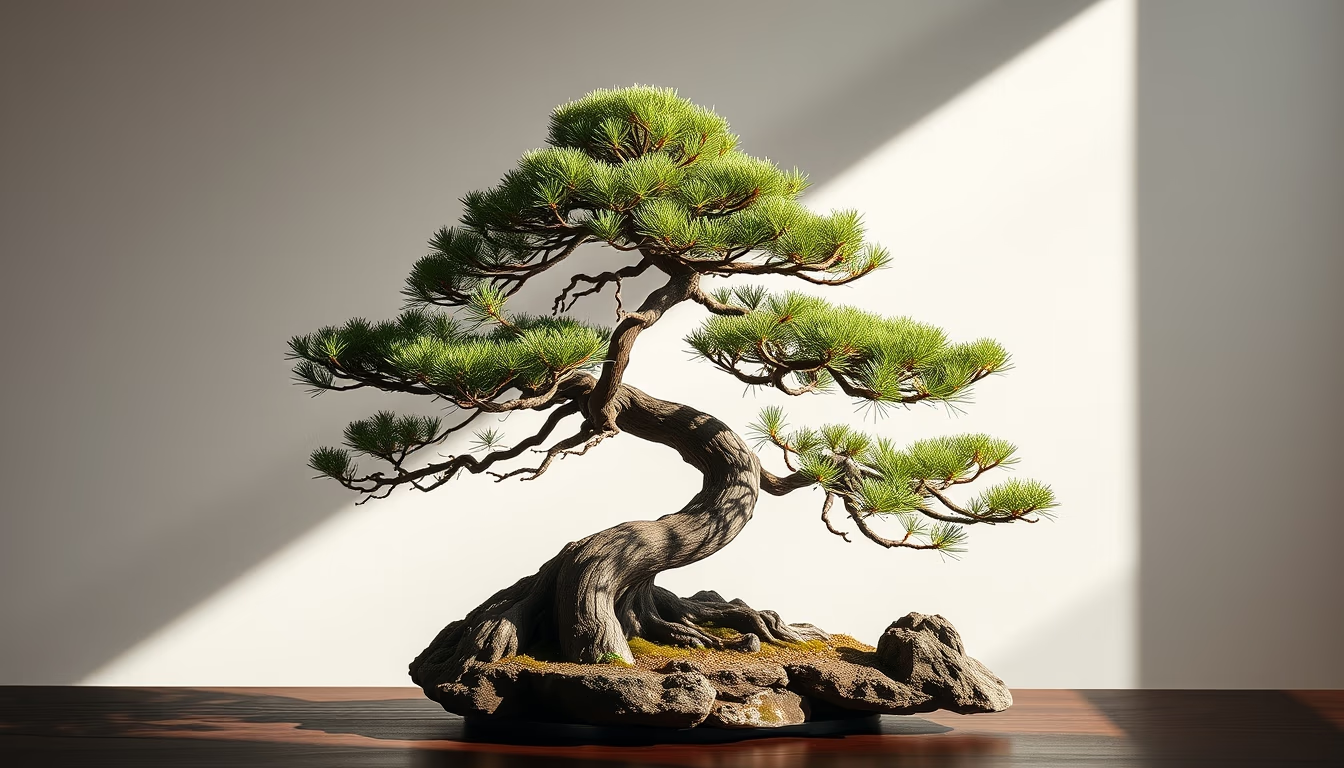
Bonsai rock landscape, known as sekijoju or root-over-rock, is one of the most impressive forms of bonsai art. Unlike traditional potted bonsai, this technique involves cultivating a tree whose roots grip and wrap around a rock, creating the illusion of a tree naturally growing on a rocky outcrop. The practice originated in ancient China with penjing (miniature landscapes) and was introduced to Japan centuries ago, where it gained aesthetic and philosophical refinement.
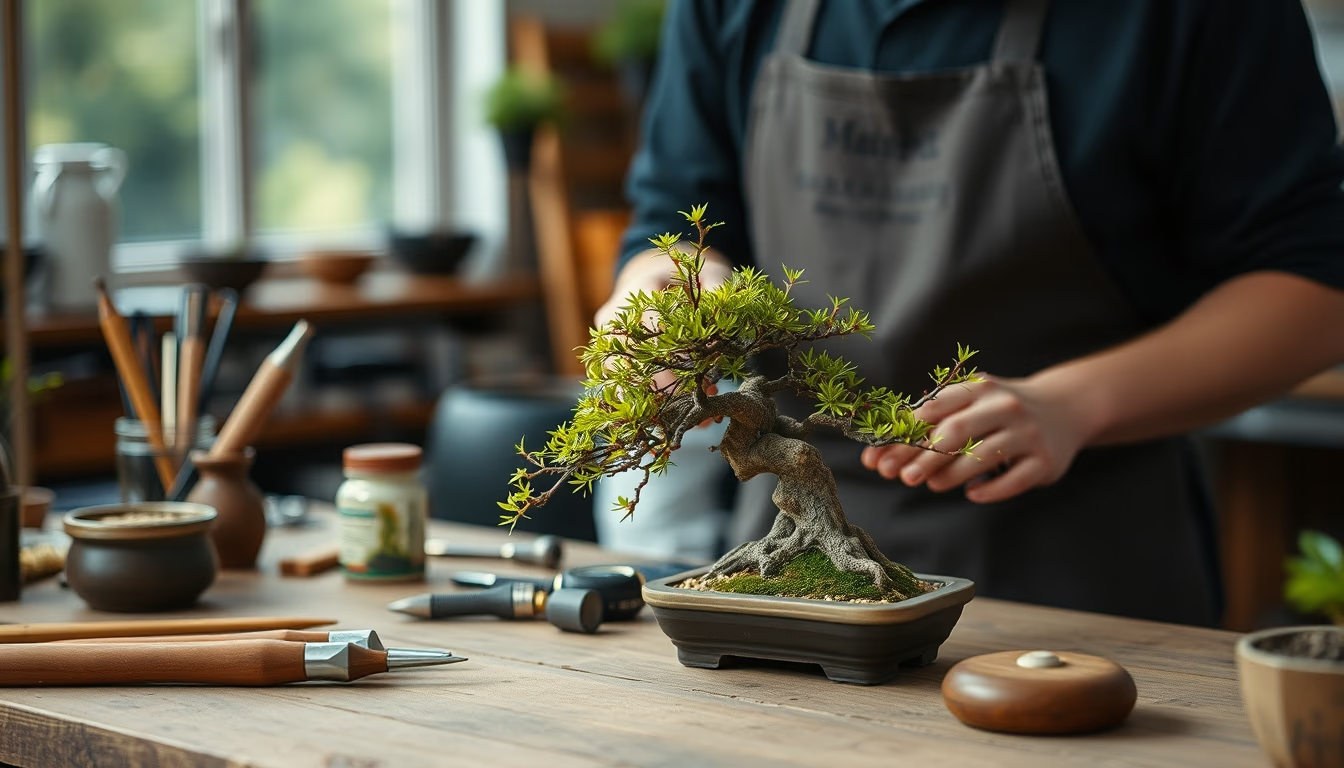
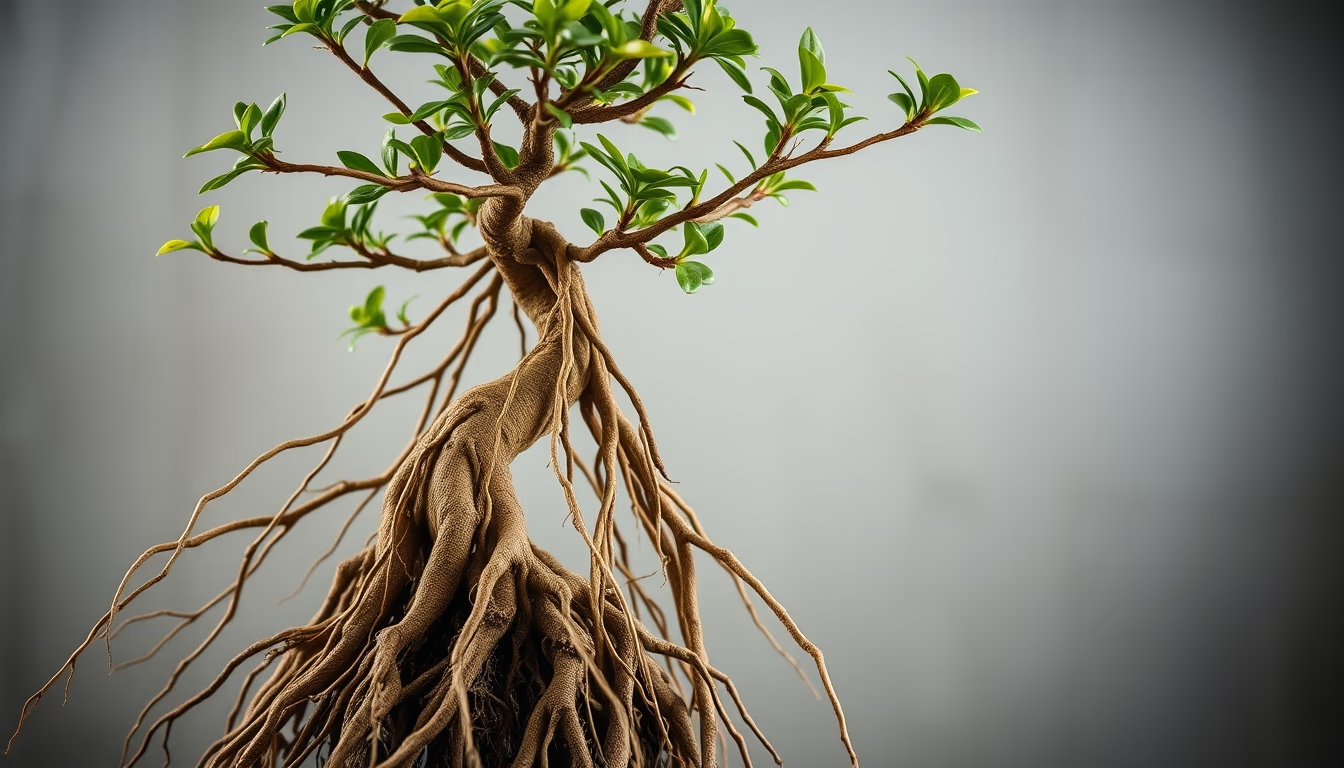
To create a sekijoju bonsai, the artist selects a rock with interesting shapes, such as crevices or cavities, and attaches a young tree seedling over it, usually with wire and moss. The roots are trained over years to adapt to the stone's surface, growing downward into the pot's soil. Species like Chinese elm, Japanese black pine, and juniper are often used for their strong, flexible roots. The process demands patience: it can take decades for the tree to reach aesthetic maturity, with balanced branches and well-integrated roots.
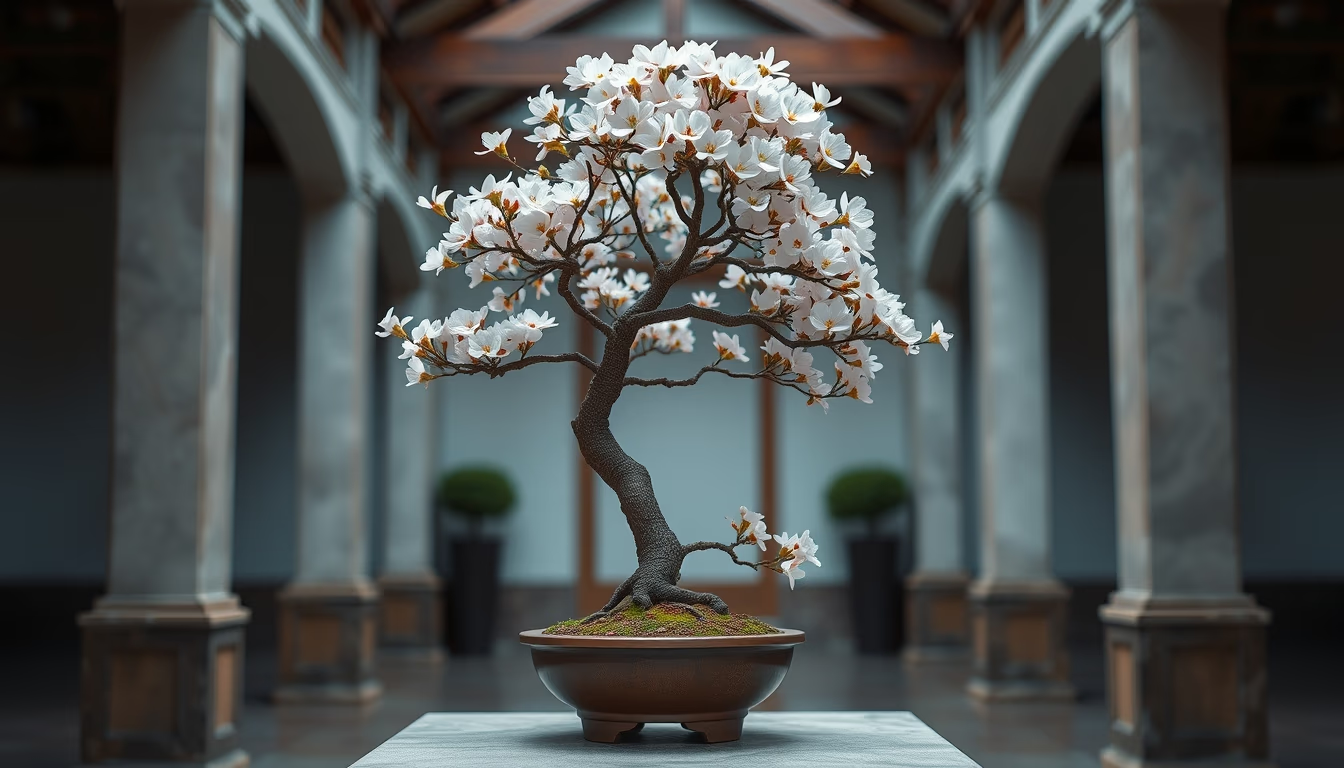
The cultural significance of bonsai rock landscape extends beyond gardening. In Japan, it represents harmony between humans and nature, symbolizing resilience and longevity. Each element is carefully chosen: the rock may evoke a mountain, moss suggests undergrowth, and the shallow pot mimics natural terrain. Exhibitions like the Kokufu-ten in Tokyo showcase century-old specimens worth thousands of dollars. Interestingly, the technique has been adapted by Western artists using local stones and native species, such as dwarf oak or boxwood.
Maintaining a sekijoju bonsai requires specific care. Watering must be frequent, as the substrate on the rock dries faster. Fertilization is necessary to supply limited nutrients, and root pruning must be done skillfully to avoid damaging the structure. Sun exposure varies by species, but most need bright indirect light. For enthusiasts, this style offers a technical and artistic challenge, resulting in pieces that tell visual stories of resilience and natural beauty.
Frequently Asked Questions
What is a bonsai rock landscape (sekijoju)?
It is a bonsai technique where the tree is planted on a rock, with roots adapting to the stone's surface and growing toward the soil, creating a miniature natural landscape.
Which tree species are best for a sekijoju bonsai?
Species like Chinese elm, Japanese black pine, and juniper are popular for their strong, flexible roots. Other options include Japanese maple and boxwood.
How to care for a root-over-rock bonsai?
It requires frequent watering, regular fertilization, careful root pruning, and exposure to bright indirect light. The drainage of the substrate on the rock must be monitored to prevent excessive drying.
Direct URL
https://pub-c7d6a6ea828543ac903a74a341ccb2e1.r2.dev/imagens/bonsai-rock-landscape-magazine-editorial-fresh12.avifHow to credit
Include a visible link back to UtilizAí. Copy one of the snippets below:
<a href="https://xn--utiliza-eza.com/en/midia/imagens/bonsai-rock-landscape-magazine-editorial-fresh12">Bonsai rock landscape</a> by <a href="https://xn--utiliza-eza.com">UtilizAí</a>, licensed under <a href="https://creativecommons.org/licenses/by/4.0/">CC BY 4.0</a>.
[Bonsai rock landscape](https://xn--utiliza-eza.com/en/midia/imagens/bonsai-rock-landscape-magazine-editorial-fresh12) by [UtilizAí](https://xn--utiliza-eza.com), CC BY 4.0
License: CC-BY-4.0