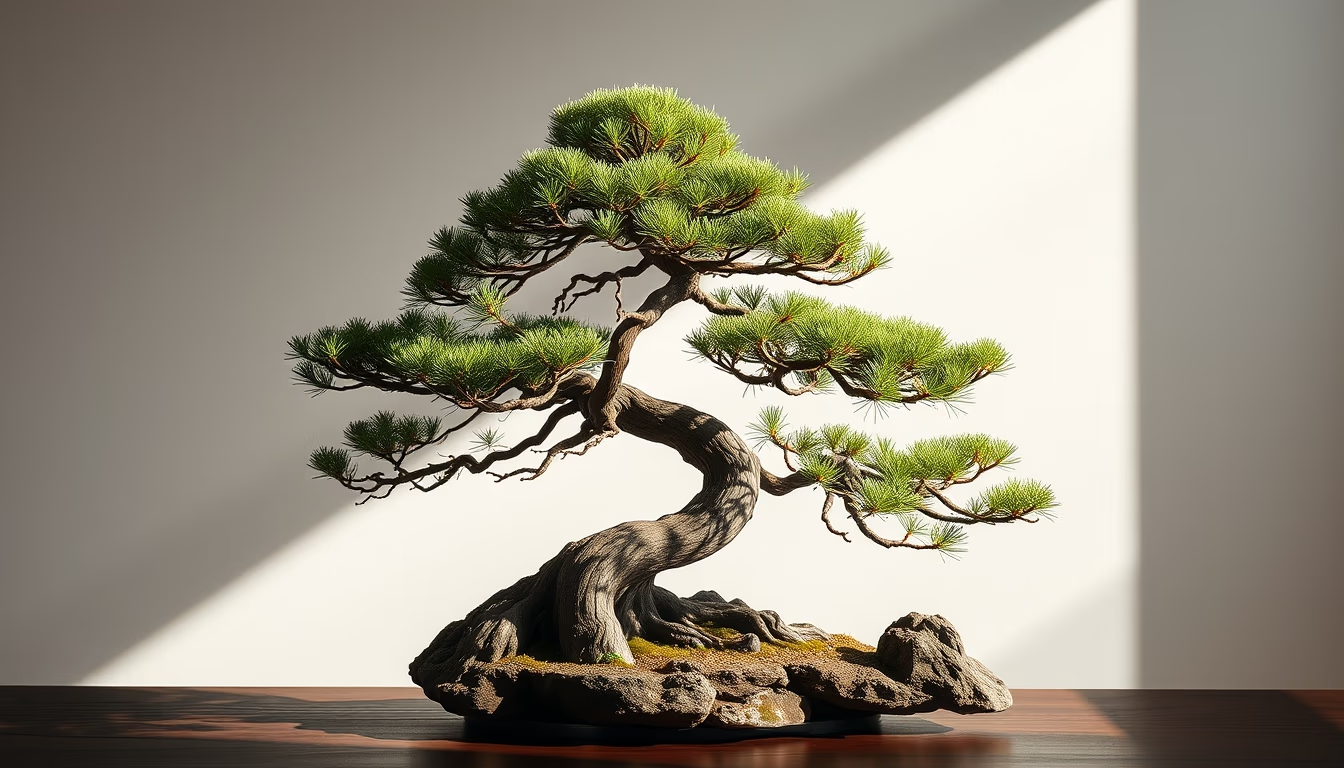
Bonsai rock landscape
1344×768 · AVIF · CC BY 4.0
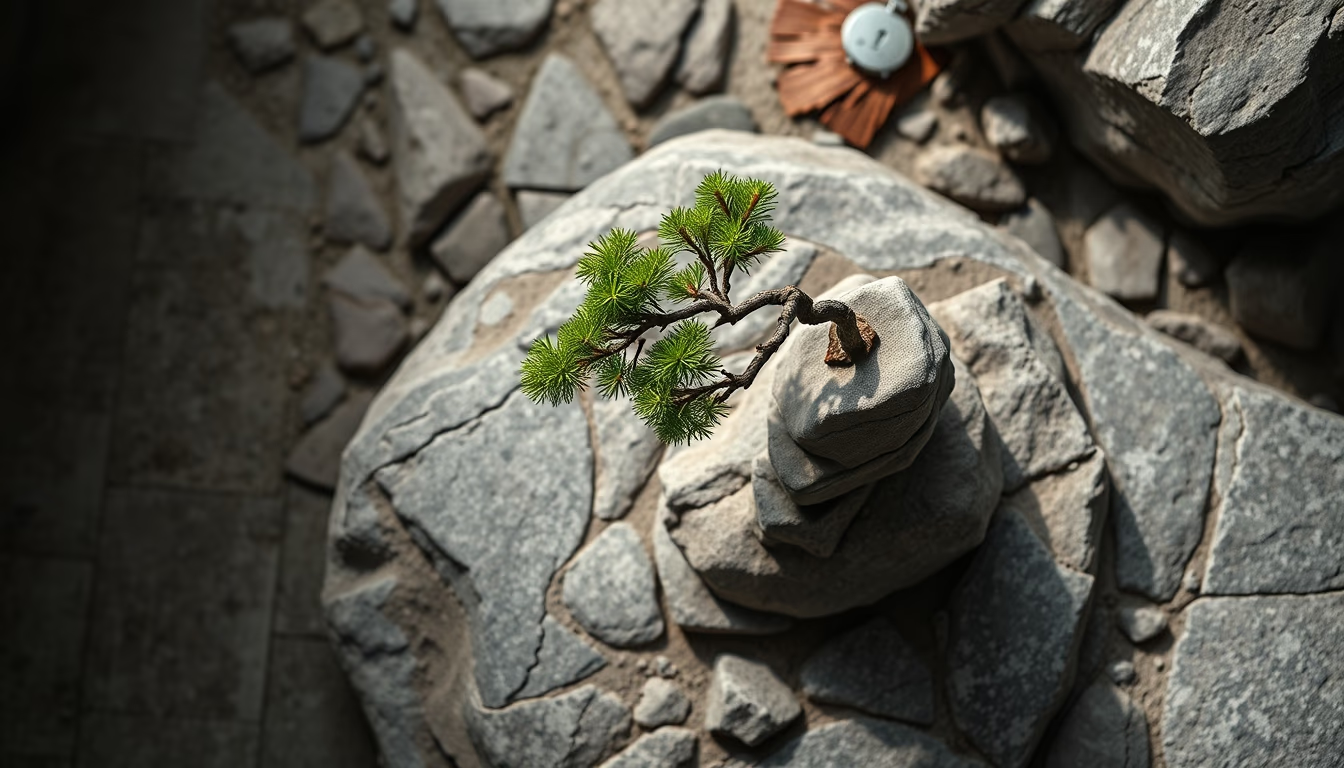
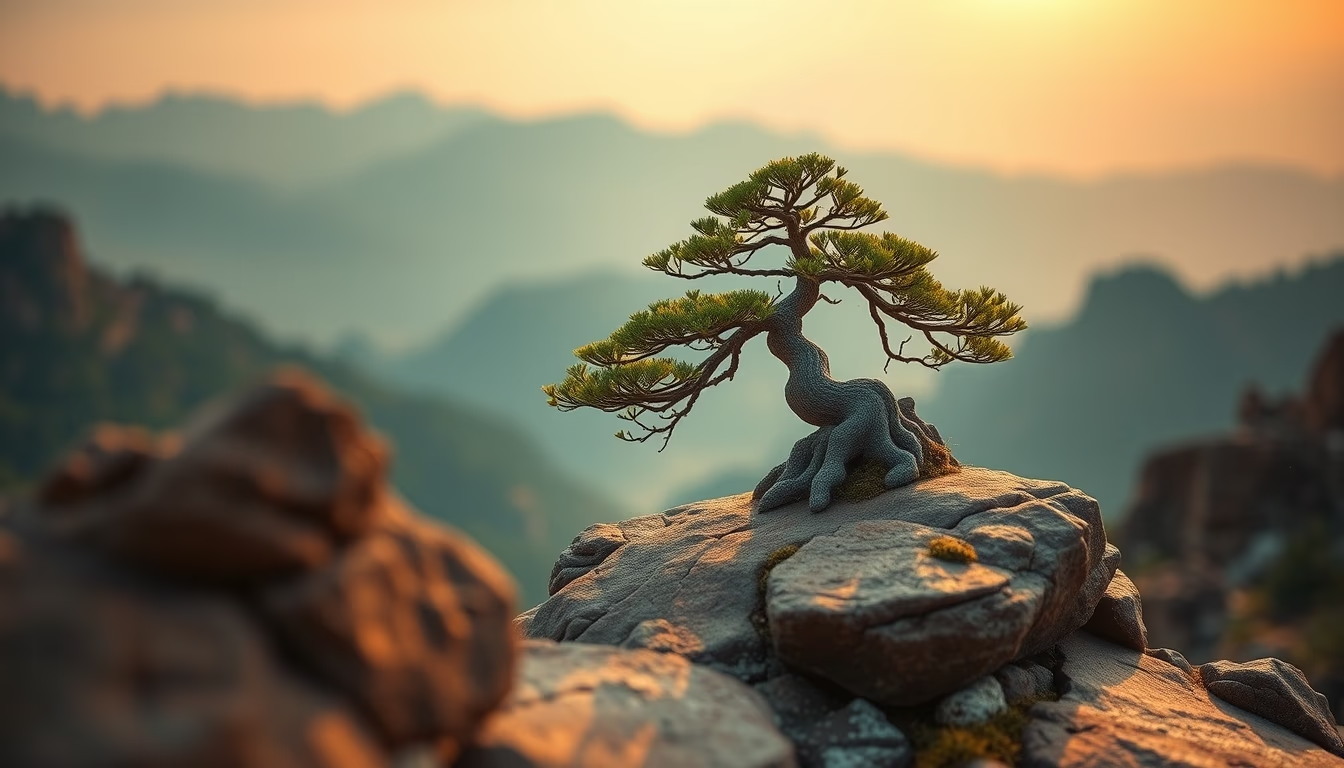
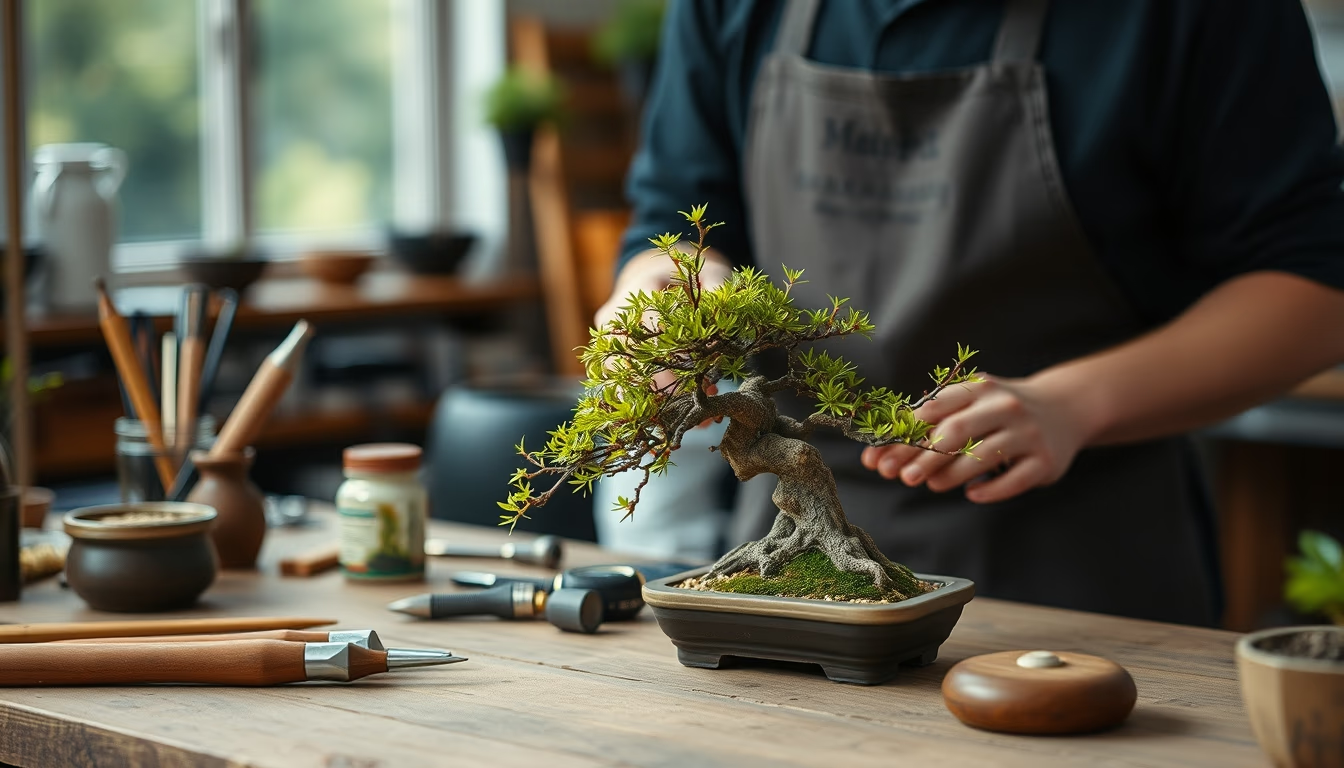
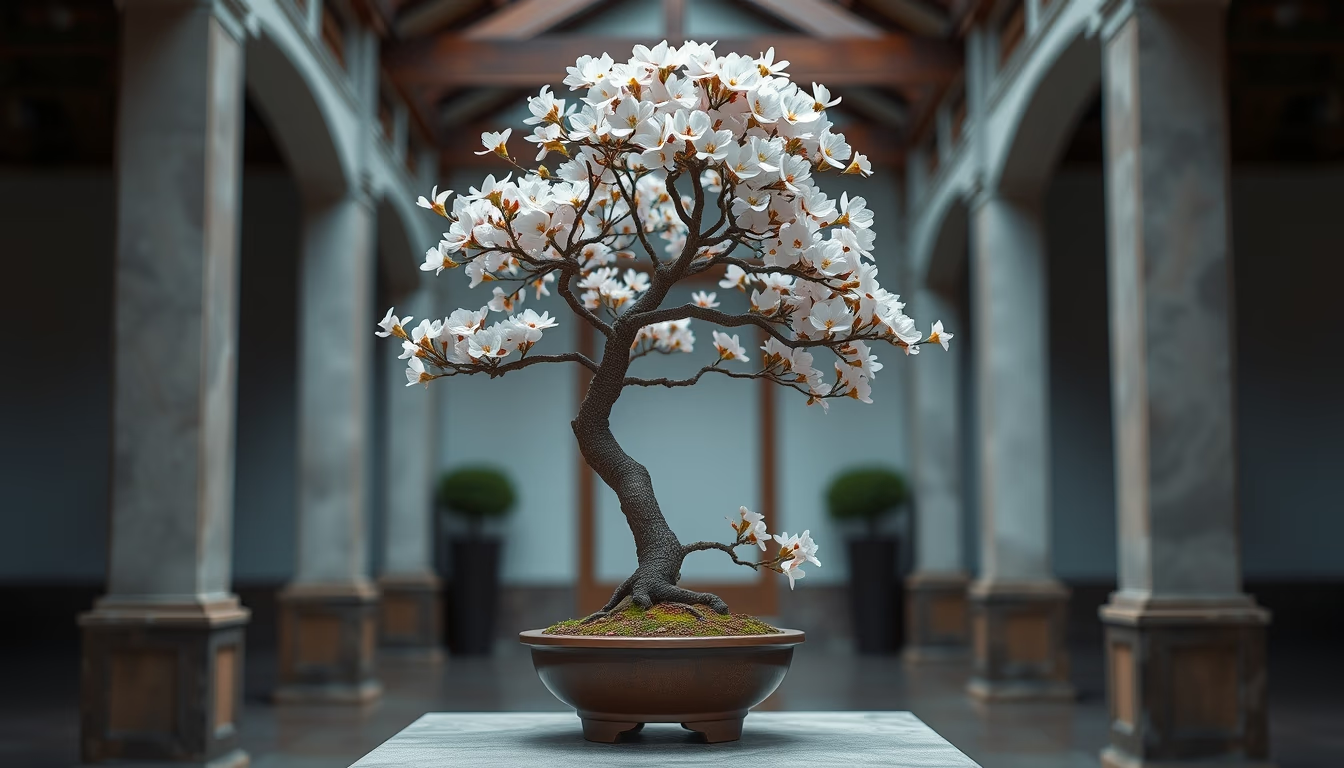
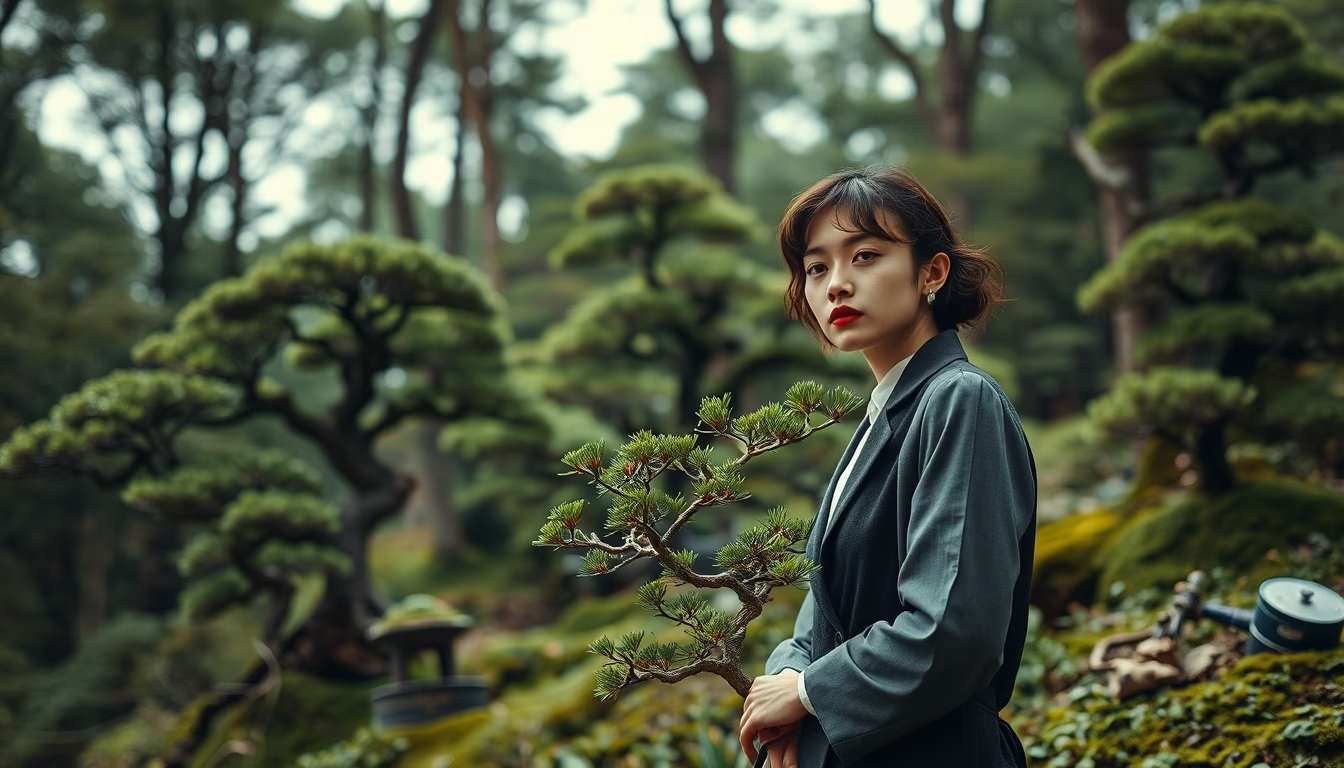
Bonsai on rock: the ancient art of creating miniature natural landscapes combining trees and stones in harmony.
About this subject
Bonsai on rock, known as ishizuke or sekijoju, is one of the most challenging and visually striking techniques in bonsai art. In it, the tree is planted directly on a stone, with its roots intertwining in crevices and around the rock surface, seeking nutrients and water in minimal substrate. This technique aims to recreate natural scenes where trees grow on cliffs or rocky outcrops, demonstrating resilience and balance.
The origin of this technique dates back to feudal Japan, when monks and artists sought to represent miniature landscapes for Zen contemplation. Ishizuke requires patience and skill: roots must be gradually exposed and guided over the stone, a process that can take years. The choice of rock is crucial, as it must have shapes and textures suggesting mountains, islands, or cliffs. Species like pines, junipers, and maples are common due to their ability to adapt to shallow soils and extreme conditions.
Culturally, bonsai on rock symbolizes the strength of life in the face of adversity, being appreciated in exhibitions and collections worldwide. In Brazil, the practice has grown, with bonsai clubs promoting workshops on this technique. Maintenance requires specific care, such as frequent watering (as substrate dries quickly) and pruning to maintain the proportion between tree and rock. The aesthetics of ishizuke are often combined with small figures or mosses to compose a complete scene.
Frequently Asked Questions
Which tree species are most suitable for bonsai on rock?
Species with strong and adaptable roots, such as pines (Pinus thunbergii), junipers (Juniperus chinensis), and maples (Acer palmatum), are common. They tolerate shallow substrate and controlled drought conditions.
How is the initial attachment of the tree to the rock done?
The young tree is placed on the stone with roots spread out, fixed with wire or tape. Then, roots are covered with substrate and moss, watering to encourage growth over the rock.
What is the historical origin of ishizuke?
The technique originated in Japan during the Muromachi period (1336, 1573), influenced by Zen Buddhism and landscape scroll painting. Monks and artists used rocks and trees to create natural microcosms.
Direct URL
https://pub-c7d6a6ea828543ac903a74a341ccb2e1.r2.dev/imagens/bonsai-rock-landscape-isometric-flat-lay-fresh1.avifHow to credit
Include a visible link back to UtilizAí. Copy one of the snippets below:
<a href="https://xn--utiliza-eza.com/en/midia/imagens/bonsai-rock-landscape-isometric-flat-lay-fresh1">Bonsai rock landscape</a> by <a href="https://xn--utiliza-eza.com">UtilizAí</a>, licensed under <a href="https://creativecommons.org/licenses/by/4.0/">CC BY 4.0</a>.
[Bonsai rock landscape](https://xn--utiliza-eza.com/en/midia/imagens/bonsai-rock-landscape-isometric-flat-lay-fresh1) by [UtilizAí](https://xn--utiliza-eza.com), CC BY 4.0
License: CC-BY-4.0