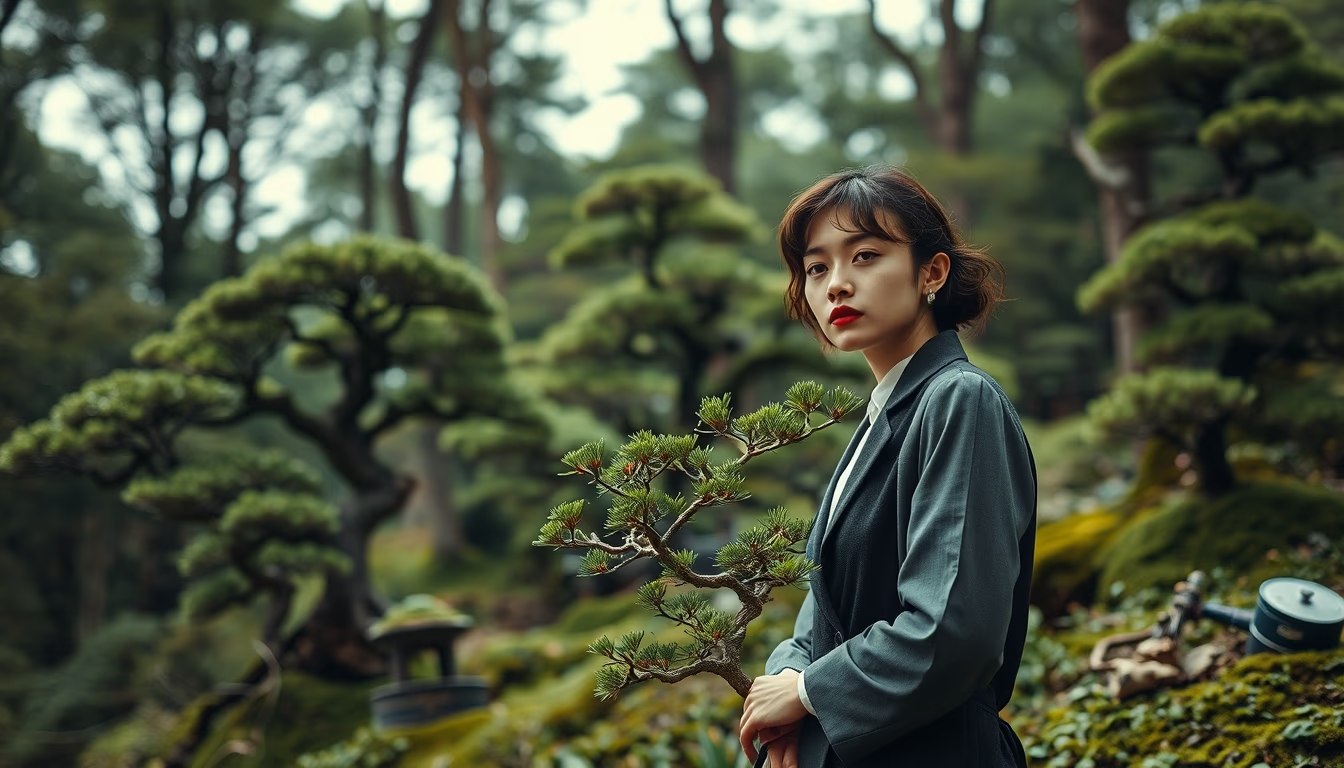
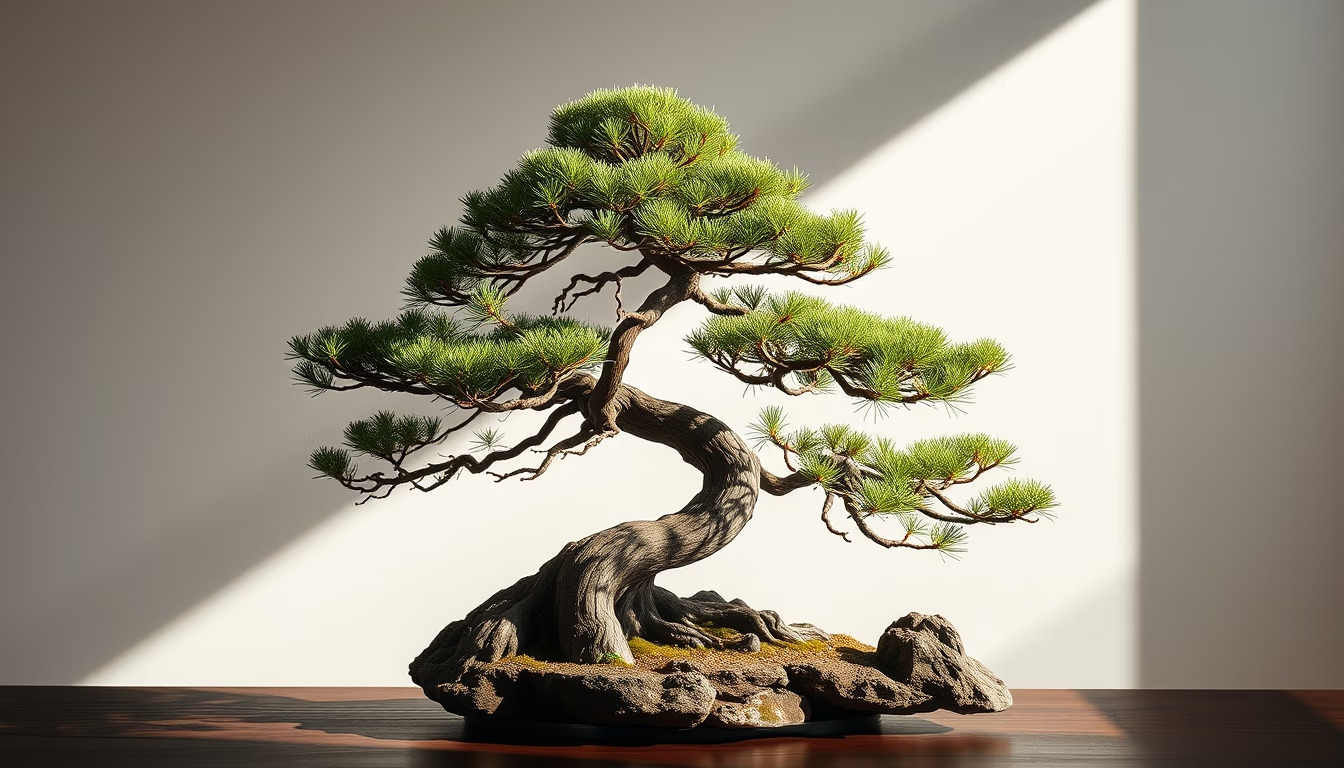
Bonsai pine ancient
1344×768 · AVIF · CC BY 4.0
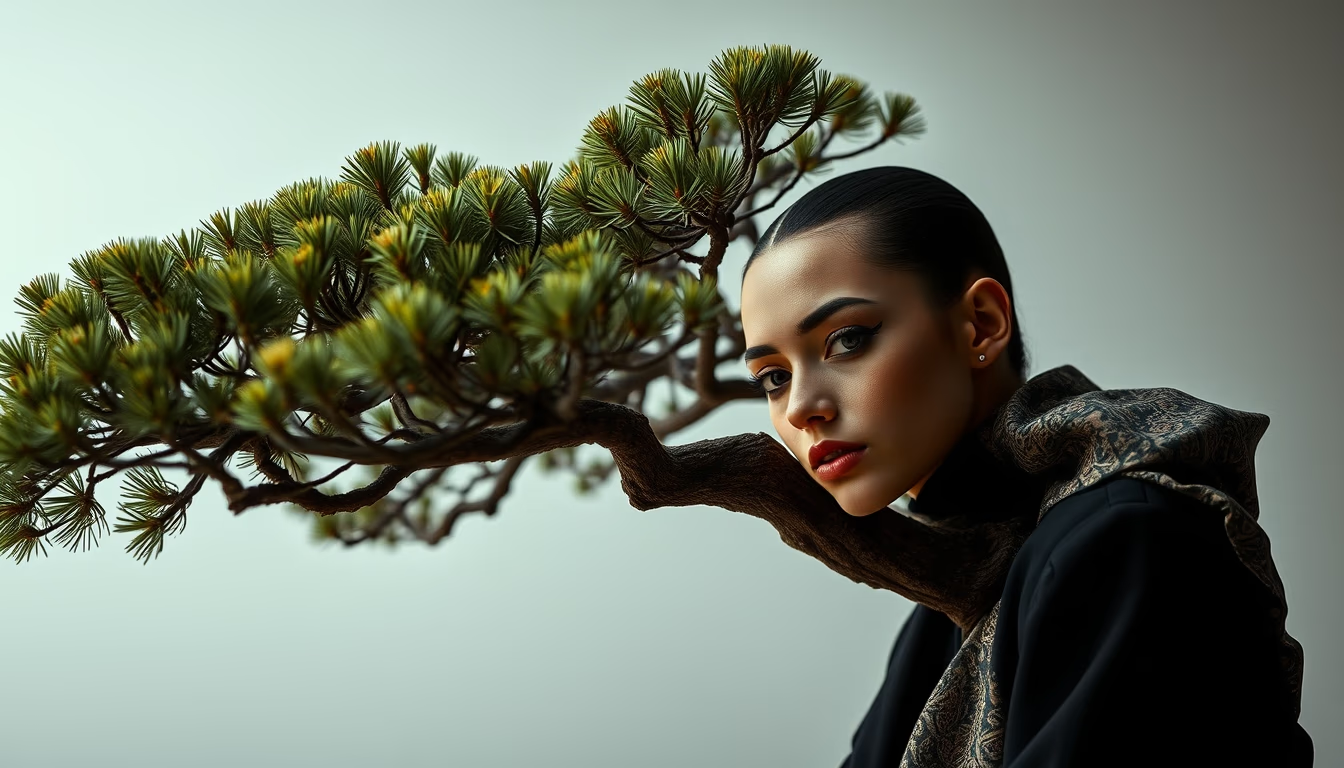
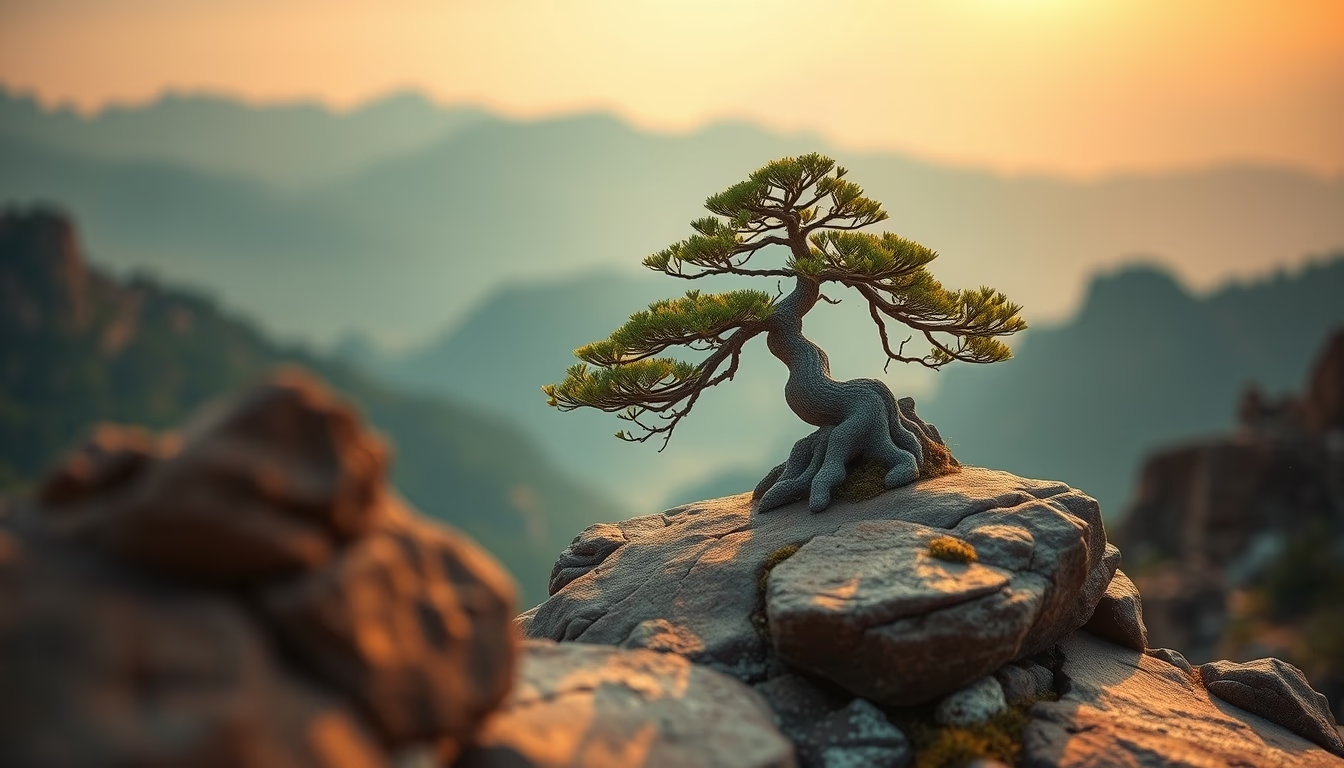
Century-old pine bonsai: a living art form that captures the essence of nature in miniature.
About this subject
Pine bonsai is one of the most traditional and revered forms of bonsai art, originating in China and perfected in Japan. Pines, due to their resilience and longevity, symbolize strength and eternity. An ancient specimen can be decades or even centuries old, passed down through generations. Techniques include careful pruning, wiring, and shaping to create a miniature tree that mimics a wild pine aged by wind and weather.
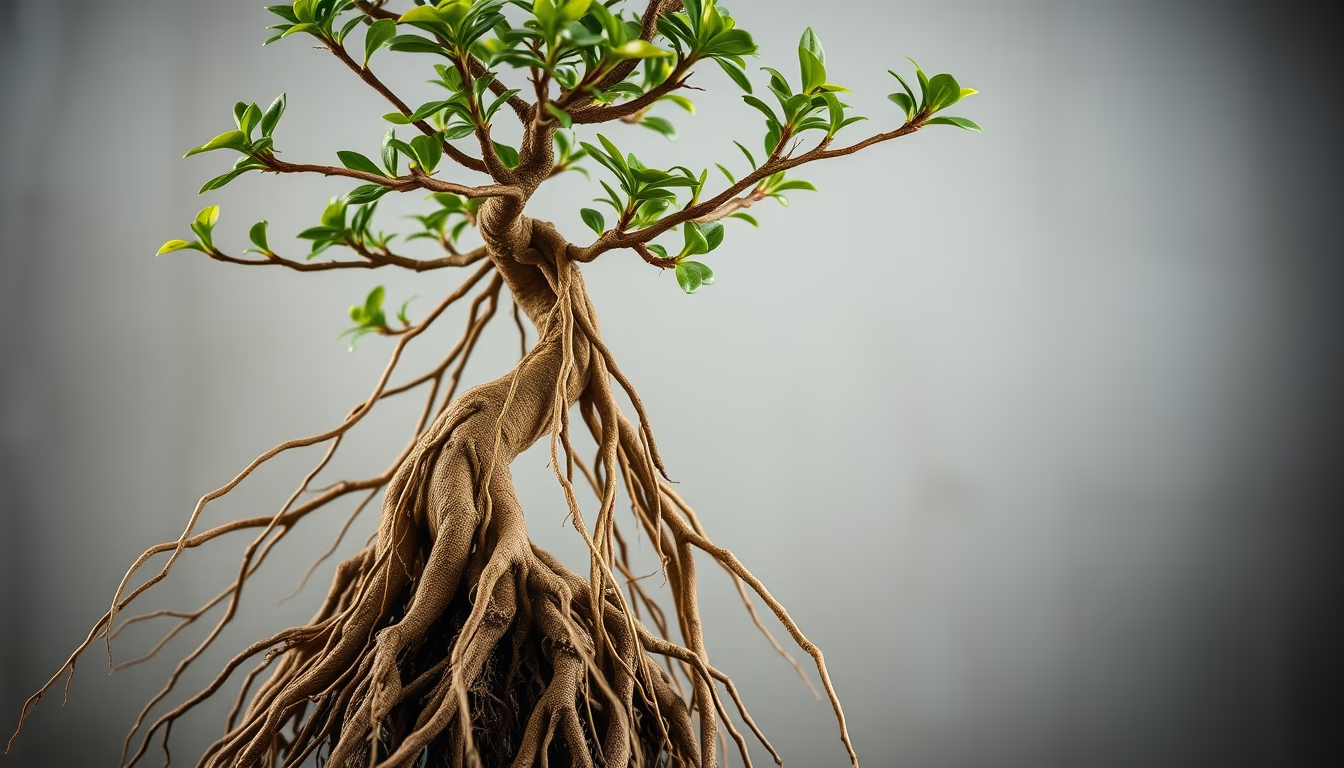
Historically, pine bonsai cultivation dates back to the Kamakura period in Japan (1185, 1333), when Zen monks used them in meditation. Species like Japanese black pine (Pinus thunbergii) and Japanese white pine (Pinus parviflora) are most common. The scaly bark and dark green or bluish needles give a rustic look. Root exposure (nebari) and deadwood (jin and shari) are often emphasized to suggest advanced age.
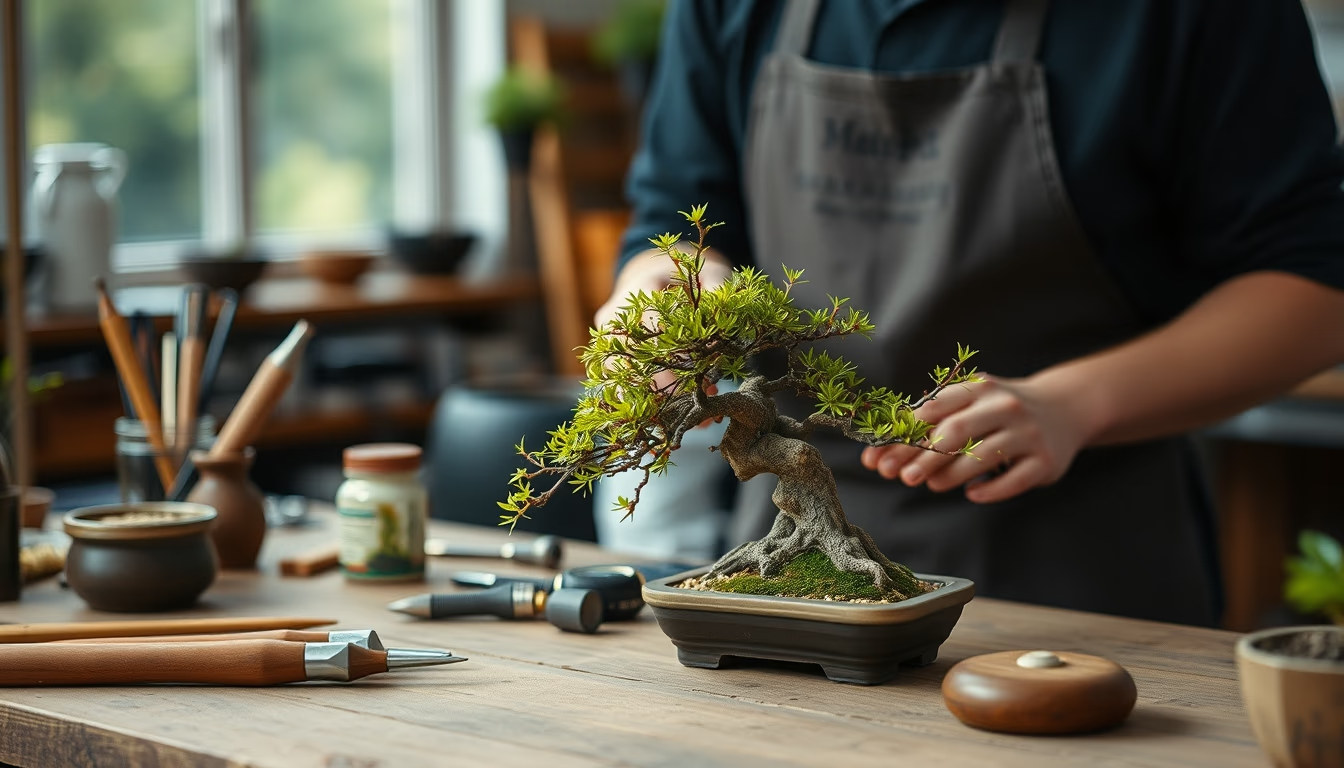
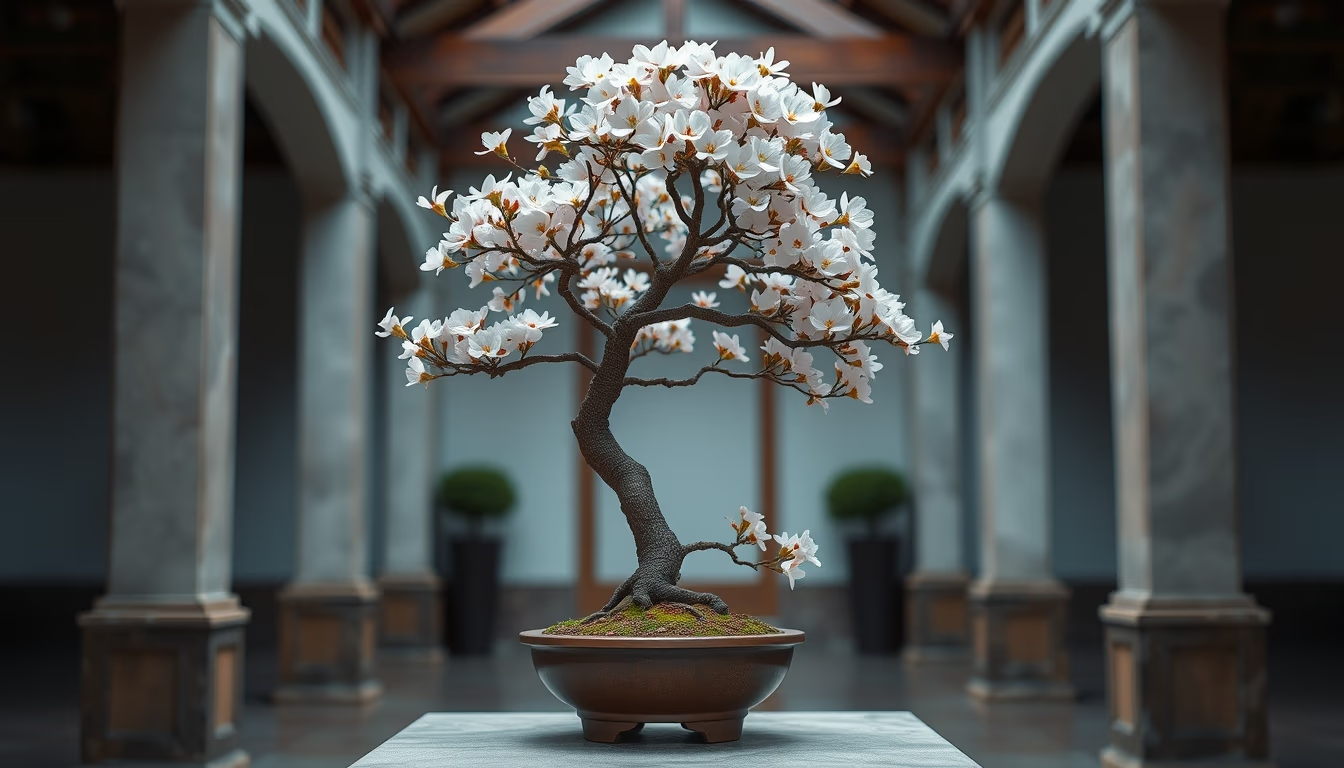
Caring for an ancient pine bonsai requires specialized knowledge. They need full sun, well-drained soil, and moderate watering. Needle pruning and partial defoliation encourage compact growth. Every two to three years, repotting and root pruning renew vigor. In many exhibitions, an antique ceramic or glazed clay pot complements the composition. The value of a centenary bonsai can reach tens of thousands of dollars.
Interestingly, the oldest known bonsai is a white pine planted in 1625, currently at the Crespi Bonsai Museum in Italy. In Brazil, the subtropical climate favors native pines like the Brazilian pine (Araucaria angustifolia), though it is not a true pine. Bonsai art arrived in Brazil with Japanese immigrants in the early 20th century, and today there are associations like the Brazilian Bonsai Society that promote courses and exhibitions.
Frequently Asked Questions
What is the minimum age for a bonsai to be considered ancient?
There is no exact age, but generally a bonsai over 50 years is considered old. Centenary specimens are rare and highly valued.
How to identify an ancient pine bonsai?
Features include thick, cracked bark, a twisted trunk, shorter and clustered needles, and well-developed nebari (exposed roots). The presence of jin and shari (deadwood) also indicates age.
Where can I see ancient pine bonsai in Brazil?
Seasonal exhibitions by bonsai associations, such as the Brazilian Bonsai Society, and some botanical gardens, like the São Paulo Botanical Garden, occasionally display pieces. Private collectors may also open for visits.
Direct URL
https://pub-c7d6a6ea828543ac903a74a341ccb2e1.r2.dev/imagens/bonsai-pine-ancient-high-fashion-editorial-fresh1.avifHow to credit
Include a visible link back to UtilizAí. Copy one of the snippets below:
<a href="https://xn--utiliza-eza.com/en/midia/imagens/bonsai-pine-ancient-high-fashion-editorial-fresh1">Bonsai pine ancient</a> by <a href="https://xn--utiliza-eza.com">UtilizAí</a>, licensed under <a href="https://creativecommons.org/licenses/by/4.0/">CC BY 4.0</a>.
[Bonsai pine ancient](https://xn--utiliza-eza.com/en/midia/imagens/bonsai-pine-ancient-high-fashion-editorial-fresh1) by [UtilizAí](https://xn--utiliza-eza.com), CC BY 4.0
License: CC-BY-4.0