Bonsai pine ancient
1344×768 · AVIF · CC BY 4.0
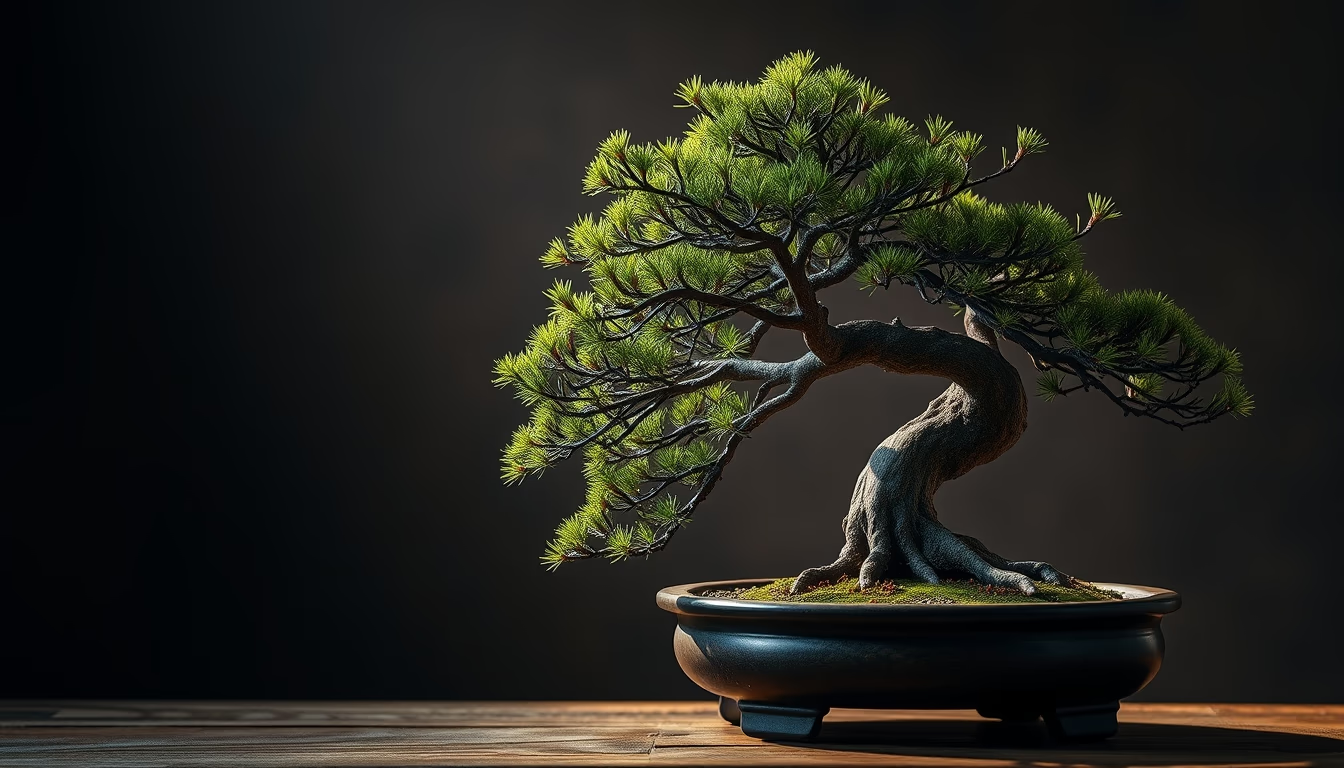
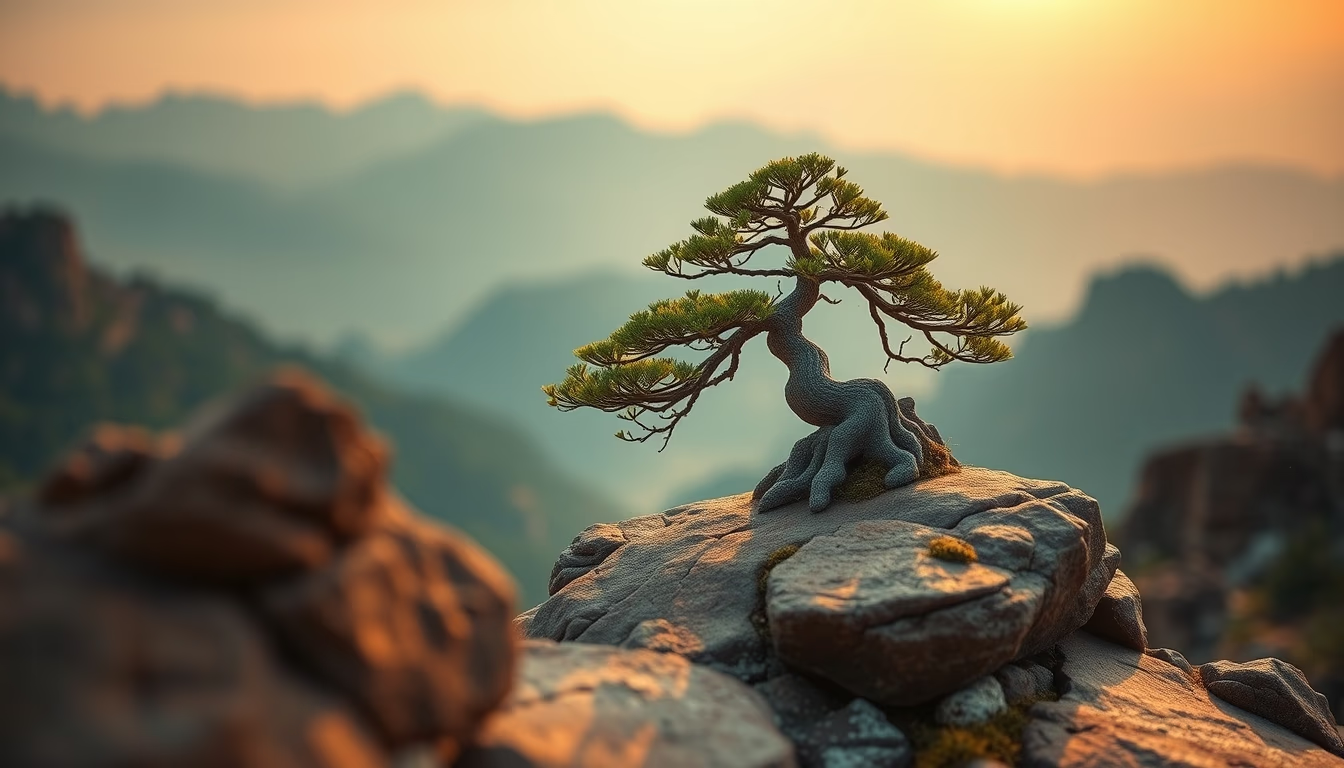
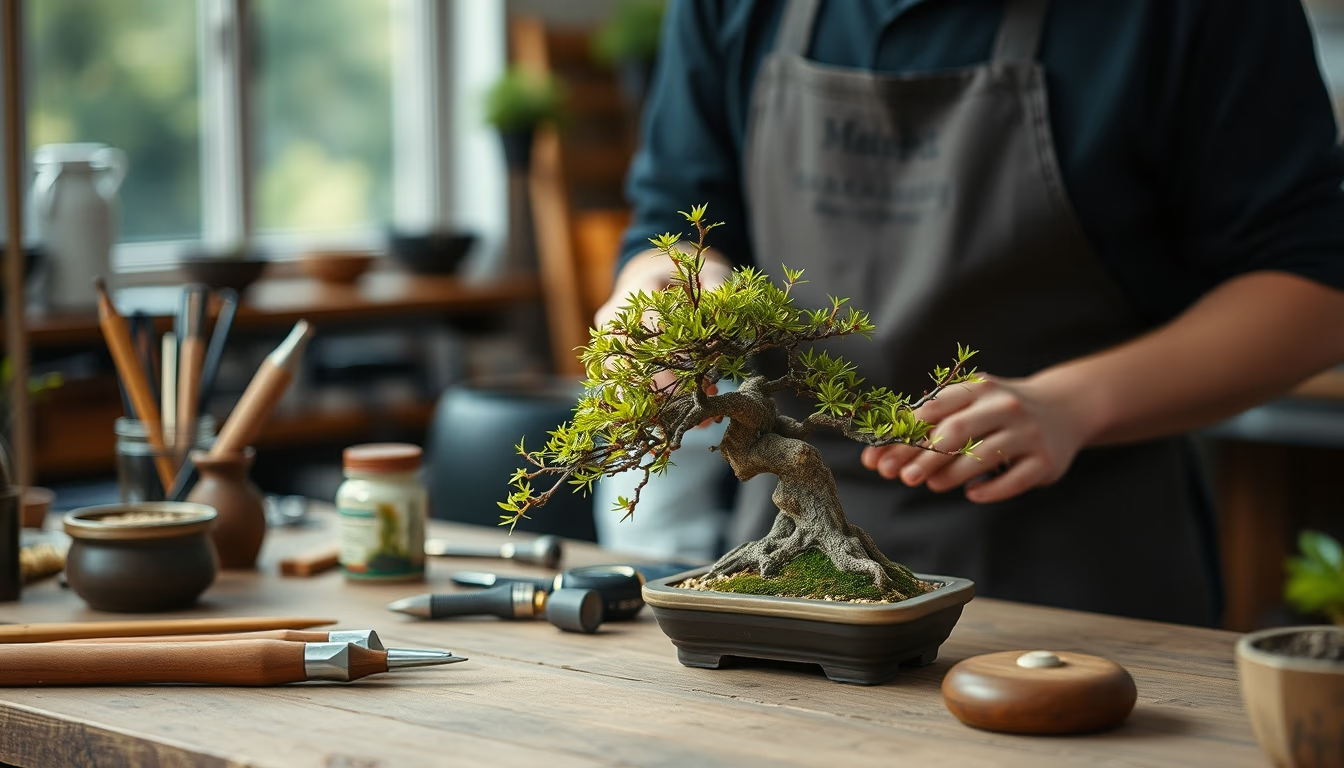
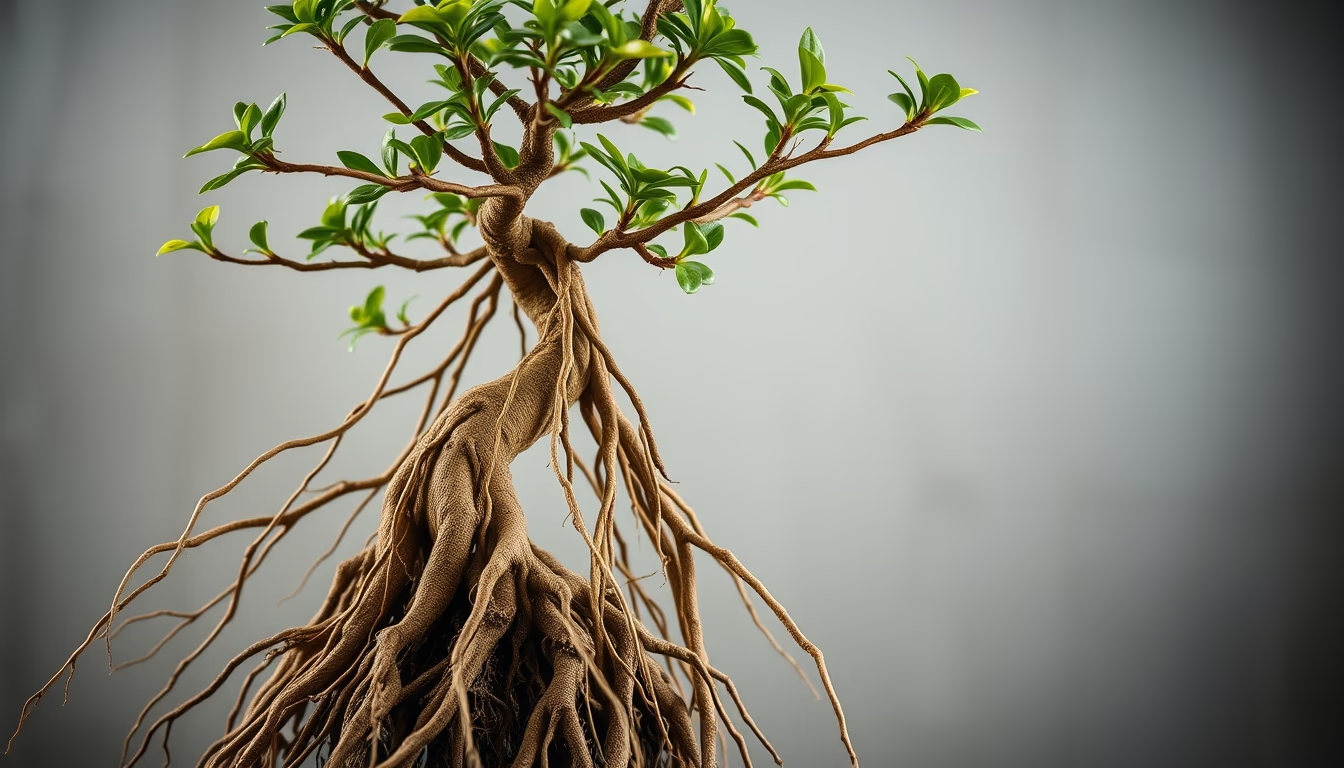
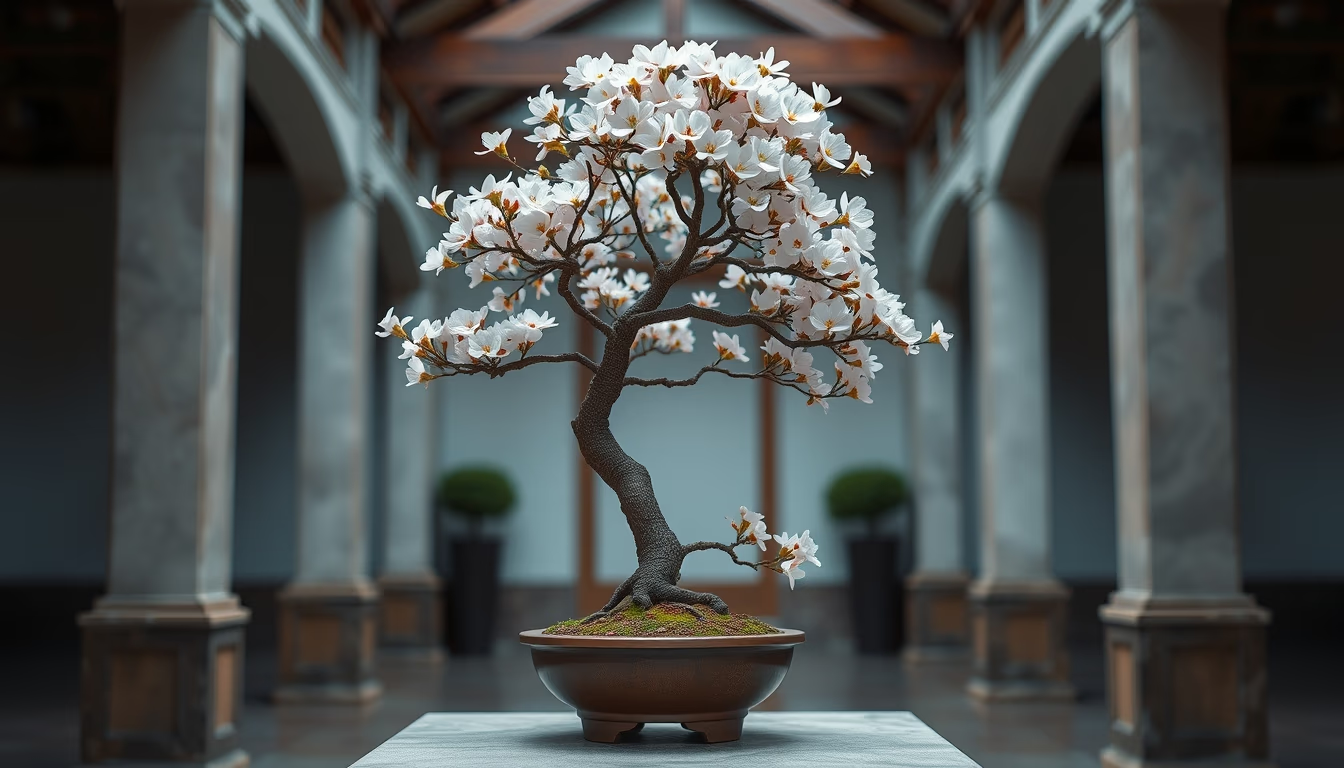
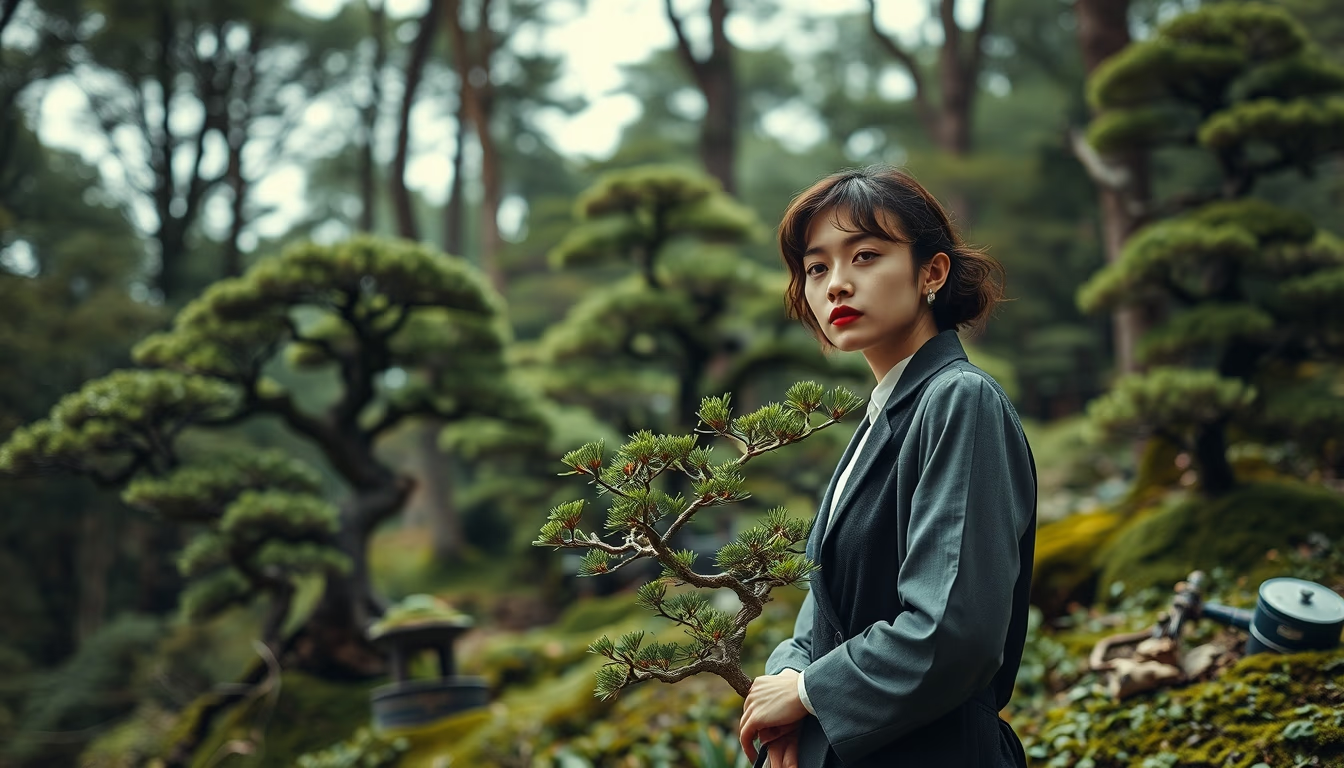
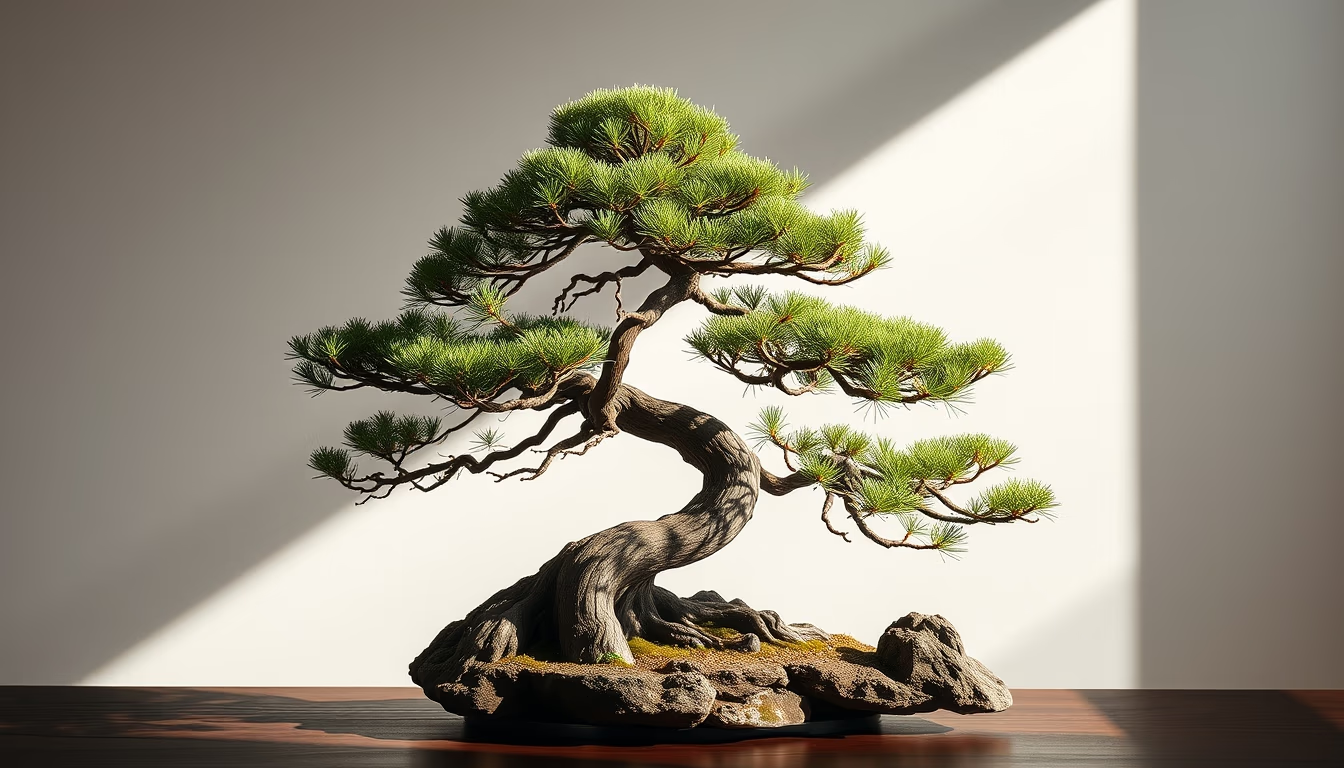
Ancient pine bonsai: a centuries-old Japanese art form that sculpts living miniature trees, embodying patience, balance, and natural beauty.
About this subject
Ancient pine bonsai represents one of the most revered forms of bonsai art, originating in China over a thousand years ago and perfected in Japan. These miniature trees are not genetically dwarfed; they are ordinary plants kept small through careful root and canopy pruning, wiring, and pot restriction. A pine bonsai can live for centuries, passed down through generations as a family heirloom. The oldest known specimen, the 'Goyomatsu' (Japanese white pine), is over 500 years old and resides at the Imperial Palace in Tokyo.
The most common species is Pinus thunbergii (Japanese black pine), prized for its rugged bark and dark green needles. Pinus parviflora (Japanese white pine) has softer, bluish needles, often used in cascade (kengai) styles. Techniques like 'jin' and 'shari' create deadwood and bleached trunk sections that mimic the effects of weather on wild trees. Maintenance requires daily watering, seasonal fertilizing, and summer bud pinching to balance energy.
In Japanese culture, the pine symbolizes longevity, resilience, and virtue. It is a staple in Zen gardens and New Year arrangements (kadomatsu). Displaying an old bonsai is a meditative act: every angle tells a story of decades of the master's work. Today, bonsai has gone global, with clubs and exhibitions in Brazil, such as the National Bonsai Exhibition in São Paulo, gathering ancient specimens from various origins.
A technical curiosity: to prevent pine needles from growing too long, practitioners perform 'pinching', removing new spring shoots. This reduces vigor and maintains the desired scale. The trunk thickens slowly, and bark becomes more rugged with age, giving the impression of a centuries-old tree in miniature.
Frequently Asked Questions
What is the minimum age for a pine bonsai to be considered ancient?
There is no exact age, but pines over 100 years old are generally considered ancient. Many famous specimens are between 200 and 500 years old.
How do you care for an ancient pine bonsai?
It requires daily watering (without waterlogging), specific conifer fertilizer in spring and autumn, summer bud pinching, and protection from strong winds. Repotting should occur every 3-5 years.
Where can I see ancient pine bonsai in Brazil?
At exhibitions like the National Bonsai Exhibition in São Paulo, the Bonsai Museum in Curitiba, and in private collections open to the public, such as Bonsai Garden in Campinas.
Direct URL
https://pub-c7d6a6ea828543ac903a74a341ccb2e1.r2.dev/imagens/bonsai-pine-ancient-fine-art-photography-fresh17.avifHow to credit
Include a visible link back to UtilizAí. Copy one of the snippets below:
<a href="https://xn--utiliza-eza.com/en/midia/imagens/bonsai-pine-ancient-fine-art-photography-fresh17">Bonsai pine ancient</a> by <a href="https://xn--utiliza-eza.com">UtilizAí</a>, licensed under <a href="https://creativecommons.org/licenses/by/4.0/">CC BY 4.0</a>.
[Bonsai pine ancient](https://xn--utiliza-eza.com/en/midia/imagens/bonsai-pine-ancient-fine-art-photography-fresh17) by [UtilizAí](https://xn--utiliza-eza.com), CC BY 4.0
License: CC-BY-4.0