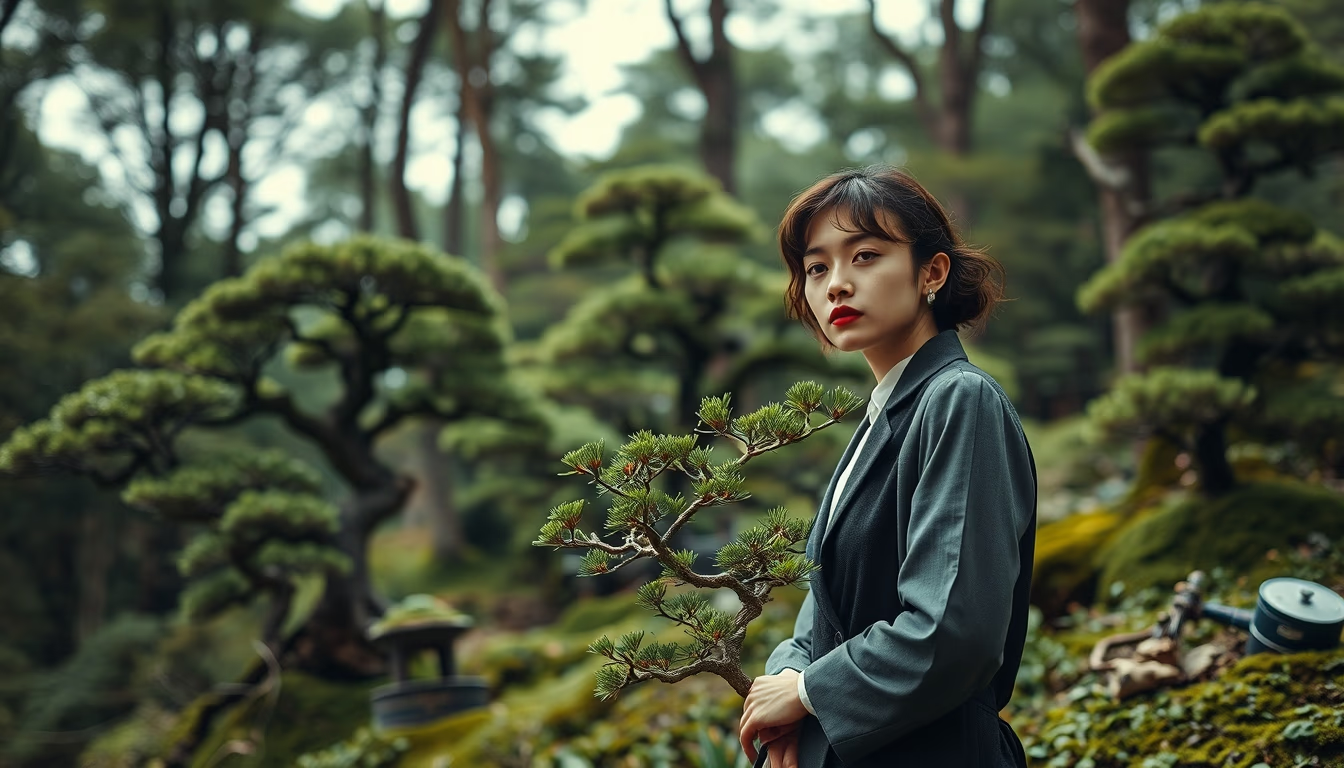
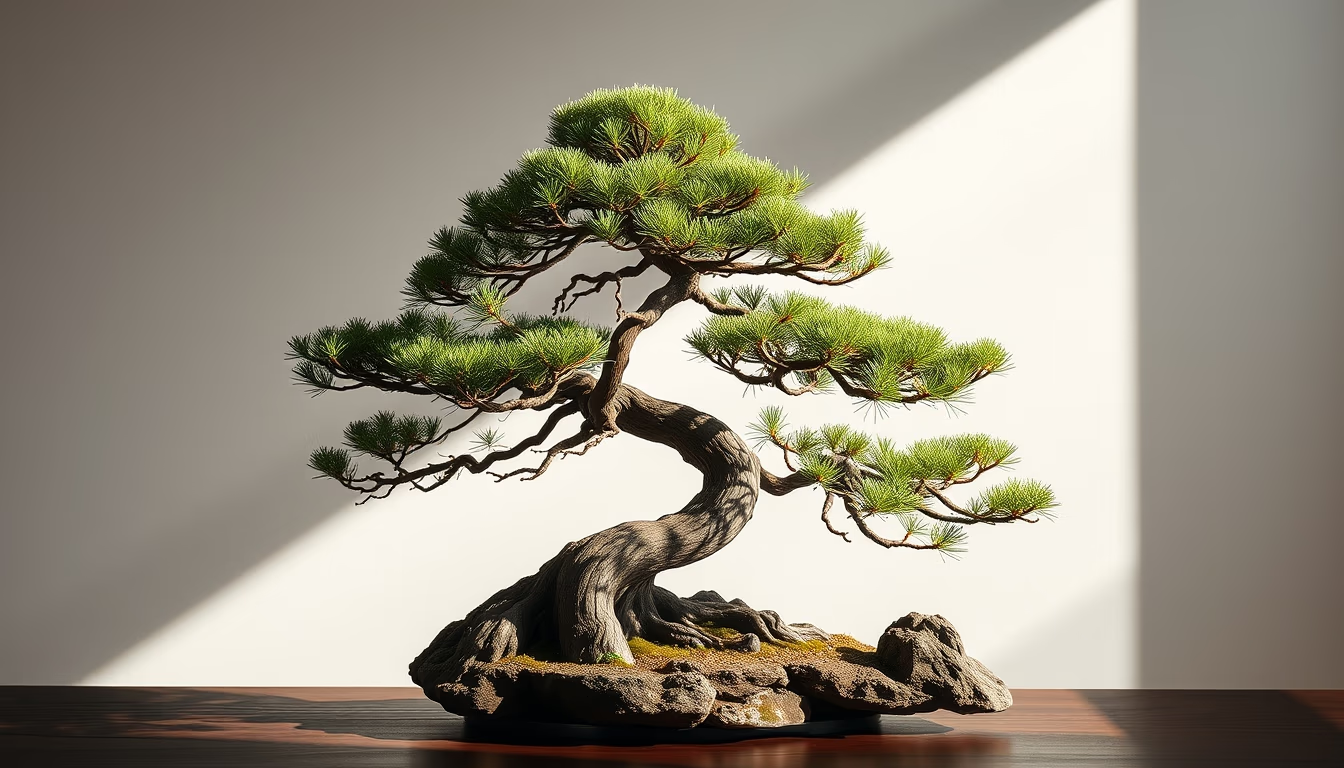
Bonsai pine ancient
1344×768 · AVIF · CC BY 4.0
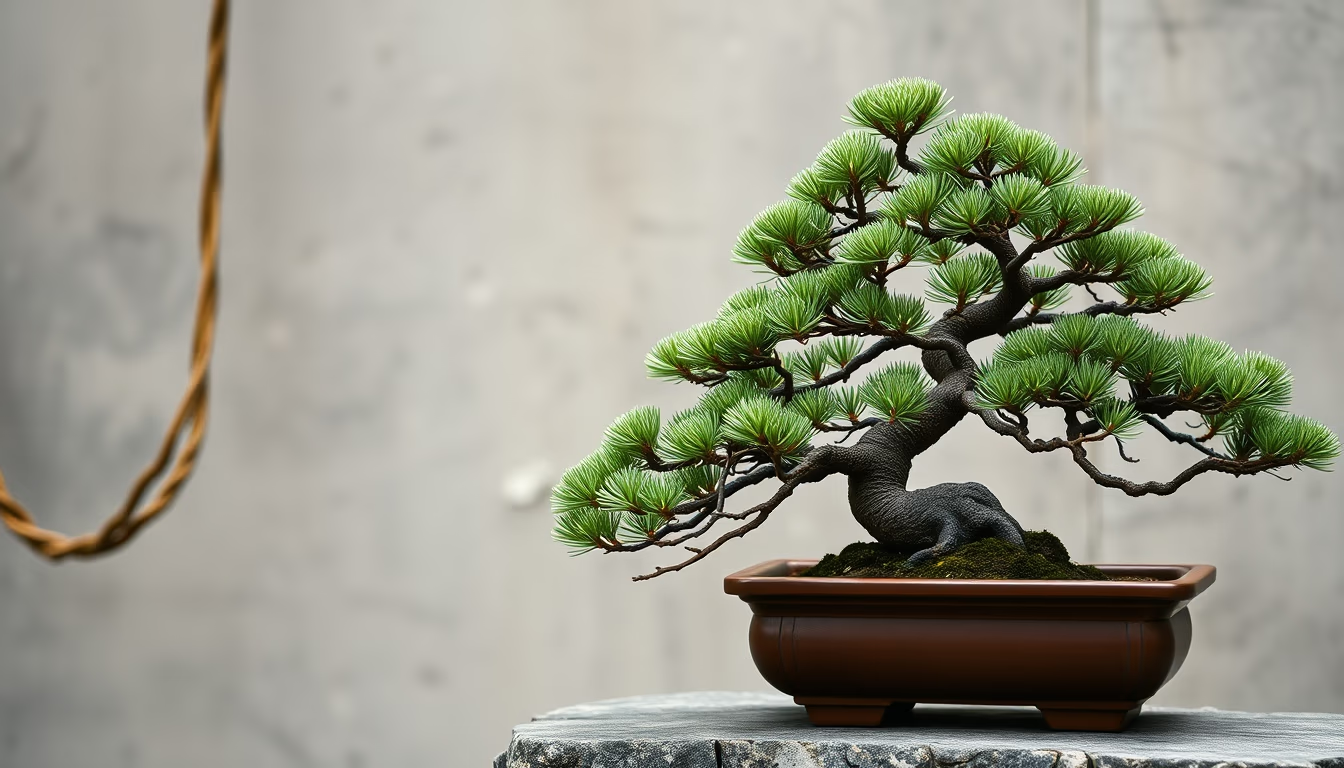
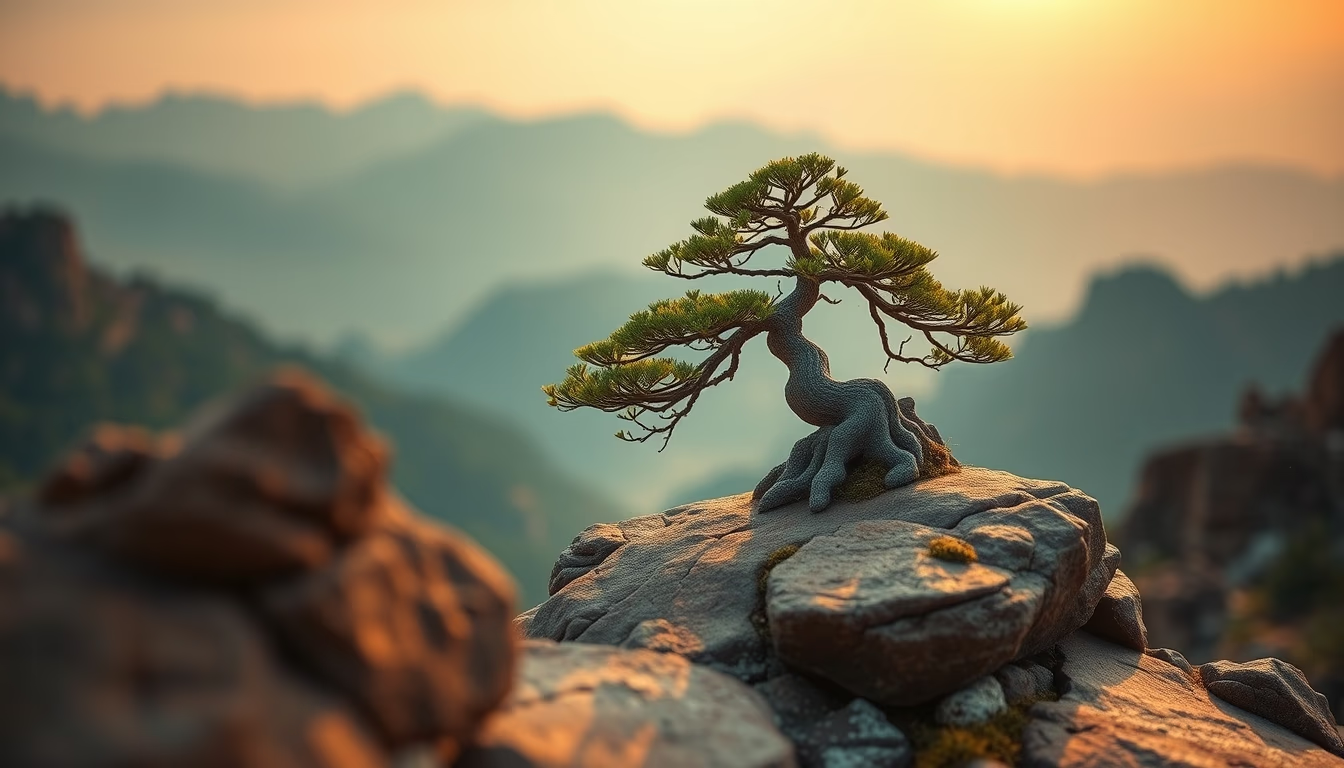
A century-old pine bonsai with scaly bark and twisted branches in a chanoyu ceramic pot embodies the patience and Japanese art of bonsai.
About this subject
The ancient pine bonsai is one of the most revered forms of this millennial art. Species such as Pinus thunbergii (Japanese black pine) and Pinus parviflora (Japanese white pine) are often used for their ability to develop rough bark and gnarled branches over time. A century-old specimen may have been cared for by generations, passed from master to apprentice, each contributing prunings and wires that define its silhouette. The aesthetic of pine bonsai values the balance between the aged trunk and the compact canopy, symbolizing strength that withstands storms.
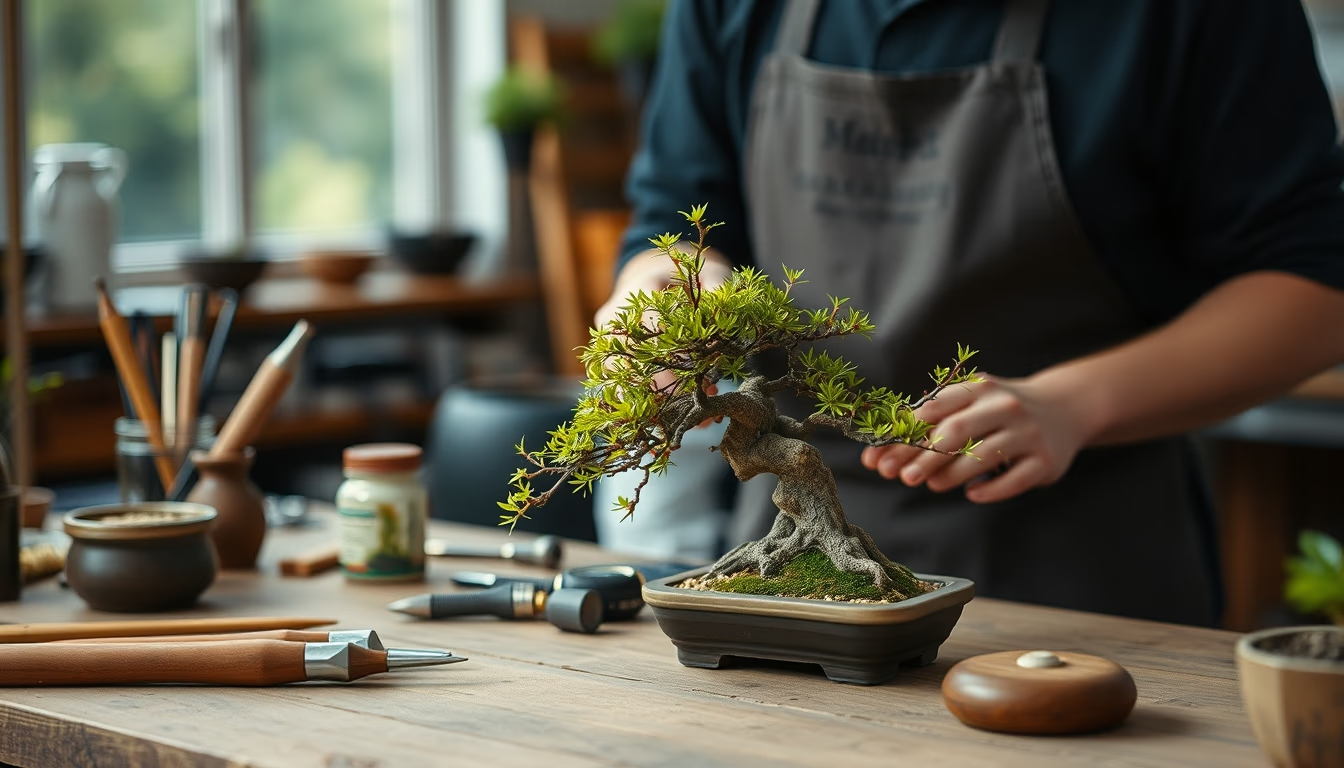
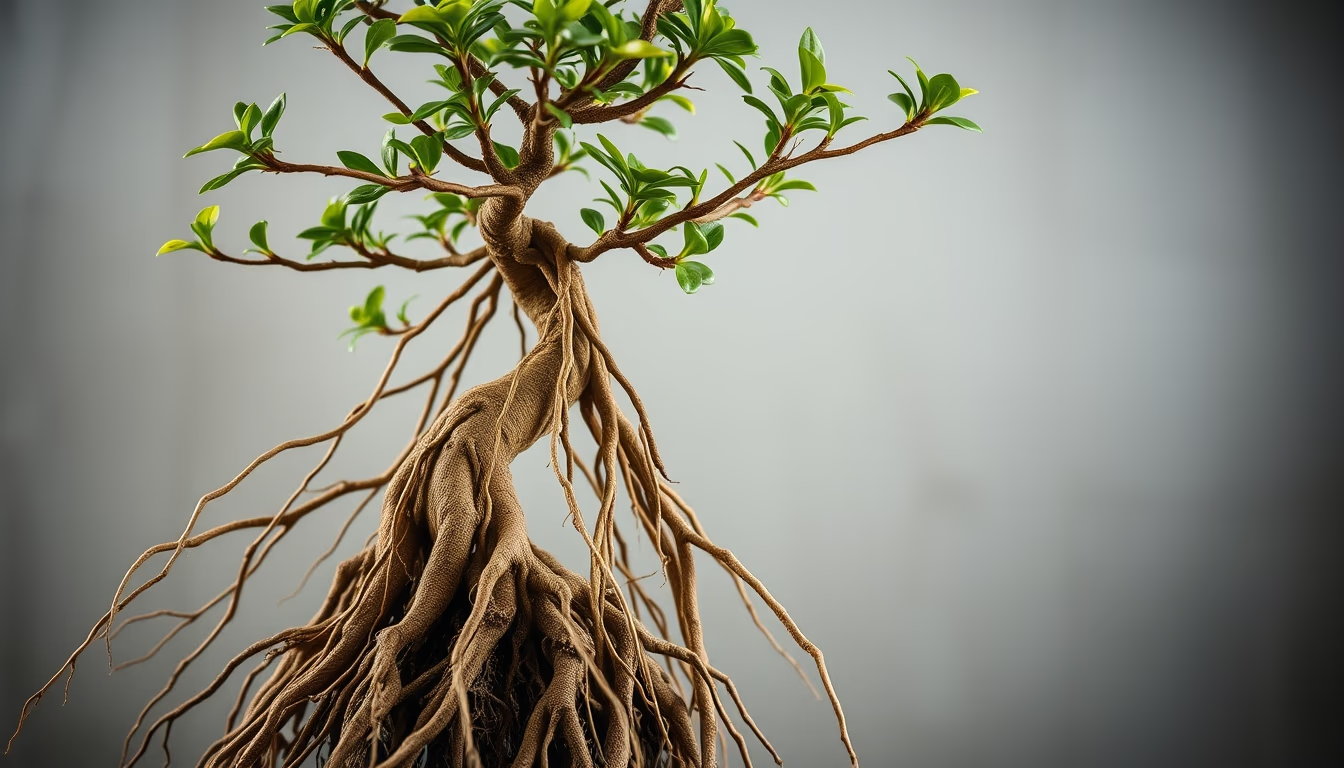
Maintaining an ancient pine bonsai requires specific techniques. Root pruning during repotting, every two or three years, controls growth and renews the substrate. Partial defoliation does not apply to pines, but needle reduction is done manually by pinching new shoots in spring. Wiring, when needed, must be careful not to damage the rough bark. Watering is moderate, as pines tolerate some dryness, but they need good drainage to prevent rot.
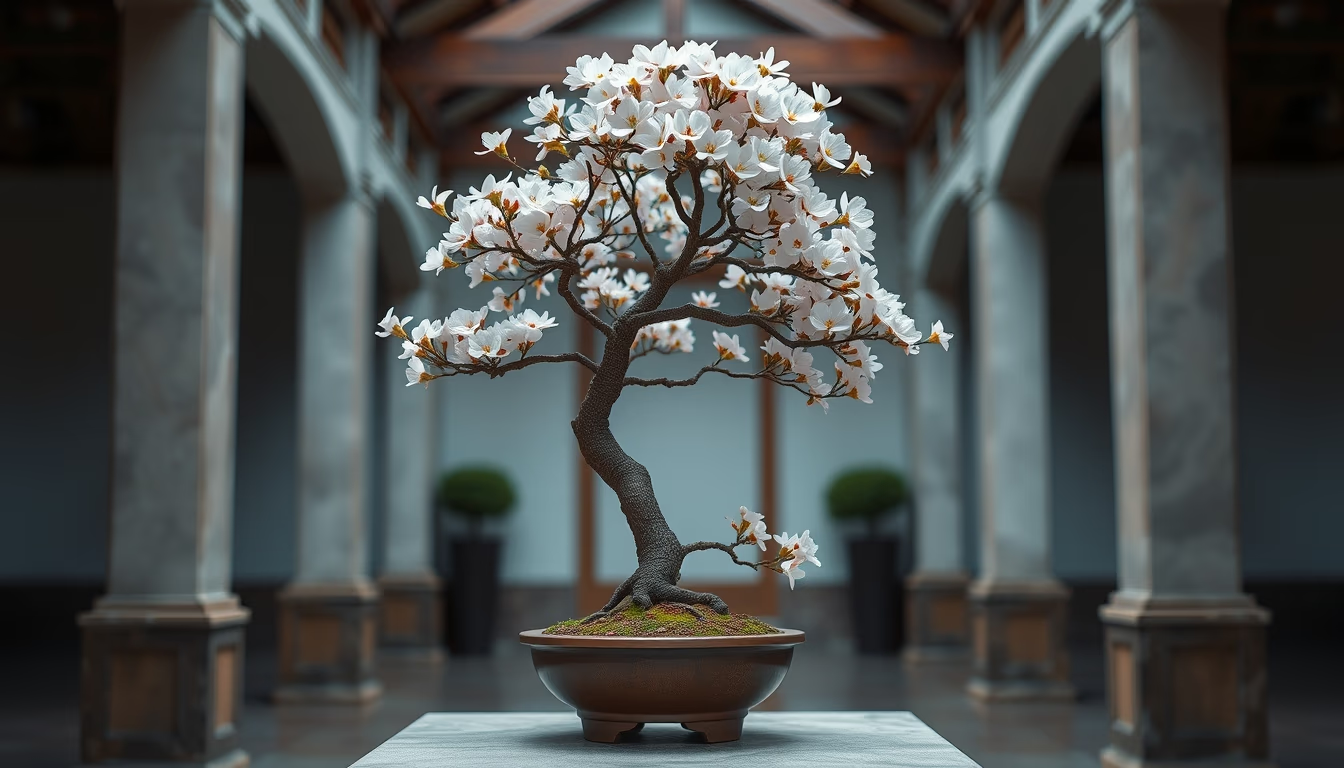
In Japanese culture, the pine symbolizes longevity, resilience, and good fortune. Pine bonsai often appear in prominent exhibitions, displayed in tokonoma (alcoves) with a scroll or painting. The oldest known pine bonsai, the 'Sandal-phire', is over 500 years old and resides in the Omiya Bonsai Art Museum in Japan. The tradition of bonsai reached the West in the 20th century, but ancient specimens remain treasures connecting the present to the long history of cultivation.
Frequently Asked Questions
How long does it take for a pine bonsai to be considered ancient?
There is no strict rule, but generally a pine bonsai is called ancient after 50 to 100 years of cultivation. Specimens over 200 years old are rare and highly valued.
How to care for a pine bonsai to ensure it ages well?
Care includes branch pruning in spring, pinching shoots to reduce needles, moderate watering, and balanced fertilization. Protection from hard frost is essential for temperate species.
What is the meaning of the pine in Japanese bonsai?
The pine symbolizes longevity, strength, and perseverance. It is often associated with the Japanese New Year and used in compositions wishing good fortune, due to its evergreen foliage that never withers.
Direct URL
https://pub-c7d6a6ea828543ac903a74a341ccb2e1.r2.dev/imagens/bonsai-pine-ancient-film-grain-authentic-fresh3.avifHow to credit
Include a visible link back to UtilizAí. Copy one of the snippets below:
<a href="https://xn--utiliza-eza.com/en/midia/imagens/bonsai-pine-ancient-film-grain-authentic-fresh3">Bonsai pine ancient</a> by <a href="https://xn--utiliza-eza.com">UtilizAí</a>, licensed under <a href="https://creativecommons.org/licenses/by/4.0/">CC BY 4.0</a>.
[Bonsai pine ancient](https://xn--utiliza-eza.com/en/midia/imagens/bonsai-pine-ancient-film-grain-authentic-fresh3) by [UtilizAí](https://xn--utiliza-eza.com), CC BY 4.0
License: CC-BY-4.0