Bonsai maple autumn red
1344×768 · AVIF · CC BY 4.0
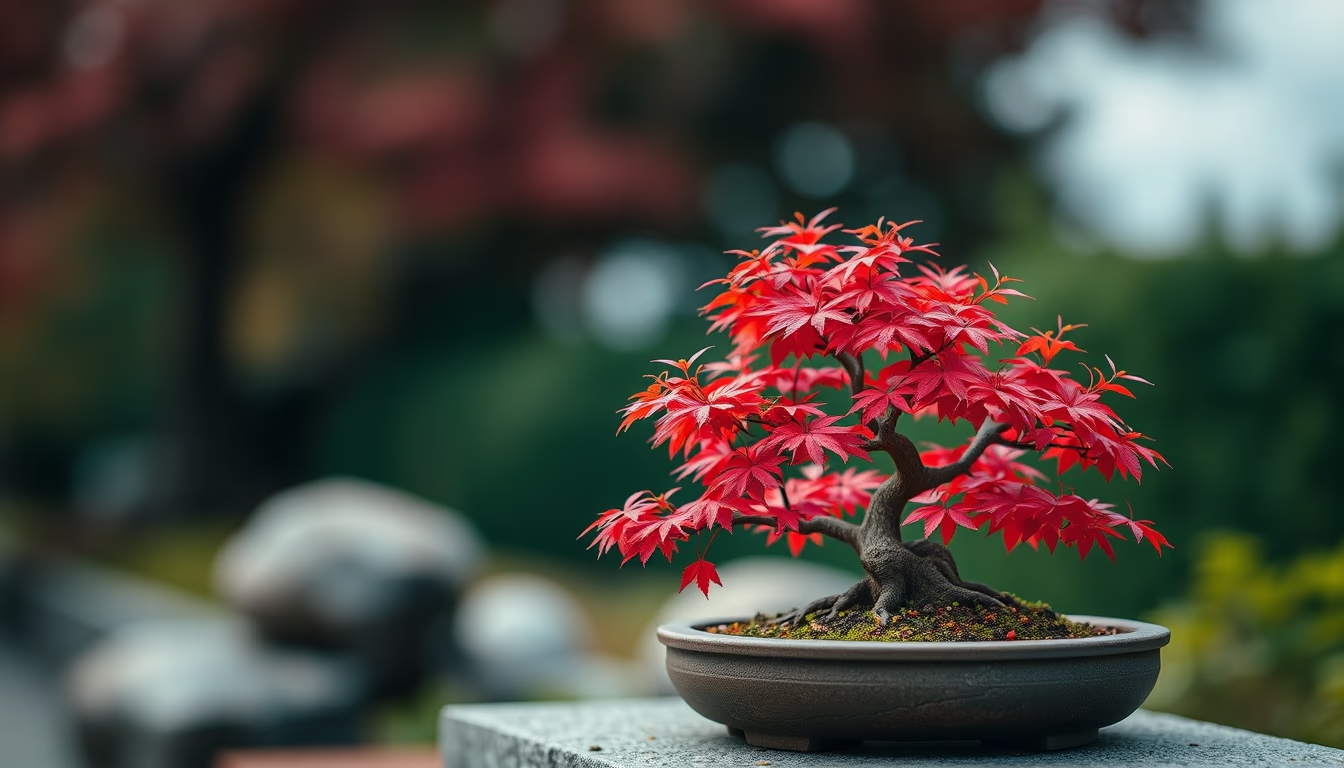
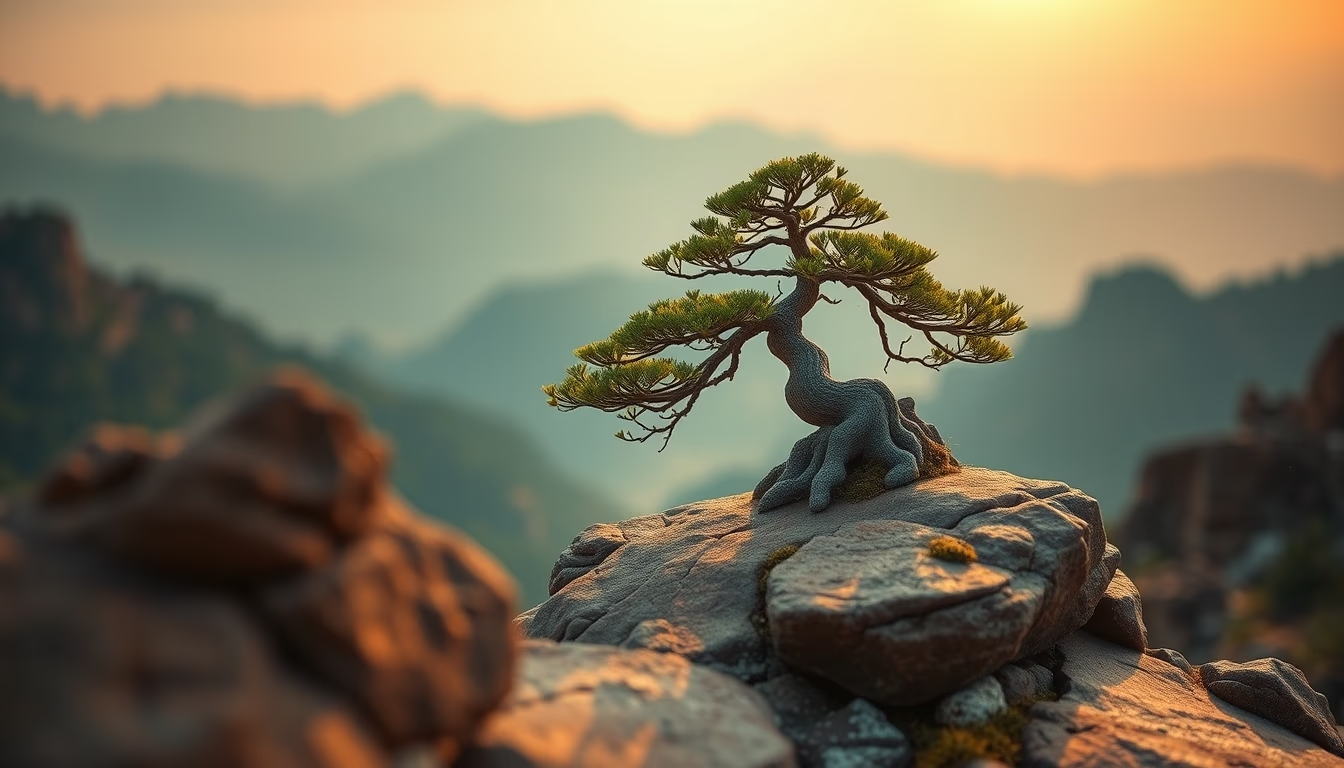
The Japanese maple (Acer palmatum) as a bonsai displays red autumn leaves, a symbol of patience and ancient art.
About this subject
The Japanese maple bonsai, known as Momiji, is one of the most cherished species in the art of bonsai. Native to Japan, this maple stands out for its leaves that change color throughout the seasons: deep green in spring and summer, vibrant red in autumn, and bare branches in winter. The practice of cultivating miniature trees, or bonsai, dates back over a thousand years, influenced by Zen Buddhism and the wabi-sabi aesthetic, which values simplicity and imperfection.
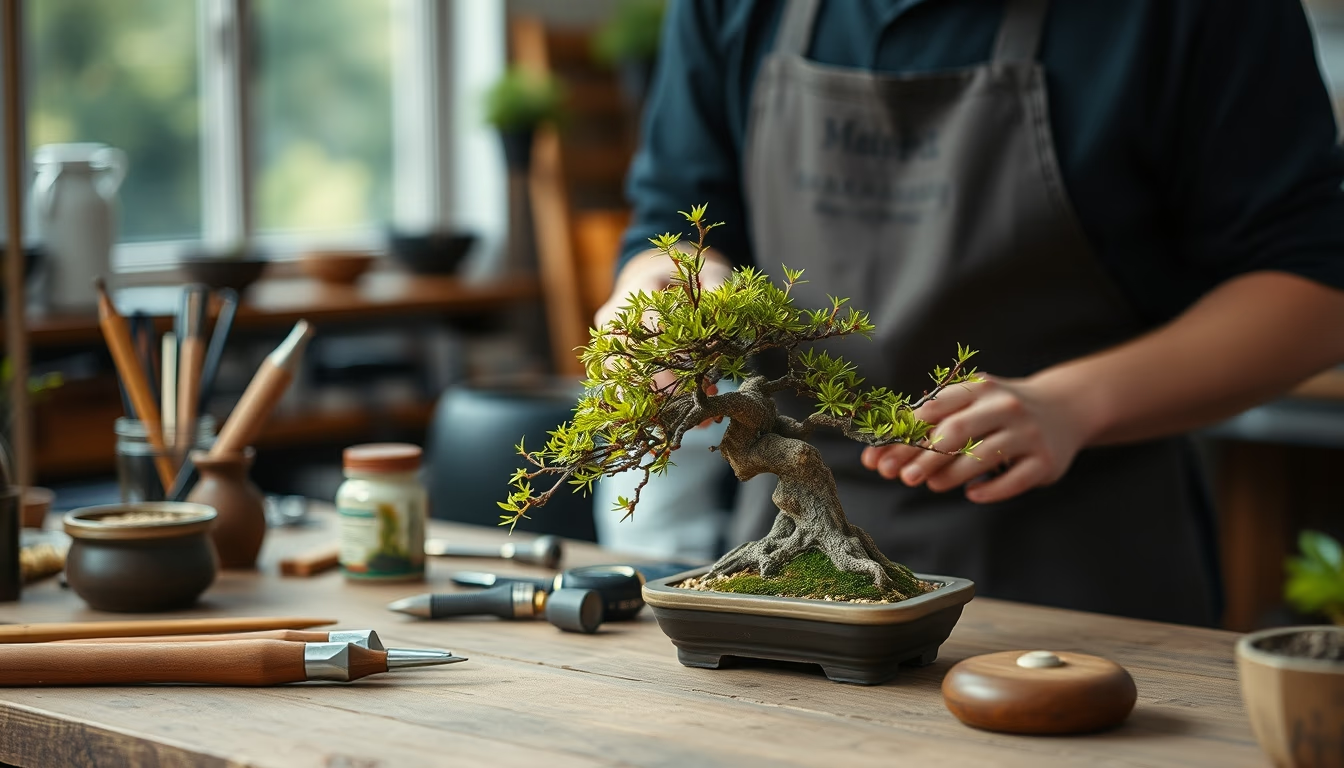
Caring for a maple bonsai requires special attention to watering, fertilization, and pruning. During autumn, the reddish leaves are a seasonal spectacle, resulting from chlorophyll degradation and anthocyanin accumulation. To maintain the tree's health, it is important to protect the roots from intense cold and provide indirect light. The wiring technique allows shaping branches, creating forms that mimic aged trees in nature.
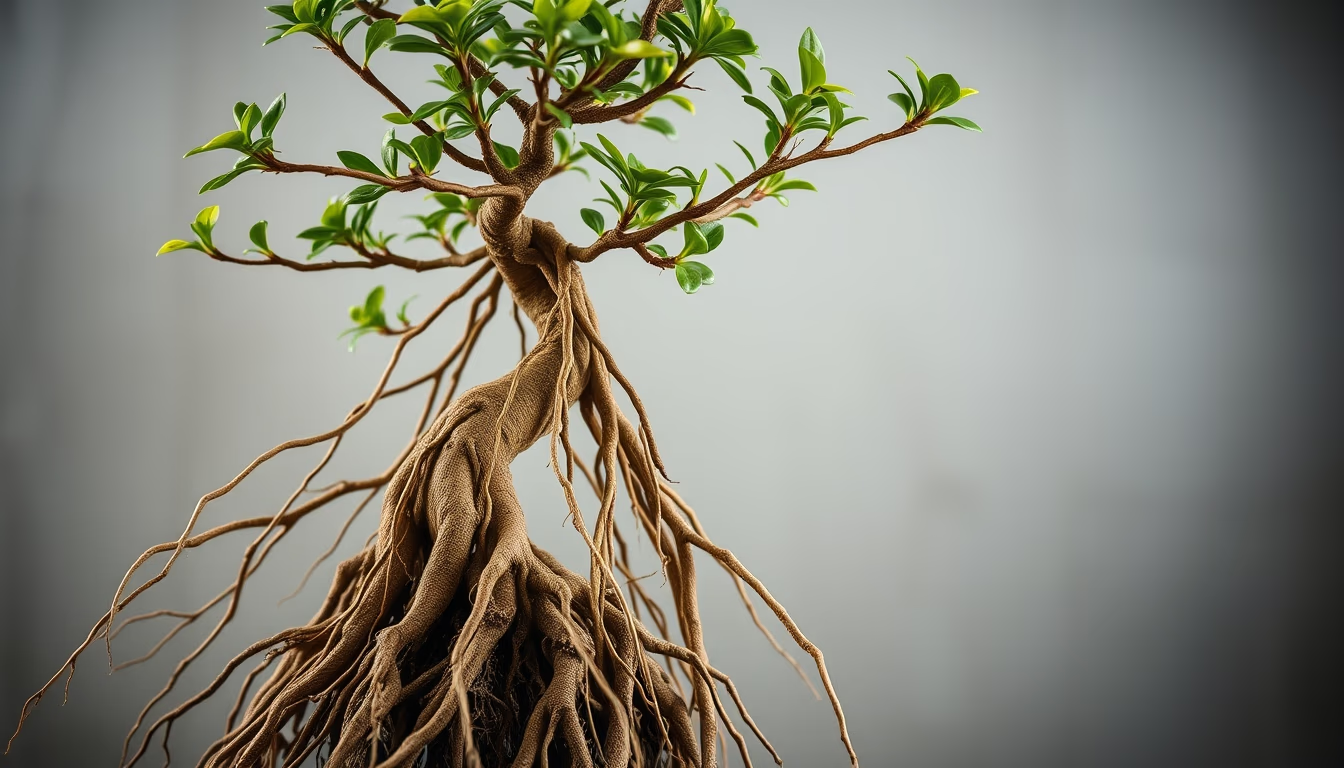
In Brazil, cultivating Japanese maples as bonsai is feasible in temperate or subtropical regions, such as the South and Southeast. The species Acer palmatum is sensitive to extreme heat and requires well-drained substrate with slightly acidic pH. Maintenance pruning should be done in late winter before bud break. Fertilization with slow-release organic fertilizer is recommended in spring and autumn.
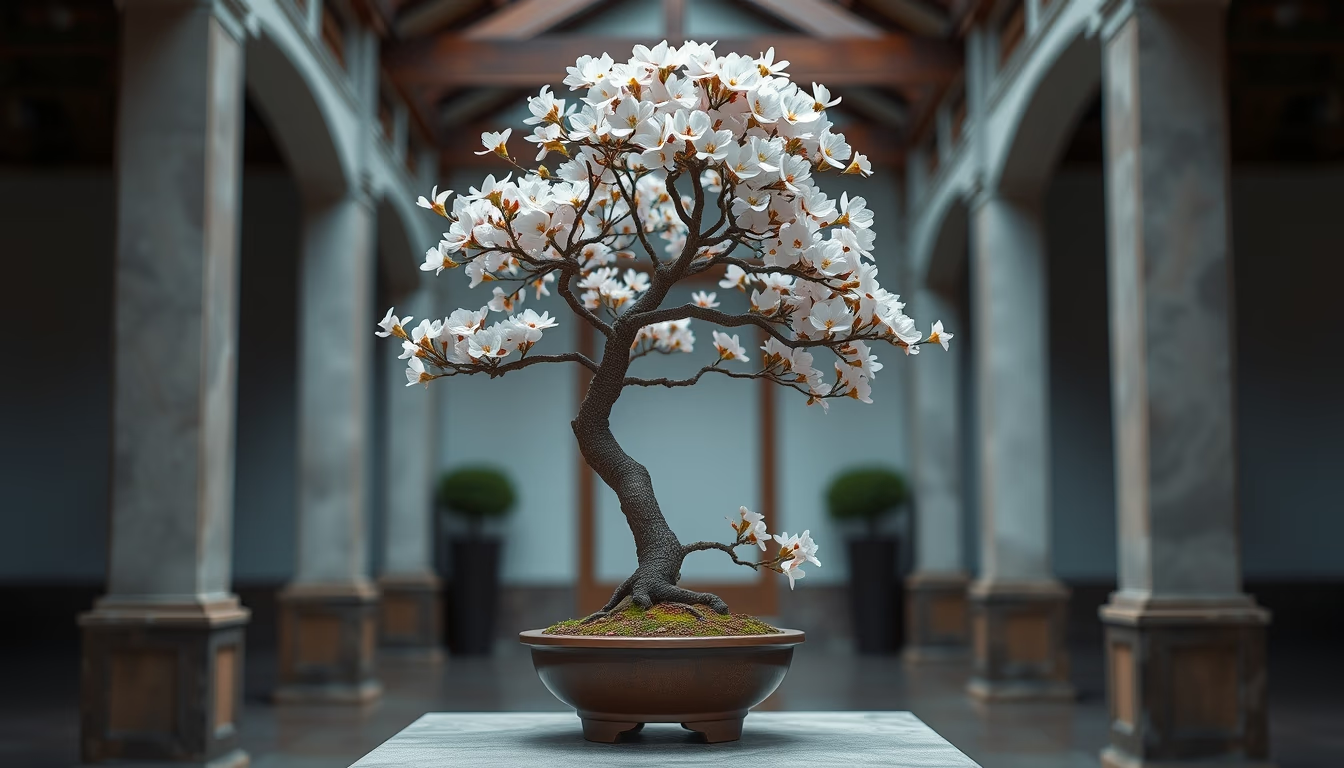
The aesthetics of the maple bonsai in autumn evoke the transience of life, a central concept in Buddhism. The red leaves fallen around the trunk create a contemplative scene, often depicted in Japanese paintings and gardens. For enthusiasts, Momiji is one of the most rewarding trees, combining technical challenge and seasonal beauty.
Frequently Asked Questions
How to care for a maple bonsai in autumn?
In autumn, water moderately to avoid waterlogging, protect from cold wind, and keep in a location with indirect light. Red leaves fall naturally; do not remove them all at once to avoid stressing the tree.
Why do Japanese maple leaves turn red in autumn?
Red color is due to production of anthocyanins, pigments that protect leaves from excess light and help reabsorb nutrients before leaf drop. Cold nights and sunny days intensify the color.
What is the best substrate for a Japanese maple bonsai?
The ideal substrate is well-drained, with pH between 5.5 and 6.5. A common mix includes akadama, pumice, and organic matter (like worm castings) in equal parts. Avoid soils that retain too much water.
Direct URL
https://pub-c7d6a6ea828543ac903a74a341ccb2e1.r2.dev/imagens/bonsai-maple-autumn-red-tilt-shift-miniature-fresh8.avifHow to credit
Include a visible link back to UtilizAí. Copy one of the snippets below:
<a href="https://xn--utiliza-eza.com/en/midia/imagens/bonsai-maple-autumn-red-tilt-shift-miniature-fresh8">Bonsai maple autumn red</a> by <a href="https://xn--utiliza-eza.com">UtilizAí</a>, licensed under <a href="https://creativecommons.org/licenses/by/4.0/">CC BY 4.0</a>.
[Bonsai maple autumn red](https://xn--utiliza-eza.com/en/midia/imagens/bonsai-maple-autumn-red-tilt-shift-miniature-fresh8) by [UtilizAí](https://xn--utiliza-eza.com), CC BY 4.0
License: CC-BY-4.0