Bonsai maple autumn red
1344×768 · AVIF · CC BY 4.0
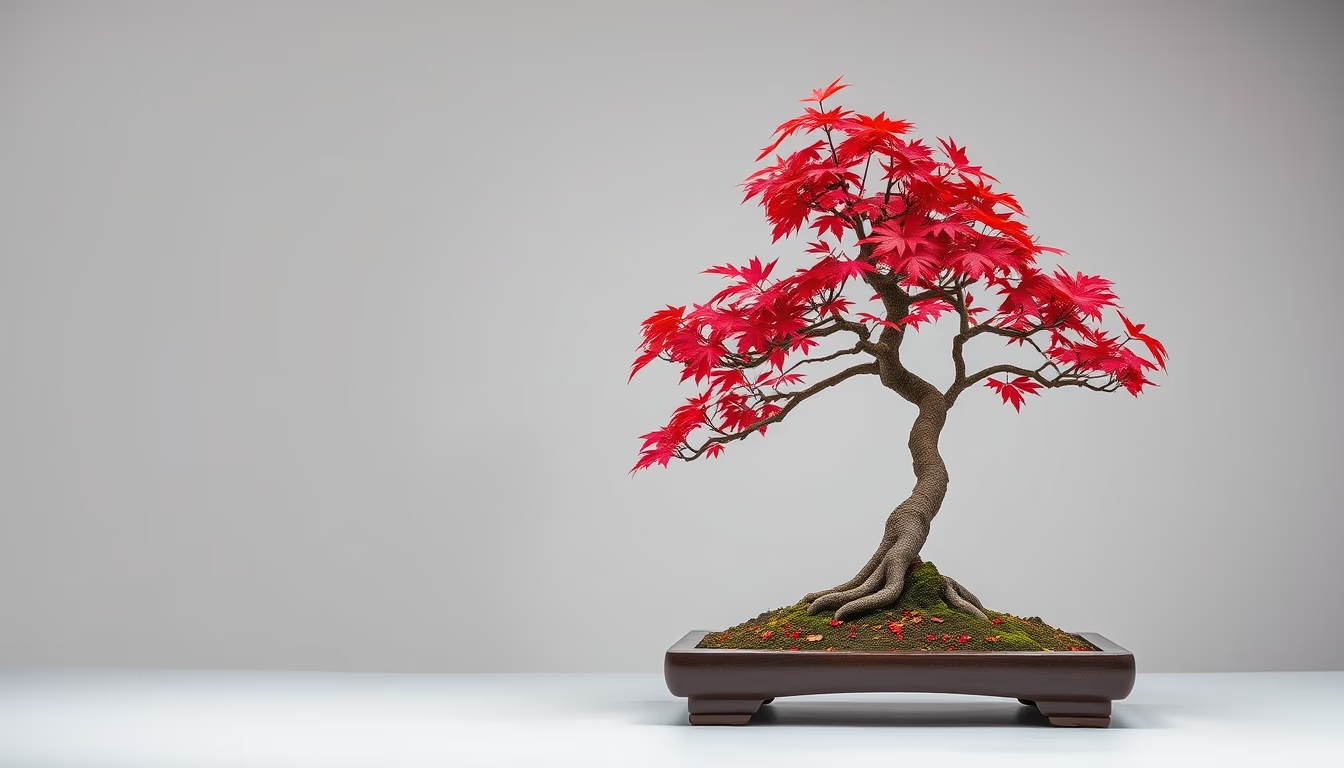
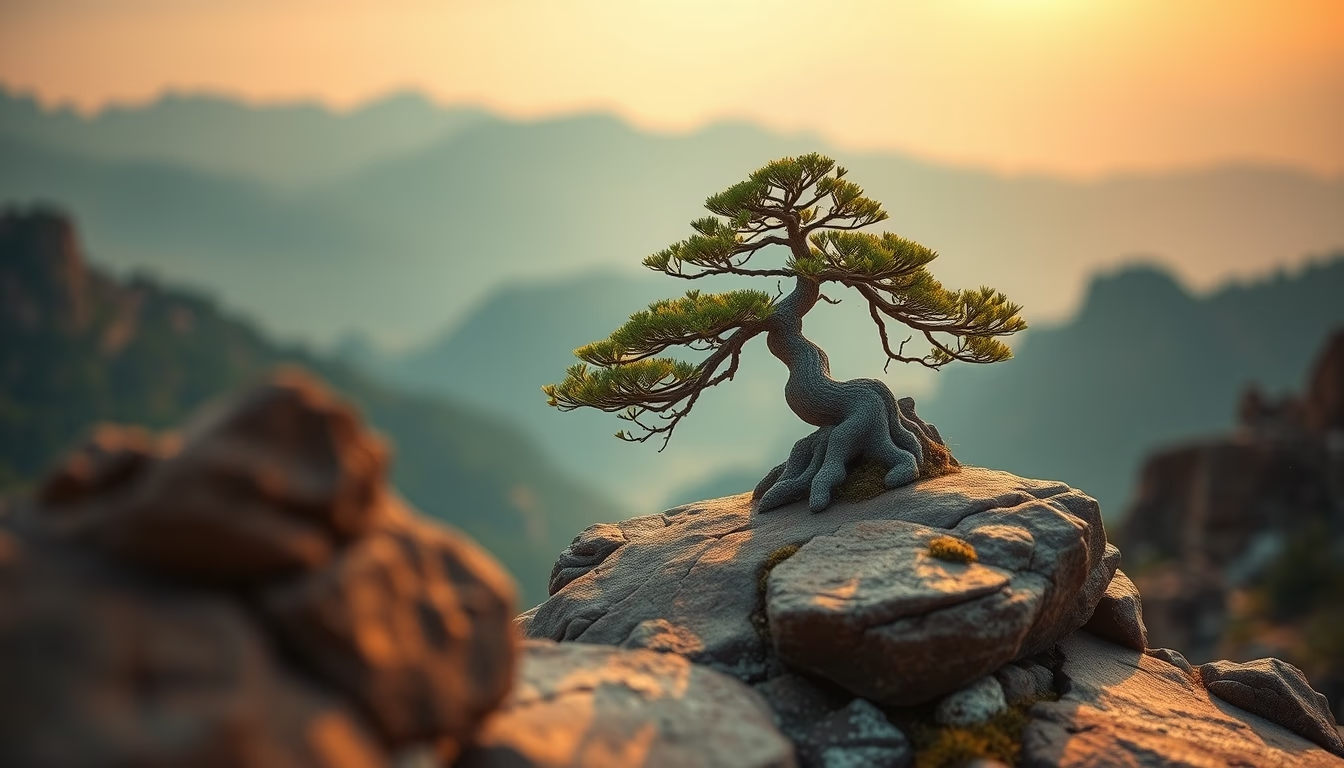
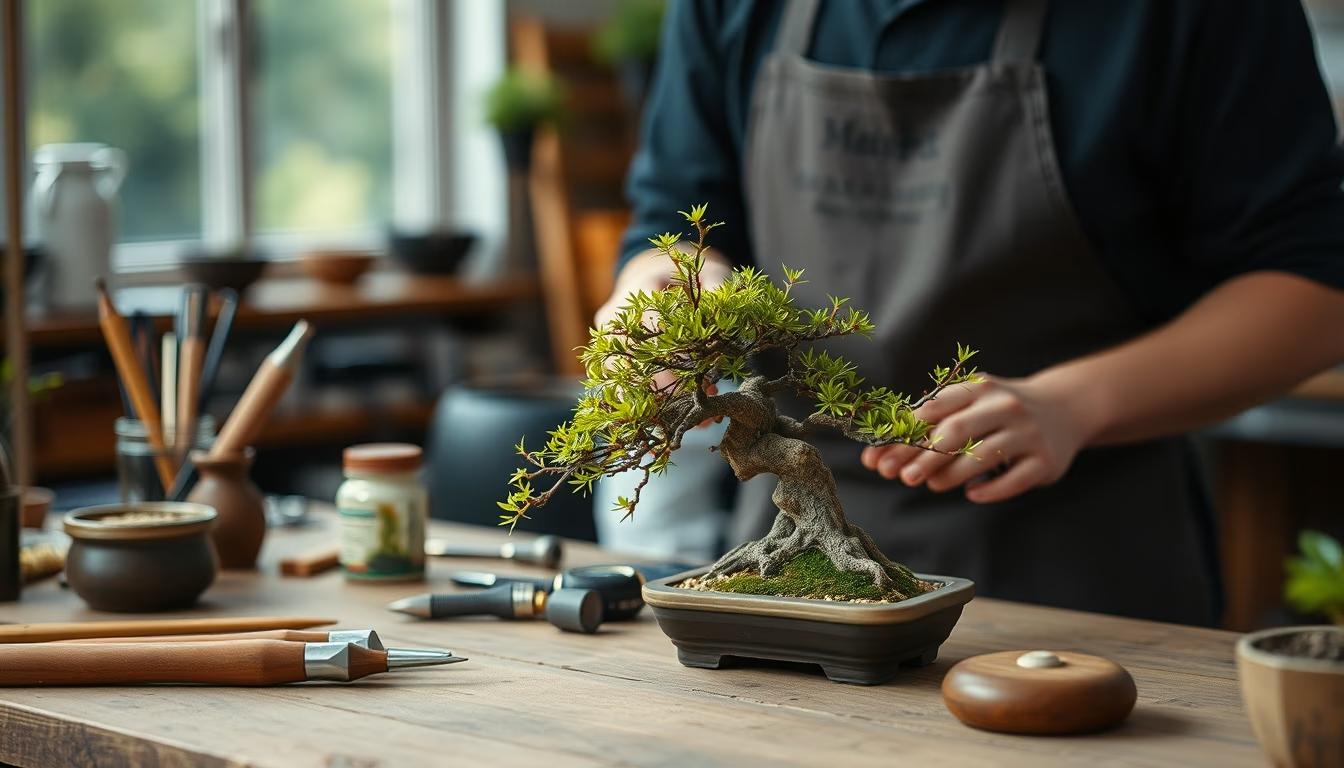
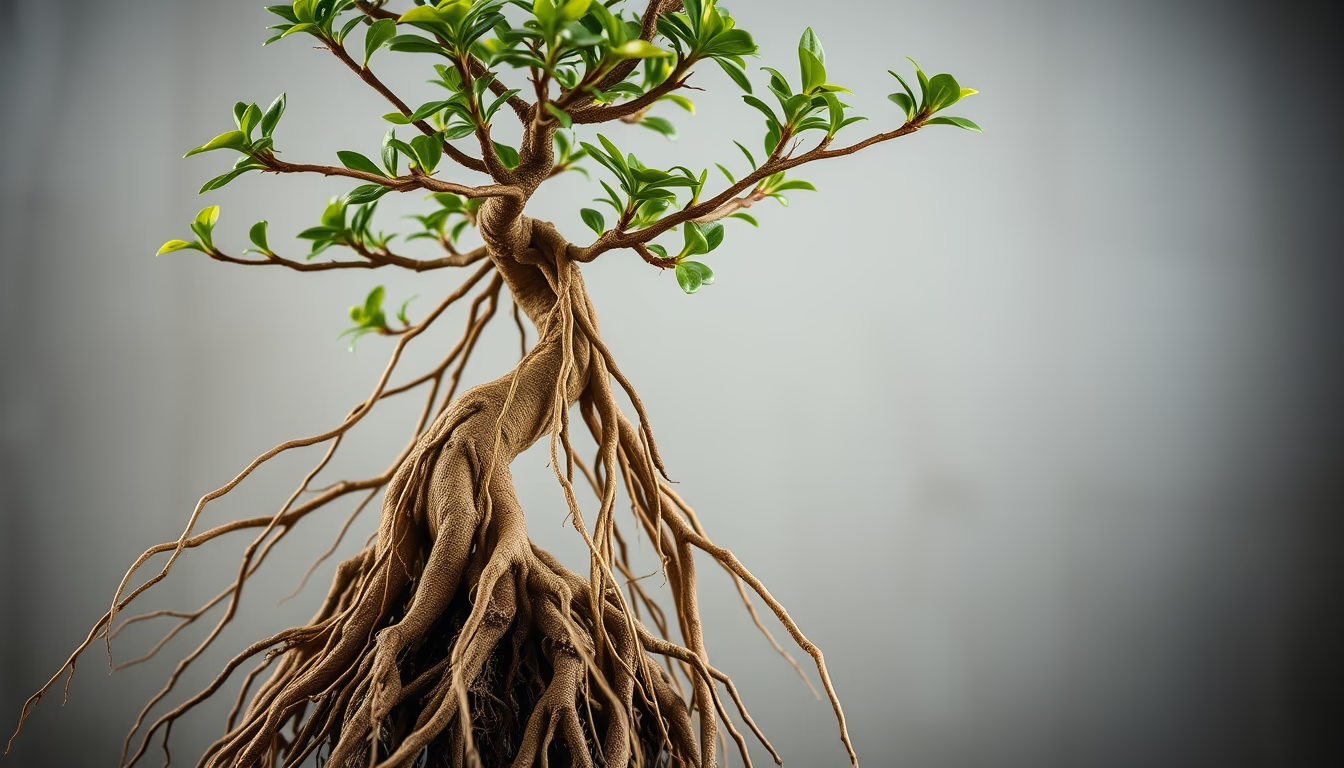
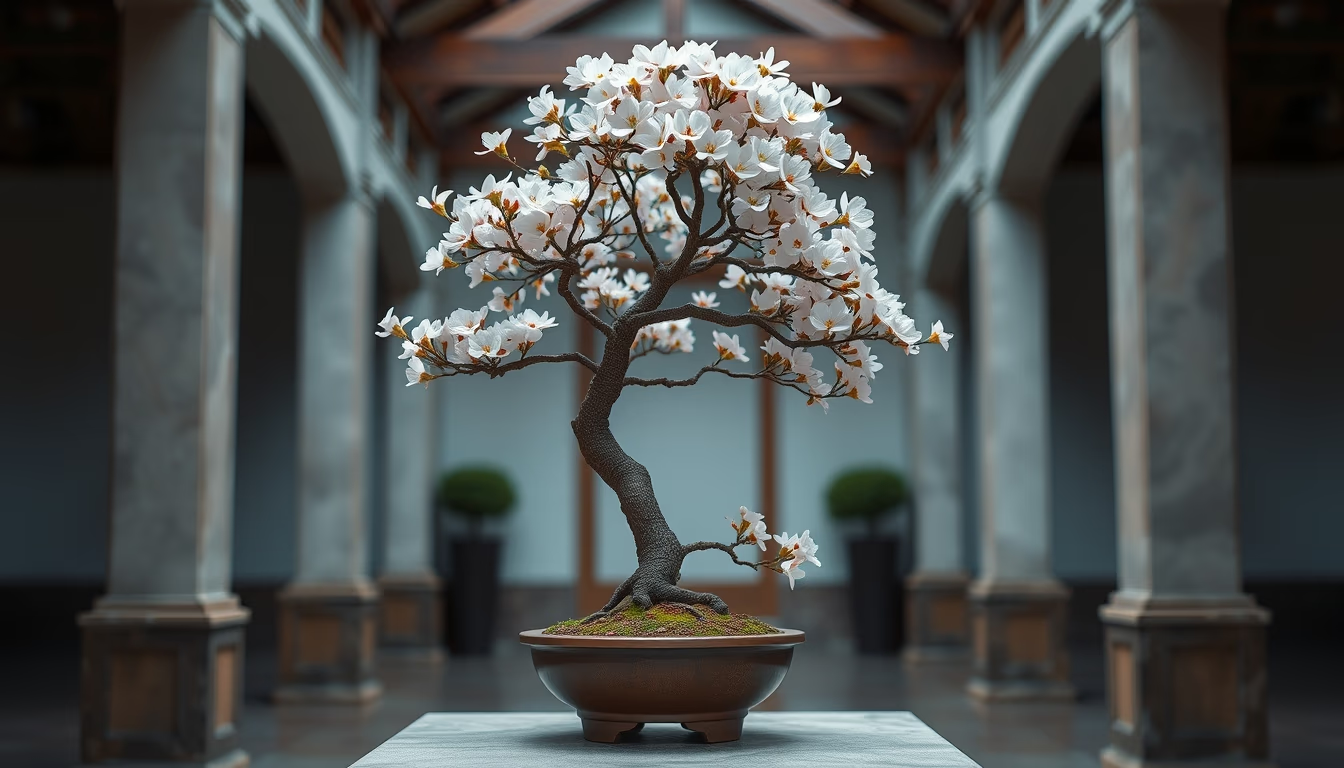
Bonsai de bordo com folhagem vermelha no outono: tradição milenar japonesa que combina arte, paciência e técnicas de cultivo em miniatura.
Sobre o tema
O bonsai de bordo (Acer palmatum) é uma das espécies mais apreciadas no mundo dos bonsais, especialmente no outono, quando suas folhas adquirem tons vibrantes de vermelho, laranja e amarelo. Originário do Japão, Coreia e China, o bordo japonês é cultivado há séculos como árvore ornamental em miniatura. A prática do bonsai, que significa 'árvore em bandeja', surgiu na China há mais de mil anos e foi refinada no Japão, onde se tornou uma expressão artística e filosófica.
O outono é uma estação crucial para os entusiastas de bonsai, pois as mudanças de temperatura e luz desencadeiam a transformação das folhas. No caso do bordo, a cor vermelha intensa resulta da produção de antocianinas, pigmentos que protegem as folhas durante a senescência. Para obter cores vibrantes, o cultivador deve controlar fatores como exposição solar, rega e adubação. Um bonsai de bordo vermelho no outono é considerado um dos picos estéticos da arte.
Além da beleza, o bonsai de bordo exige cuidados específicos. Por ser uma árvore de folha caduca, precisa de um período de dormência no inverno, com temperaturas baixas. A poda e a aramação devem ser feitas no momento certo para não prejudicar a formação das gemas. Muitos praticantes levam anos para moldar um bonsai de bordo, alcançando formas que imitam árvores centenárias em escala reduzida.
O uso de bordos em bonsai é popular em todo o mundo, mas especialmente no Japão, onde festivais de outono celebram a mudança de cores. Algumas variedades, como o 'Deshojo' e o 'Osakazuki', são famosas por sua coloração vermelha intensa. A fotografia de bonsai no outono é comum em revistas de jardinagem e arte, destacando a harmonia entre a natureza e a intervenção humana.
Perguntas frequentes
Qual a origem do bonsai de bordo?
O bonsai de bordo tem origem na Ásia, especialmente no Japão, China e Coreia. A árvore é cultivada há séculos como parte da arte do bonsai, que começou na China e foi aperfeiçoada no Japão.
Como cuidar de um bonsai de bordo no outono?
No outono, o bonsai de bordo precisa de exposição solar adequada para intensificar as cores, rega moderada e proteção contra ventos fortes. A adubação deve ser reduzida e a poda evitada para não estimular novos brotos antes da dormência.
Por que as folhas do bordo ficam vermelhas no outono?
A coloração vermelha ocorre devido à produção de antocianinas, pigmentos que protegem as folhas durante a senescência. Fatores como luz intensa e temperaturas amenas favorecem cores mais vibrantes.
URL direta
https://pub-c7d6a6ea828543ac903a74a341ccb2e1.r2.dev/imagens/bonsai-maple-autumn-red-studio-editorial-portrait-fresh12.avifComo creditar
Inclua um link visível de volta pro UtilizAí. Copie um dos snippets abaixo:
<a href="https://xn--utiliza-eza.com/midia/imagens/bonsai-maple-autumn-red-studio-editorial-portrait-fresh12">Bonsai maple autumn red</a> by <a href="https://xn--utiliza-eza.com">UtilizAí</a>, licensed under <a href="https://creativecommons.org/licenses/by/4.0/">CC BY 4.0</a>.
[Bonsai maple autumn red](https://xn--utiliza-eza.com/midia/imagens/bonsai-maple-autumn-red-studio-editorial-portrait-fresh12) by [UtilizAí](https://xn--utiliza-eza.com), CC BY 4.0
Licença: CC-BY-4.0