Bonsai maple autumn red
1344×768 · AVIF · CC BY 4.0
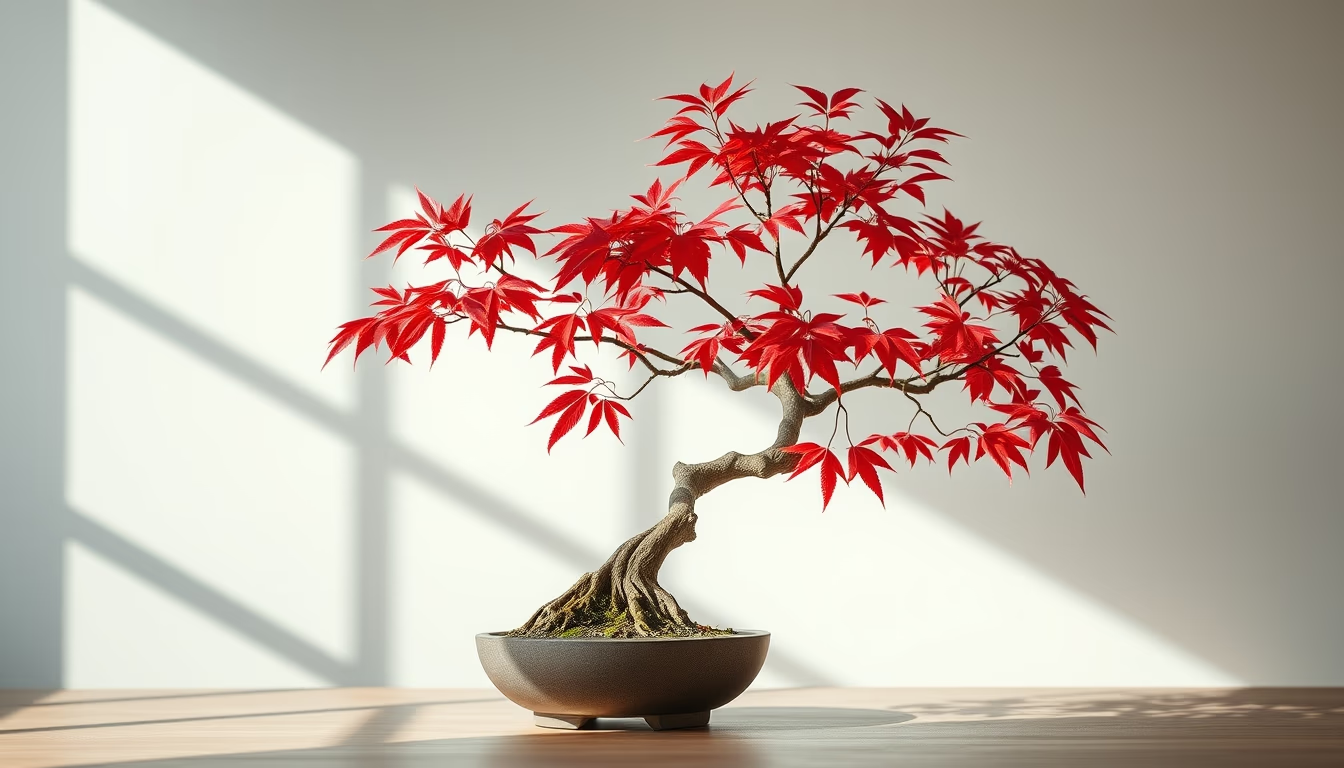
Japanese maple bonsai in autumn: intense red leaves in miniature, an ancient cultivation art.
About this subject
The Japanese maple (Acer palmatum) is one of the most prized species for bonsai cultivation, especially in autumn when its leaves turn vibrant shades of red, orange, and yellow. This seasonal change results from reduced chlorophyll production and accumulation of anthocyanins, pigments that protect leaves from cold and sunlight. In bonsai, the effect is magnified by the reduced scale, concentrating the colors in an intimate, miniature form.
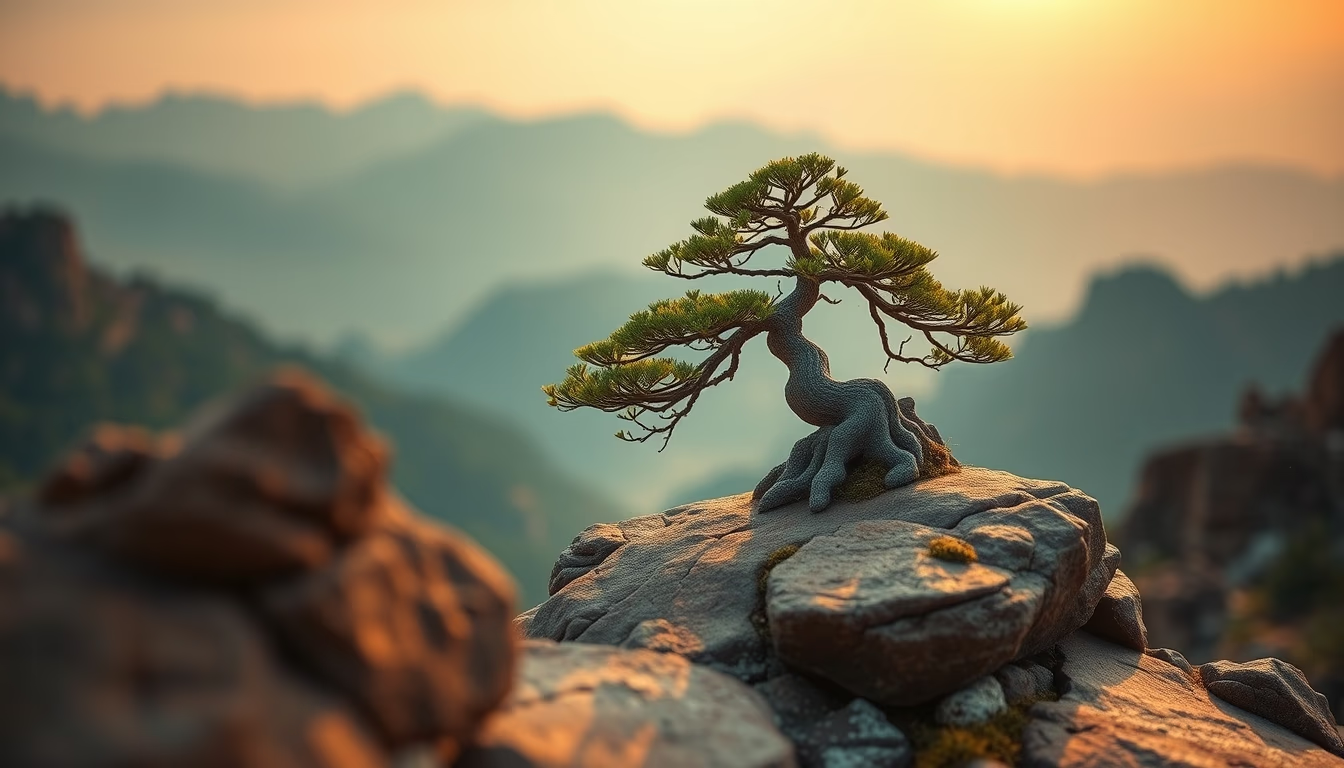
The art of bonsai originated in China over a thousand years ago as penjing and was refined in Japan from the 12th century onward. Zen Buddhist monks saw in miniature nature a means of contemplation and meditation. The red maple, in particular, symbolizes transience and ephemeral beauty, a core concept in Japanese wabi-sabi. Today, aged maple bonsai specimens are considered national treasures in Japan.
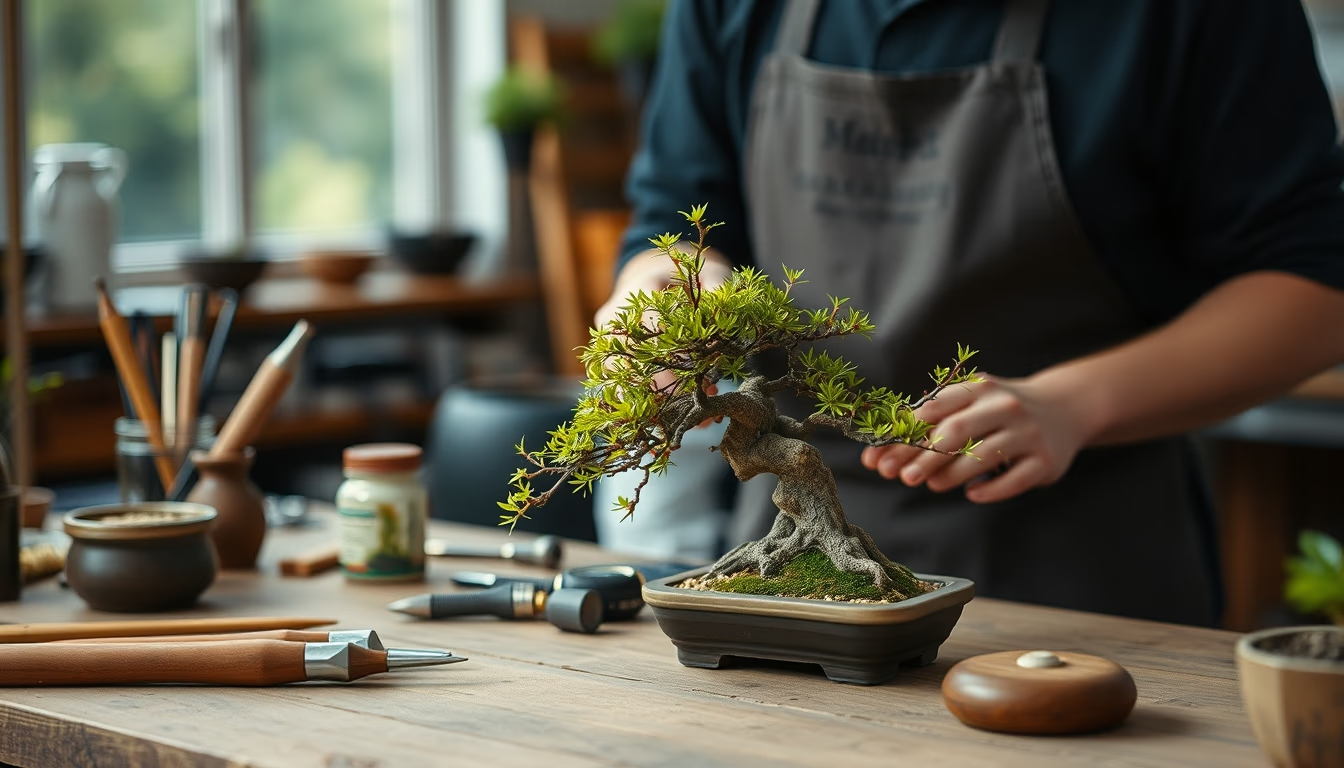
Cultivating a maple bonsai requires patience and technique. The species prefers acidic, well-drained soil with frequent watering in summer and reduced in winter. Pruning should occur in late winter before budding, and wiring requires care due to fragile branches. Morning full sun and afternoon partial shade prevent leaf burn. In autumn, the natural reduction in light and temperature triggers the color display, which lasts from two to four weeks.
Beyond aesthetics, the maple bonsai carries deep cultural meanings. In Japan, admiring autumn red leaves (momijigari) is a tradition comparable to cherry blossom viewing (hanami). Every year, enthusiasts travel to temples and historic gardens to behold these microcosms. The bark's patina, the branches' curves, and the translucent canopy tell a story of decades of care and dedication.
Frequently Asked Questions
When is the best time to prune a maple bonsai?
Major pruning should be done in late winter before budding. Light maintenance pruning can be done in spring and summer, but avoid pruning in autumn to prevent new growth before dormancy.
Why do maple bonsai leaves turn red in autumn?
The color change occurs because the plant reduces chlorophyll production and produces anthocyanins, red pigments that protect leaves from sunlight and aid in nutrient absorption before leaf drop.
Does a maple bonsai need cold to survive?
Yes, maples are temperate species and require a cold dormancy period in winter. They should be kept outdoors in areas with temperatures below 10°C for a few weeks but protected from severe frost.
Direct URL
https://pub-c7d6a6ea828543ac903a74a341ccb2e1.r2.dev/imagens/bonsai-maple-autumn-red-minimalist-composition-fresh15.avifHow to credit
Include a visible link back to UtilizAí. Copy one of the snippets below:
<a href="https://xn--utiliza-eza.com/en/midia/imagens/bonsai-maple-autumn-red-minimalist-composition-fresh15">Bonsai maple autumn red</a> by <a href="https://xn--utiliza-eza.com">UtilizAí</a>, licensed under <a href="https://creativecommons.org/licenses/by/4.0/">CC BY 4.0</a>.
[Bonsai maple autumn red](https://xn--utiliza-eza.com/en/midia/imagens/bonsai-maple-autumn-red-minimalist-composition-fresh15) by [UtilizAí](https://xn--utiliza-eza.com), CC BY 4.0
License: CC-BY-4.0