Bonsai maple autumn red
1344×768 · AVIF · CC BY 4.0
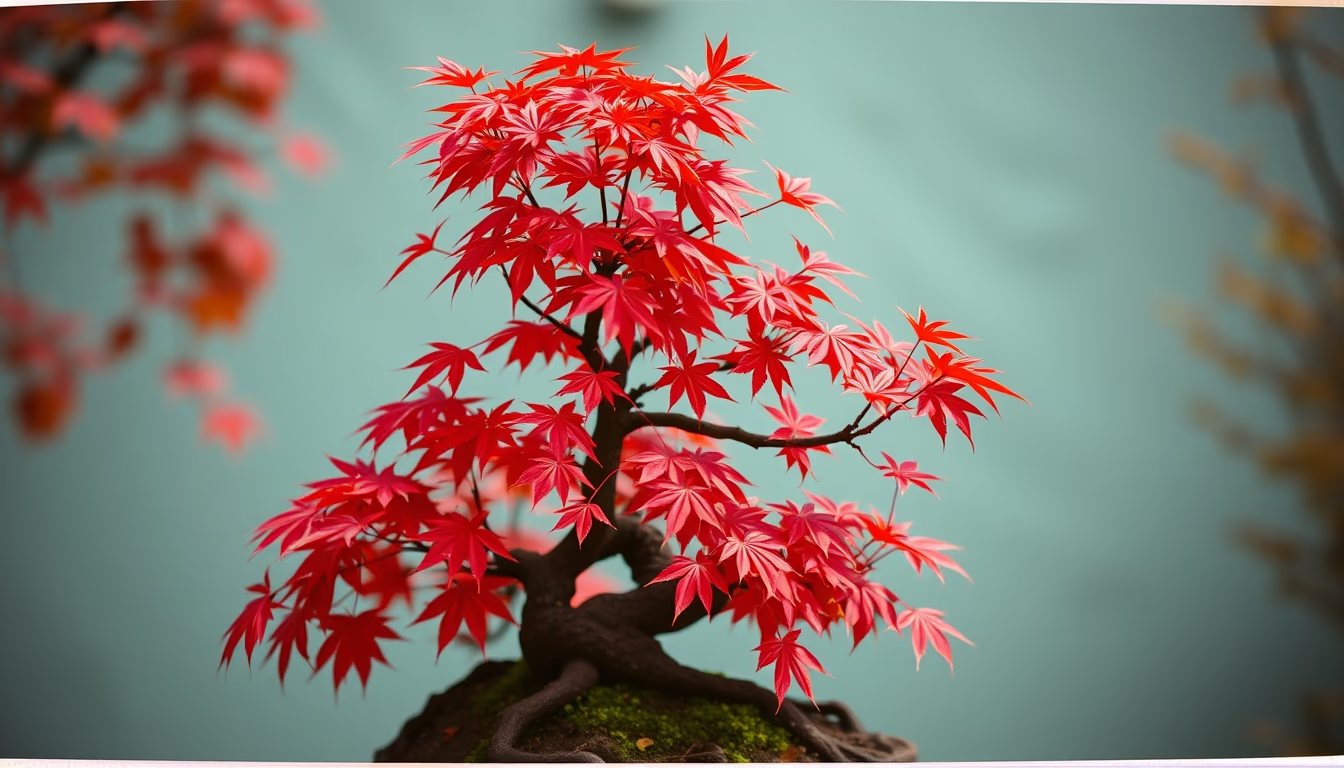
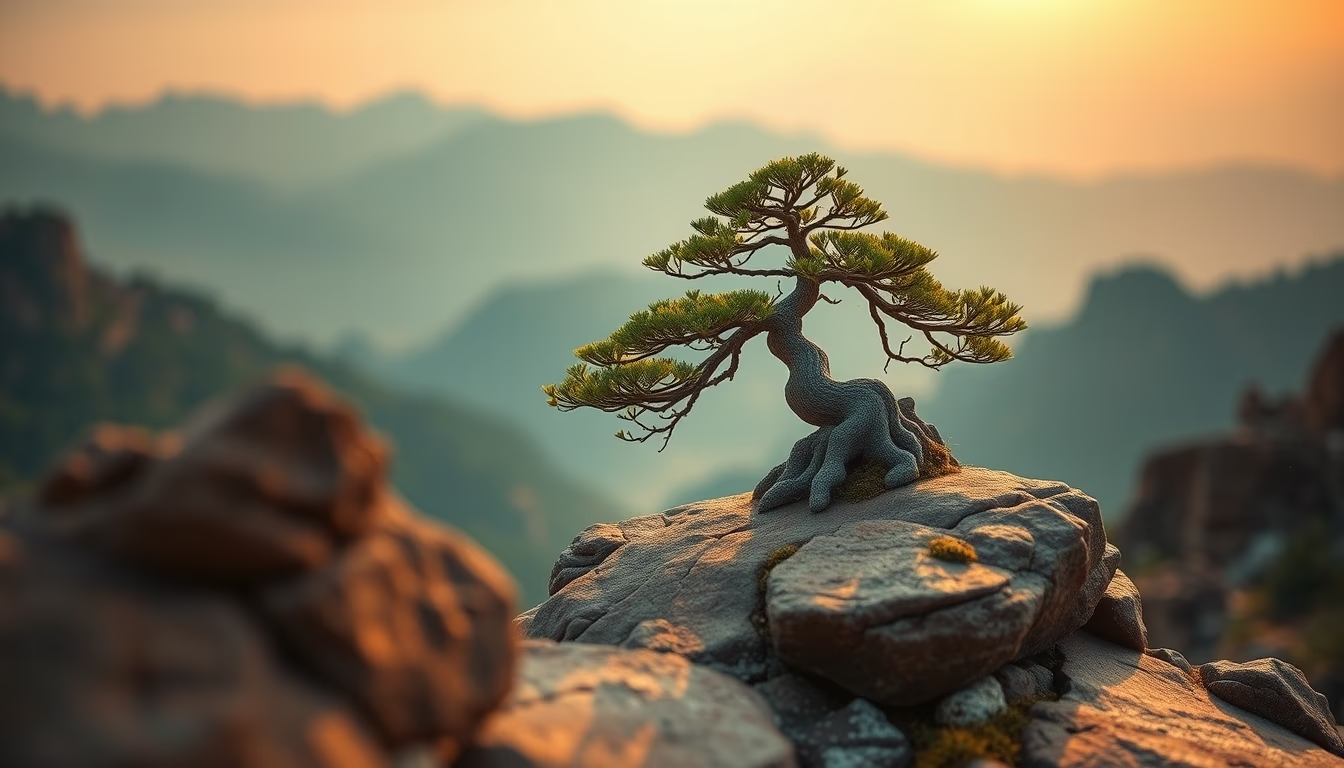
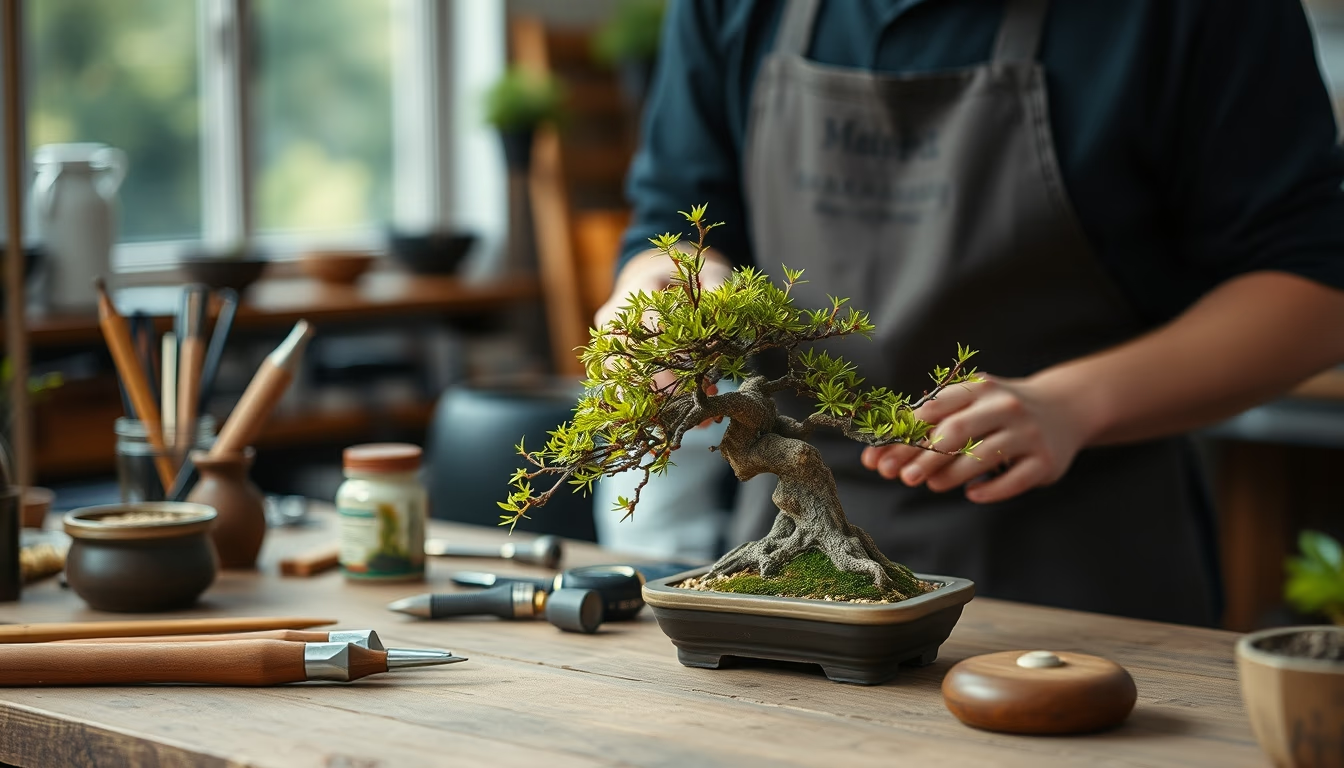
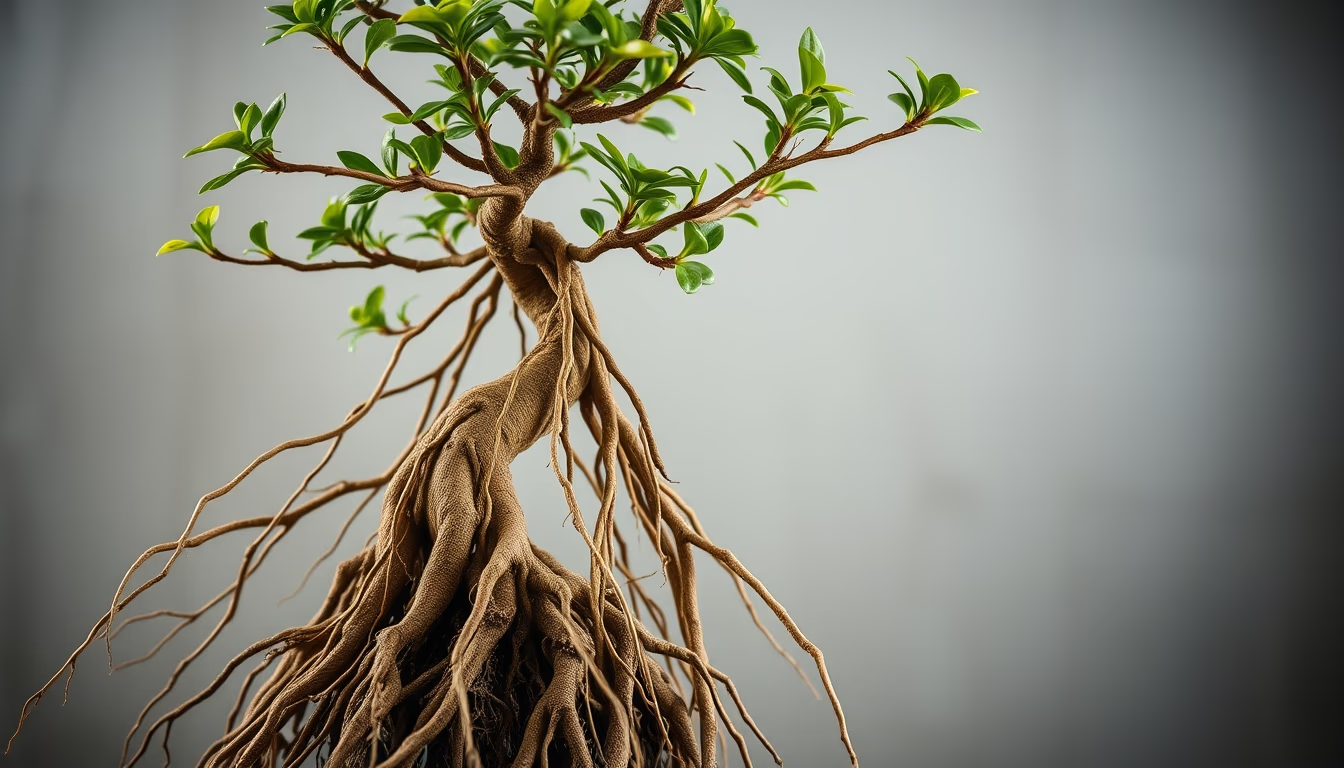
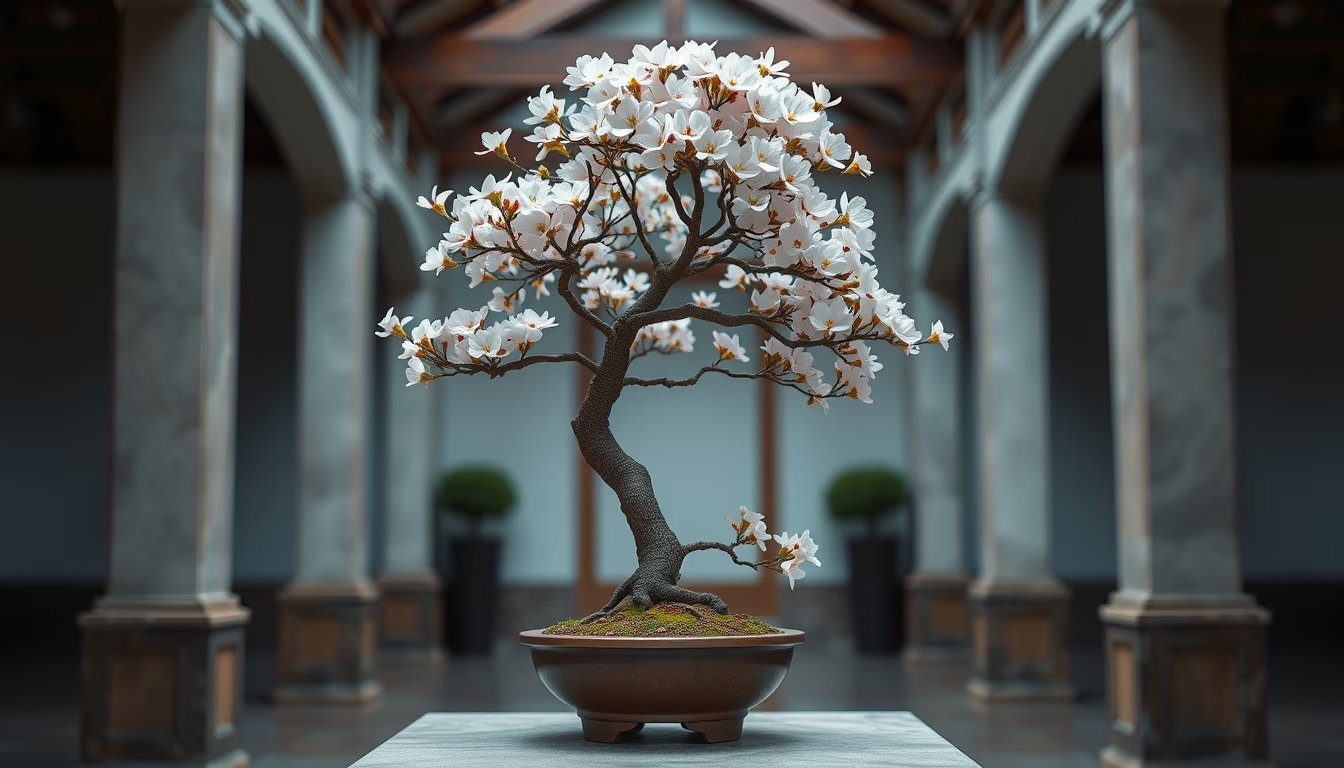
A maple bonsai displays red autumn leaves, a centuries-old Japanese practice symbolizing harmony between nature and art.
About this subject
The maple bonsai (Acer palmatum) is one of the most cherished species in miniature tree cultivation. During autumn, its leaves turn vibrant shades of red, orange, and yellow, resulting from chlorophyll degradation and the production of anthocyanins, pigments that protect leaves from intense light before falling. This seasonal spectacle is especially valued in Japan, where bonsai practice is rooted in the aesthetic concept of wabi-sabi, which finds beauty in imperfection and transience.
Cultivating a maple bonsai requires specific care. The species prefers well-drained, slightly acidic soil, with substrates like akadama and sand. Watering should be frequent but not waterlogged. Training pruning is done in winter, while pinching new shoots occurs in spring to maintain the desired shape. Exposure to full morning sun and partial afternoon shade is ideal to prevent leaf scorch, especially in warm climates.
The history of the maple bonsai dates back to the Heian period (794, 1185) in Japan, when the technique of growing trees in pots was influenced by the Chinese art of penjing. The maple, known as momiji in Japanese, is associated with the autumn season and frequently depicted in paintings and poems. In the West, interest in maple bonsai grew in the 20th century, with the popularization of international exhibitions and the development of hybrid varieties such as 'Deshojo' and 'Kiyohime', which display intense coloration even in temperate climates.
Interestingly, the red leaves of the maple in autumn are not merely ornamental; they indicate the tree's health. A bonsai that loses leaves too early or shows irregular discoloration may suffer from water stress, over-fertilization, or pest attacks such as aphids and spider mites. Fertilization should be balanced, with potassium-rich fertilizers applied in late summer to intensify autumn colors. Additionally, protection from strong winds is essential, as the delicate leaves can tear easily.
Frequently Asked Questions
What is the best time to prune a maple bonsai?
Structural pruning should be done in winter when the tree is dormant. Pinching new shoots is done in spring as soon as the first leaves expand.
Why do maple bonsai leaves turn red in autumn?
The red color is due to anthocyanin production, which protects leaves from intense sunlight before falling. This process is enhanced by cool temperatures and sunny days.
How to protect a maple bonsai from excessive summer heat?
Place the bonsai in partial shade during the afternoon, water regularly, and avoid water-retentive substrates. A layer of moss on the soil surface helps retain moisture.
Direct URL
https://pub-c7d6a6ea828543ac903a74a341ccb2e1.r2.dev/imagens/bonsai-maple-autumn-red-lo-fi-disposable-camera-fresh3.avifHow to credit
Include a visible link back to UtilizAí. Copy one of the snippets below:
<a href="https://xn--utiliza-eza.com/en/midia/imagens/bonsai-maple-autumn-red-lo-fi-disposable-camera-fresh3">Bonsai maple autumn red</a> by <a href="https://xn--utiliza-eza.com">UtilizAí</a>, licensed under <a href="https://creativecommons.org/licenses/by/4.0/">CC BY 4.0</a>.
[Bonsai maple autumn red](https://xn--utiliza-eza.com/en/midia/imagens/bonsai-maple-autumn-red-lo-fi-disposable-camera-fresh3) by [UtilizAí](https://xn--utiliza-eza.com), CC BY 4.0
License: CC-BY-4.0