Bonsai maple autumn red
1344×768 · AVIF · CC BY 4.0
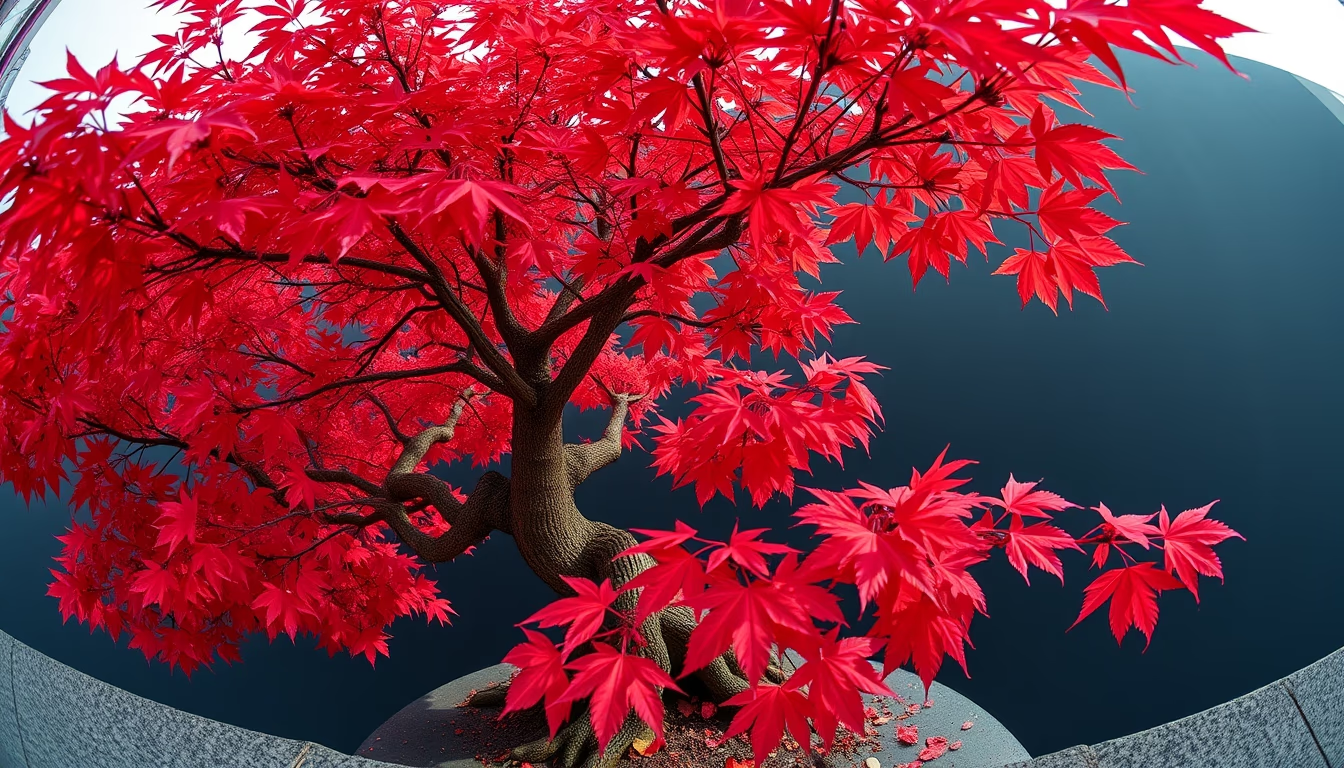
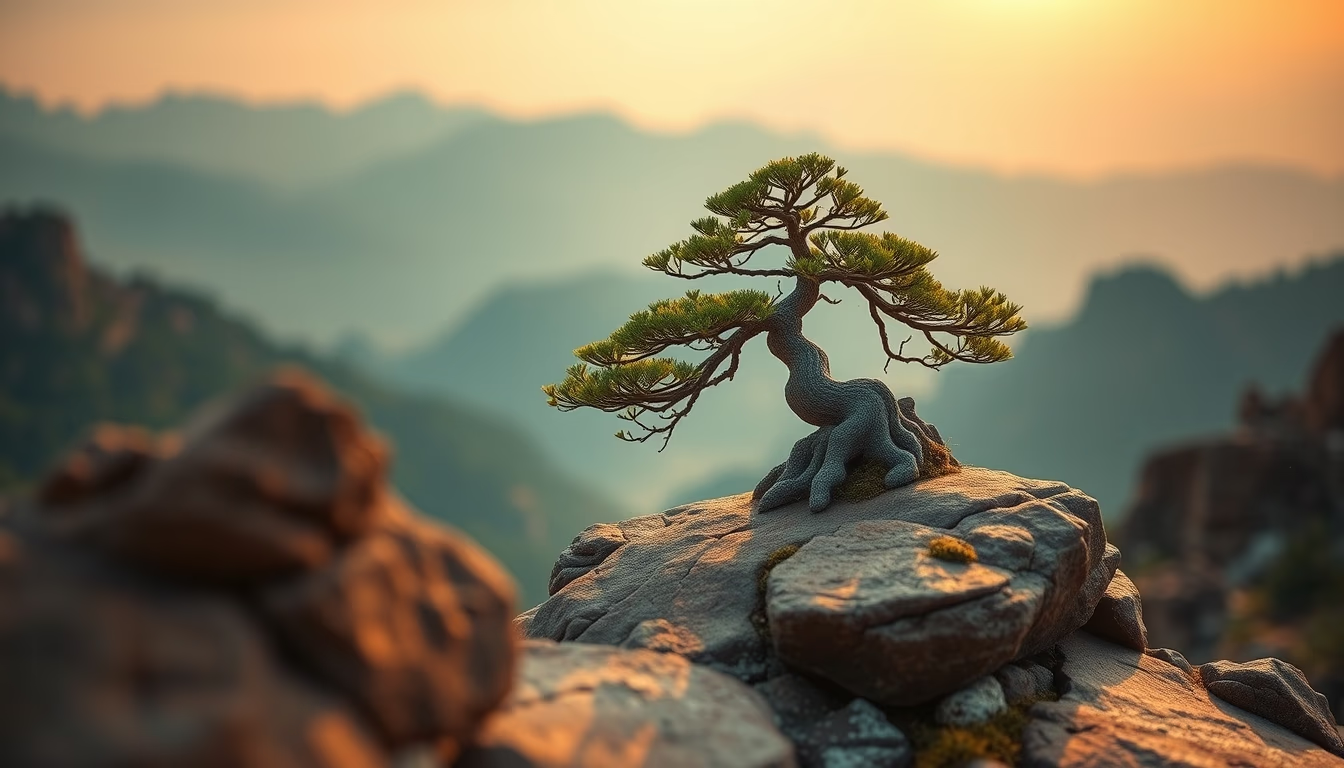
O bordo japonês (Acer palmatum) cultivado como bonsai exibe folhas vermelhas no outono, um espetáculo sazonal que atrai admiradores pela intensidade das cores e pela tradição milenar.
Sobre o tema
O bonsai de bordo japonês, conhecido cientificamente como Acer palmatum, é uma das espécies mais apreciadas na arte do bonsai, especialmente durante o outono, quando suas folhas assumem tons vibrantes de vermelho, laranja e amarelo. Essa transformação ocorre devido à degradação da clorofila e ao acúmulo de antocianinas, pigmentos que protegem as folhas da luz excessiva e ajudam na reabsorção de nutrientes antes da queda. A espécie é nativa do Japão, Coreia e China, e foi introduzida no Ocidente no século XIX, tornando-se símbolo de paciência e equilíbrio na cultura oriental.
Para cultivar um bonsai de bordo com cores outonais intensas, é necessário oferecer condições específicas. A planta precisa de luz solar direta pela manhã e sombra parcial à tarde, além de um substrato bem drenado e levemente ácido. A rega deve ser frequente no verão, mas reduzida no outono para estimular a mudança de cor. A adubação rica em potássio no final do verão também favorece a pigmentação vermelha. Durante o inverno, o bordo entra em dormência e perde todas as folhas, sendo essencial protegê-lo de geadas severas.
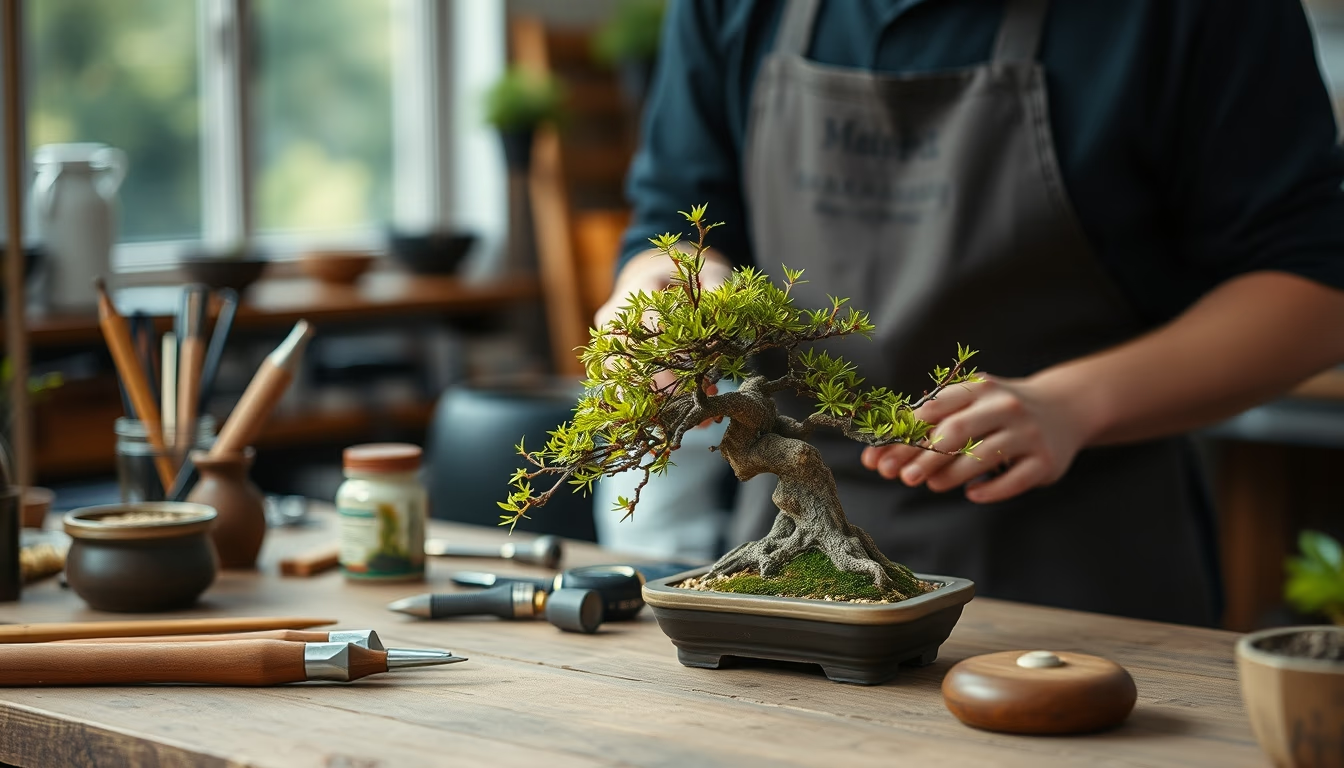
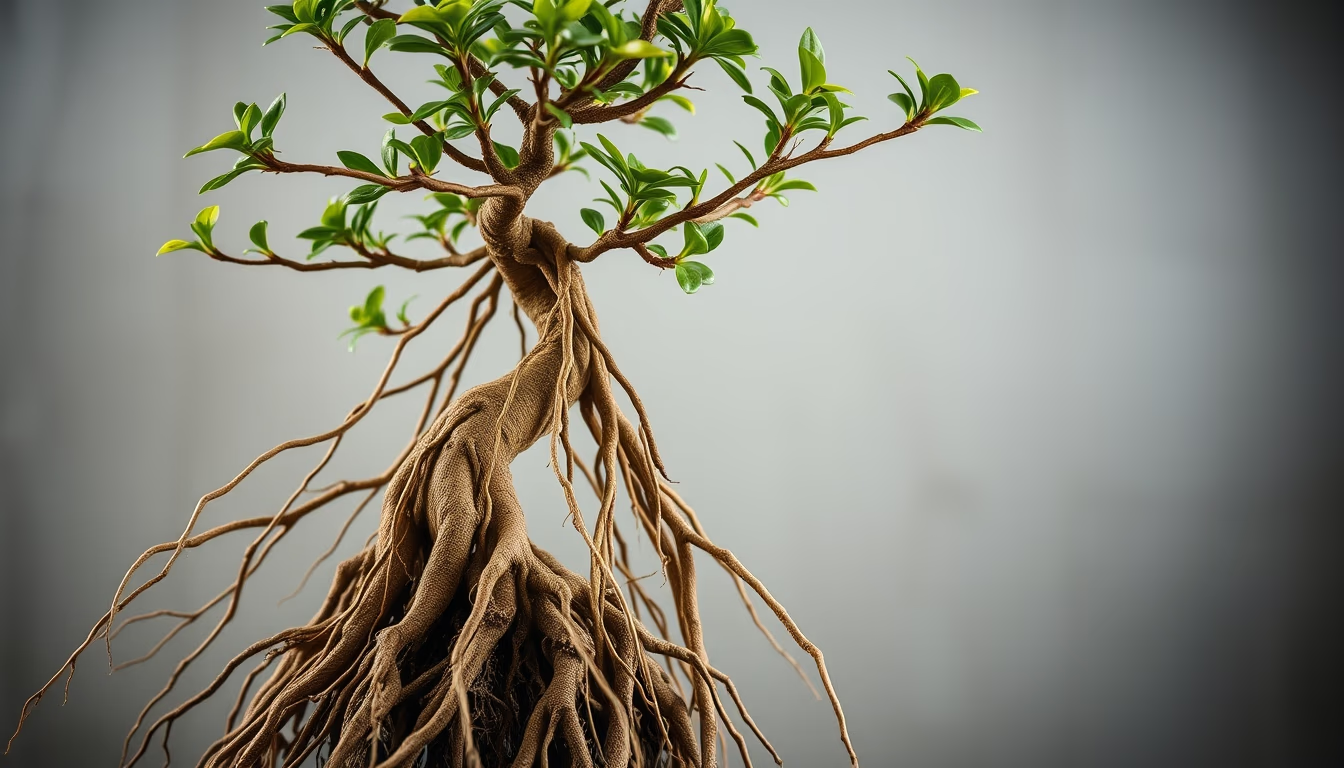
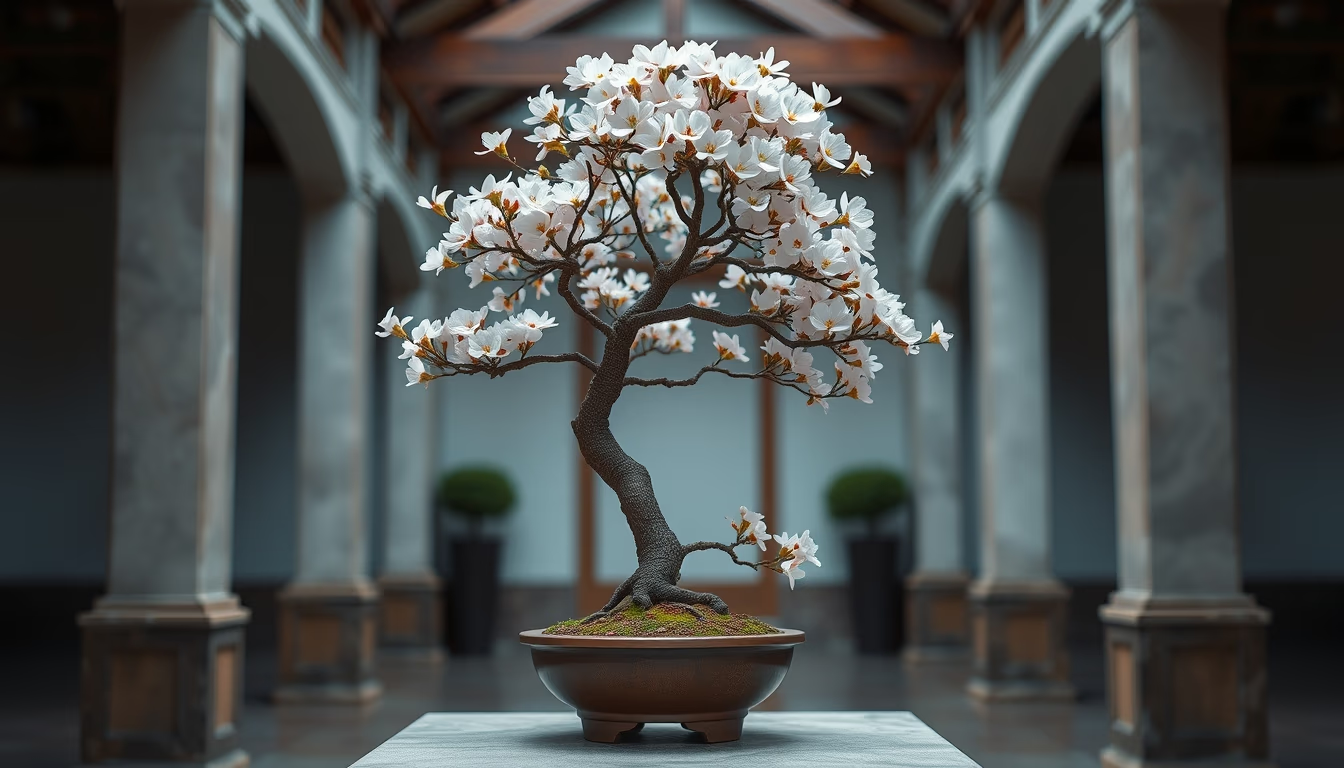
A poda e a aramação são técnicas fundamentais para modelar a copa e realçar o tronco sinuoso. Os exemplares mais valorizados apresentam nebari (raízes expostas) bem desenvolvido e ramificação fina. Em exposições de bonsai, os bordos vermelhos são destaques no outono, competindo em beleza com pinheiros e juníperos. No Japão, a contemplação das folhas de outono (momijigari) é uma prática cultural que remonta ao período Heian.
Curiosamente, a coloração vermelha depende não apenas da genética, mas também do estresse hídrico controlado. Exposição a temperaturas mais baixas e dias mais curtos desencadeia a produção de antocianinas. Variedades como 'Deshojo', 'Seigen' e 'Firepower' são especialmente buscadas por suas cores intensas. Um bonsai de bordo bem cuidado pode viver por décadas, tornando-se uma herança familiar.
Perguntas frequentes
Por que as folhas do bonsai de bordo ficam vermelhas no outono?
As folhas ficam vermelhas devido à degradação da clorofila e ao acúmulo de antocianinas, pigmentos que protegem as folhas da luz e ajudam na reabsorção de nutrientes antes da queda. Esse processo é influenciado por temperaturas mais baixas e dias mais curtos.
Quais cuidados são essenciais para um bonsai de bordo japonês no outono?
No outono, reduza a rega progressivamente e aplique um fertilizante rico em potássio no final do verão. Proteja a planta de ventos fortes e geadas, e exponha-a a luz solar direta pela manhã para intensificar as cores.
Qual a diferença entre bordo japonês e outras espécies de bordo para bonsai?
O bordo japonês (Acer palmatum) possui folhas menores e mais delicadas, com coloração outonal vibrante. Espécies como o bordo americano (Acer rubrum) têm folhas maiores e cores menos intensas, sendo menos adequadas para o cultivo em miniatura.
URL direta
https://pub-c7d6a6ea828543ac903a74a341ccb2e1.r2.dev/imagens/bonsai-maple-autumn-red-fish-eye-wide-angle-fresh7.avifComo creditar
Inclua um link visível de volta pro UtilizAí. Copie um dos snippets abaixo:
<a href="https://xn--utiliza-eza.com/midia/imagens/bonsai-maple-autumn-red-fish-eye-wide-angle-fresh7">Bonsai maple autumn red</a> by <a href="https://xn--utiliza-eza.com">UtilizAí</a>, licensed under <a href="https://creativecommons.org/licenses/by/4.0/">CC BY 4.0</a>.
[Bonsai maple autumn red](https://xn--utiliza-eza.com/midia/imagens/bonsai-maple-autumn-red-fish-eye-wide-angle-fresh7) by [UtilizAí](https://xn--utiliza-eza.com), CC BY 4.0
Licença: CC-BY-4.0