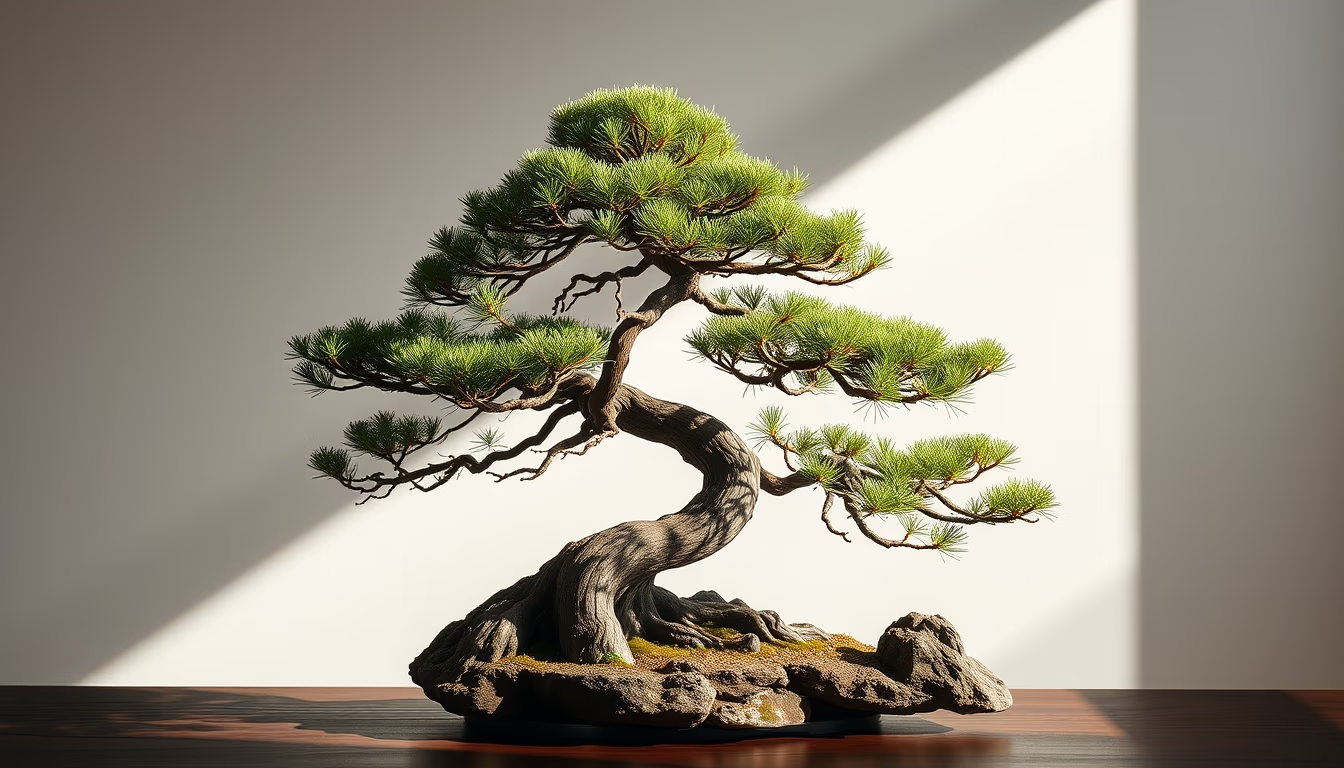
Bonsai juniper sculptural
1344×768 · AVIF · CC BY 4.0
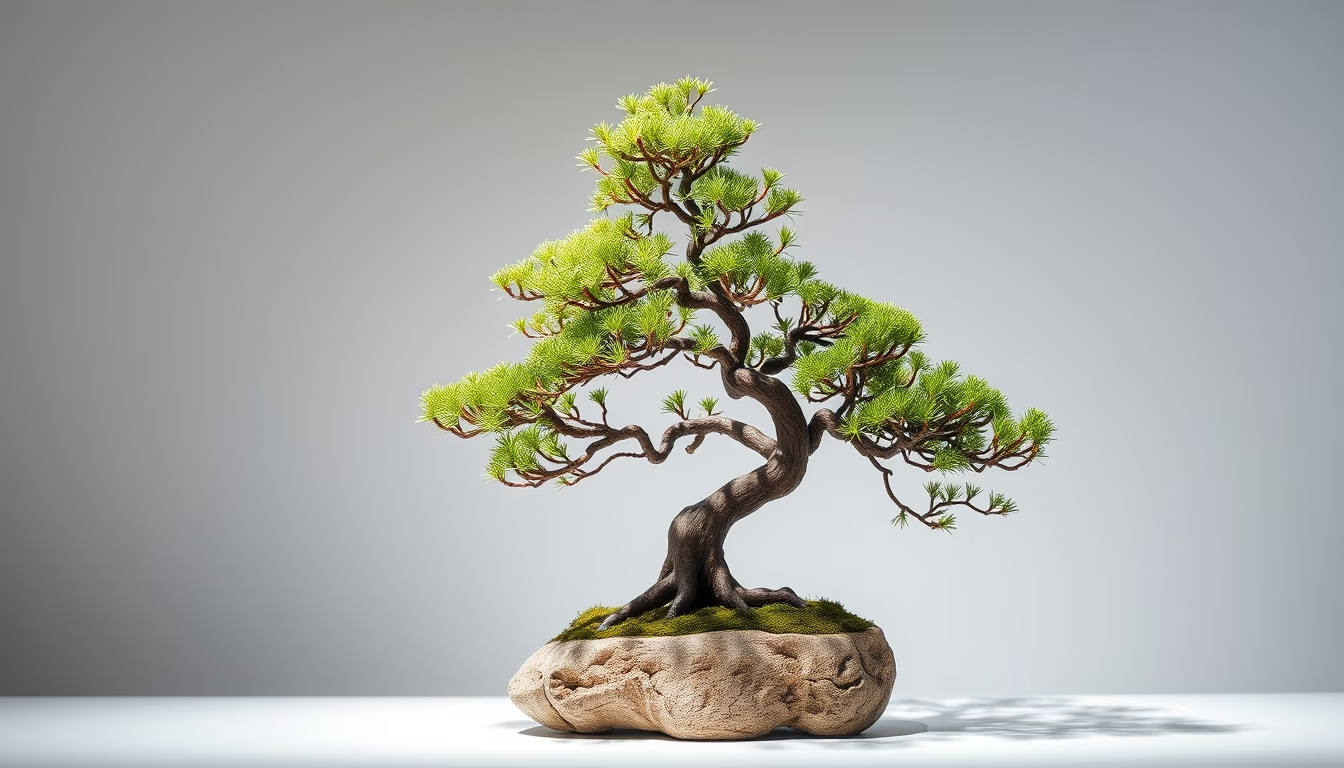
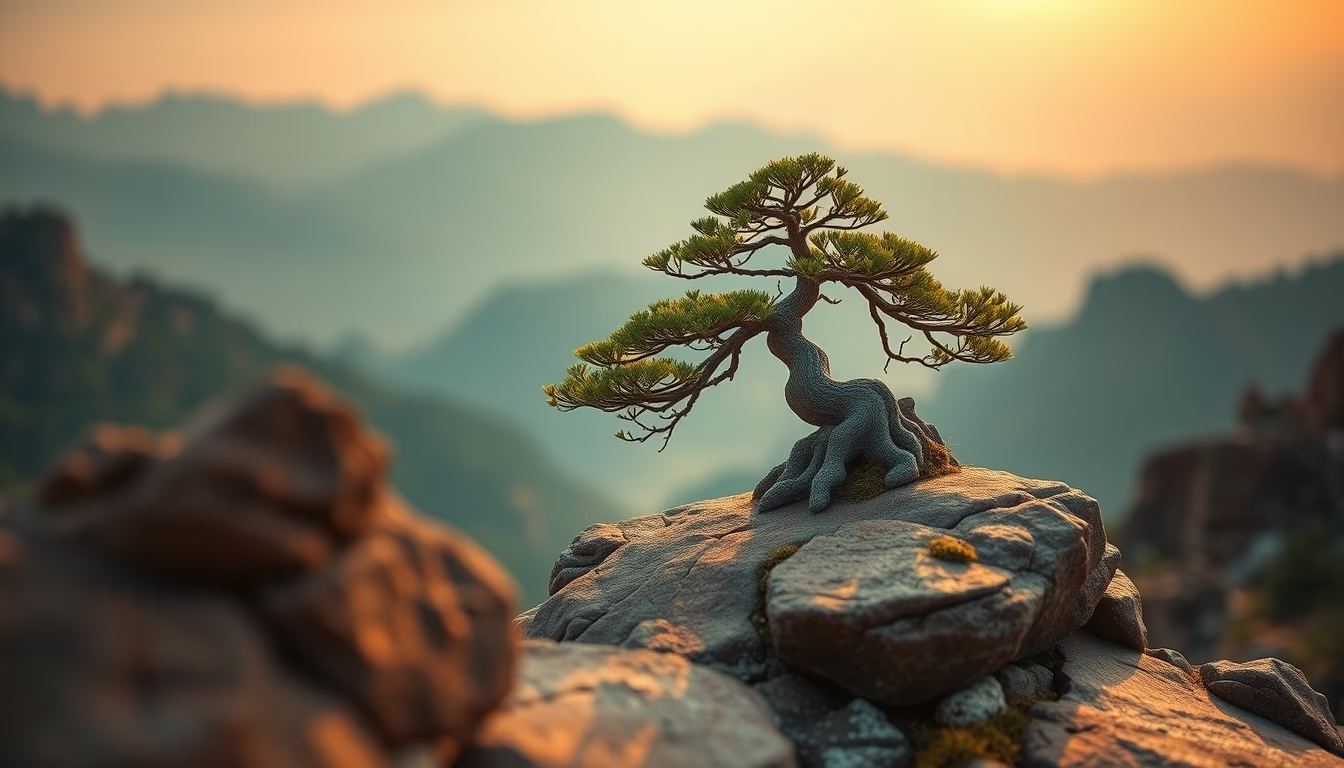
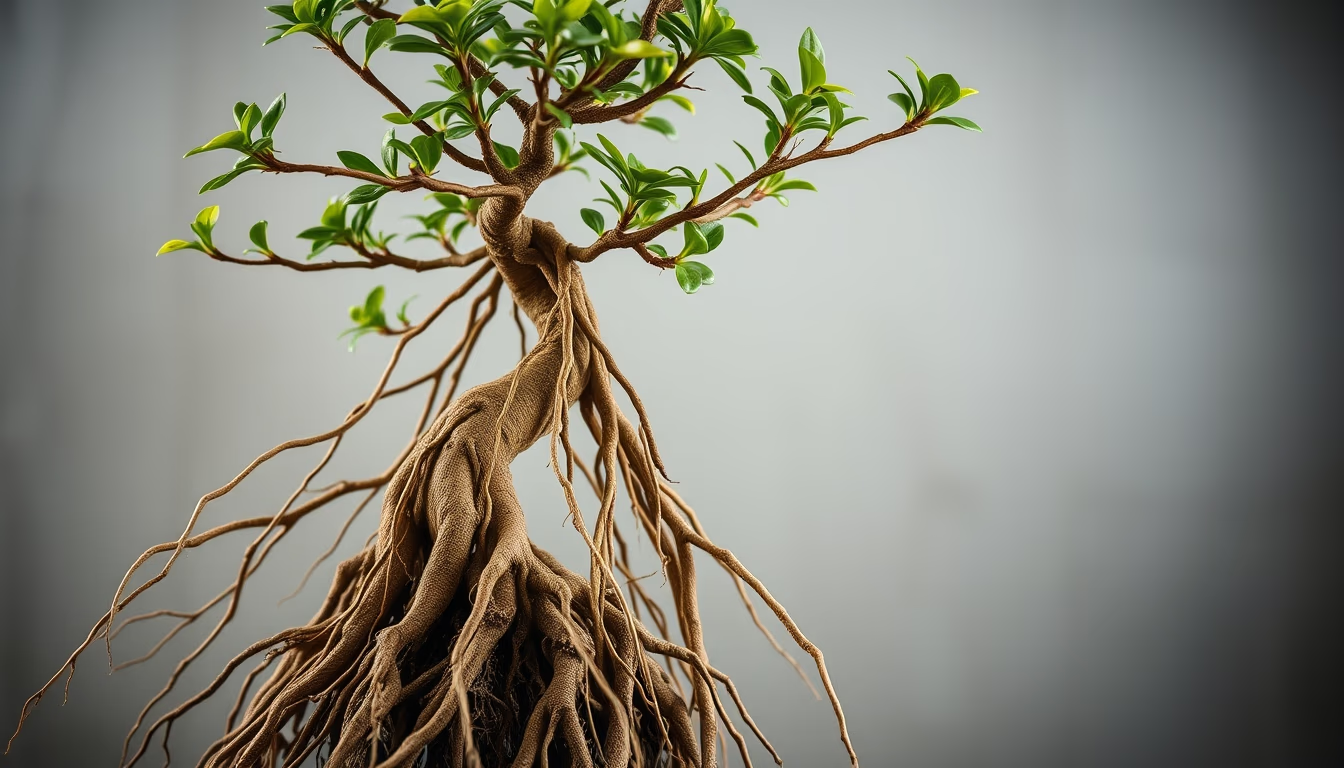
The juniper bonsai is one of the most cultivated species in the ancient art of bonsai, known for its resilience and sculptural forms.
About this subject
The juniper, belonging to the genus Juniperus, is a conifer widely used in bonsai practice due to its adaptability and ability to create dramatic shapes. Native to temperate regions of the Northern Hemisphere, such as Asia, Europe, and North America, the juniper is valued for its rugged bark, scale-like or needle leaves, and trunks that can be trained to look ancient. In Japan, the Chinese juniper (Juniperus chinensis) is traditionally employed in styles like literati (bunjin) and cascade, representing resilience and longevity.
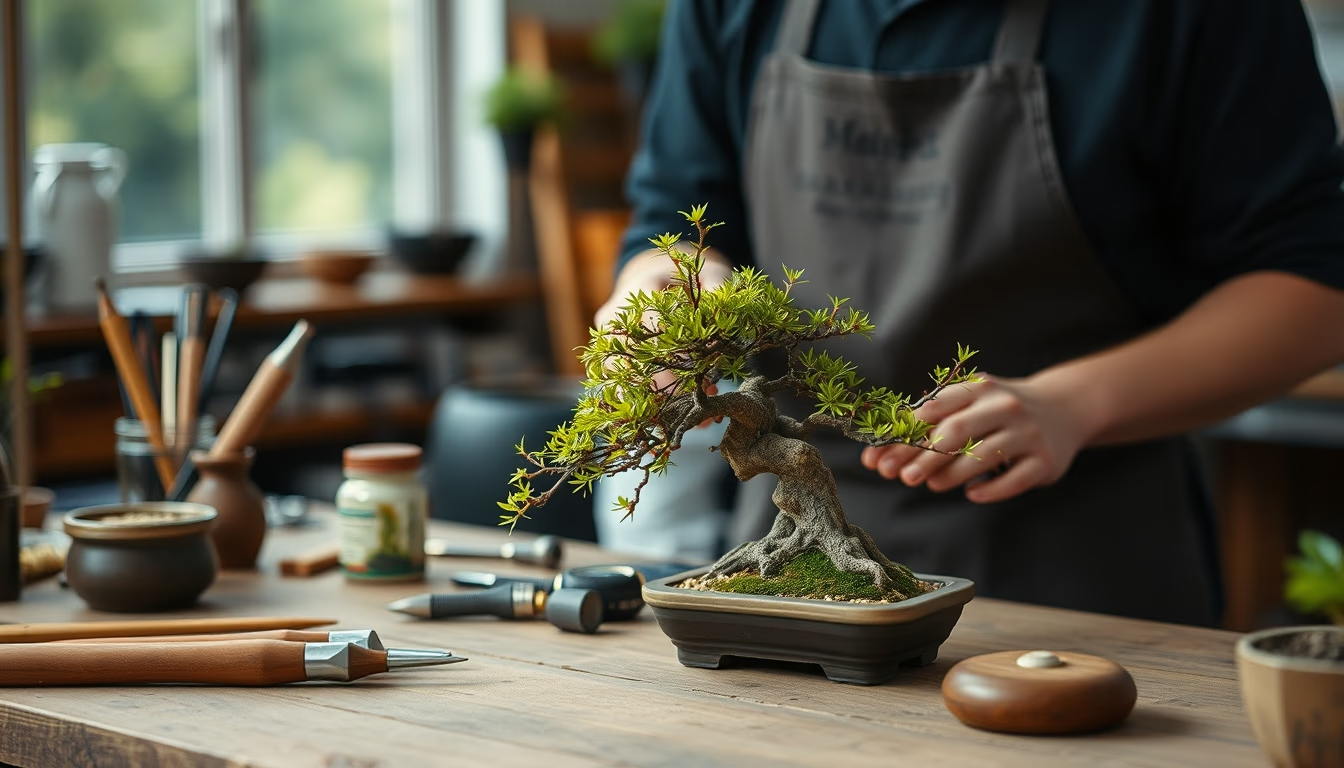
The wiring technique allows guiding branches and trunks, creating sinuous curves and forms that evoke ancient miniature trees. Juniper requires specific care: well-drained soil, full sun exposure, and regular pruning to maintain shape. Deadwood (jin and shari) is often carved to simulate natural aging, an aesthetic aspect highly appreciated in bonsai exhibitions.
Interestingly, juniper is not an indoor tree: it needs cold seasons to enter dormancy. In tropical climates, such as Brazil, cultivation is possible with adaptations but requires attention to humidity and ventilation. The most common species in the West is Juniperus procumbens 'Nana', known as dwarf juniper, ideal for beginners. The art of juniper bonsai symbolizes harmony between nature and human intervention, being one of the pillars of Eastern culture spread globally.
Frequently Asked Questions
What is the best time to prune a juniper bonsai?
Prune in spring and autumn, avoiding the intense growth period of summer. Remove dead or poorly positioned branches to maintain the design.
Does juniper need direct sunlight?
Yes, it needs at least 4 to 6 hours of full sun daily. Indoors, it will not survive long-term.
How to prevent juniper from losing its shape?
Perform wiring every 6-12 months and maintenance pruning. Check that wires do not scar the bark and remove them before they tighten too much.
Direct URL
https://pub-c7d6a6ea828543ac903a74a341ccb2e1.r2.dev/imagens/bonsai-juniper-sculptural-studio-still-life-fresh6.avifHow to credit
Include a visible link back to UtilizAí. Copy one of the snippets below:
<a href="https://xn--utiliza-eza.com/en/midia/imagens/bonsai-juniper-sculptural-studio-still-life-fresh6">Bonsai juniper sculptural</a> by <a href="https://xn--utiliza-eza.com">UtilizAí</a>, licensed under <a href="https://creativecommons.org/licenses/by/4.0/">CC BY 4.0</a>.
[Bonsai juniper sculptural](https://xn--utiliza-eza.com/en/midia/imagens/bonsai-juniper-sculptural-studio-still-life-fresh6) by [UtilizAí](https://xn--utiliza-eza.com), CC BY 4.0
License: CC-BY-4.0