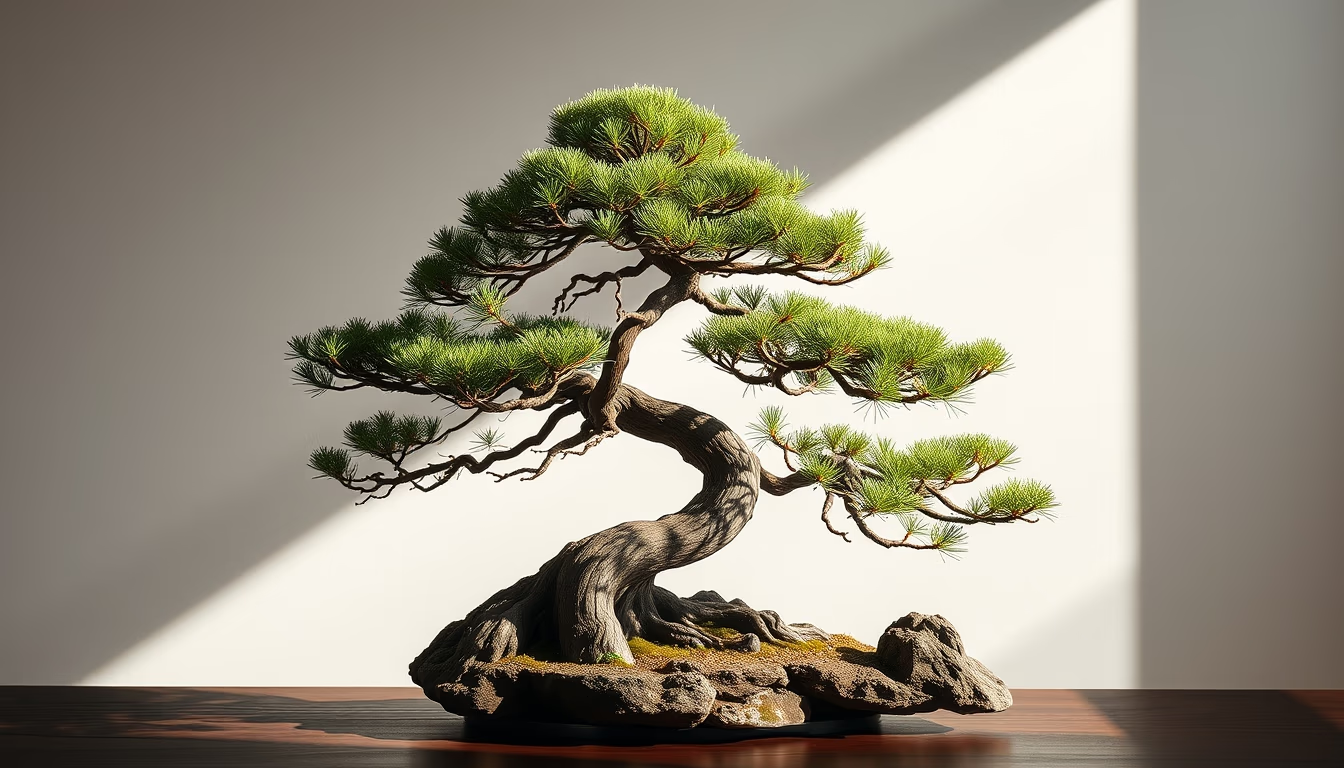
Bonsai juniper sculptural
1344×768 · AVIF · CC BY 4.0
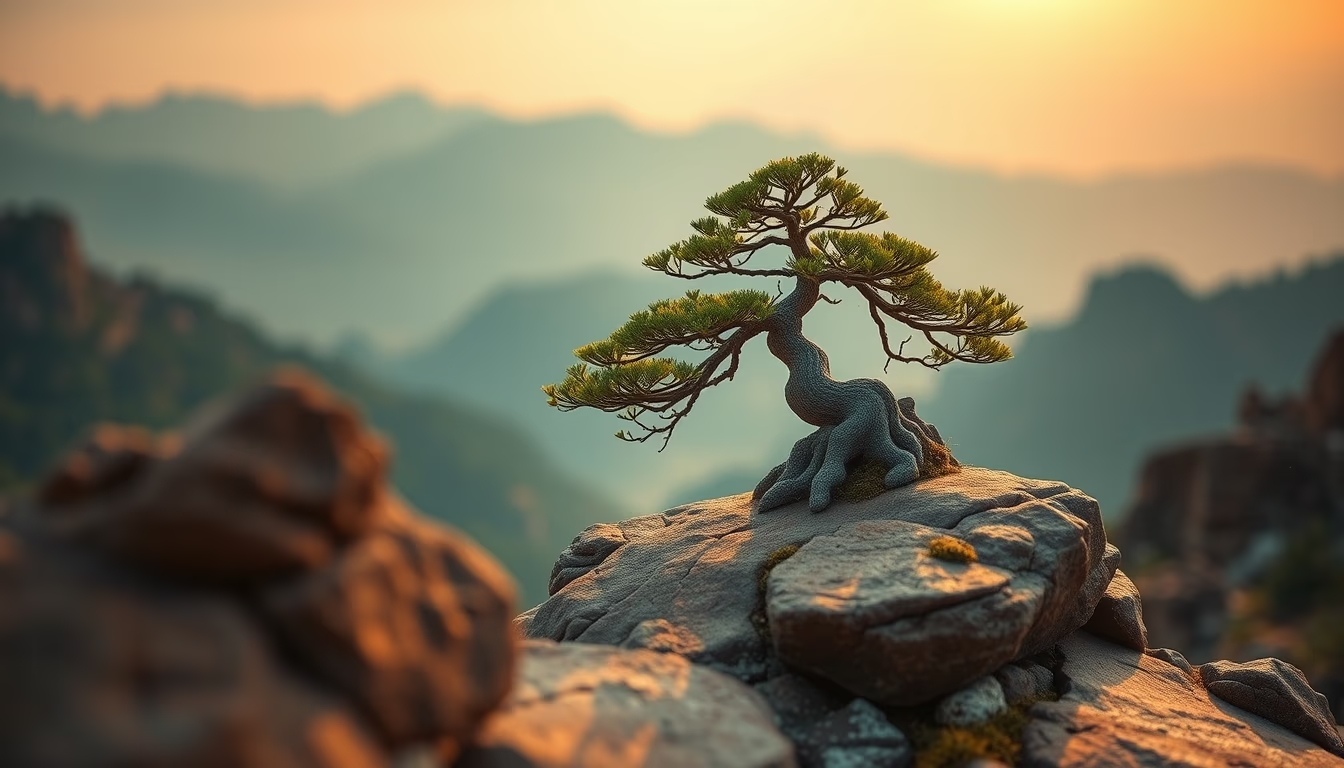
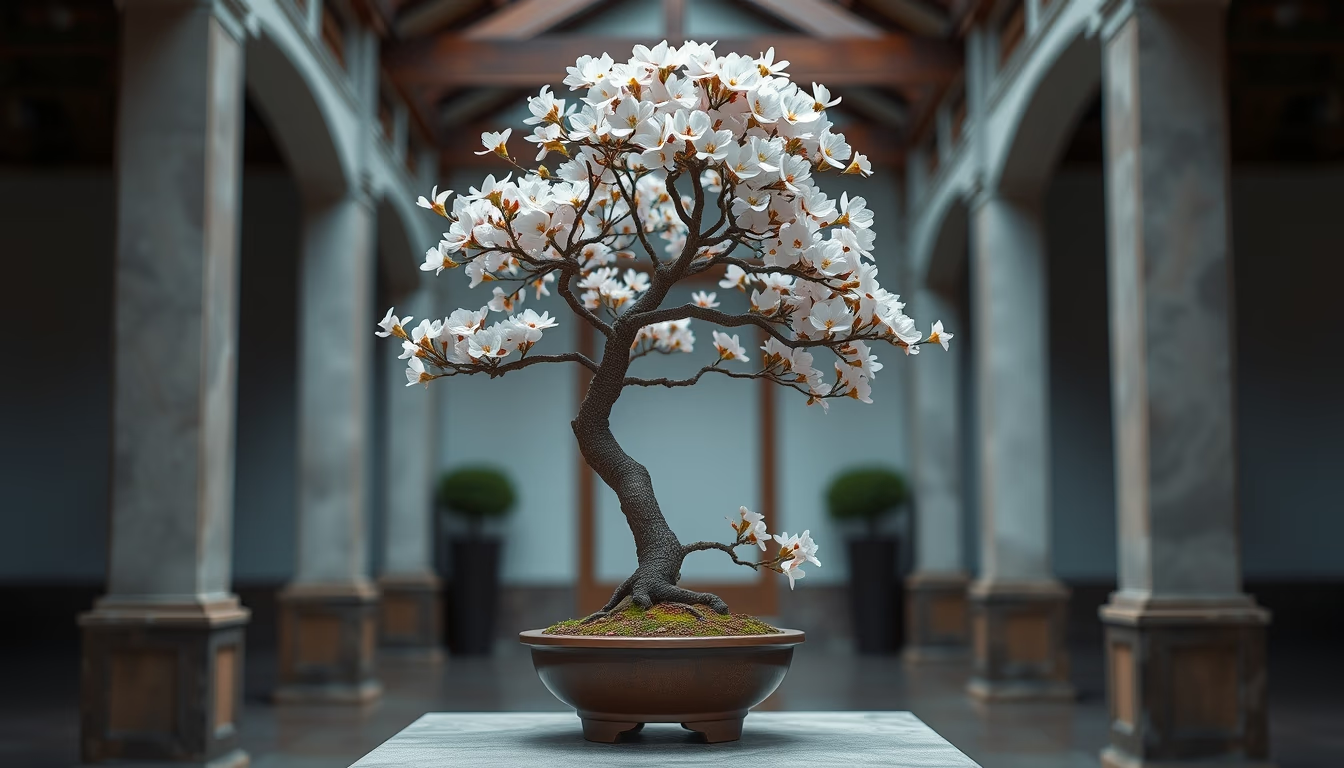
Sculptural juniper bonsai shaped by ancient techniques, blending art and nature into a living piece that evokes mountainous landscapes.
About this subject
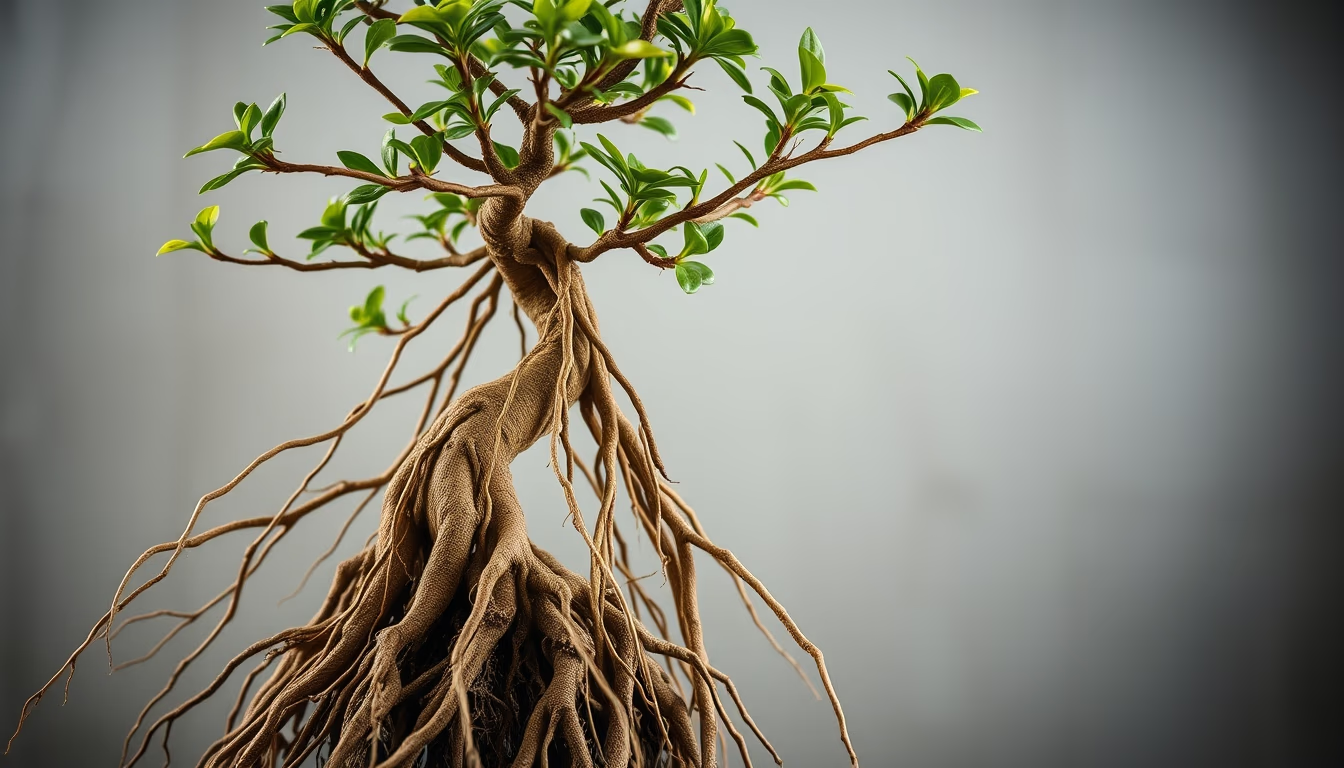
Juniper is one of the most traditional species for bonsai cultivation, valued for its rough bark, dense branching, and scale-like foliage. Native to temperate regions of the Northern Hemisphere, including Japan, China, and North America, its hardy nature allows for bold shaping, such as twisted trunks and angled branches that mimic centuries-old trees exposed to wind.
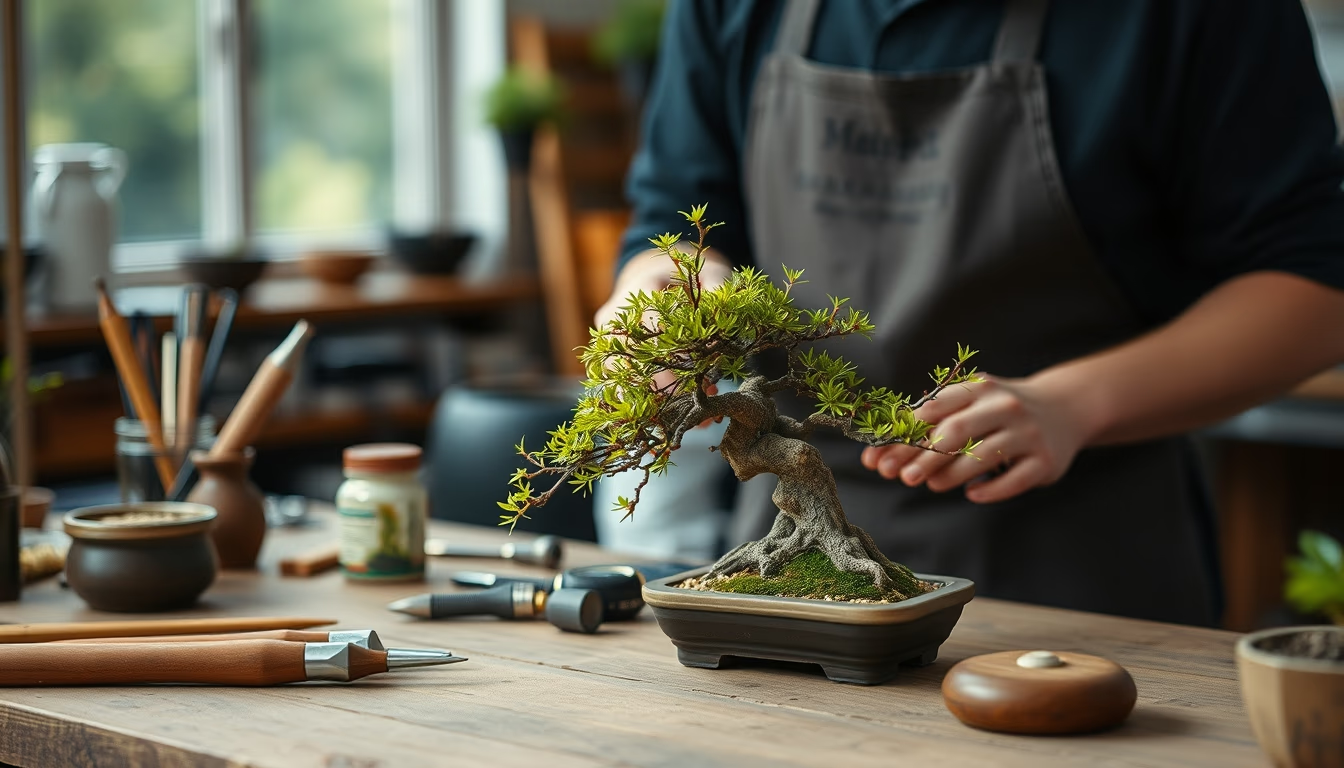
The wiring technique, essential for defining the structure of a juniper bonsai, requires patience and precision. Branches are wrapped with aluminum or copper wire and gradually positioned over months or years. Constant pruning maintains the desired shape, while pinching new growth encourages compactness. The result is a miniature tree that resembles a wild specimen shrunk by nature.
In Japan, juniper (known as "shimpaku") is associated with longevity and strength, often featured in bonsai exhibitions and Zen gardens. Some specimens are over 100 years old and passed down through generations. Its popularity in the West grew after World War II with the spread of Japanese culture. Today, it is a top choice for beginners due to its resilience to pruning and varying climates.
Fun fact: there are over 50 species of juniper used in bonsai. Bark texture and foliage color vary by species, allowing different styles, from formal upright (chokkan) to windswept (fukinagashi).
Frequently Asked Questions
How to care for a juniper bonsai?
Juniper needs full sun, moderate watering (let soil dry between waterings), regular pruning, and wiring to maintain shape. Protect from hard frost in winter.
What is the difference between juniper and pine in bonsai?
Juniper has scale-like or short needle leaves, while pine has longer needles in clusters. Juniper bark is more fibrous and peeling.
Can a juniper bonsai be kept indoors?
Not recommended. Juniper requires seasonal changes and direct sunlight. Indoors, it weakens and may die. It should be kept outdoors.
Direct URL
https://pub-c7d6a6ea828543ac903a74a341ccb2e1.r2.dev/imagens/bonsai-juniper-sculptural-architectural-photography-fresh3.avifHow to credit
Include a visible link back to UtilizAí. Copy one of the snippets below:
<a href="https://xn--utiliza-eza.com/en/midia/imagens/bonsai-juniper-sculptural-architectural-photography-fresh3">Bonsai juniper sculptural</a> by <a href="https://xn--utiliza-eza.com">UtilizAí</a>, licensed under <a href="https://creativecommons.org/licenses/by/4.0/">CC BY 4.0</a>.
[Bonsai juniper sculptural](https://xn--utiliza-eza.com/en/midia/imagens/bonsai-juniper-sculptural-architectural-photography-fresh3) by [UtilizAí](https://xn--utiliza-eza.com), CC BY 4.0
License: CC-BY-4.0