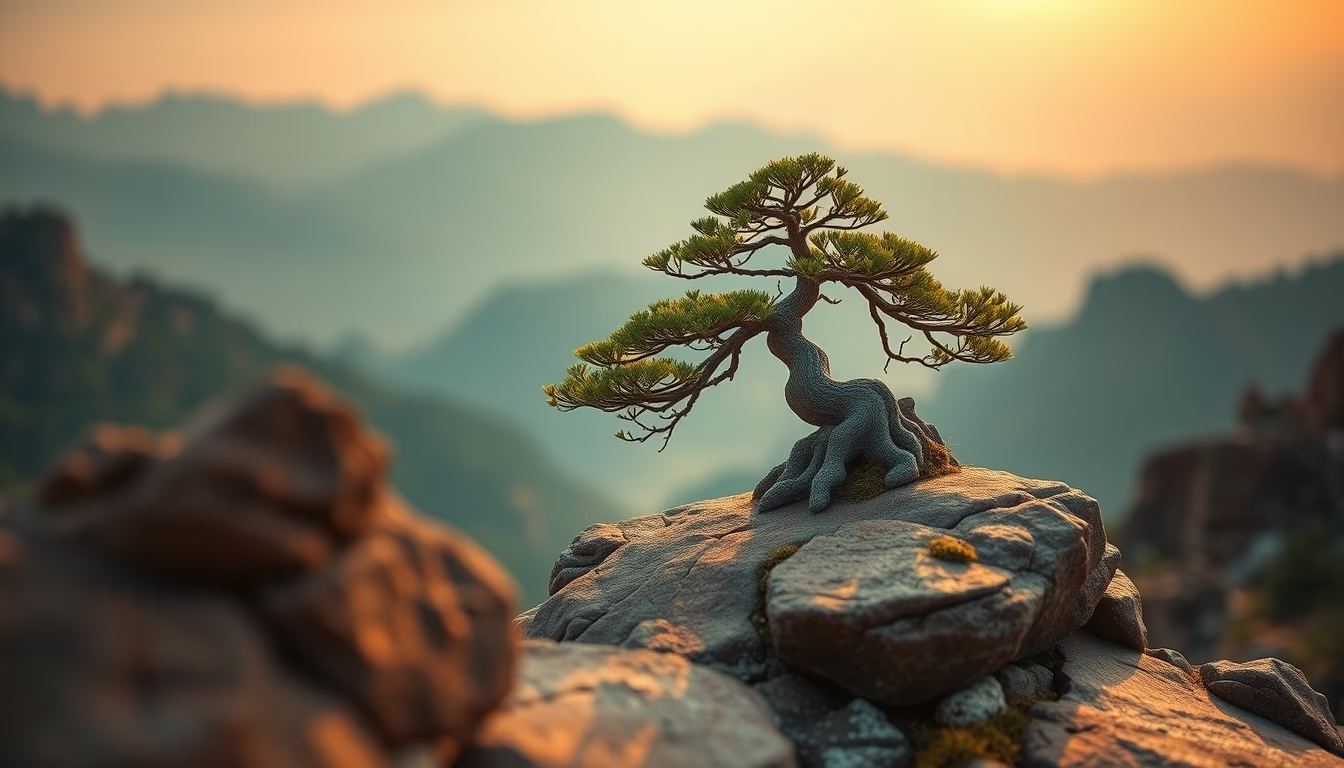
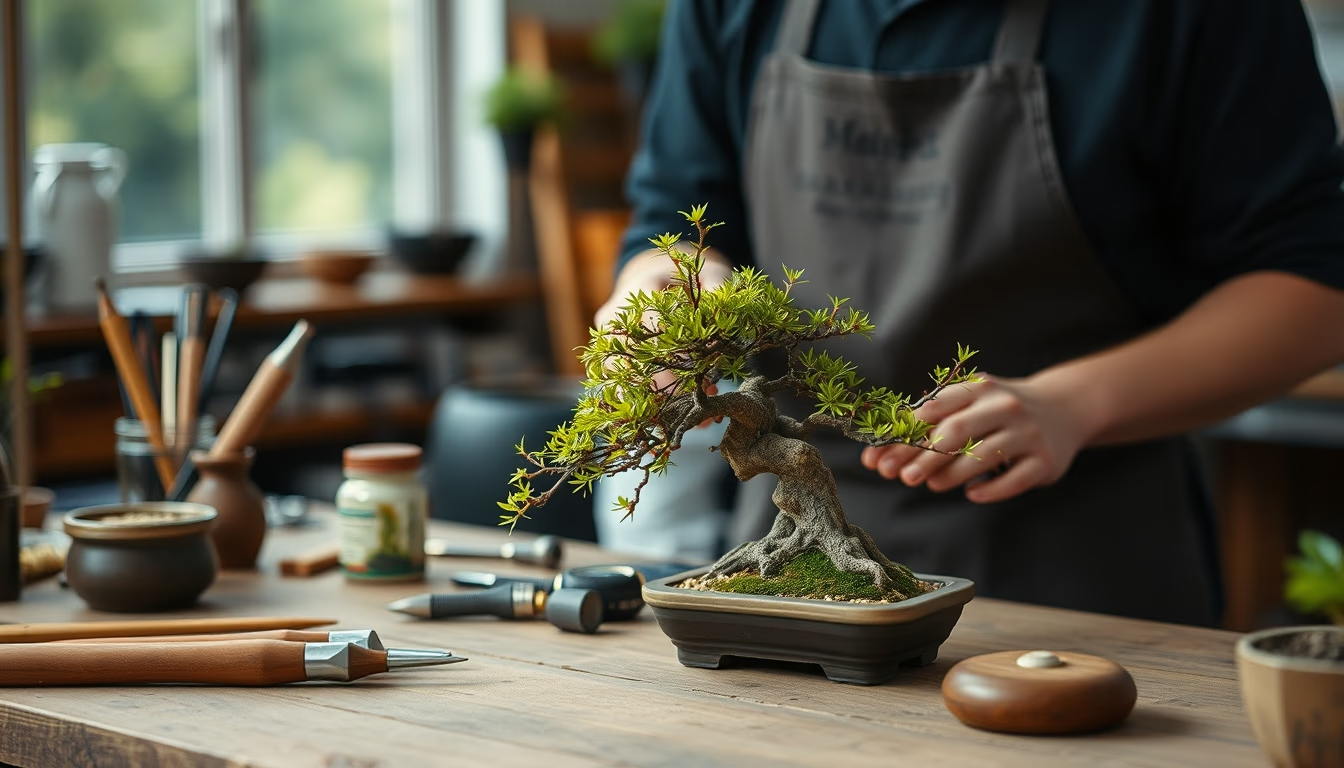
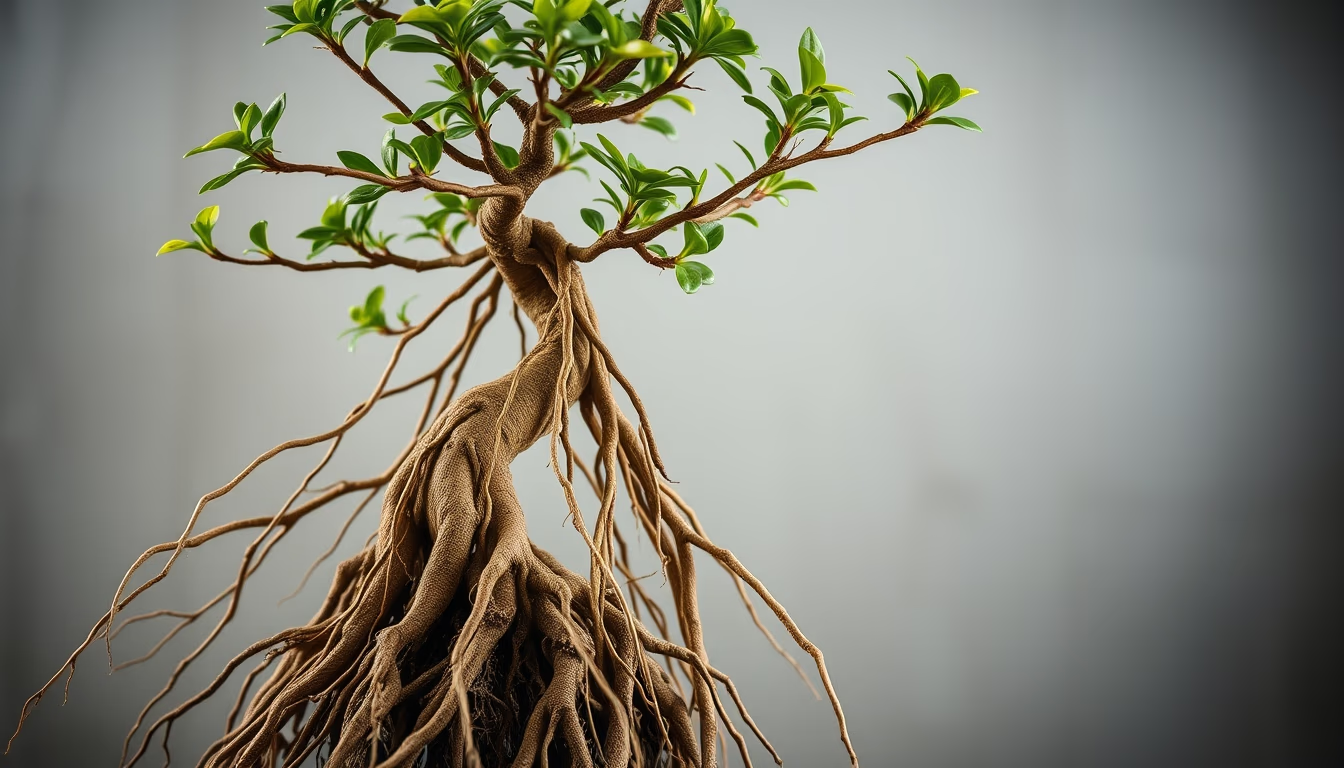
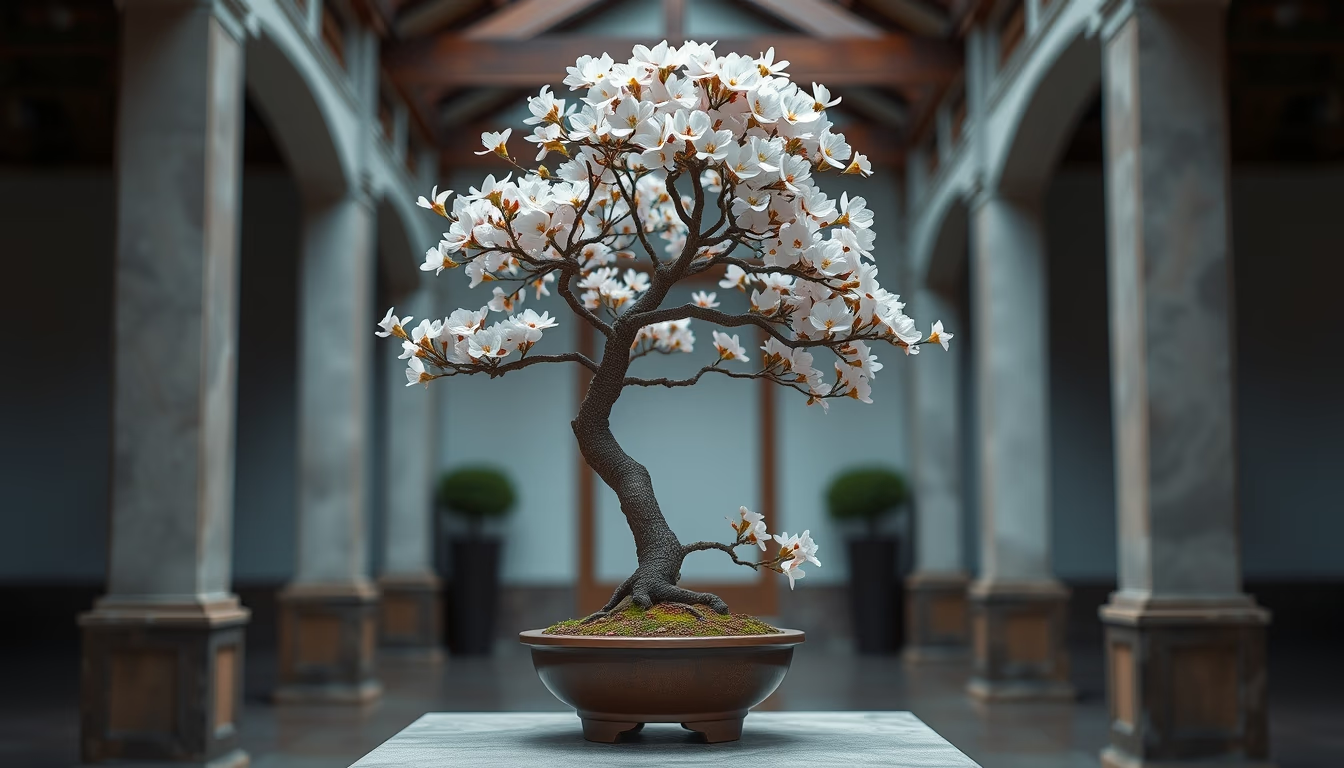
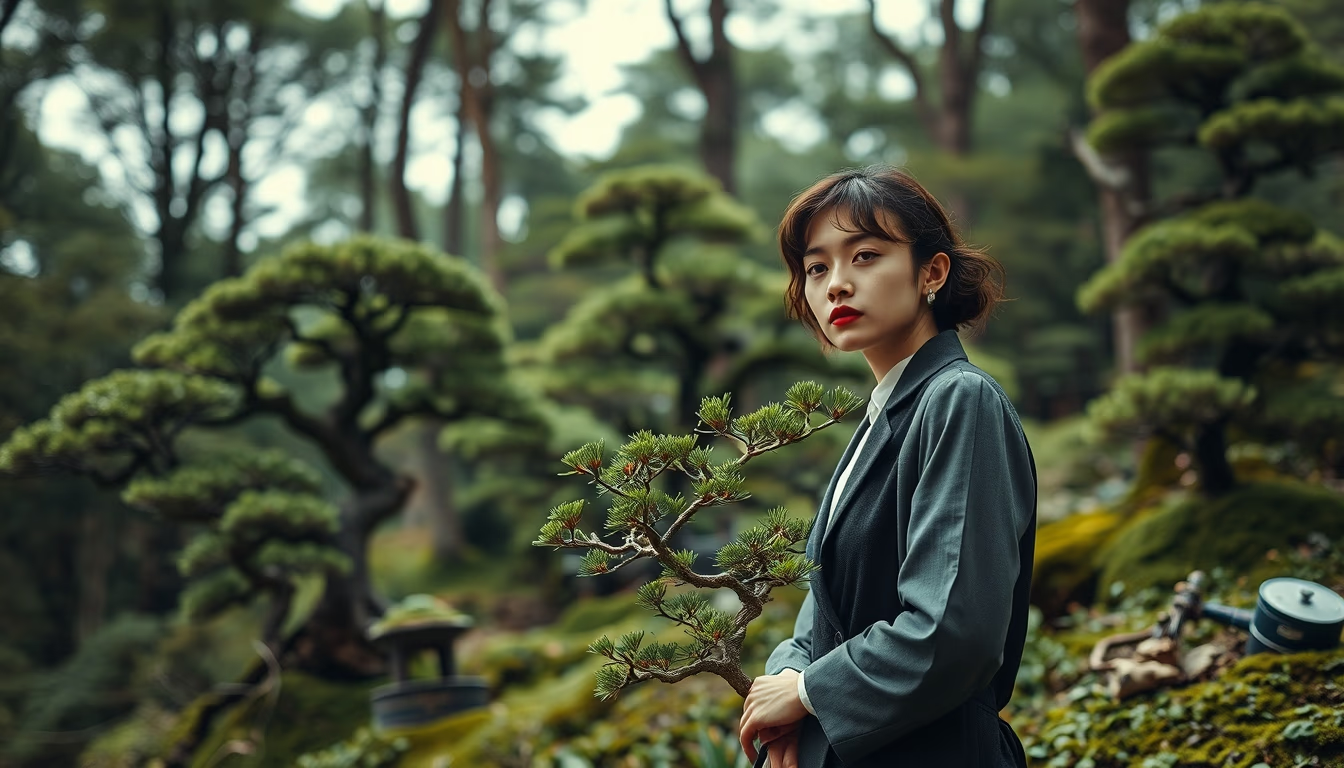
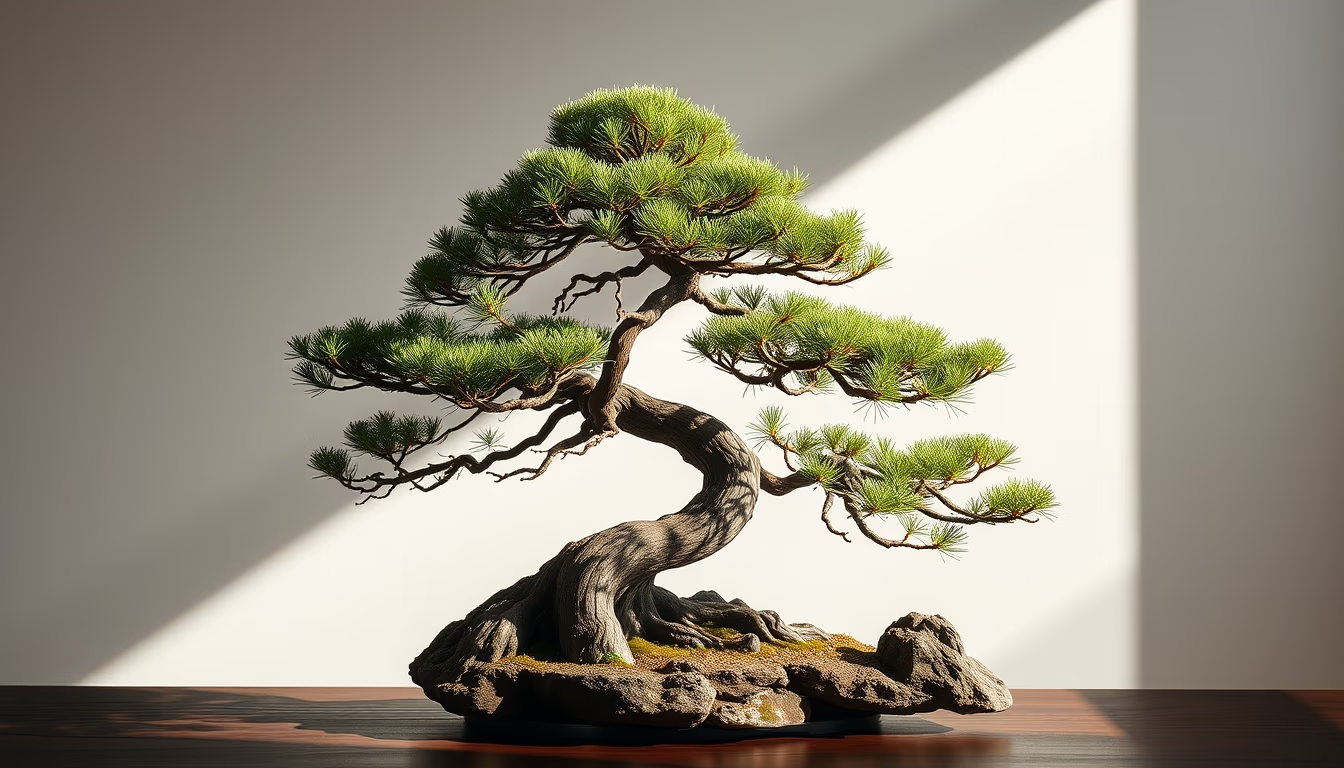
Bonsai forest landscape
1344×768 · AVIF · CC BY 4.0
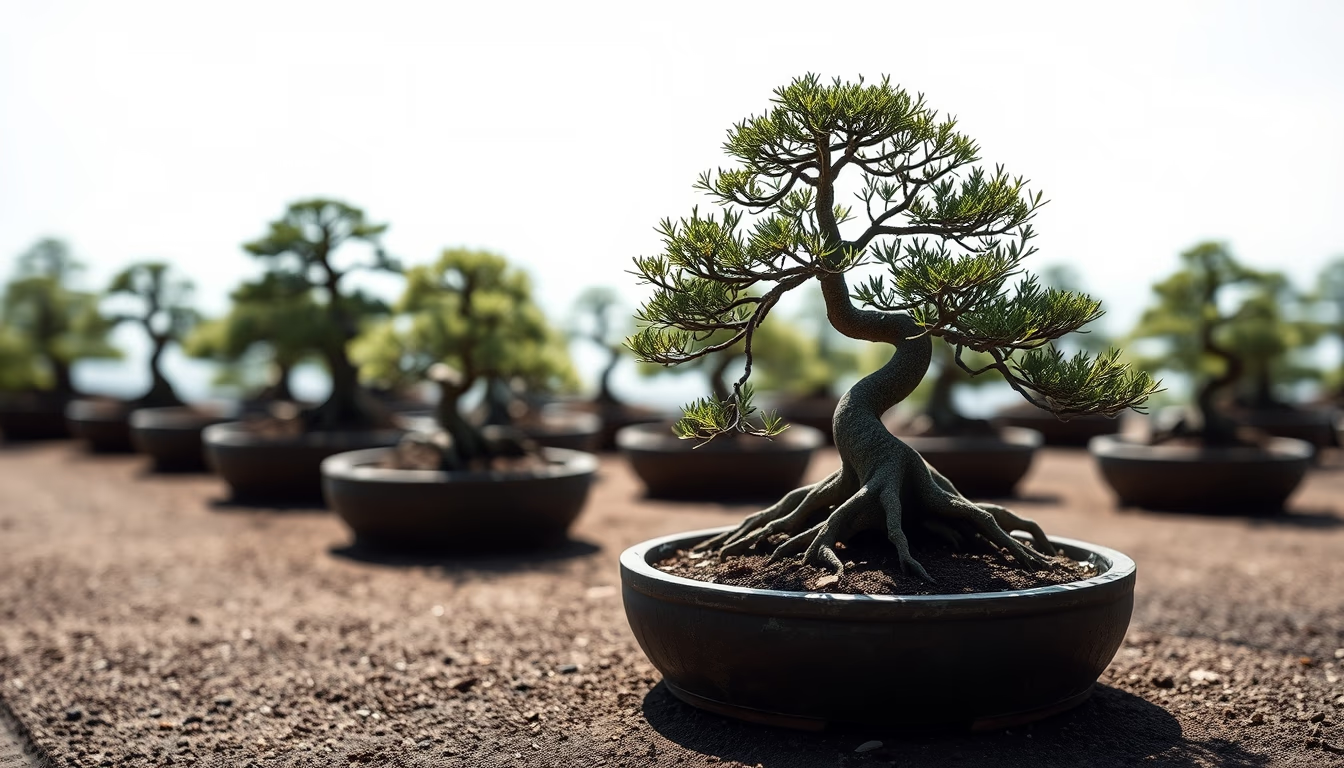
Discover the art of bonsai forest landscape, a composition that recreates miniature forests in shallow trays, blending technique and Japanese aesthetics.
About this subject
The bonsai forest landscape, also known as a forest or grove planting, is a variation of traditional bonsai where multiple trees are planted together in a shallow container to simulate a natural landscape. Unlike single-tree bonsai, this form emphasizes the harmony of the group, with trees of different heights and thicknesses arranged to create depth and perspective. The technique originated in Japan centuries ago, influenced by landscape painting on scrolls, but gained global popularity in the 20th century.
Species selection is crucial for the composition's success. Small-leafed species such as Chinese juniper (Juniperus chinensis), Japanese maple (Acer palmatum), and Japanese black pine (Pinus thunbergii) are often used due to their ability to maintain reduced proportions. The container, usually shallow and elongated, must have drainage holes and be filled with a specific substrate that retains moisture without waterlogging. Root pruning and wiring are applied to control growth and shape.
Maintenance of a bonsai forest landscape requires regular care: frequent watering (since shallow trays dry out quickly), balanced fertilization during the growing season, and constant pruning to maintain proportions. Additionally, repotting every two to three years is common to prevent soil compaction. Indirect sunlight and protection from strong winds are recommended, as trees in a group are more vulnerable to damage.
An interesting fact is that the bonsai forest landscape is often used in exhibitions to demonstrate the artist's mastery in creating a convincing three-dimensional scene. Unlike a simple grouping of seedlings, each tree has a development history that may span decades. The arrangement follows principles such as asymmetry and the use of empty spaces (called "ma") to evoke a sense of movement and depth.
Frequently Asked Questions
How do I choose trees for a bonsai forest landscape?
It's important to select small-leafed species like juniper, maple, or Japanese black pine, and combine trees of different heights and thicknesses. The plants should have varied ages to create a natural growth feel.
What is the best container for a bonsai forest?
Shallow, elongated containers made of ceramic or clay, with drainage holes. The color and shape should complement the trees without distracting.
How often should I water a bonsai forest landscape?
Watering should be frequent because the shallow tray dries out quickly. In hot climates, it may be necessary to water once or twice a day, always checking the substrate moisture.
Direct URL
https://pub-c7d6a6ea828543ac903a74a341ccb2e1.r2.dev/imagens/bonsai-forest-landscape-minimalist-composition-fresh13.avifHow to credit
Include a visible link back to UtilizAí. Copy one of the snippets below:
<a href="https://xn--utiliza-eza.com/en/midia/imagens/bonsai-forest-landscape-minimalist-composition-fresh13">Bonsai forest landscape</a> by <a href="https://xn--utiliza-eza.com">UtilizAí</a>, licensed under <a href="https://creativecommons.org/licenses/by/4.0/">CC BY 4.0</a>.
[Bonsai forest landscape](https://xn--utiliza-eza.com/en/midia/imagens/bonsai-forest-landscape-minimalist-composition-fresh13) by [UtilizAí](https://xn--utiliza-eza.com), CC BY 4.0
License: CC-BY-4.0