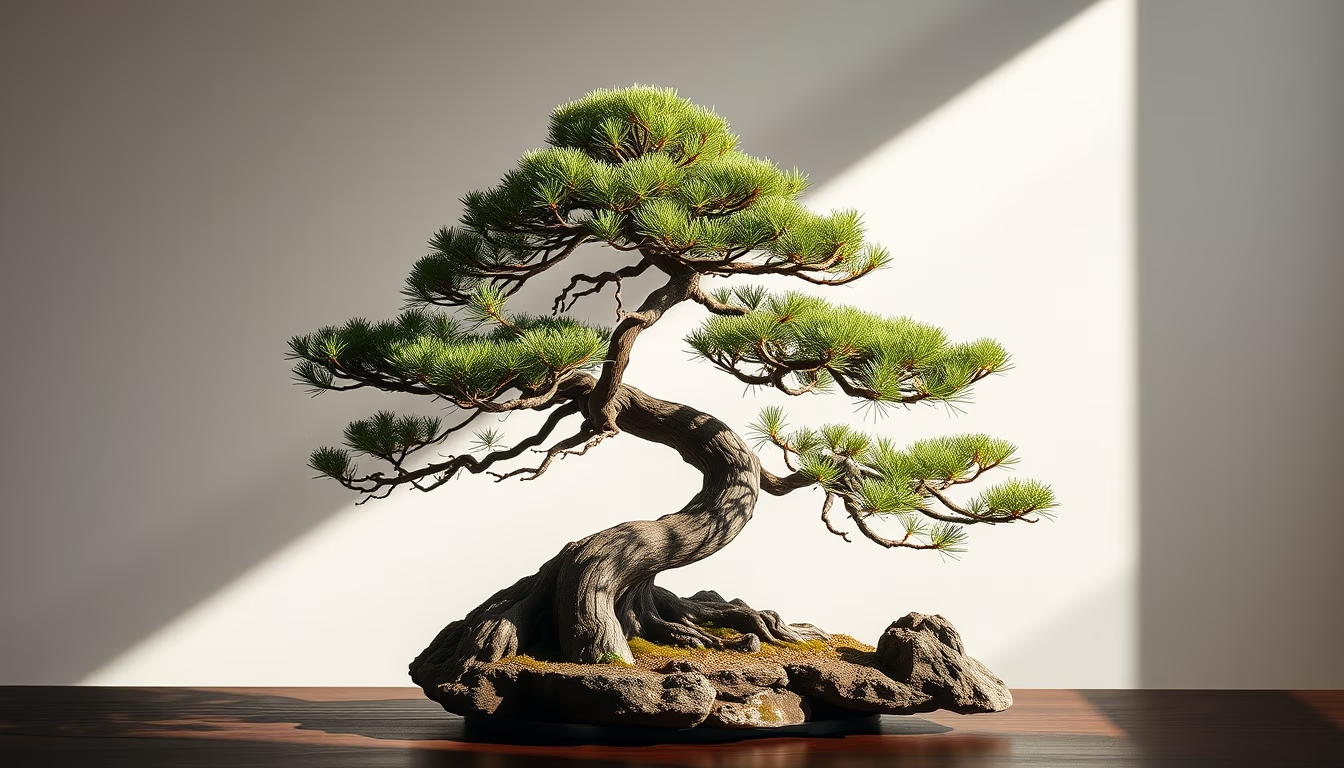
Bonsai forest landscape
1344×768 · AVIF · CC BY 4.0
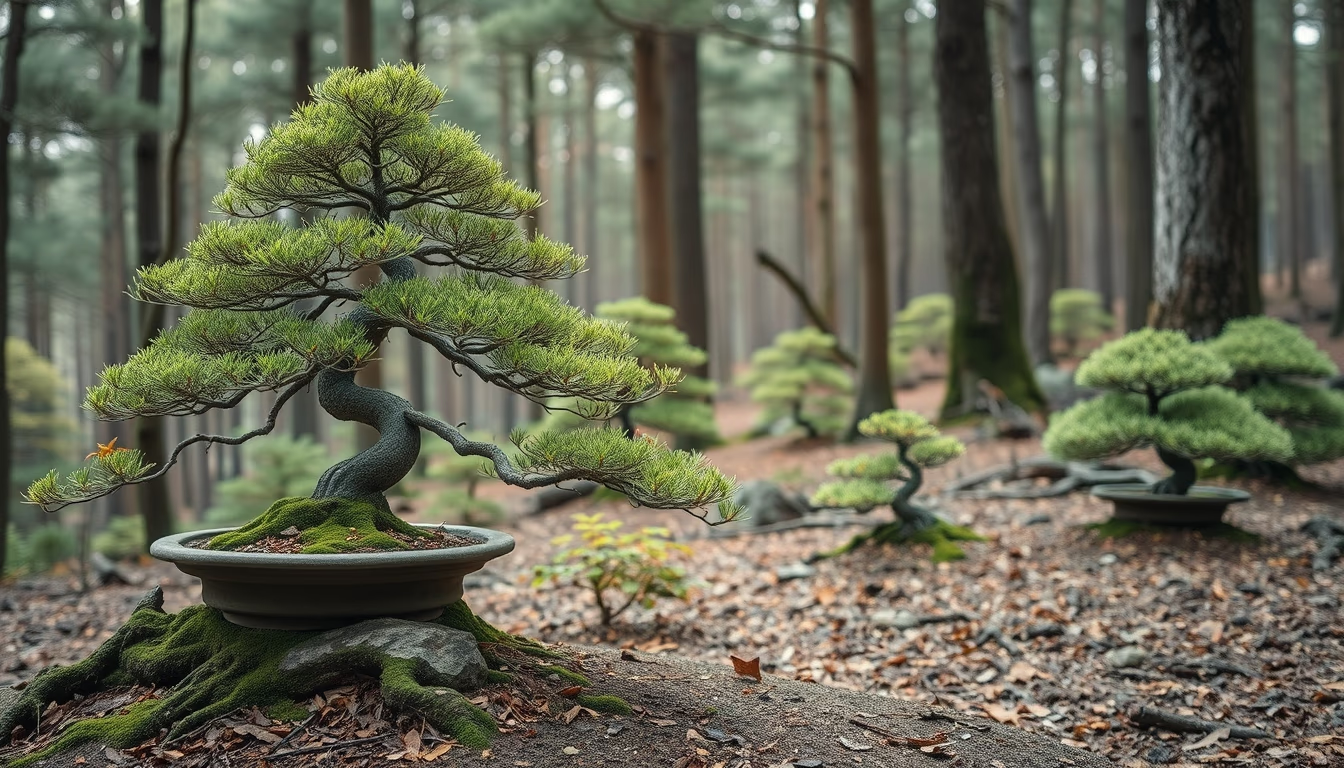
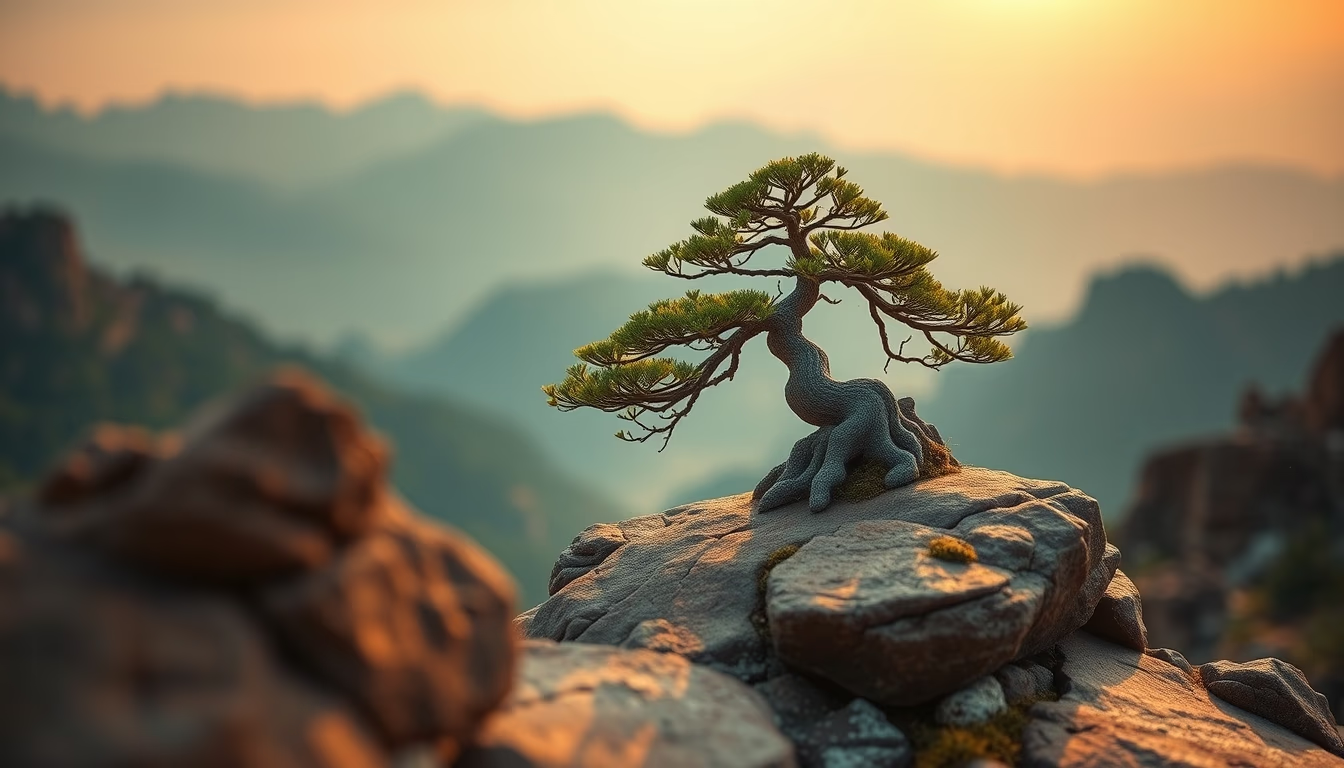
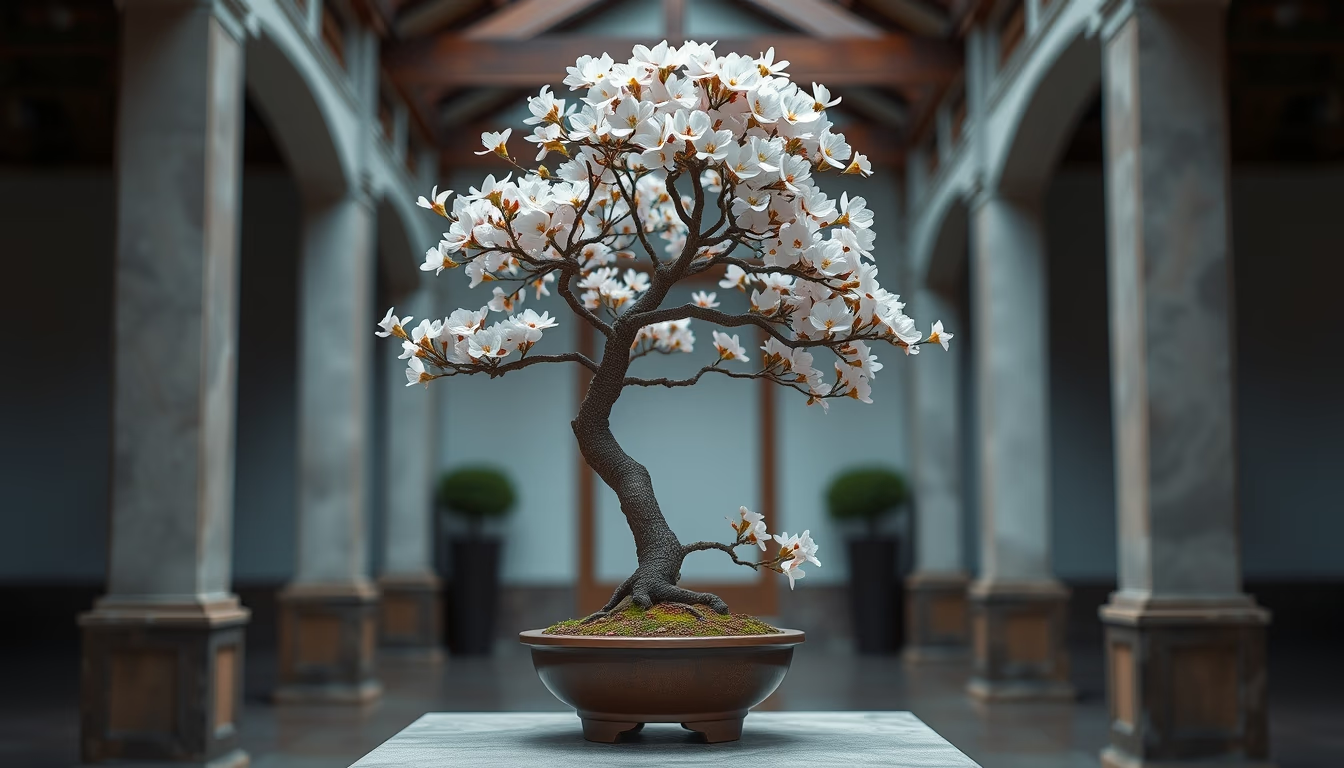
Um bosque de bonsais recria em miniatura a grandiosidade das florestas naturais, unindo técnica milenar e estética japonesa.
Sobre o tema
O bosque de bonsai, também conhecido como saikei, é uma composição que reúne múltiplas árvores em um único recipiente raso, formando uma paisagem em escala reduzida. Diferente de um bonsai isolado, essa técnica busca imitar uma cena natural completa, com variações de altura, inclinação e espaçamento que sugerem profundidade e movimento. A arte surgiu no Japão há séculos, influenciada pelo paisagismo chinês e pelo conceito de wabi-sabi, que valoriza a beleza na imperfeição e na transitoriedade.
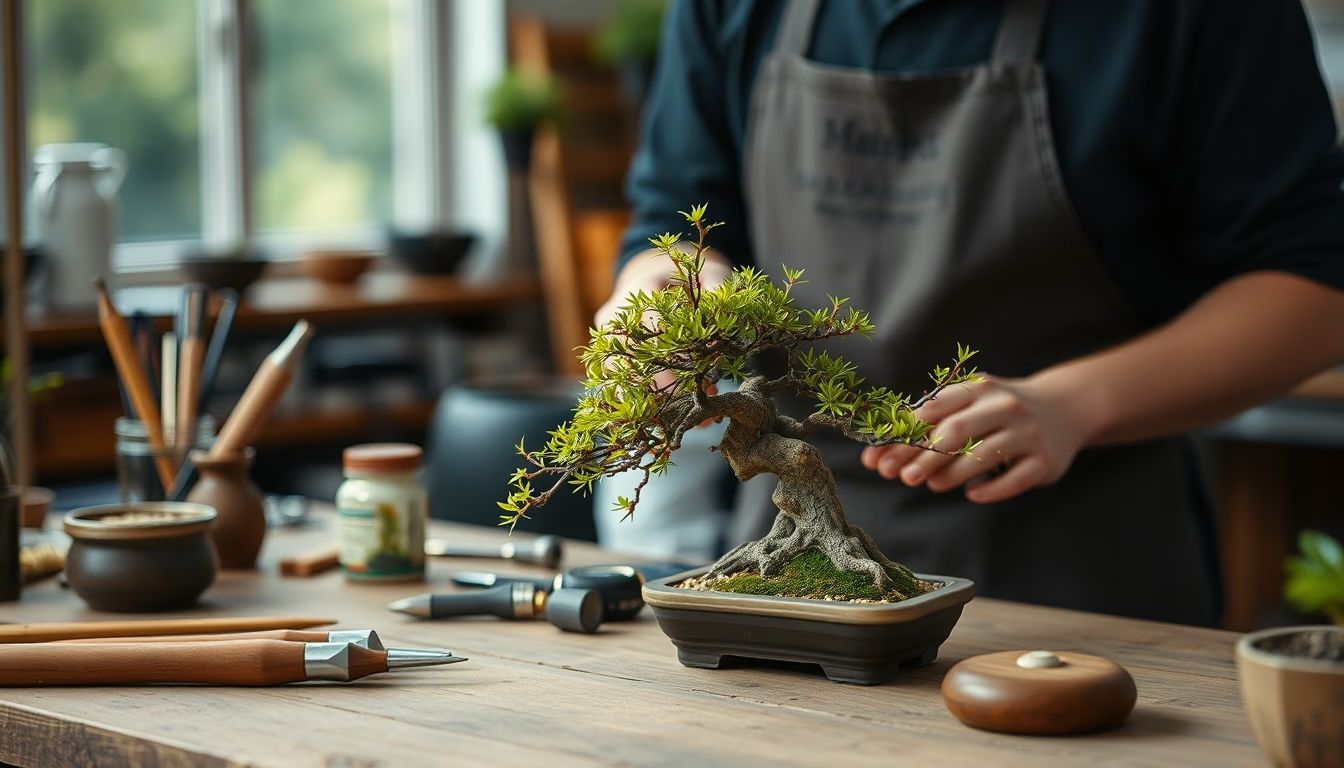
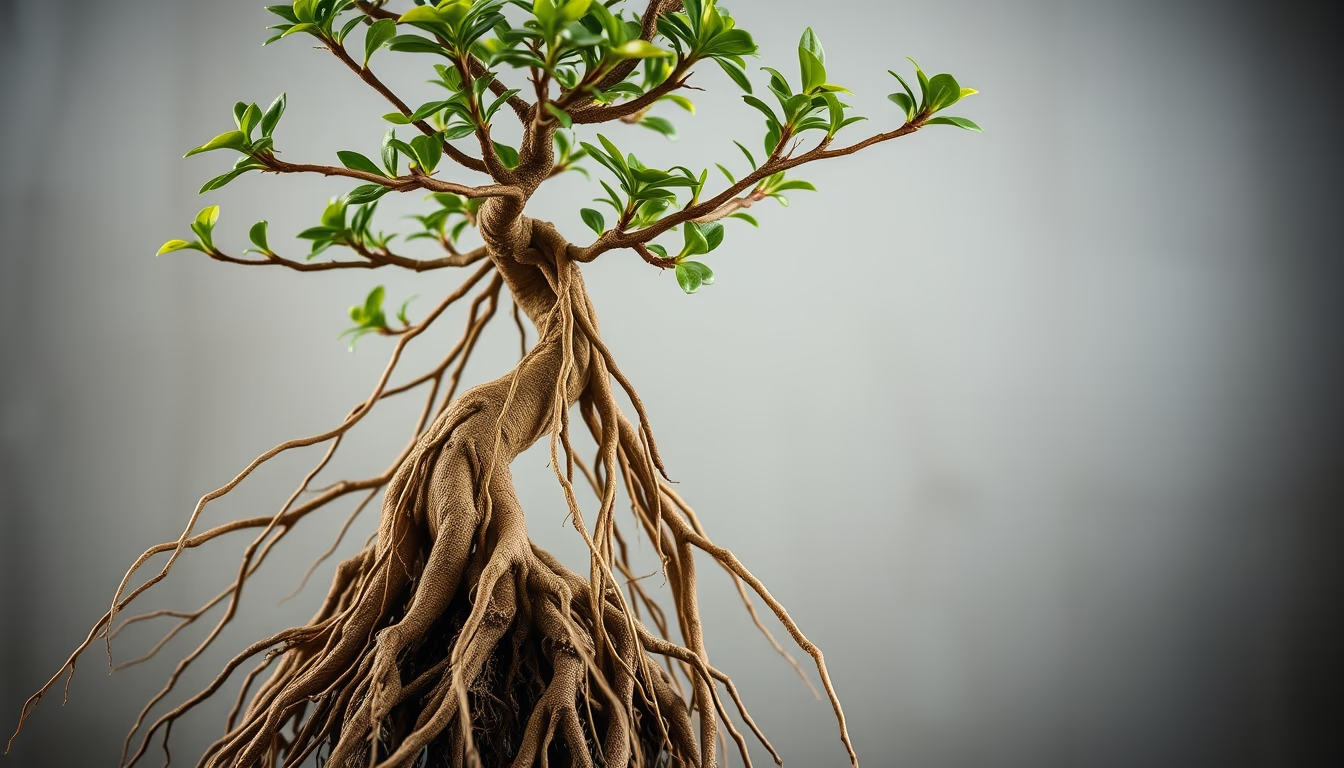
Cultivar um bosque de bonsai exige paciência e conhecimento específico. As árvores são selecionadas por suas características compatíveis, como ritmo de crescimento e necessidades de luz. A poda das raízes e da copa, combinada com a aramação dos troncos, permite direcionar o crescimento e criar assimetrias naturais. O vaso é geralmente oval ou retangular, com bordas baixas, e o substrato inclui uma mistura de akadama, pedra-pomes e matéria orgânica para garantir drenagem adequada.
Na cultura japonesa, o bosque de bonsai simboliza a harmonia entre o homem e a natureza. Cada elemento da composição, desde as pedras até o musgo, é escolhido para evocar uma estação do ano ou um local específico, como uma encosta de montanha ou uma margem de rio. A manutenção constante, incluindo rega, adubação e replantio periódico, reflete a dedicação do cultivador e a ideia de que a arte nunca está completa.
Curiosamente, bosques de bonsai podem conter de três a mais de trinta árvores, dependendo do efeito desejado. Espécies como pinheiro-negro, bordo japonês e zelkova são populares por sua resistência e folhagem marcante. Exposições como a Kokufu-ten, em Tóquio, exibem exemplares premiados que levam décadas para serem formados. Diferentemente de uma floresta real, um bosque em miniatura é uma representação idealizada, onde cada detalhe é controlado pelo artista.
Perguntas frequentes
O que é uma floresta de bonsai?
É uma composição de várias árvores em um único vaso, criando uma paisagem natural em miniatura. Também chamada de saikei, ela imita uma floresta ou bosque real em pequena escala.
Quais espécies são mais usadas em bosques de bonsai?
Espécies como pinheiro-negro, bordo japonês, zelkova e cipreste são comuns por sua adaptação à poda e beleza sazonal. A escolha depende do clima do cultivador e do efeito desejado.
Como cuidar de um bosque de bonsai?
Exige rega frequente (o substrato seco pode matar as raízes), poda regular para manter a forma, adubação na estação de crescimento e replantio a cada dois ou três anos para evitar o acúmulo de sais e renovar o solo.
URL direta
https://pub-c7d6a6ea828543ac903a74a341ccb2e1.r2.dev/imagens/bonsai-forest-landscape-documentary-nature-style-fresh17.avifComo creditar
Inclua um link visível de volta pro UtilizAí. Copie um dos snippets abaixo:
<a href="https://xn--utiliza-eza.com/midia/imagens/bonsai-forest-landscape-documentary-nature-style-fresh17">Bonsai forest landscape</a> by <a href="https://xn--utiliza-eza.com">UtilizAí</a>, licensed under <a href="https://creativecommons.org/licenses/by/4.0/">CC BY 4.0</a>.
[Bonsai forest landscape](https://xn--utiliza-eza.com/midia/imagens/bonsai-forest-landscape-documentary-nature-style-fresh17) by [UtilizAí](https://xn--utiliza-eza.com), CC BY 4.0
Licença: CC-BY-4.0