Bonsai ficus aerial roots
1344×768 · AVIF · CC BY 4.0
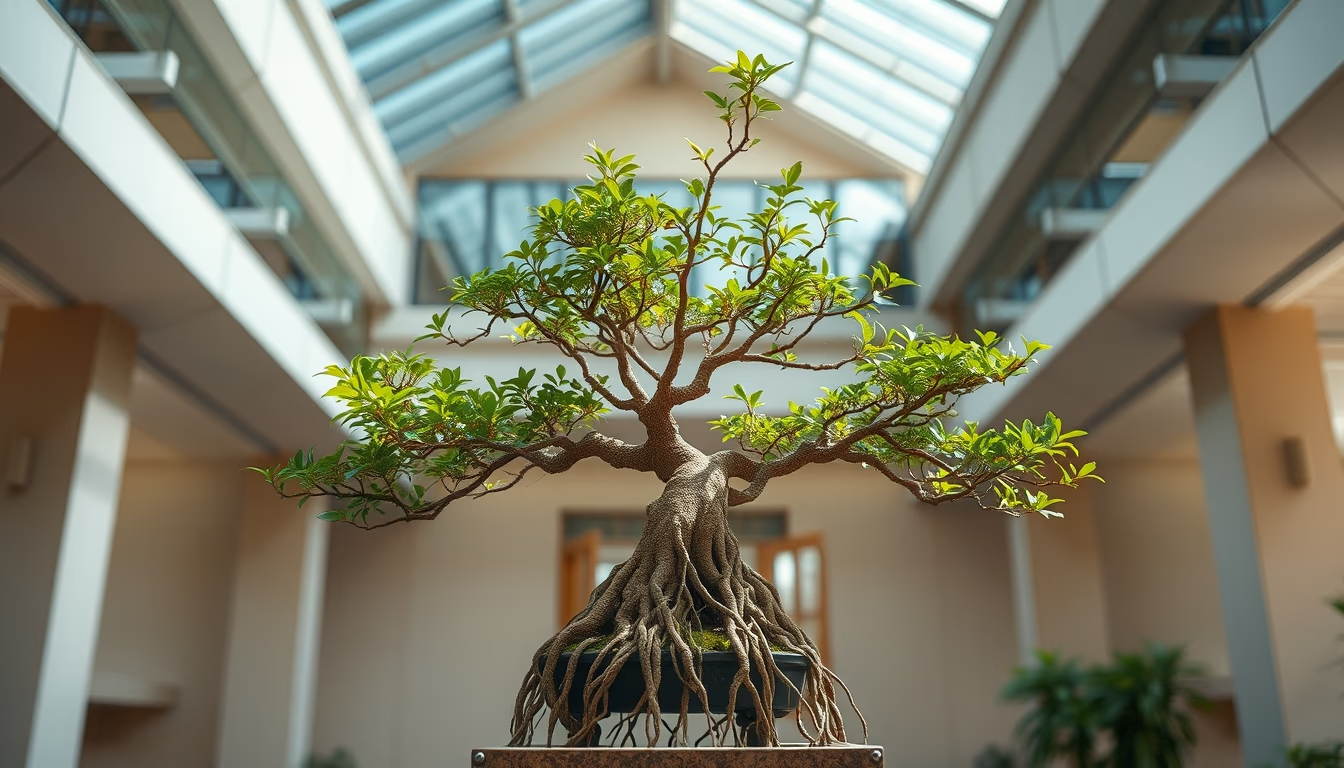
As raízes aéreas do bonsai ficus são estruturas impressionantes que agregam valor estético e indicam saúde da planta, características marcantes dessa espécie.
Sobre o tema
As raízes aéreas do bonsai ficus, especialmente em espécies como Ficus retusa e Ficus microcarpa, são caules modificados que crescem acima do solo e buscam fixação para absorver nutrientes e umidade. No cultivo de bonsai, elas são altamente valorizadas por conferir um aspecto antigo e natural à árvore, lembrando o estilo banyan. A formação dessas raízes é estimulada por alta umidade ambiente, poda de galhos baixos e técnicas de indução, como envolver o caule com musgo esfagno. Esse processo pode levar meses ou anos, dependendo das condições de cultivo.
Na natureza, as raízes aéreas do ficus ajudam a planta a se expandir e colonizar grandes áreas, como ocorre com a figueira-estranguladora. Em ambientes de floresta tropical, elas descem do tronco em busca de solo firme, atuando como suporte adicional. Para o bonsaísta, o desenvolvimento de raízes aéreas saudáveis indica que a árvore está recebendo os cuidados adequados: boa luminosidade, rega equilibrada e adubação correta. A falta de raízes aéreas pode sinalizar estresse hídrico ou baixa umidade relativa do ar.
Cuidar de um ficus com raízes aéreas exige atenção especial. É recomendado manter o substrato levemente úmido e borrifar água nas raízes expostas, especialmente em climas secos. A poda deve ser feita com tesoura esterilizada para evitar doenças. Raízes muito longas ou desorganizadas podem ser encurtadas para manter a estética do bonsai. Curiosamente, as raízes aéreas podem enraizar no próprio vaso, criando um sistema radicular mais robusto e favorecendo o crescimento da copa.
No universo do bonsai, as raízes aéreas do ficus são um símbolo de maturidade e resistência. Elas permitem composições dramáticas e realistas, como árvores centenárias em miniatura. A técnica de cultivo conhecida como "estilo raiz sobre pedra" (ishitsuki) utiliza essas raízes para abraçar uma rocha, criando um contraste visual fascinante. Para iniciantes, o ficus é uma espécie recomendada justamente por sua capacidade de desenvolver raízes aéreas com relativa facilidade, desde que se mantenha um microclima adequado.
Perguntas frequentes
Como fazer o ficus desenvolver raízes aéreas?
Para estimular raízes aéreas em um ficus, mantenha alta umidade ambiente (70-80%), borrife água no tronco regularmente e use técnicas como envolver o caule com musgo esfagno. Podar galhos baixos e garantir boa iluminação também ajudam.
É difícil manter um bonsai ficus com raízes aéreas?
Não, o ficus é uma espécie resistente e adaptável. Com rega adequada, substrato bem drenado e adubação equilibrada, as raízes aéreas se desenvolvem naturalmente. Apenas evite correntes de ar seco e mantenha a umidade.
Por que as raízes aéreas são importantes para o bonsai ficus?
As raízes aéreas aumentam o valor estético, dando aspecto envelhecido e natural. Também indicam saúde da planta e permitem estilos como raiz sobre pedra, além de contribuir para a absorção de nutrientes e fixação.
URL direta
https://pub-c7d6a6ea828543ac903a74a341ccb2e1.r2.dev/imagens/bonsai-ficus-aerial-roots-architectural-photography-fresh0.avifComo creditar
Inclua um link visível de volta pro UtilizAí. Copie um dos snippets abaixo:
<a href="https://xn--utiliza-eza.com/midia/imagens/bonsai-ficus-aerial-roots-architectural-photography-fresh0">Bonsai ficus aerial roots</a> by <a href="https://xn--utiliza-eza.com">UtilizAí</a>, licensed under <a href="https://creativecommons.org/licenses/by/4.0/">CC BY 4.0</a>.
[Bonsai ficus aerial roots](https://xn--utiliza-eza.com/midia/imagens/bonsai-ficus-aerial-roots-architectural-photography-fresh0) by [UtilizAí](https://xn--utiliza-eza.com), CC BY 4.0
Licença: CC-BY-4.0