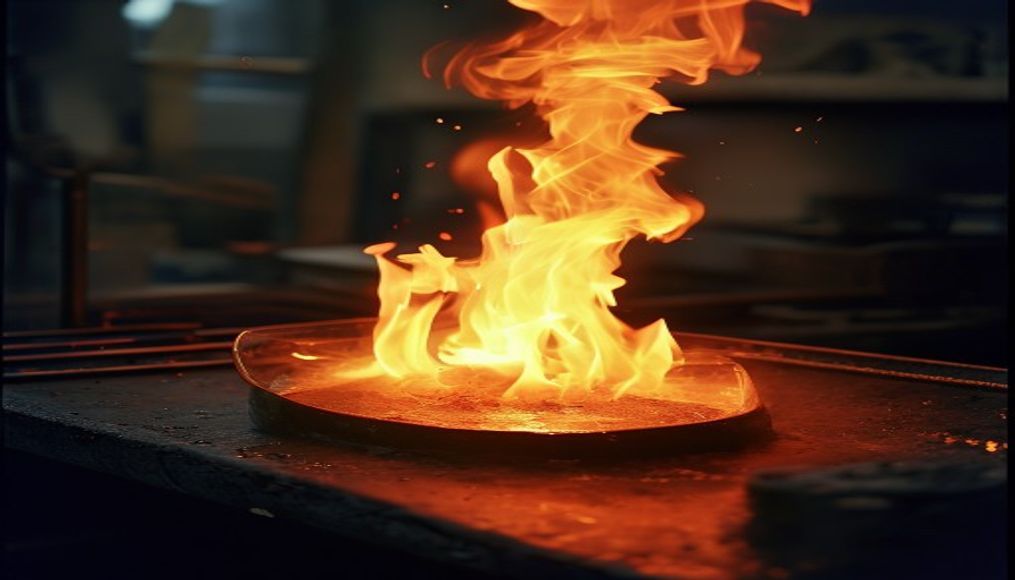
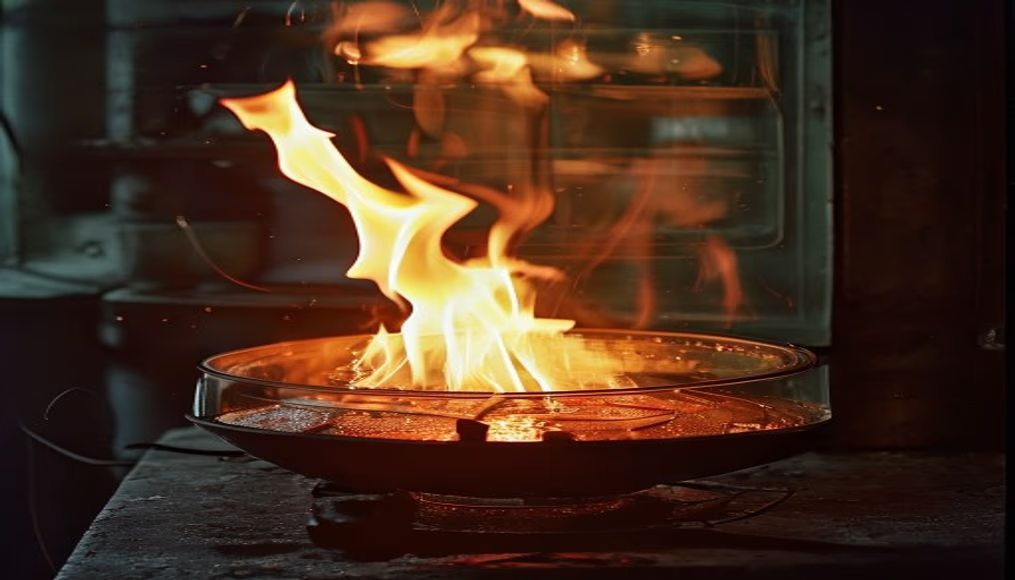
Biomedical lab clean
1344×768 · AVIF · CC BY 4.0

Biomedical labs adhere to strict cleanliness standards to ensure accuracy in research and diagnostics.
About this subject
Biomedical labs are controlled environments where cleanliness is critical for the integrity of experiments and diagnostics. Contaminants such as dust, microorganisms, or chemical residues can compromise results, leading to errors in research or clinical diagnoses. Therefore, these spaces follow strict guidelines, such as those from ANVISA in Brazil or the CDC internationally, which define everything from cleaning frequency to approved products.
Clean room classifications range from ISO 1 to ISO 9, with biomedical laboratories typically operating at ISO 5 or higher, controlling particle counts per cubic meter. Access is restricted, and personnel wear coats, gloves, masks, and caps to minimize contaminant introduction. Surfaces are disinfected with 70% alcohol, sodium hypochlorite, or other specific agents depending on the target pathogen.
Beyond surface cleaning, ventilation systems with HEPA filters remove airborne particles, and positive pressure in critical areas prevents unfiltered air entry. Routine microbiological monitoring includes air and surface sampling to ensure protocol effectiveness. These practices are especially rigorous in labs handling infectious agents (BSL-3 or BSL-4) or sensitive genetic samples.
Fun facts: the clean room concept originated in the 1960s for the electronics industry but was quickly adopted by biomedicine. In Brazil, ANVISA's RDC 50/2002 establishes requirements for clinical labs, including cleaning and disinfection. In genomic research, contamination by foreign DNA is a critical risk, necessitating laminar flow hoods and periodic UV light.
Frequently Asked Questions
What is the difference between cleaning and disinfection in a biomedical lab?
Cleaning removes dirt and organic matter, while disinfection eliminates pathogenic microorganisms. Both are essential: cleaning prepares the surface for disinfection, which must be done with specific agents like 70% alcohol or sodium hypochlorite.
Why do biomedical lab workers wear coats and gloves even without handling dangerous agents?
Even in routine activities, coats and gloves prevent sample contamination by microorganisms from the skin or clothing of personnel, and also protect the user from potential splashes. It is a standard biosafety practice.
What does the ISO classification of a clean room mean?
The ISO classification defines the maximum number of particles per cubic meter of air. For example, ISO 5 allows at most 3,520 particles of 0.5 µm per m³. The lower the number, the cleaner the environment.
Direct URL
https://pub-c7d6a6ea828543ac903a74a341ccb2e1.r2.dev/imagens/biomedical-lab-clean-high-fashion-editorial-p11.avifHow to credit
Include a visible link back to UtilizAí. Copy one of the snippets below:
<a href="https://xn--utiliza-eza.com/en/midia/imagens/biomedical-lab-clean-high-fashion-editorial-p11">Biomedical lab clean</a> by <a href="https://xn--utiliza-eza.com">UtilizAí</a>, licensed under <a href="https://creativecommons.org/licenses/by/4.0/">CC BY 4.0</a>.
[Biomedical lab clean](https://xn--utiliza-eza.com/en/midia/imagens/biomedical-lab-clean-high-fashion-editorial-p11) by [UtilizAí](https://xn--utiliza-eza.com), CC BY 4.0
License: CC-BY-4.0