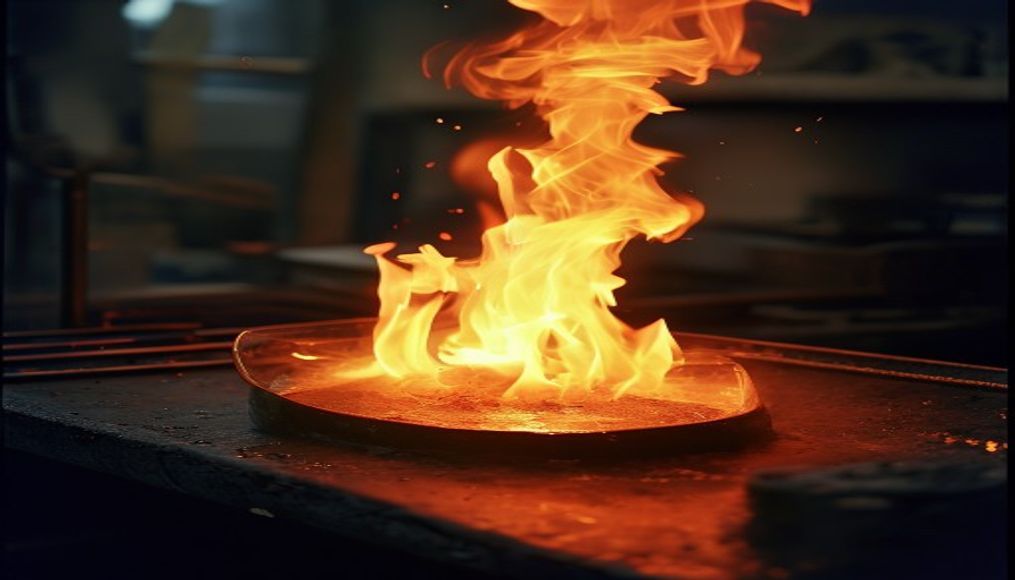
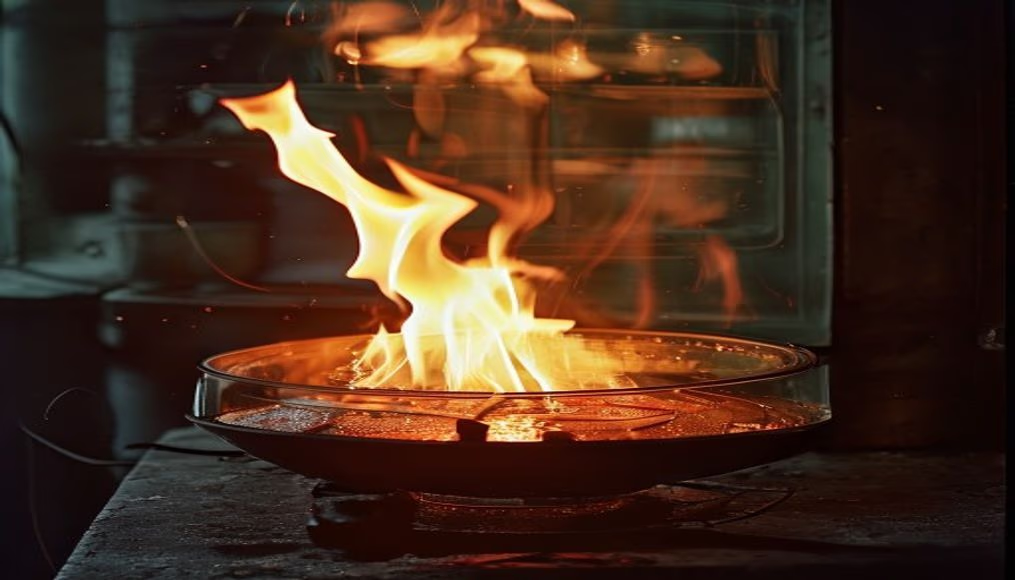
Biomedical lab clean
1344×768 · AVIF · CC BY 4.0

Ambientes laboratoriais biomédicos exigem rigorosos protocolos de limpeza e descontaminação para garantir a segurança e a validade das pesquisas.
Sobre o tema
A limpeza em laboratórios biomédicos vai muito além da estética. Ela é um pilar fundamental para a integridade dos experimentos e a proteção dos profissionais. A contaminação cruzada, seja por microrganismos, ácidos nucleicos ou substâncias químicas, pode invalidar resultados e criar riscos biológicos. Por isso, cada superfície, equipamento e insumo segue um plano de saneamento específico, frequentemente baseado em normas como as da ANVISA e do CDC.
Os laboratórios são classificados em níveis de biossegurança (NB1 a NB4), que definem a severidade das práticas de limpeza. Em um NB2, por exemplo, o uso de hipoclorito de sódio e álcool 70% é rotina para desinfecção de bancadas após o manuseio de amostras. Já em NB3 ou NB4, empregam-se autoclaves, cabines de segurança biológica e sistemas de ventilação com filtros HEPA. A limpeza semanal de pisos e paredes com detergentes específicos também é obrigatória para prevenir biofilmes e acúmulo de poeira contaminada.
Curiosamente, a validação da limpeza é um processo científico por si só. Utilizam-se swabs e placas de contato para verificar a ausência de ATP (trifosfato de adenosina) ou microrganismos viáveis. Em áreas de produção de medicamentos estéreis, a limpeza é monitorada por partículas no ar e testes de esterilidade. Essas práticas garantem que o ambiente esteja dentro dos parâmetros de Classe A, B, C ou D da certificação GMP (Good Manufacturing Practices).
A limpeza em laboratórios biomédicos não se restringe apenas ao espaço físico. Ela inclui a descontaminação de resíduos, que são segregados e tratados antes do descarte. Equipamentos como autoclaves e incineradores são essenciais para inativar materiais perigosos. Todo esse rigor é o que permite que a pesquisa biomédica avance com confiabilidade, desde o desenvolvimento de vacinas até o diagnóstico de doenças.
Perguntas frequentes
Quais são os principais agentes de limpeza usados em laboratórios biomédicos?
Os mais comuns são hipoclorito de sódio (água sanitária), álcool 70%, peróxido de hidrogênio e detergentes enzimáticos. A escolha depende do tipo de contaminante e do nível de biossegurança do laboratório.
Como é feita a validação da limpeza em um laboratório?
A validação utiliza métodos como swabs para coleta de resíduos e placas de contato para cultura microbiológica. Também se medem os níveis de ATP por bioluminescência, indicando presença de matéria orgânica.
Qual a diferença entre limpeza, desinfecção e esterilização no contexto laboratorial?
Limpeza remove sujeira e reduz carga microbiana. Desinfecção elimina a maioria dos patógenos, mas não esporos. Esterilização destrói todas as formas de vida, incluindo esporos, e é feita por autoclave ou radiação.
URL direta
https://pub-c7d6a6ea828543ac903a74a341ccb2e1.r2.dev/imagens/biomedical-lab-clean-cinematic-wide-shot-p1.avifComo creditar
Inclua um link visível de volta pro UtilizAí. Copie um dos snippets abaixo:
<a href="https://xn--utiliza-eza.com/midia/imagens/biomedical-lab-clean-cinematic-wide-shot-p1">Biomedical lab clean</a> by <a href="https://xn--utiliza-eza.com">UtilizAí</a>, licensed under <a href="https://creativecommons.org/licenses/by/4.0/">CC BY 4.0</a>.
[Biomedical lab clean](https://xn--utiliza-eza.com/midia/imagens/biomedical-lab-clean-cinematic-wide-shot-p1) by [UtilizAí](https://xn--utiliza-eza.com), CC BY 4.0
Licença: CC-BY-4.0