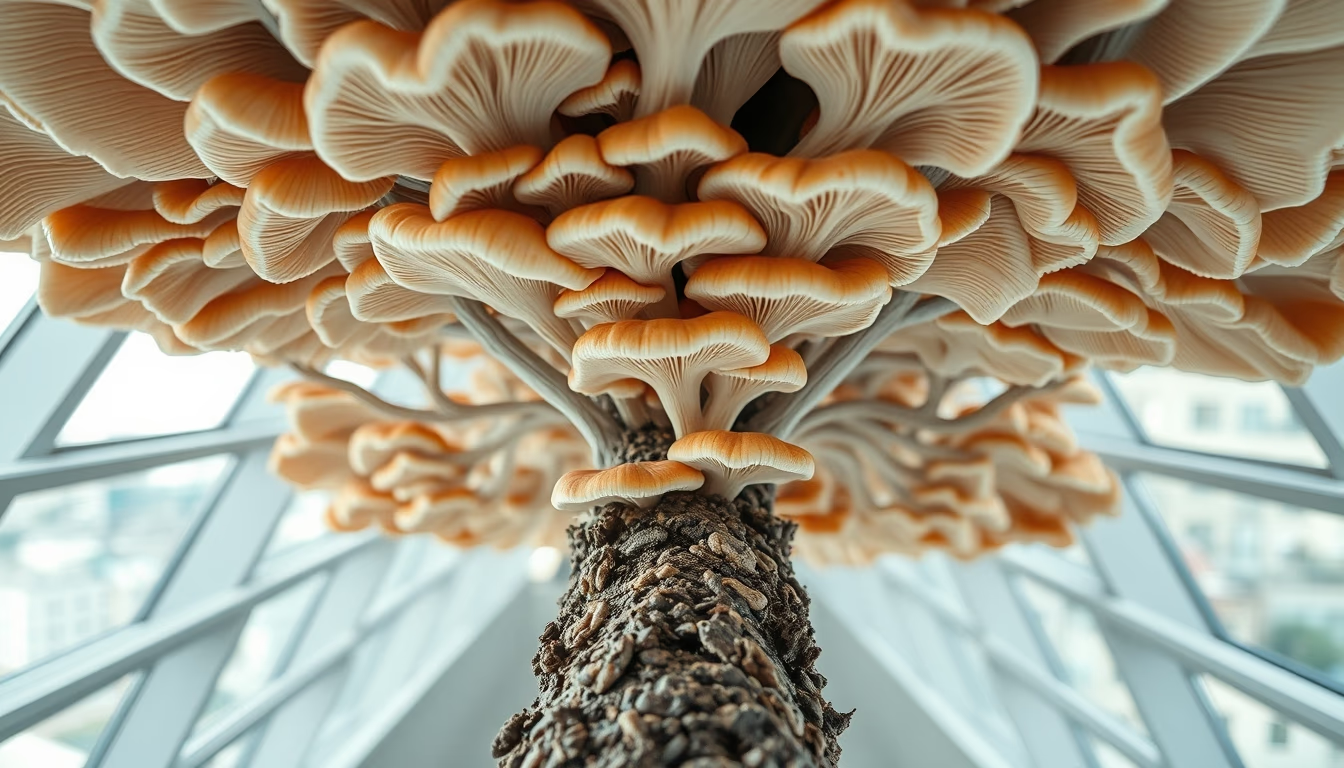
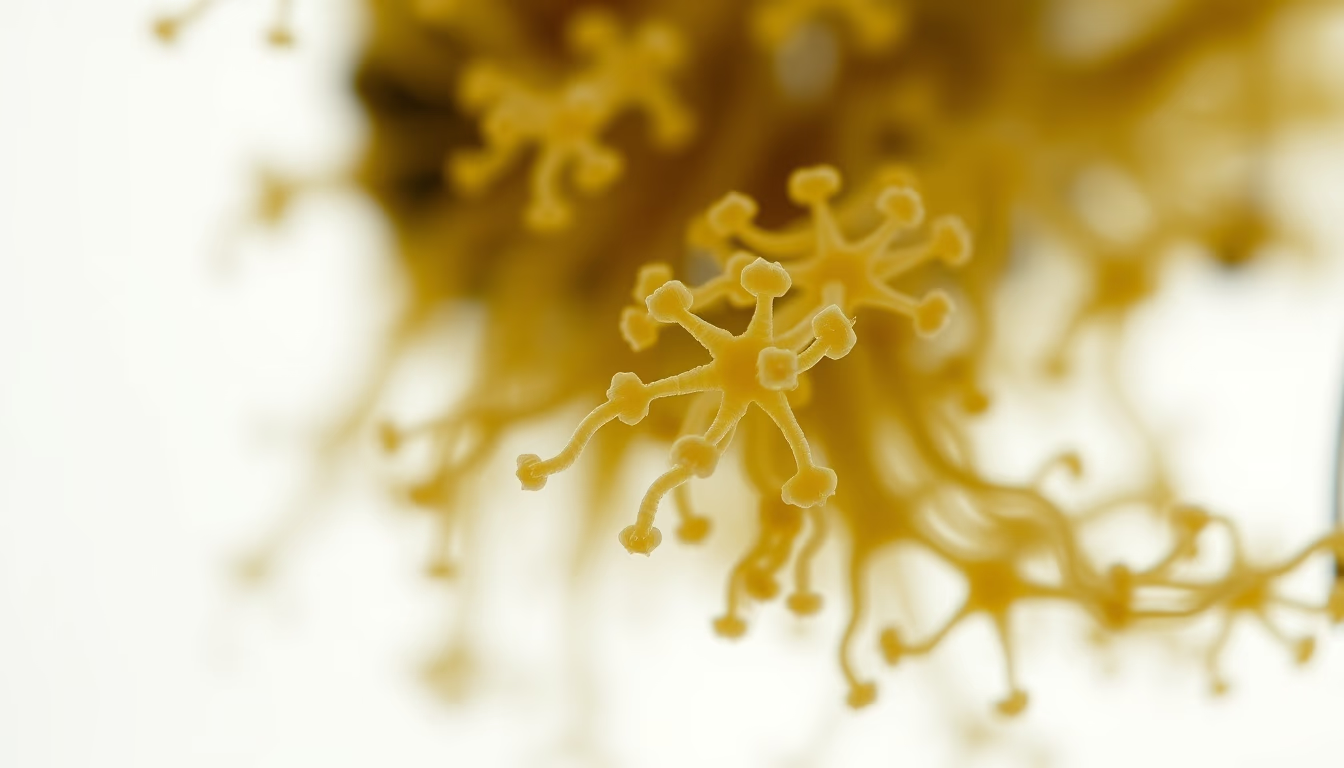
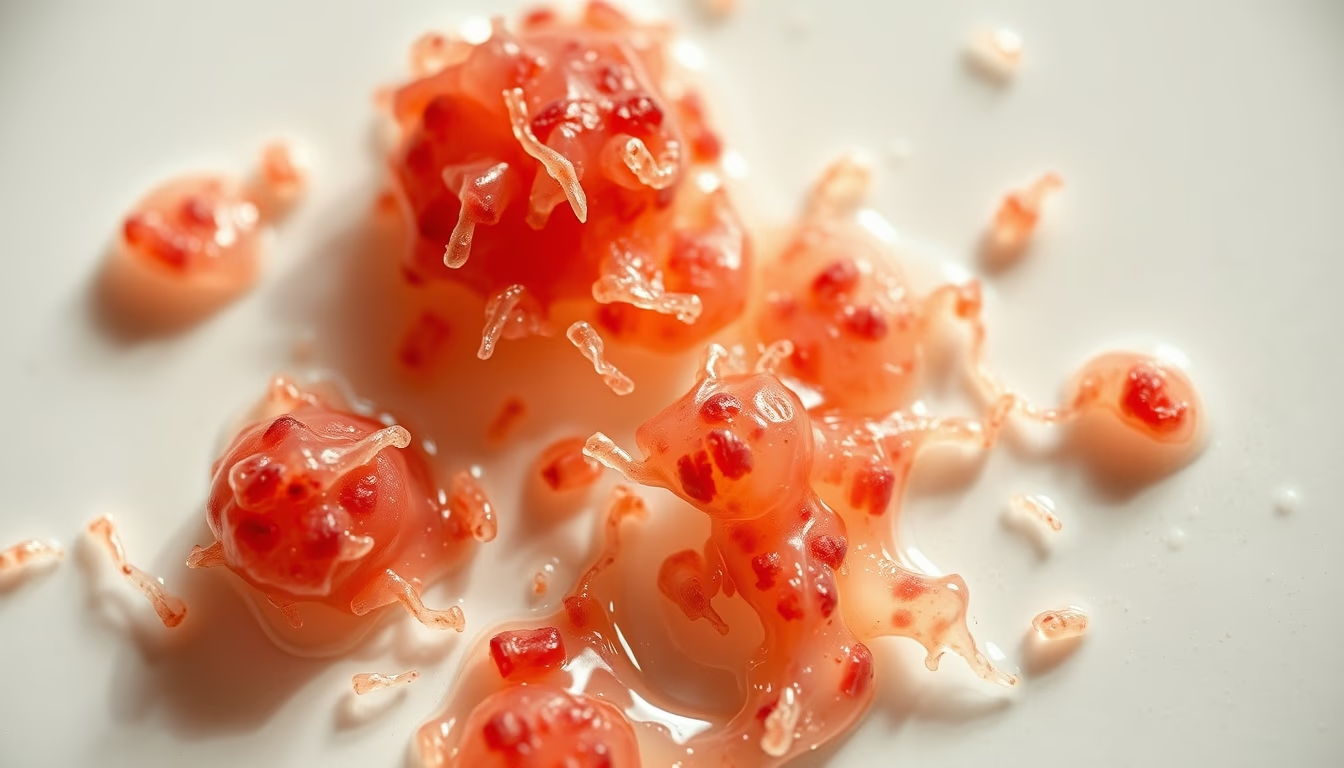
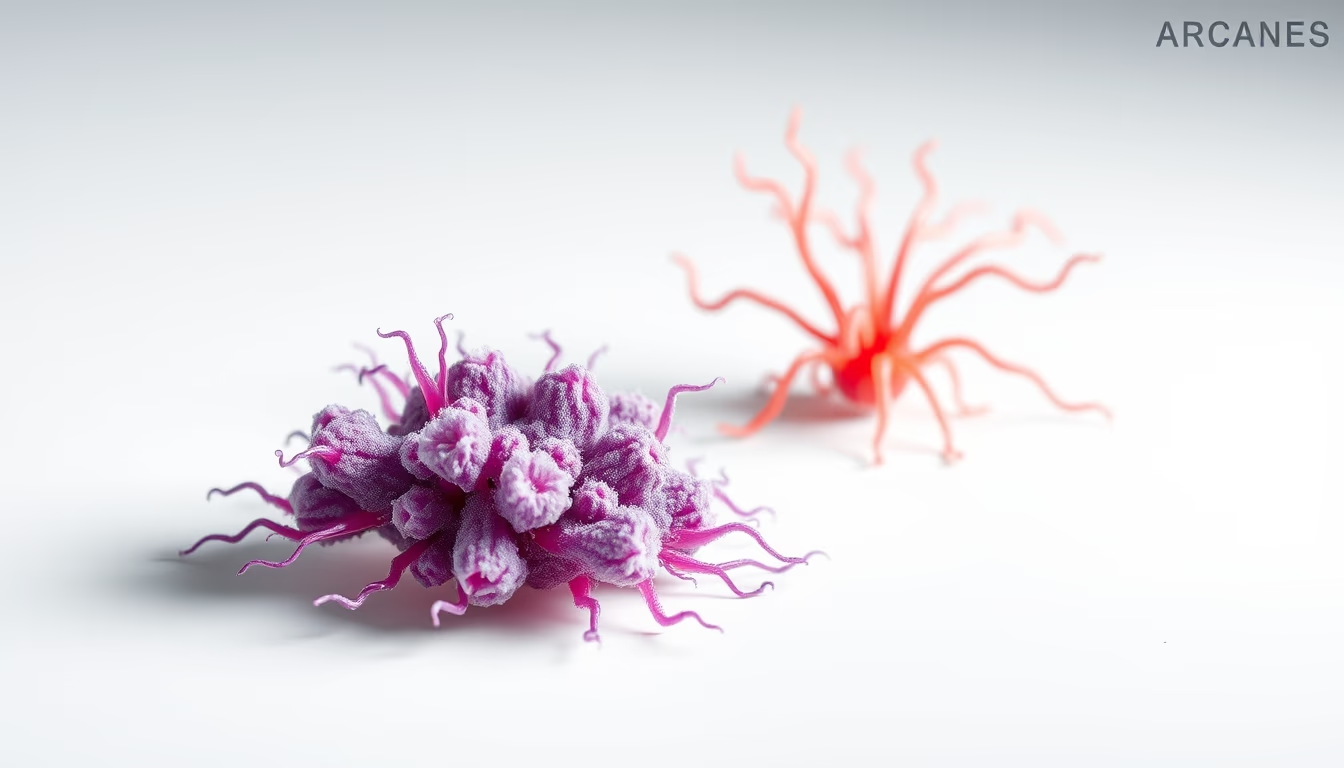
Biofilm bacterial slime
1344×768 · AVIF · CC BY 4.0
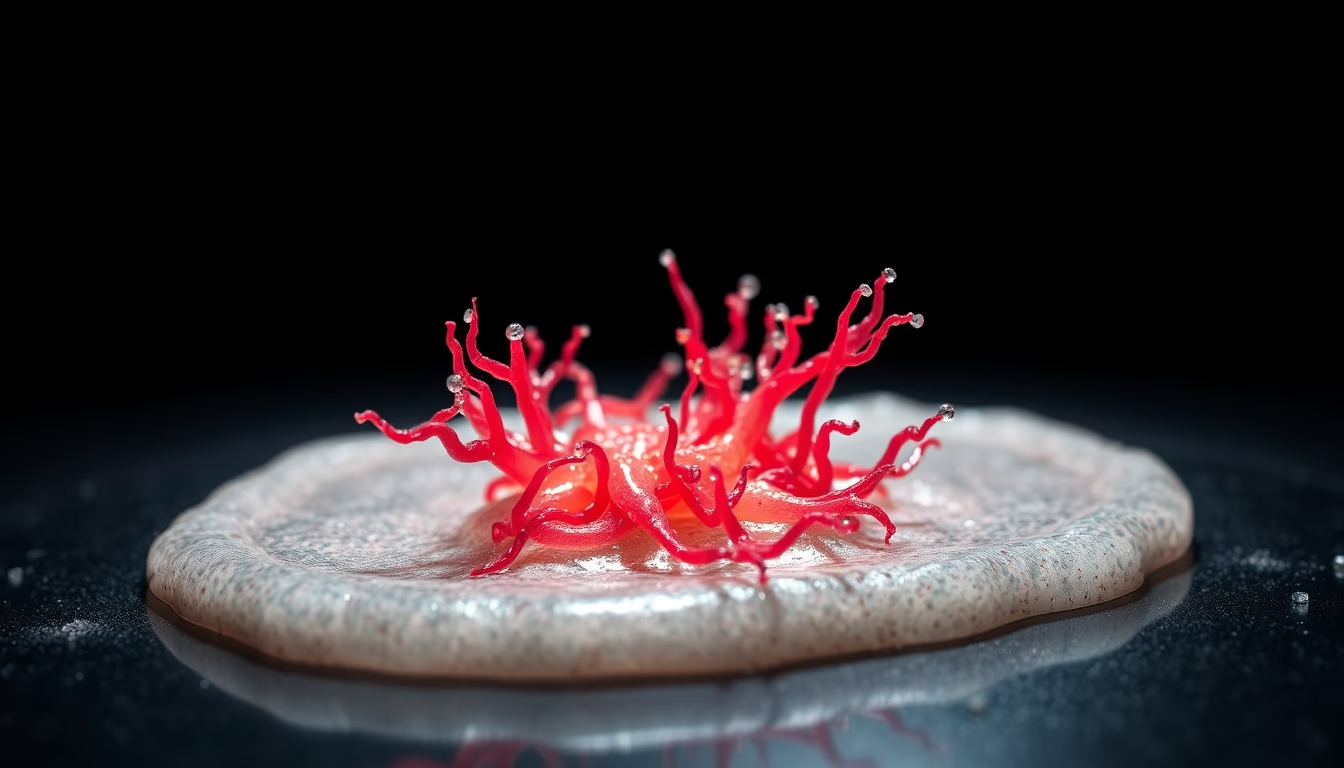
Bacterial biofilms are complex microbial communities encased in a polymeric matrix, crucial for bacterial survival and relevant in health and industry.
About this subject
Bacterial biofilms are clusters of microbial cells attached to surfaces, encased in an extracellular matrix of polysaccharides, proteins, and DNA. This matrix provides protection against antibiotics and disinfectants, making biofilms a major challenge in medicine and industry. They can form on catheters, prosthetics, body tissues, and in water systems.
Biofilm formation occurs in stages: initial reversible adhesion, irreversible attachment, maturation, and dispersion. During maturation, bacteria organize into three-dimensional structures with channels for nutrient flow. It is estimated that 80% of chronic bacterial infections are associated with biofilms, such as in cystic fibrosis and wound infections.
In nature, biofilms are ubiquitous and play important ecological roles in bioremediation and biogeochemical cycles. In industry, they cause problems like fouling in pipes and food contamination. Conversely, beneficial biofilms are used in wastewater treatment plants and vinegar production.
Current research focuses on strategies to combat them, such as enzymes that degrade the matrix, bacteriophages, and antimicrobial surfaces. Understanding bacterial quorum sensing is key to developing new treatments.
Frequently Asked Questions
What is a bacterial biofilm?
It is a community of bacteria attached to a surface, encased in a polymeric matrix that protects them and allows nutrient exchange. These structures are responsible for many chronic infections.
Why are biofilms difficult to eliminate?
The extracellular matrix acts as a physical and chemical barrier, hindering the penetration of antibiotics and disinfectants. Additionally, bacteria in the biofilm can enter a dormant state, becoming less susceptible.
Where are biofilms found?
In almost all environments: on moist surfaces like teeth (dental plaque), submerged rocks, pipes, medical devices, and inside the human body.
Direct URL
https://pub-c7d6a6ea828543ac903a74a341ccb2e1.r2.dev/imagens/biofilm-bacterial-slime-studio-still-life-fresh4.avifHow to credit
Include a visible link back to UtilizAí. Copy one of the snippets below:
<a href="https://xn--utiliza-eza.com/en/midia/imagens/biofilm-bacterial-slime-studio-still-life-fresh4">Biofilm bacterial slime</a> by <a href="https://xn--utiliza-eza.com">UtilizAí</a>, licensed under <a href="https://creativecommons.org/licenses/by/4.0/">CC BY 4.0</a>.
[Biofilm bacterial slime](https://xn--utiliza-eza.com/en/midia/imagens/biofilm-bacterial-slime-studio-still-life-fresh4) by [UtilizAí](https://xn--utiliza-eza.com), CC BY 4.0
License: CC-BY-4.0