Biofilm bacterial slime
1344×768 · AVIF · CC BY 4.0

Bacterial biofilms are complex communities of microorganisms encased in a polymeric matrix, crucial in ecology and medicine.
About this subject
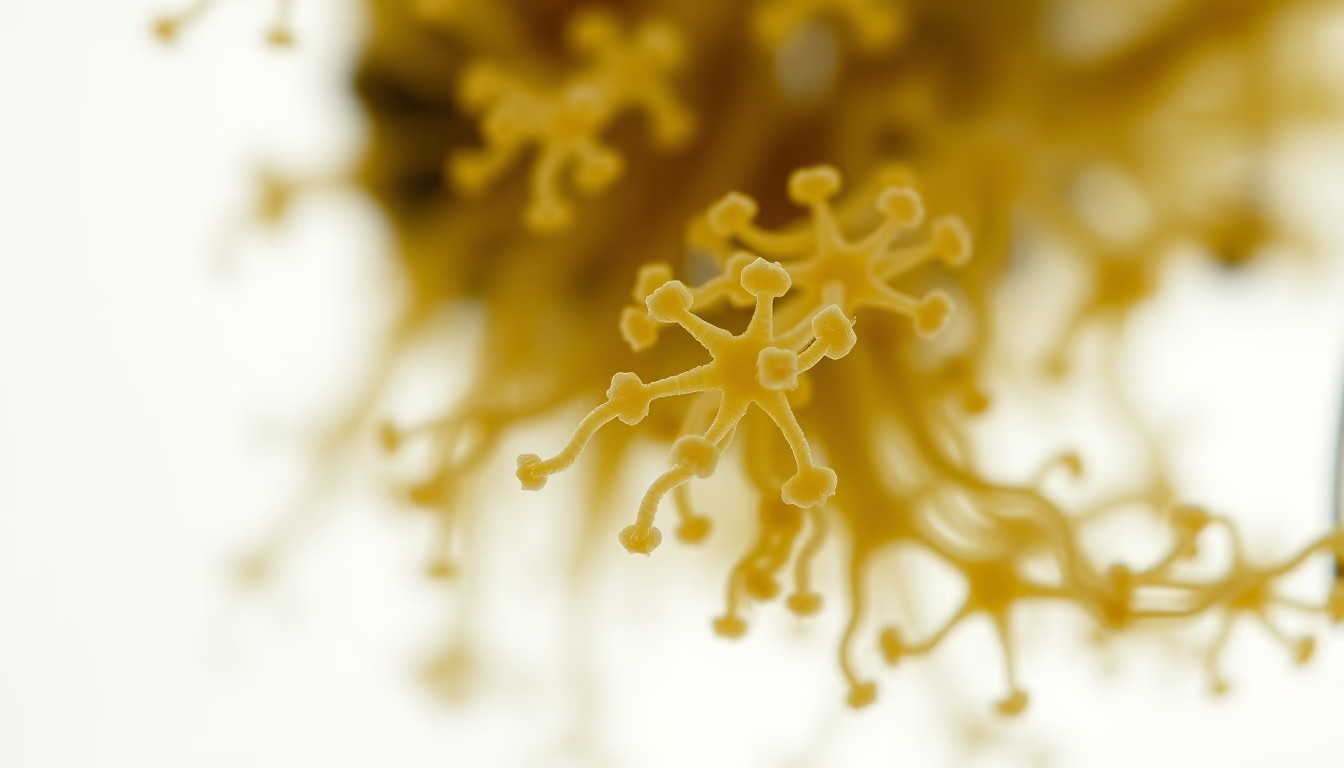
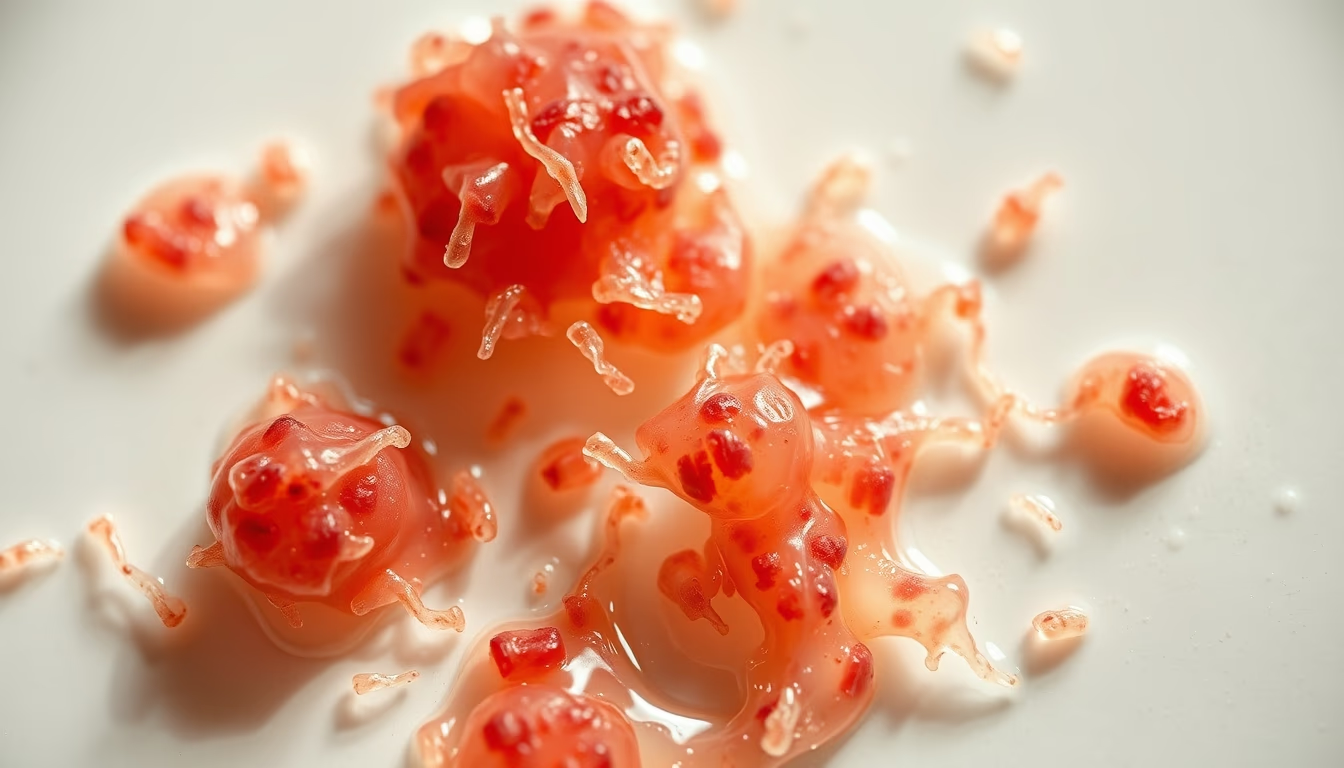
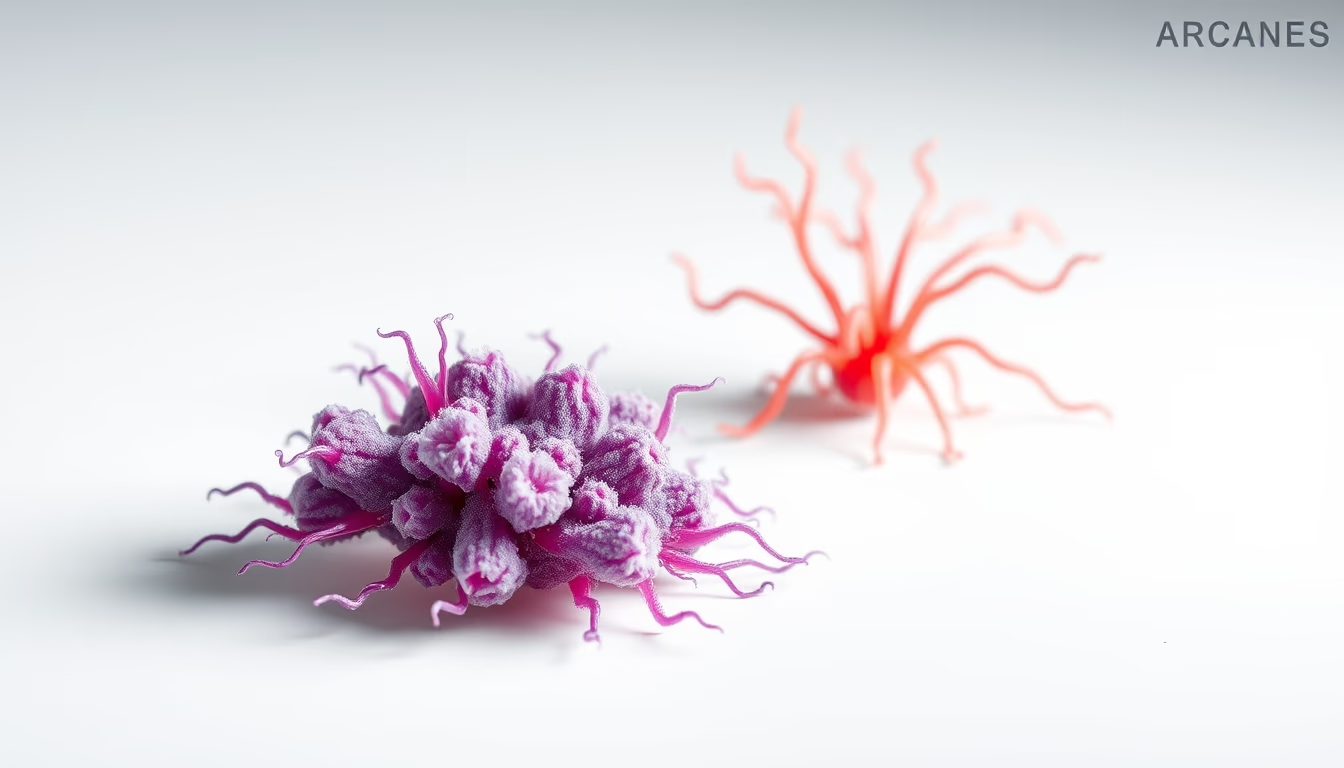
Bacterial biofilms are structured communities of microorganisms adherent to surfaces and encased in a self-produced extracellular matrix of polysaccharides, proteins, and DNA. This matrix protects bacteria from antimicrobials and the immune system, making biofilm-related infections challenging to treat. Biofilms are ubiquitous in nature, found in dental plaque, industrial pipelines, and medical devices, representing a significant health and economic burden.
Biofilm formation proceeds through several steps: reversible attachment, irreversible attachment, maturation, and dispersal. Each stage involves specific molecular mechanisms, including quorum sensing signaling that coordinates group behavior. Mature biofilms can reach thicknesses of several millimeters and harbor multiple species in synergistic relationships.
In medicine, biofilms are implicated in chronic infections such as those caused by Pseudomonas aeruginosa in cystic fibrosis patients, and infections of implants and catheters. It is estimated that over 80% of bacterial infections in humans involve biofilms. Antibiotic resistance in biofilms can be up to 1000 times greater compared to planktonic cells.
Current research focuses on strategies to prevent or disrupt biofilms, including matrix-degrading enzymes, quorum sensing inhibitors, and anti-adhesive surfaces. Understanding biofilm ecology is essential for developing novel treatments and controlling biofilm formation in clinical and industrial settings.
Frequently Asked Questions
What is a bacterial biofilm?
It is a community of bacteria attached to a surface and encased in a self-produced protective matrix.
Why are biofilms resistant to antibiotics?
The extracellular matrix hinders antibiotic penetration, and biofilm cells have reduced metabolism and express resistance genes.
Where are biofilms commonly found?
They are common on moist surfaces such as teeth (plaque), catheters, pipelines, and natural aquatic environments.
Direct URL
https://pub-c7d6a6ea828543ac903a74a341ccb2e1.r2.dev/imagens/biofilm-bacterial-slime-high-fashion-editorial-fresh0.avifHow to credit
Include a visible link back to UtilizAí. Copy one of the snippets below:
<a href="https://xn--utiliza-eza.com/en/midia/imagens/biofilm-bacterial-slime-high-fashion-editorial-fresh0">Biofilm bacterial slime</a> by <a href="https://xn--utiliza-eza.com">UtilizAí</a>, licensed under <a href="https://creativecommons.org/licenses/by/4.0/">CC BY 4.0</a>.
[Biofilm bacterial slime](https://xn--utiliza-eza.com/en/midia/imagens/biofilm-bacterial-slime-high-fashion-editorial-fresh0) by [UtilizAí](https://xn--utiliza-eza.com), CC BY 4.0
License: CC-BY-4.0