Bayon temple faces
1344×768 · AVIF · CC BY 4.0

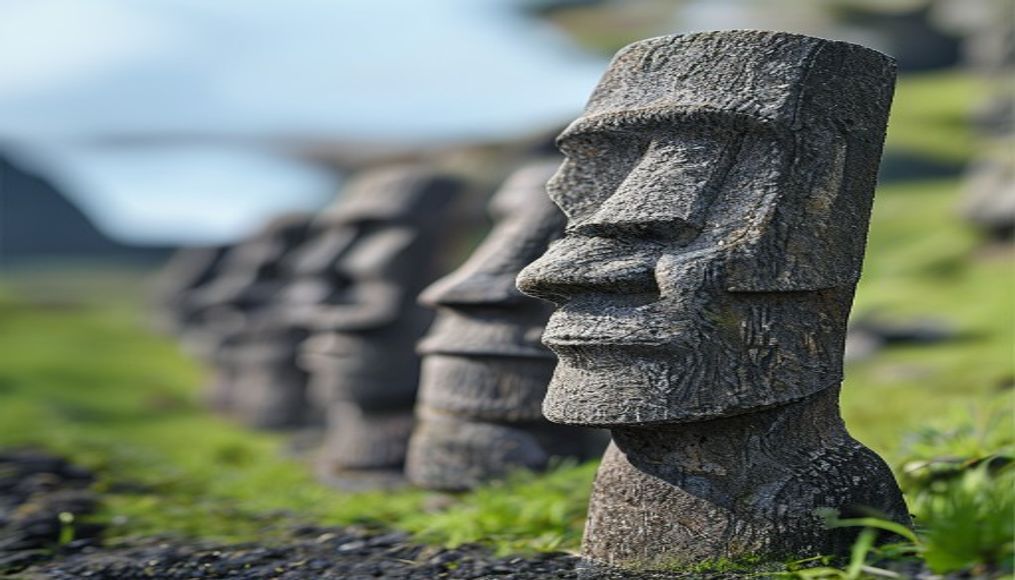
The stone faces of Bayon temple in Angkor, Cambodia, are among the most enigmatic sculptural ensembles in the world.
About this subject
The Bayon temple, located at the heart of the Angkor archaeological complex in Cambodia, is renowned for its dozens of stone towers carved with serene faces. Built in the late 12th or early 13th century by King Jayavarman VII, Bayon was the last major state temple of the Khmer Empire and the only one dedicated to Mahayana Buddhism. The faces, numbering over 200, typically represent Lokeshvara (Avalokiteshvara), the bodhisattva of compassion, but may also symbolize the king himself as a living Buddha.
Each face has a calm expression, with half-closed eyes and a slight smile, creating an atmosphere of peace and mystery. The towers are arranged in three concentric levels, and the temple is known for its impressive bas-reliefs depicting scenes of daily life and historical battles. Unlike Angkor Wat, which is more symmetrical and oriented westward, Bayon is chaotic and labyrinthine, reflecting the complexity of the period's religious thought.
Bayon's state of preservation has varied over centuries. Tropical vegetation overran the site until the 20th century, when restoration efforts began, especially by the Japanese government team (JSA). In 1992, the Angkor complex was declared a UNESCO World Heritage site, attracting millions of tourists annually. The faces of Bayon have become an icon of Cambodia, appearing on the national flag and in countless cultural representations.
A curious fact: the exact number of faces is debated, as some are buried or in ruins. Recent studies have used photogrammetry to map each one, revealing that many have unique features, such as different nose shapes or smiles, suggesting they are not mere repetitions but individualized portraits. This diversity makes Bayon one of the most fascinating monuments in Southeast Asia.
Frequently Asked Questions
How many faces are there at Bayon temple?
There is no exact consensus, as some are buried or deteriorated, but estimates range from 200 to 216 carved faces on the towers.
Who built Bayon temple?
Bayon temple was built by King Jayavarman VII, one of the most important monarchs of the Khmer Empire, in the late 12th or early 13th century.
What do the faces of Bayon represent?
Most faces represent Lokeshvara (Avalokiteshvara), the bodhisattva of compassion in Mahayana Buddhism, but they may also symbolize the king Jayavarman VII himself.
Direct URL
https://pub-c7d6a6ea828543ac903a74a341ccb2e1.r2.dev/imagens/bayon-temple-faces-high-fashion-editorial-p2.avifHow to credit
Include a visible link back to UtilizAí. Copy one of the snippets below:
<a href="https://xn--utiliza-eza.com/en/midia/imagens/bayon-temple-faces-high-fashion-editorial-p2">Bayon temple faces</a> by <a href="https://xn--utiliza-eza.com">UtilizAí</a>, licensed under <a href="https://creativecommons.org/licenses/by/4.0/">CC BY 4.0</a>.
[Bayon temple faces](https://xn--utiliza-eza.com/en/midia/imagens/bayon-temple-faces-high-fashion-editorial-p2) by [UtilizAí](https://xn--utiliza-eza.com), CC BY 4.0
License: CC-BY-4.0