Bassoon double reed
1344×768 · AVIF · CC BY 4.0
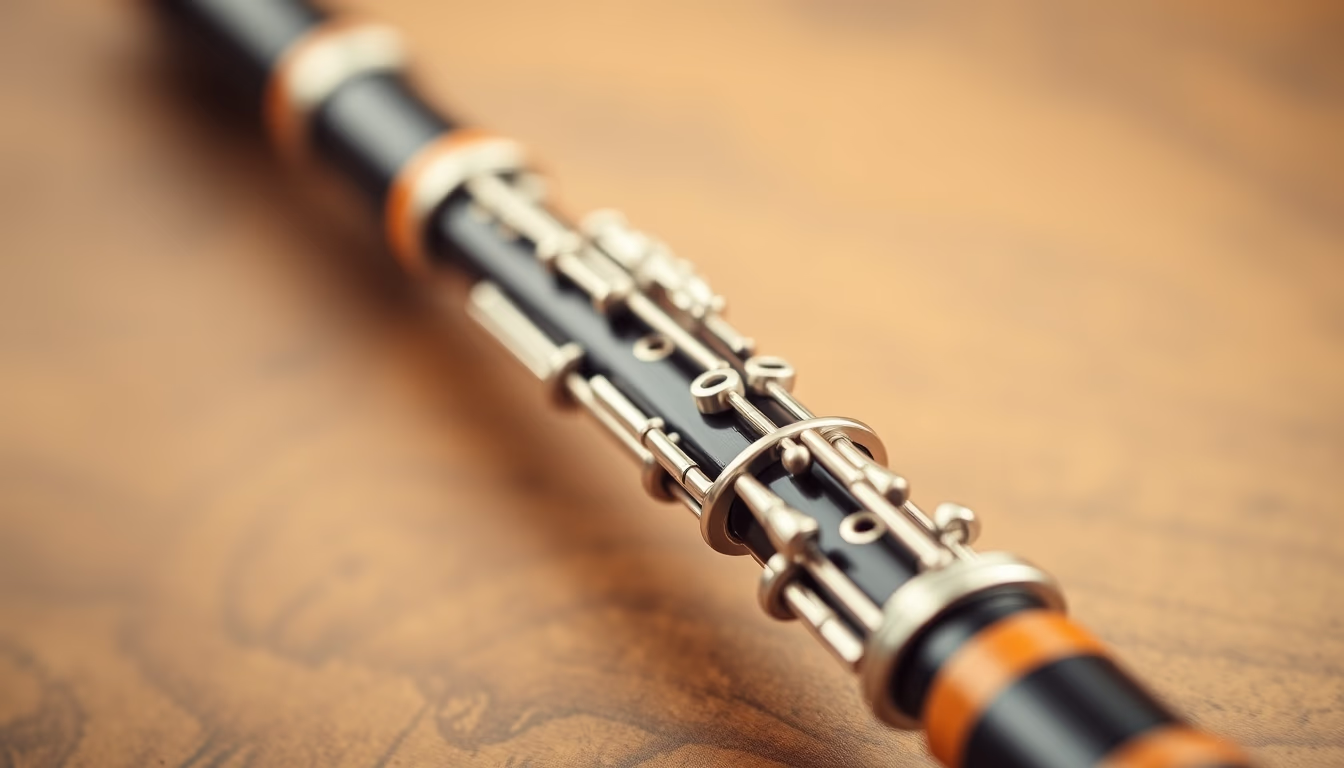
The bassoon double reed is the heart of the instrument, handcrafted from Arundo donax cane to produce its distinctive timbre.
About this subject
The bassoon double reed is the component that generates the instrument's sound. It consists of two thin blades of Arundo donax cane tied to a metal tube, which vibrate against each other when the musician blows. This vibration produces the deep, rich, slightly nasal timbre characteristic of the bassoon. Unlike single reeds (clarinet or saxophone), the double reed requires higher air pressure and precise lip control, making the bassoon one of the most difficult instruments to master.
Manufacturing a double reed is a meticulous handcraft process. The craftsman selects cane with appropriate diameter and thickness, cuts it into plaques, and scrapes them with specialized knives to achieve the ideal thickness. The two blades are then tied to a tube (tudel) with nylon thread or string, forming the reed. Each step directly influences response, tuning, and timbre. Many bassoonists spend hours adjusting their own reeds, seeking a balance between resistance and flexibility.
Culturally, the double reed is a symbol of orchestral tradition. The bassoon plays fundamental roles in the symphony orchestra, with its deep sound filling the lower register. Reed making is a skill passed down through generations of musicians. In countries such as France, Germany, and the United States, distinct reed schools influence the sound of entire orchestras. Despite industrial production, most professional bassoonists still prefer handcrafted reeds or ones they make themselves.
Interesting facts: a bassoon double reed has a short lifespan, from a few days to a few weeks of heavy use, and wear depends on playing style and cane type. The same Arundo donax cane is used for oboe reeds, but dimensions are quite different. Nylon thread has largely replaced traditional string, but some artisans maintain historical methods. Fine adjustments can be made by additional scraping, and experienced players carry multiple ready reeds for concerts.
Frequently Asked Questions
How is a bassoon double reed made?
The reed is made from Arundo donax cane, cut into plaques, scraped to the desired thickness, and tied to a metal tube. The process is handcrafted and requires skill to balance resistance and vibration.
How long does a bassoon reed last?
In professional use, a double reed lasts from a few days to a few weeks. Lifespan depends on playing intensity, technique, and cane quality.
Why do many bassoonists make their own reeds?
Each musician seeks a specific sound and response. Making their own reed allows precise adjustments in thickness, curvature, and binding, resulting in better control and personalized timbre.
Direct URL
https://pub-c7d6a6ea828543ac903a74a341ccb2e1.r2.dev/imagens/bassoon-double-reed-tilt-shift-miniature-p4.avifHow to credit
Include a visible link back to UtilizAí. Copy one of the snippets below:
<a href="https://xn--utiliza-eza.com/en/midia/imagens/bassoon-double-reed-tilt-shift-miniature-p4">Bassoon double reed</a> by <a href="https://xn--utiliza-eza.com">UtilizAí</a>, licensed under <a href="https://creativecommons.org/licenses/by/4.0/">CC BY 4.0</a>.
[Bassoon double reed](https://xn--utiliza-eza.com/en/midia/imagens/bassoon-double-reed-tilt-shift-miniature-p4) by [UtilizAí](https://xn--utiliza-eza.com), CC BY 4.0
License: CC-BY-4.0