Autonomous taxi modern
1344×768 · AVIF · CC BY 4.0

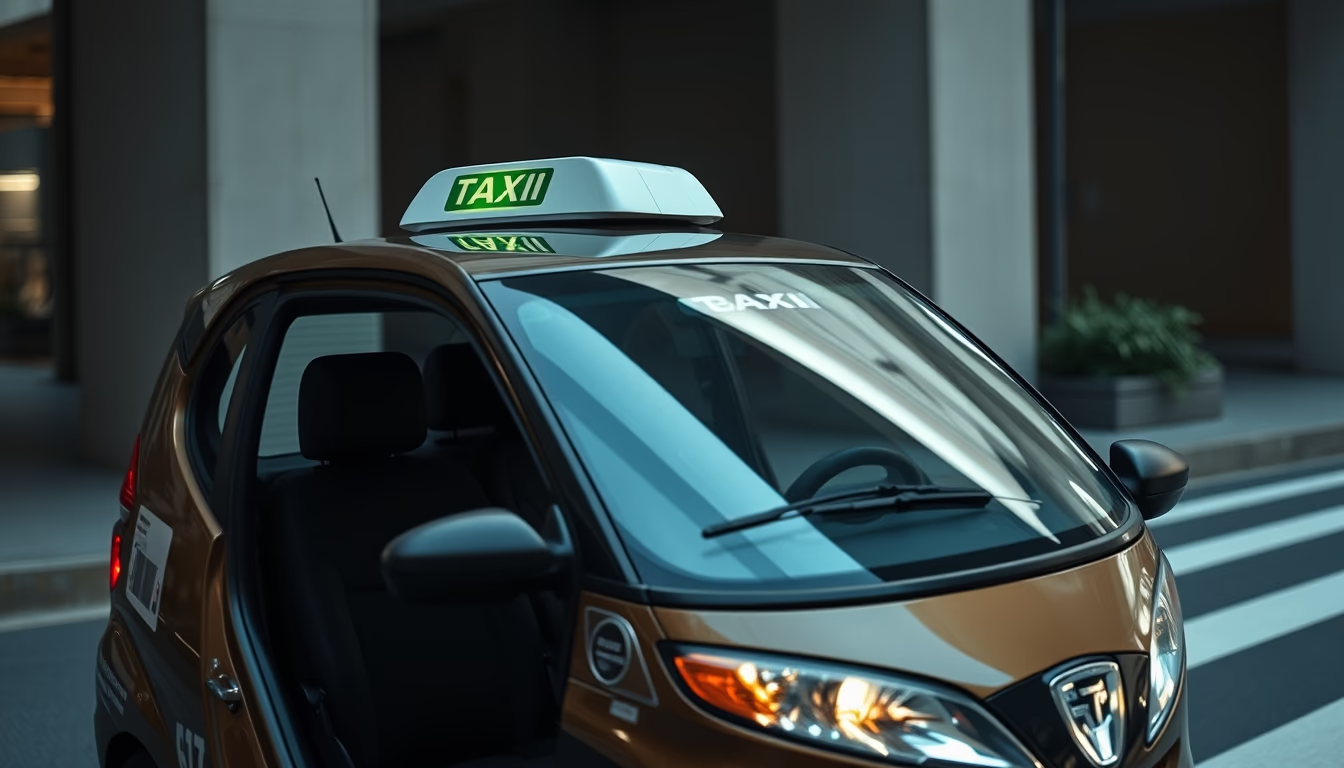
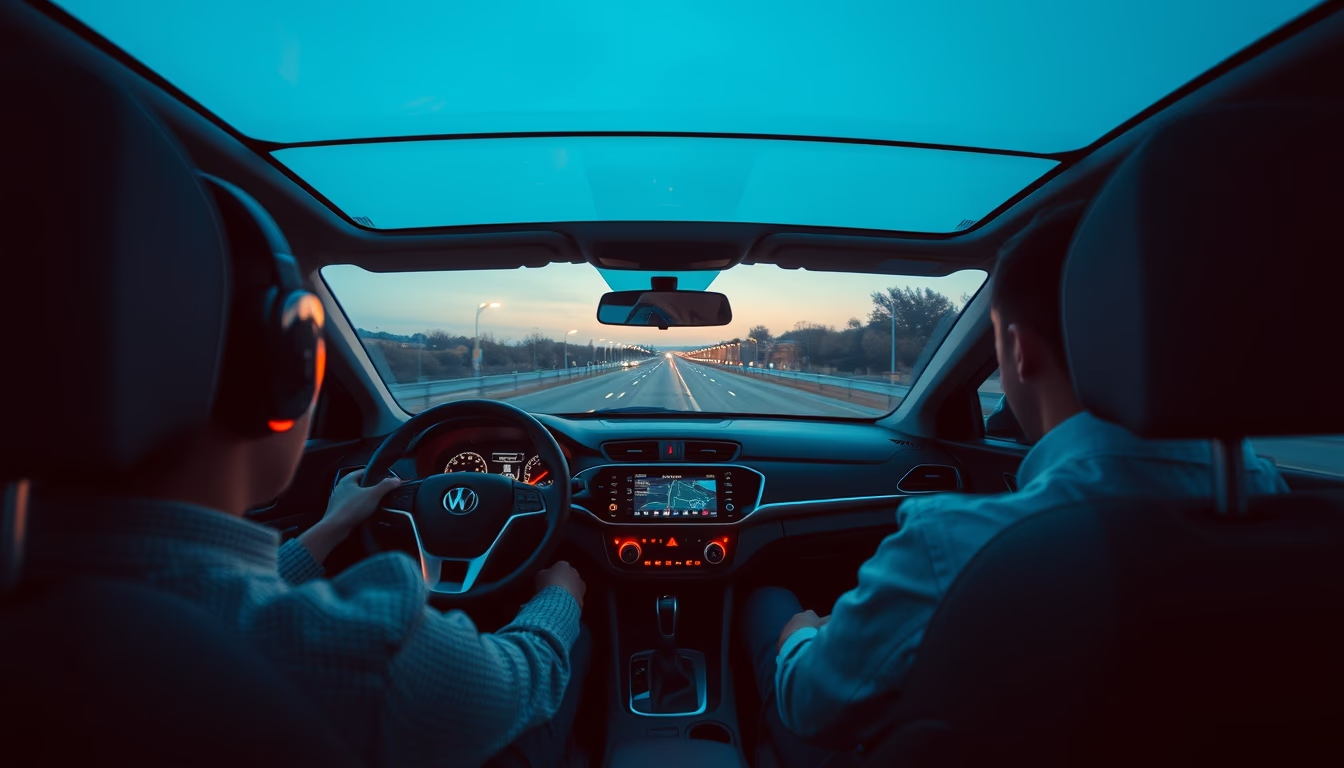
Modern autonomous taxis are transforming urban mobility by eliminating drivers and operating with artificial intelligence in cities around the world.
About this subject
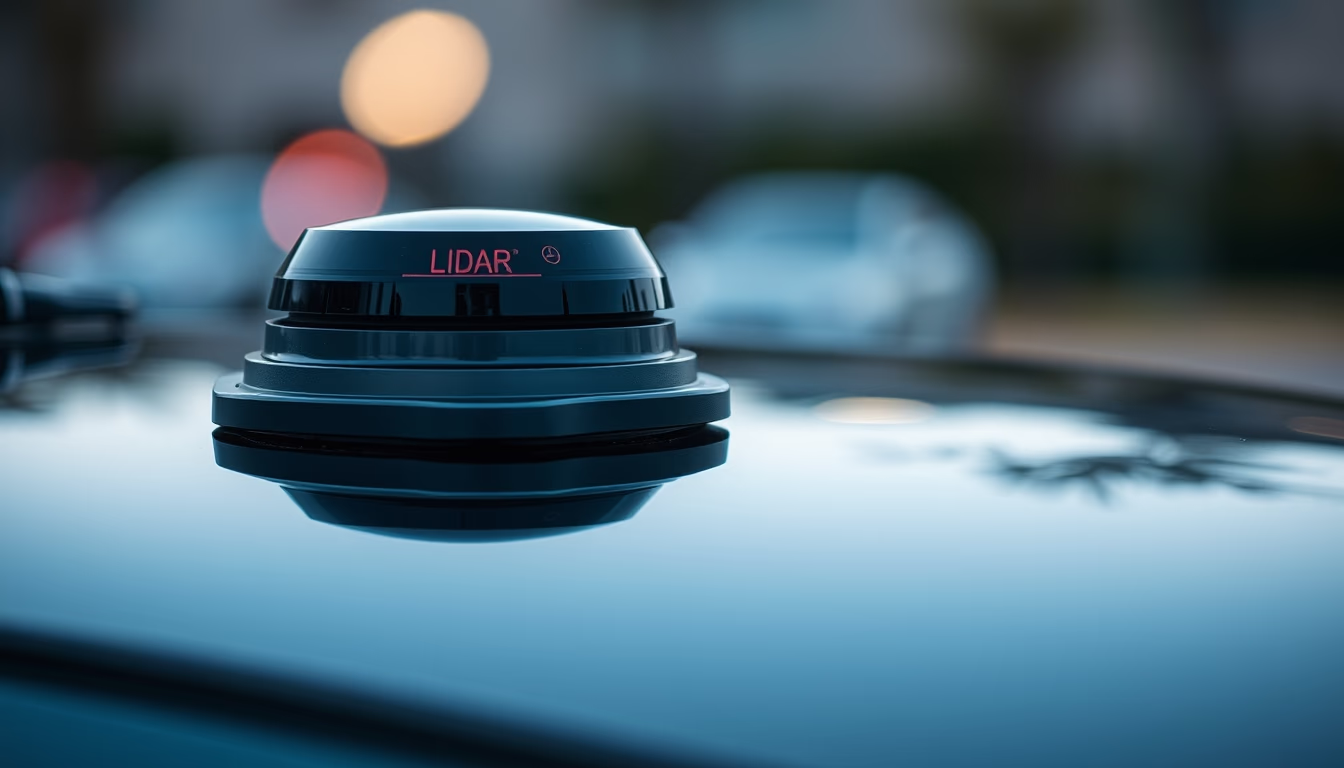
Autonomous taxis represent one of the most impactful innovations in the transportation sector. Unlike traditional vehicles, these cars use sensors such as LIDAR, cameras, and radars to map the environment in real time, combined with machine learning algorithms that allow navigation decisions without human intervention. Companies like Waymo (Alphabet) and Cruise (General Motors) lead tests in American cities such as San Francisco, Phoenix, and Austin, while in China, Baidu supports commercial operations in Beijing and Wuhan. In Brazil, although regular services are not yet available, pilot projects have begun circulating in controlled areas of São Paulo and Brasília, driven by startups and universities.
Technology behind autonomous taxis has evolved rapidly over the past decade. The first major milestone was the DARPA challenge in 2004, which spurred competition among universities and automakers. Since then, sensor accuracy and processing power have grown exponentially. Currently, level 4 autonomous taxis (no human intervention but in restricted geographic zones) operate in limited commercial fleets. Waymo, for example, has driven millions of miles without a safety driver, accumulating critical data to refine safety.
Culturally, autonomous taxis spark debate about jobs, regulation, and privacy. Taxi and ride-hailing drivers fear mass replacement, while governments seek to balance innovation and safety. Conversely, proponents point to benefits such as reducing accidents caused by human error (about 94% of traffic crashes, according to NHTSA), less congestion, and greater accessibility for the elderly and disabled. The future of urban mobility inevitably involves the consolidation of these vehicles, with projections that by 2030 a significant share of trips in major centers will be conducted by autonomous fleets.
Frequently Asked Questions
How does an autonomous taxi work?
An autonomous taxi uses sensors like LIDAR, cameras, and radars to detect obstacles and map the road. An onboard computer processes this data with artificial intelligence to decide acceleration, braking, and steering, following predefined routes.
Where are autonomous taxis already operating commercially?
Currently, limited commercial services are running in cities like San Francisco and Phoenix (Waymo), Austin (Cruise), and Beijing (Baidu). In Brazil, only tests in controlled areas exist.
What are the main challenges for mass adoption?
Challenges include high sensor costs, safety regulation, public acceptance, adaptation to adverse weather conditions, and integration with non-autonomous traffic.
Direct URL
https://pub-c7d6a6ea828543ac903a74a341ccb2e1.r2.dev/imagens/autonomous-taxi-modern-documentary-photography-p1.avifHow to credit
Include a visible link back to UtilizAí. Copy one of the snippets below:
<a href="https://xn--utiliza-eza.com/en/midia/imagens/autonomous-taxi-modern-documentary-photography-p1">Autonomous taxi modern</a> by <a href="https://xn--utiliza-eza.com">UtilizAí</a>, licensed under <a href="https://creativecommons.org/licenses/by/4.0/">CC BY 4.0</a>.
[Autonomous taxi modern](https://xn--utiliza-eza.com/en/midia/imagens/autonomous-taxi-modern-documentary-photography-p1) by [UtilizAí](https://xn--utiliza-eza.com), CC BY 4.0
License: CC-BY-4.0